


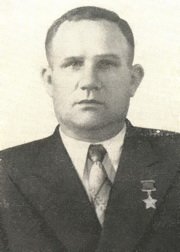


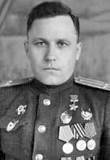


Ivan Betskikh
Ivan Betskikh was born in 1916 in Turin District in the village of Komyshanka in a peasant family.
His father - Bedskikh Naum (born in 1859), mother - Alexandra Razgildyaeva (born in 1858). He worked as an assistant magician in the Sverdlovsk Circus in his youth. Later he worked at the factories of Nizhny Tagil, where he met his future wife. He married Anastasia Zyryanova and had two sons (Boris and Konstantin). Worked at Irbit Glass Factory.
He participated in the Great Patriotic War of 1941-1945 (9 months). Went through the war as a private. Was in Finnish captivity. He served in the NKVD troops and had translation skills. For many years before retirement, he worked at the Irbit Glass Factory. Worked in the workshops of orality balls, silikat-blocks; burning shop, insulators and fittings shop.
His main specialty was a mechanic-repairman, duty mechanic, duty for draining fuel oil. His hobby was making animal figures, bas-reliefs and busts of leaders, household items from white Ural clay. After studying at the Kyshtym ceramic factory, Ivan brought forms to the glass factory, from which he poured various items for interior decoration in his spare time, etc.
On the territory of the insulator shop, a site for orginizing the production of toilets and washbasins for the Sverdlovsk ceramic plant was organized. Then the production of this type of goods was transferred to Sverdlovsk, and the master's sculpture was made unofficially. Ivan, being an active member of the Trade Union Committee, was responsible for patronage work with the village (patronized the residents of the village of Znamenka, Irbit District).
He was engaged in the allocation of land plots for plant workers for planting potatoes. Every spring, he could be seen with a wooden pedometer in his hands and pegs for marking out plots.
In retirement, he sewed shoes for employees of the factory (sewed slippers, felt bootsi, repaired shoes). Worked as a domestic worker. As a person, he had always been the "soul" of the company, loved the guests.
He died in Irbit in 1976.
Ivan Betskikh
Ivan Betskikh was born in 1916 in Turin District in the village of Komyshanka in a peasant family.
His father - Bedskikh Naum (born in 1859), mother - Alexandra Razgildyaeva (born in 1858). He worked as an assistant magician in the Sverdlovsk Circus in his youth. Later he worked at the factories of Nizhny Tagil, where he met his future wife. He married Anastasia Zyryanova and had two sons (Boris and Konstantin). Worked at Irbit Glass Factory.
He participated in the Great Patriotic War of 1941-1945 (9 months). Went through the war as a private. Was in Finnish captivity. He served in the NKVD troops and had translation skills. For many years before retirement, he worked at the Irbit Glass Factory. Worked in the workshops of orality balls, silikat-blocks; burning shop, insulators and fittings shop.
His main specialty was a mechanic-repairman, duty mechanic, duty for draining fuel oil. His hobby was making animal figures, bas-reliefs and busts of leaders, household items from white Ural clay. After studying at the Kyshtym ceramic factory, Ivan brought forms to the glass factory, from which he poured various items for interior decoration in his spare time, etc.
On the territory of the insulator shop, a site for orginizing the production of toilets and washbasins for the Sverdlovsk ceramic plant was organized. Then the production of this type of goods was transferred to Sverdlovsk, and the master's sculpture was made unofficially. Ivan, being an active member of the Trade Union Committee, was responsible for patronage work with the village (patronized the residents of the village of Znamenka, Irbit District).
He was engaged in the allocation of land plots for plant workers for planting potatoes. Every spring, he could be seen with a wooden pedometer in his hands and pegs for marking out plots.
In retirement, he sewed shoes for employees of the factory (sewed slippers, felt bootsi, repaired shoes). Worked as a domestic worker. As a person, he had always been the "soul" of the company, loved the guests.
He died in Irbit in 1976.
0 comment




2026 © Russian Military Historical Society Developed by Jetmix