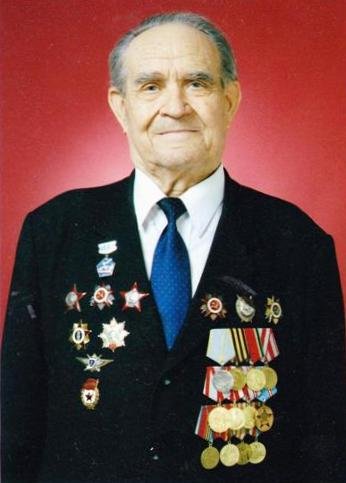


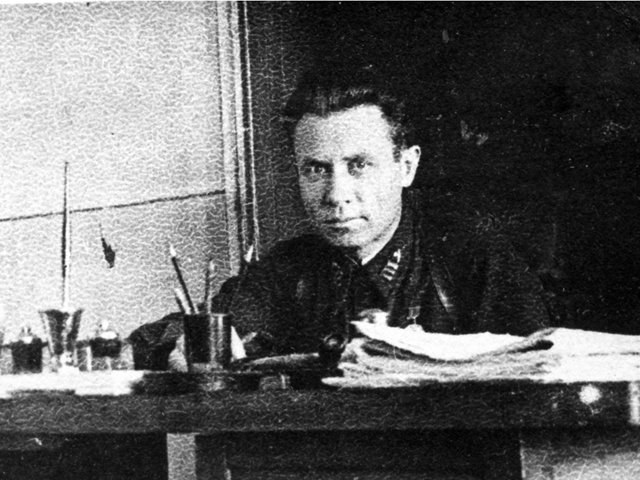
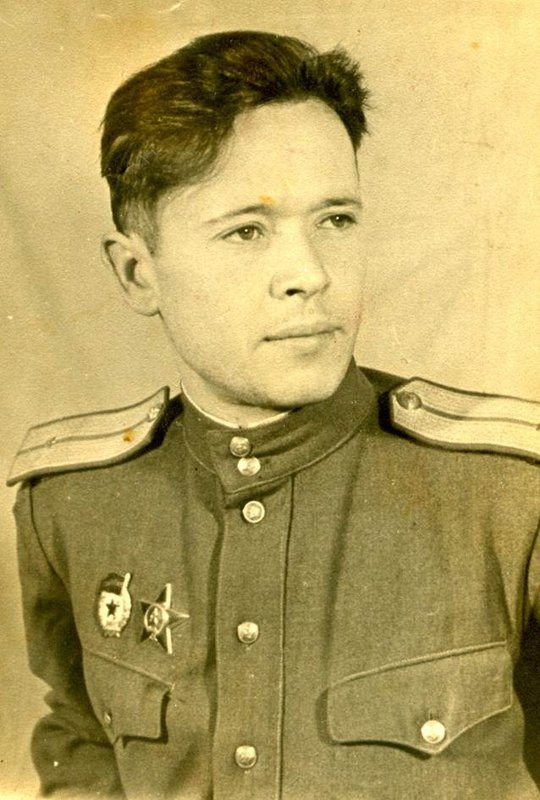
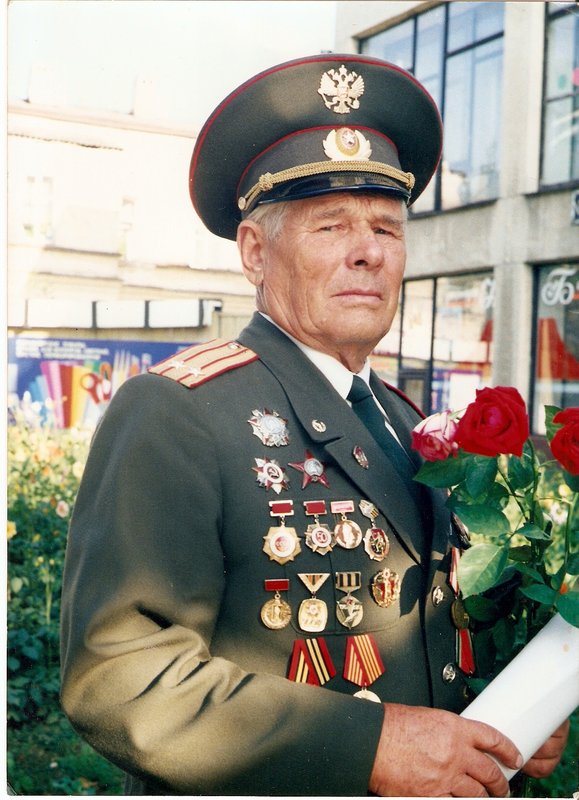
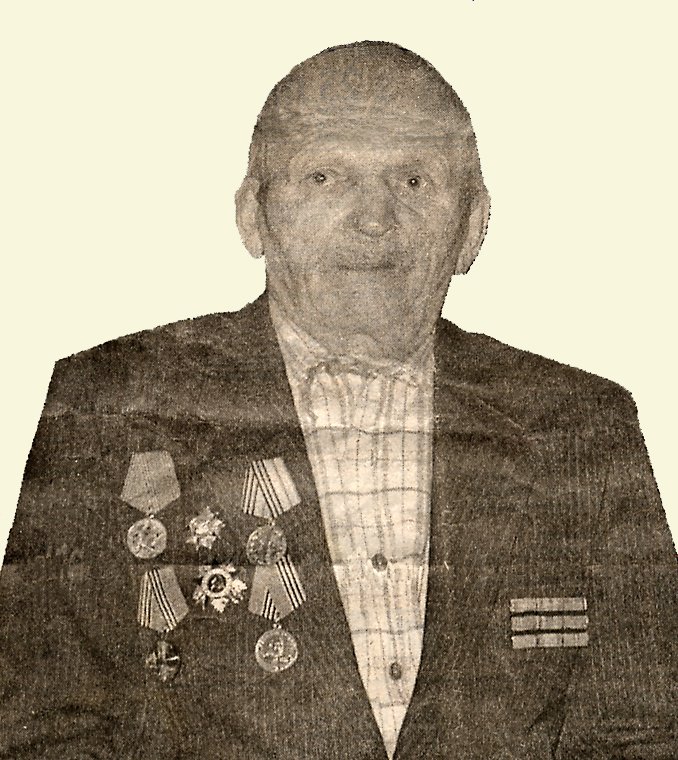
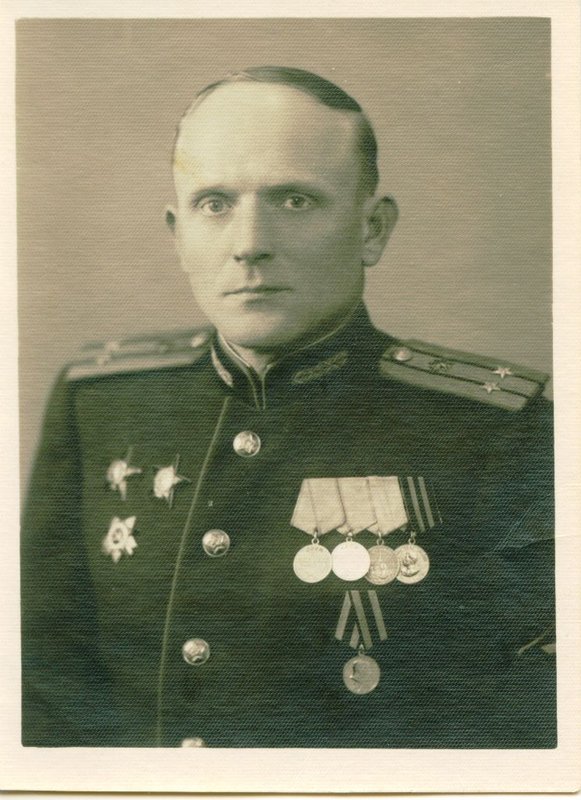
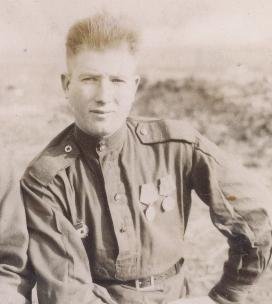
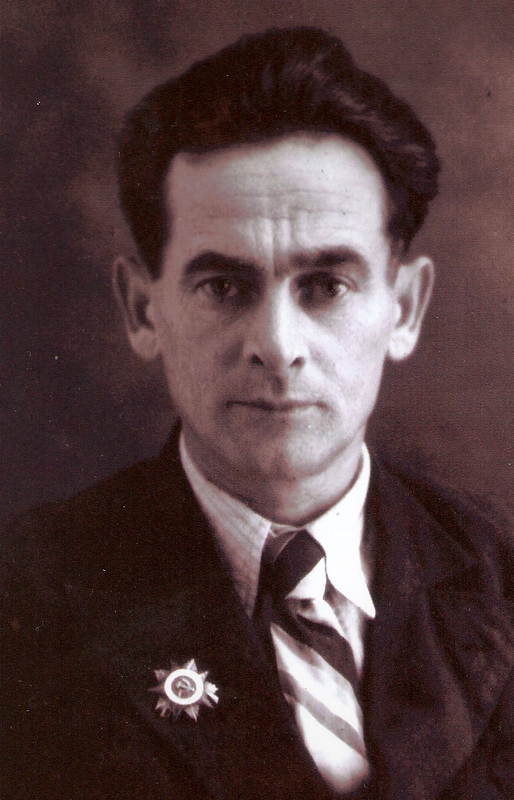
Timchenko Aleksandr Ivanovich
Rank: Leiutenant
Branch: Ground Forces
He went to the front on July 17, 1941. He was a Leiutenant. From August 1941 to August 1942 he fought on the Southern Front, then, after being wounded, from September to November 1942 on the North Caucasian Front, and after another injury, in October-November 1943 on the Belorussian Front.
During the war, he served in the Cavalry, then as the commander of an armored platform on an armored train, and then as a gun commander of the 1001 self-propelled Artillery Regiment of the 1st Don Mechanized Corps of the Belorussian Front. In 1941, in the battles near Novo-Moskovsky (Dnepropetrovsk region), he knocked out 2 Nazi tanks, during the battles for the city of Pavlograd (Zaporozhye region) he destroyed cars and trucks, 4 motorcycles, 7 Nazis and took another prisoner. In August 1942, during the battles for the town of Prokhladny (Kabardino-Balkaria), he knocked out one tank, two trucks and destroyed 15 enemy soldiers and officers. In November 1943, he took part in breaking through the Nazi defense in the Loev-Rechitsa area (Belorussian SSR), during the battles he destroyed 2 tanks and 2 self-propelled assault guns of the Nazis.
On November 19, 1943, my grandfather was seriously wounded by an explosive bullet in the leg when, during the battles in the Loev-Rechitsa area, he pulled out a wounded fellow soldier. This injury resulted in the amputation of the leg, after which, in August 1944, he was demobilized from the army.
He was awarded the Order of the Patriotic War II degree, the medal "For Victory over Germany in the Great Patriotic War 1941-1945" and jubilee medals. After the war, he worked as the head of the Evpatoria Construction office, and then as the Chief Engineer of the Krymvodkhoz / Krymvodstroy, an organization that drilled artesian wells in the Crimea. He passed away in 1984. The results of his work (artesian wells) came in handy after Crimea returned home, when the North Crimean Canal was blocked.
Timchenko Aleksandr Ivanovich
Rank: Leiutenant
Branch: Ground Forces
He went to the front on July 17, 1941. He was a Leiutenant. From August 1941 to August 1942 he fought on the Southern Front, then, after being wounded, from September to November 1942 on the North Caucasian Front, and after another injury, in October-November 1943 on the Belorussian Front.
During the war, he served in the Cavalry, then as the commander of an armored platform on an armored train, and then as a gun commander of the 1001 self-propelled Artillery Regiment of the 1st Don Mechanized Corps of the Belorussian Front. In 1941, in the battles near Novo-Moskovsky (Dnepropetrovsk region), he knocked out 2 Nazi tanks, during the battles for the city of Pavlograd (Zaporozhye region) he destroyed cars and trucks, 4 motorcycles, 7 Nazis and took another prisoner. In August 1942, during the battles for the town of Prokhladny (Kabardino-Balkaria), he knocked out one tank, two trucks and destroyed 15 enemy soldiers and officers. In November 1943, he took part in breaking through the Nazi defense in the Loev-Rechitsa area (Belorussian SSR), during the battles he destroyed 2 tanks and 2 self-propelled assault guns of the Nazis.
On November 19, 1943, my grandfather was seriously wounded by an explosive bullet in the leg when, during the battles in the Loev-Rechitsa area, he pulled out a wounded fellow soldier. This injury resulted in the amputation of the leg, after which, in August 1944, he was demobilized from the army.
He was awarded the Order of the Patriotic War II degree, the medal "For Victory over Germany in the Great Patriotic War 1941-1945" and jubilee medals. After the war, he worked as the head of the Evpatoria Construction office, and then as the Chief Engineer of the Krymvodkhoz / Krymvodstroy, an organization that drilled artesian wells in the Crimea. He passed away in 1984. The results of his work (artesian wells) came in handy after Crimea returned home, when the North Crimean Canal was blocked.
0 comment



2026 © Russian Military Historical Society Developed by Jetmix