Back to
album
album
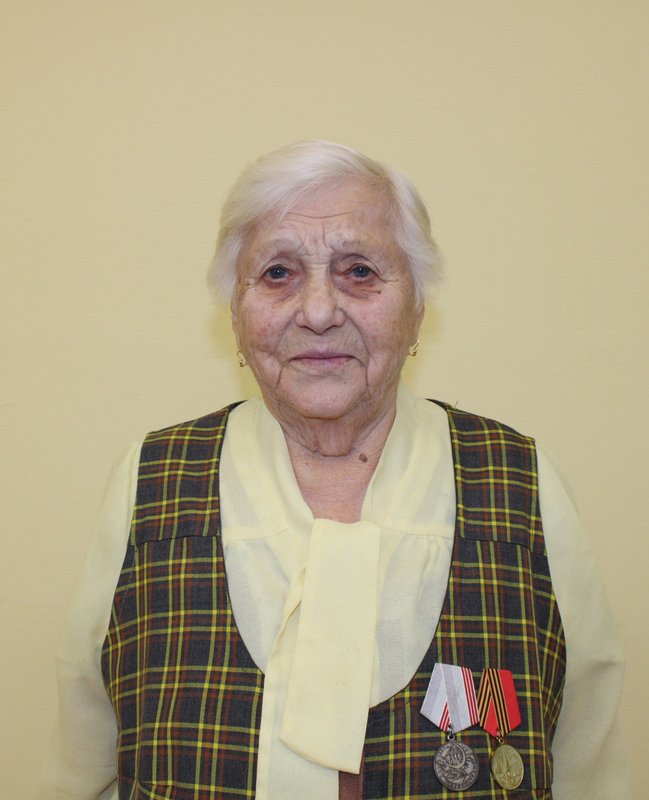
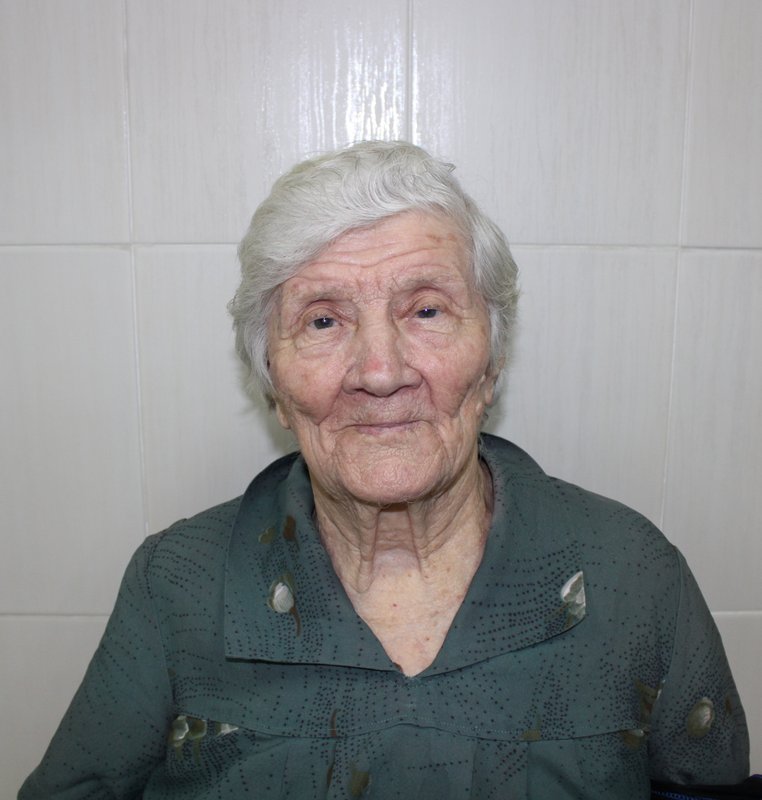
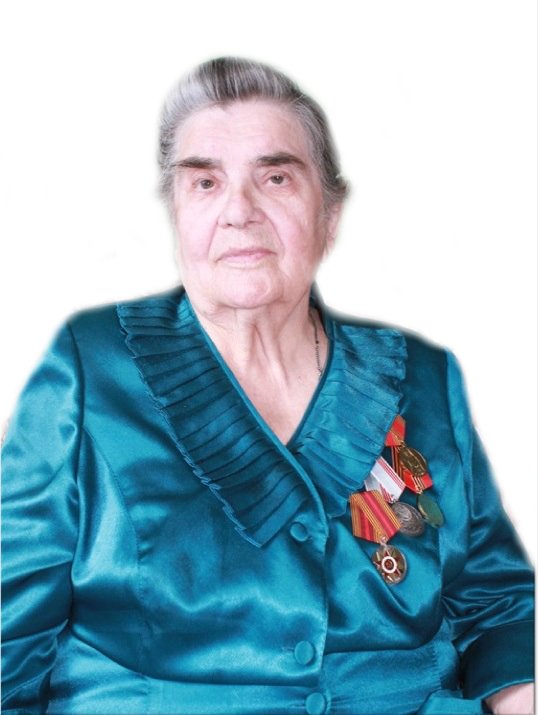
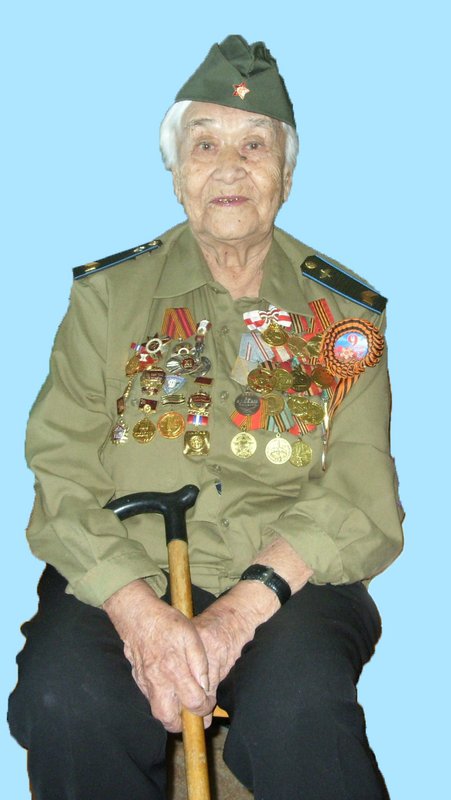
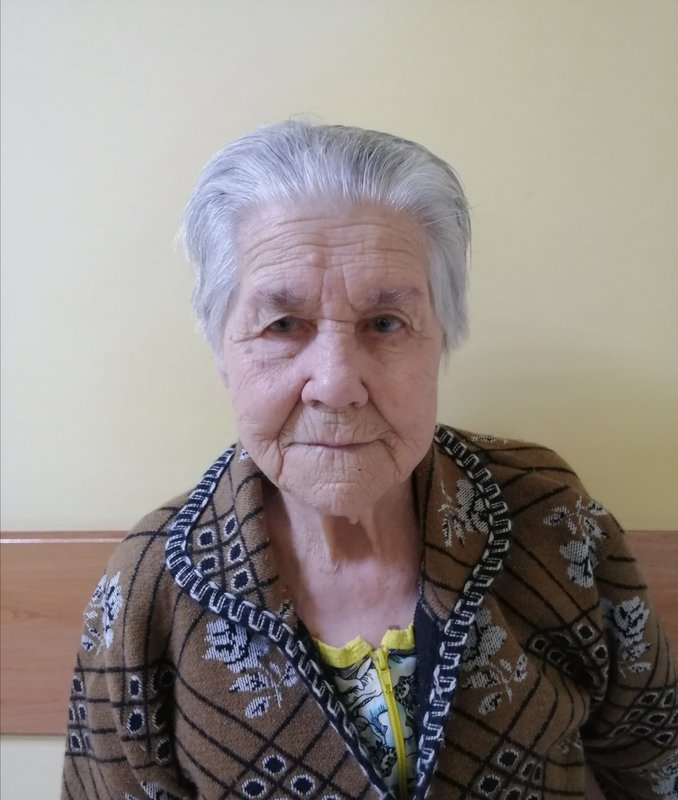
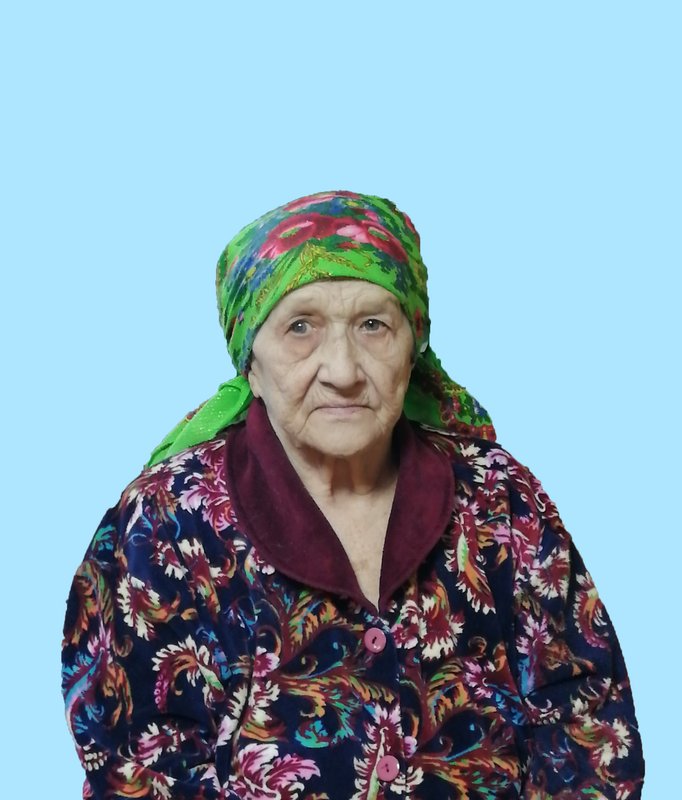
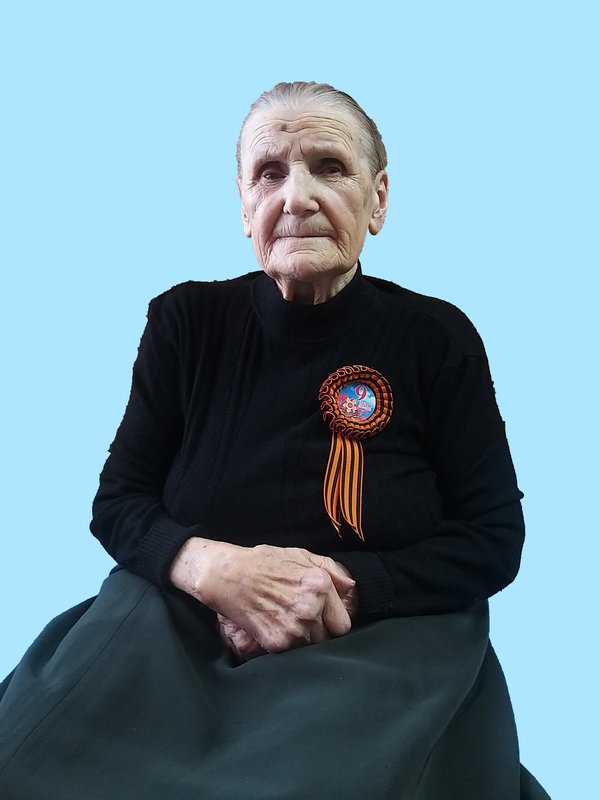
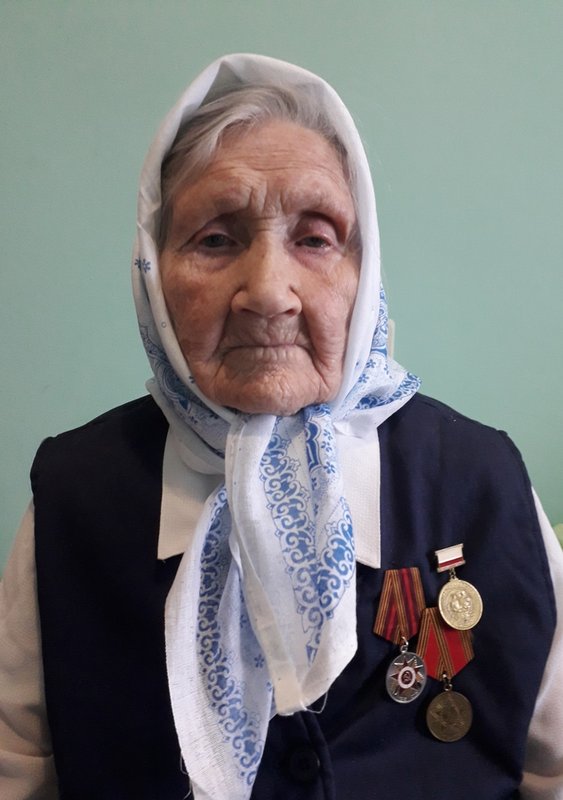
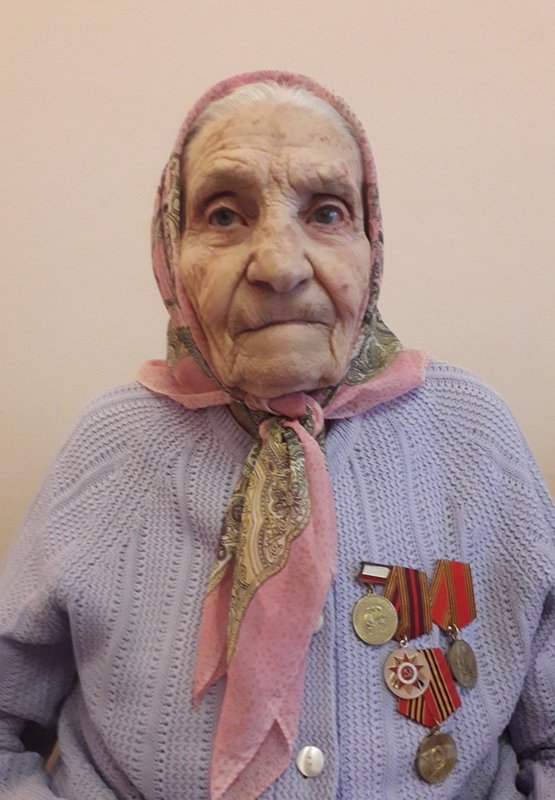
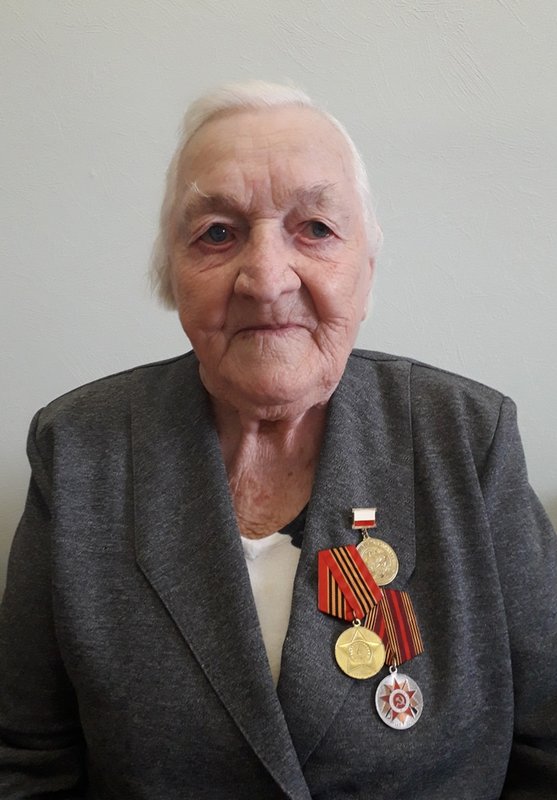
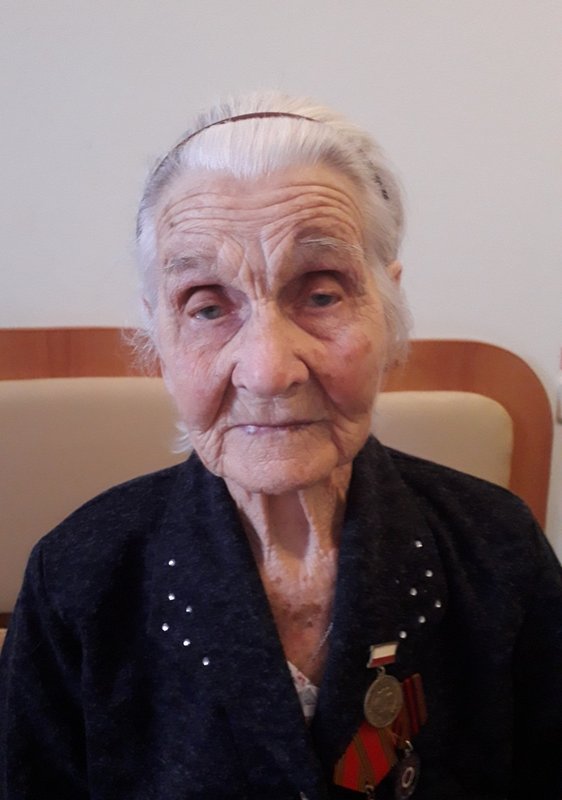
Reshetnyak Nina Petrovna
Reshetnyak Nina Petrovna (worker in the rear) was born on March 11, 1931 in the city of Atkarsk, Saratov region. Nina Petrovna's family lived at the Koppela station. After graduating from 6 classes, the girl went to work on the railway as a railroad worker. “Once crossing the railway tracks, I saw broken rails, to which a military train was approaching. I started swinging my briefcase, drawing attention to myself to avoid the train going off the tracks. The driver stopped the train came out to me and thanked for the lives saved ”- recalls Nina Petrovna. With the outbreak of the war, there was a shortage of food. They lived very poorly, ate cakes made of "grey" flour and orach. According to the veteran's memories, it was seen how the besieged city was burning 300 kilometres away during the days of the Battle of Stalingrad. There was very little left to Saratov. But there were also joyful moments. Nina Petrovna recalls with particular warmth the letters from her uncle, who served at the front. He often wrote about how he managed to liberate a village in some area or even an entire city. “At such moments I was very proud of our family, our heroic people, who beat the fascists and drove them from their native land” -recalls Nina Petrovna. The woman worked as a railroad worker until her retirement, ensuring the smooth movement of trains. In this craft she was the best.
Reshetnyak Nina Petrovna
Reshetnyak Nina Petrovna (worker in the rear) was born on March 11, 1931 in the city of Atkarsk, Saratov region. Nina Petrovna's family lived at the Koppela station. After graduating from 6 classes, the girl went to work on the railway as a railroad worker. “Once crossing the railway tracks, I saw broken rails, to which a military train was approaching. I started swinging my briefcase, drawing attention to myself to avoid the train going off the tracks. The driver stopped the train came out to me and thanked for the lives saved ”- recalls Nina Petrovna. With the outbreak of the war, there was a shortage of food. They lived very poorly, ate cakes made of "grey" flour and orach. According to the veteran's memories, it was seen how the besieged city was burning 300 kilometres away during the days of the Battle of Stalingrad. There was very little left to Saratov. But there were also joyful moments. Nina Petrovna recalls with particular warmth the letters from her uncle, who served at the front. He often wrote about how he managed to liberate a village in some area or even an entire city. “At such moments I was very proud of our family, our heroic people, who beat the fascists and drove them from their native land” -recalls Nina Petrovna. The woman worked as a railroad worker until her retirement, ensuring the smooth movement of trains. In this craft she was the best.
0 comment




2026 © Russian Military Historical Society Developed by Jetmix