Back to
album
album
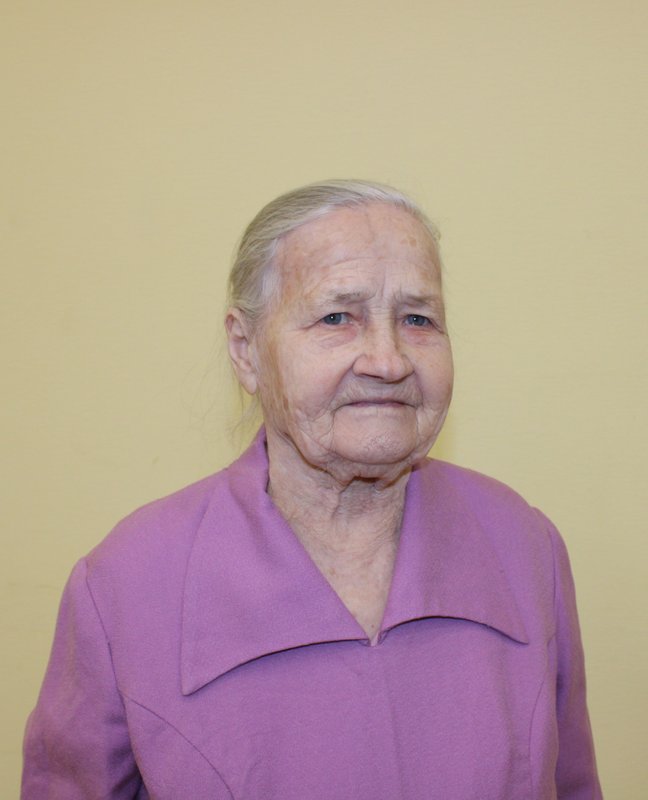
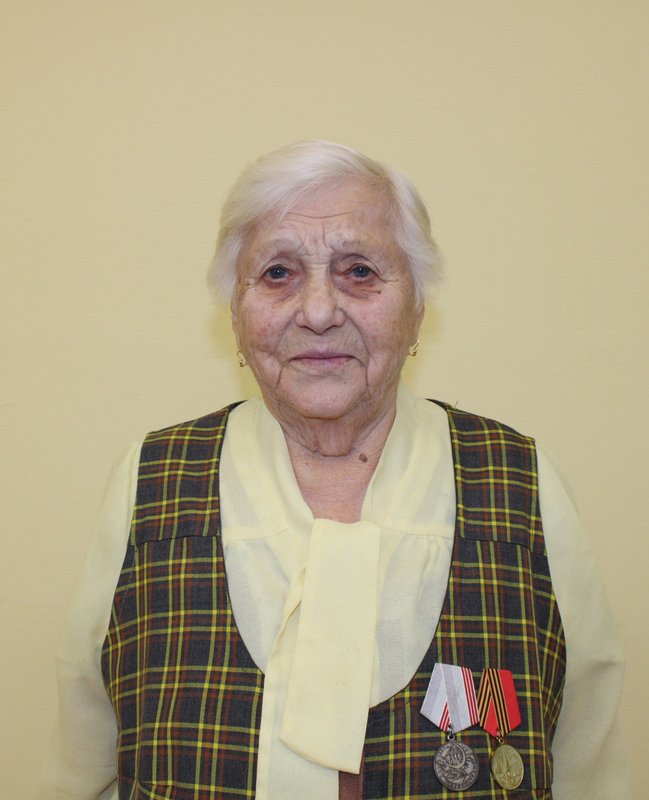
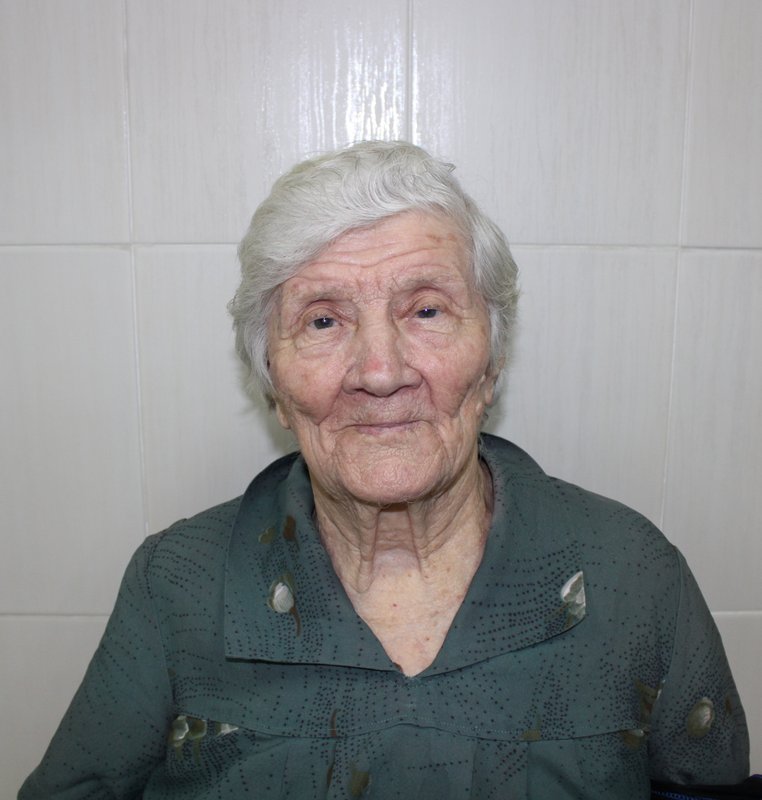
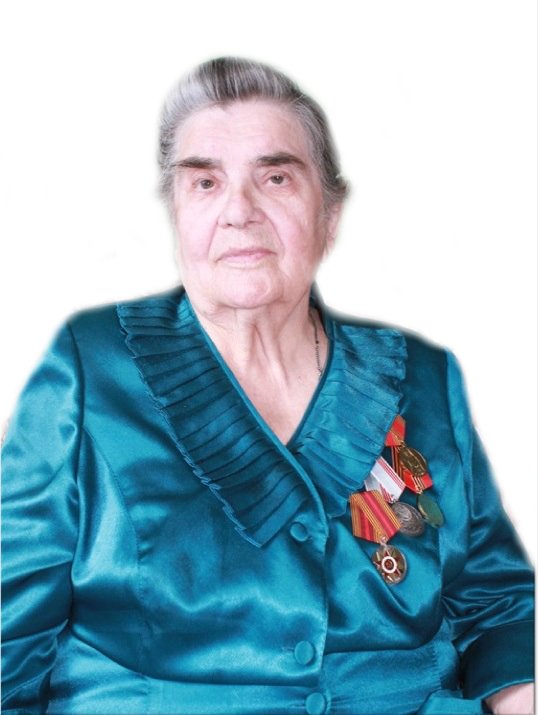
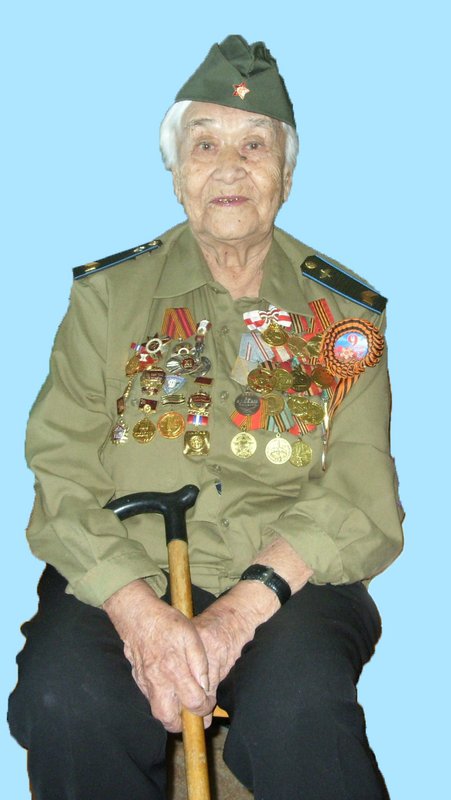
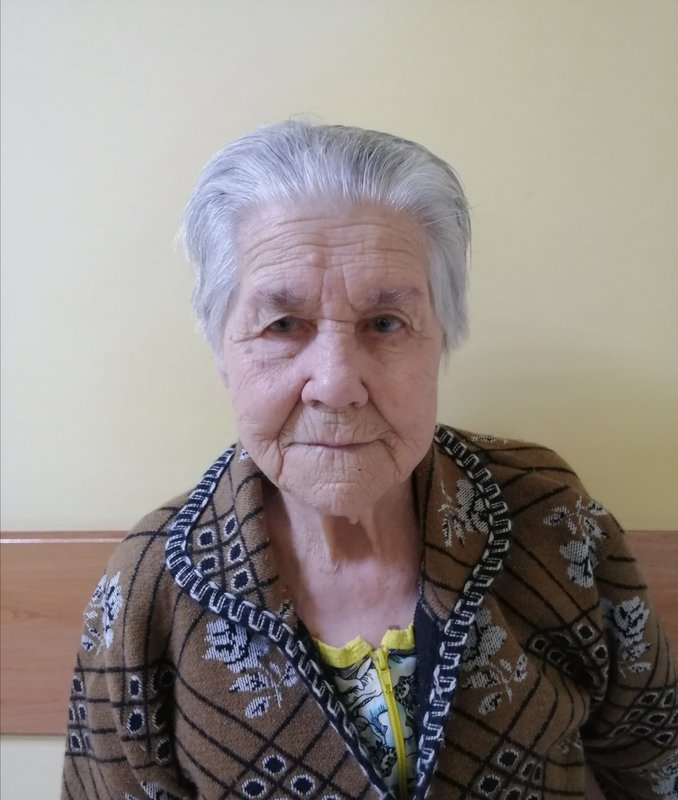
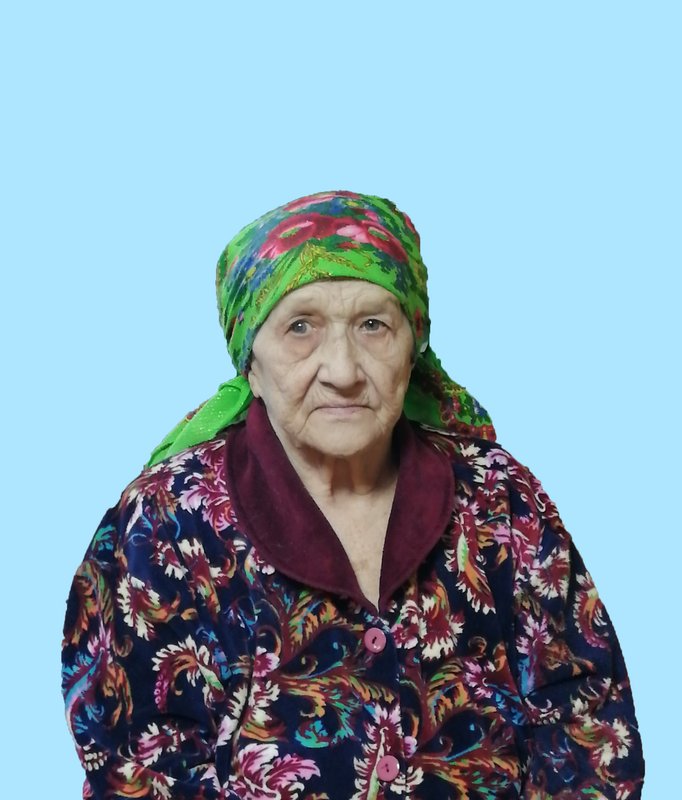
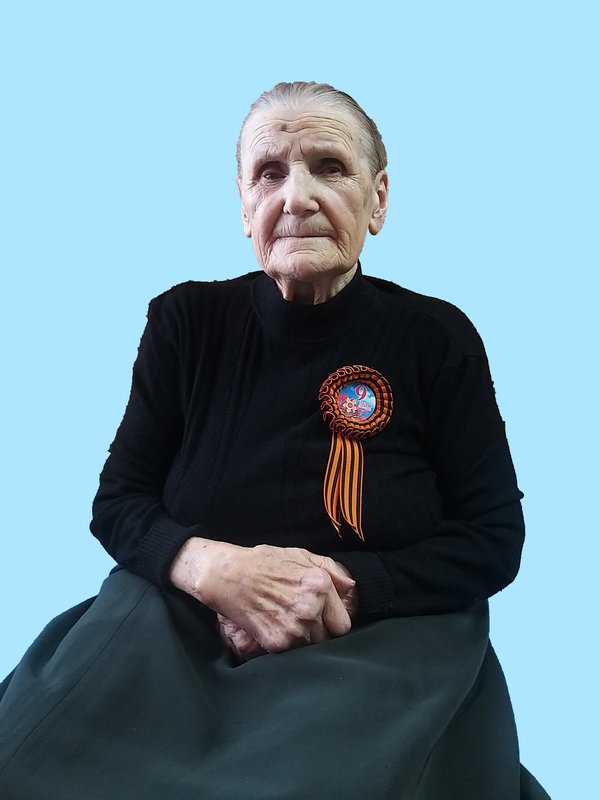
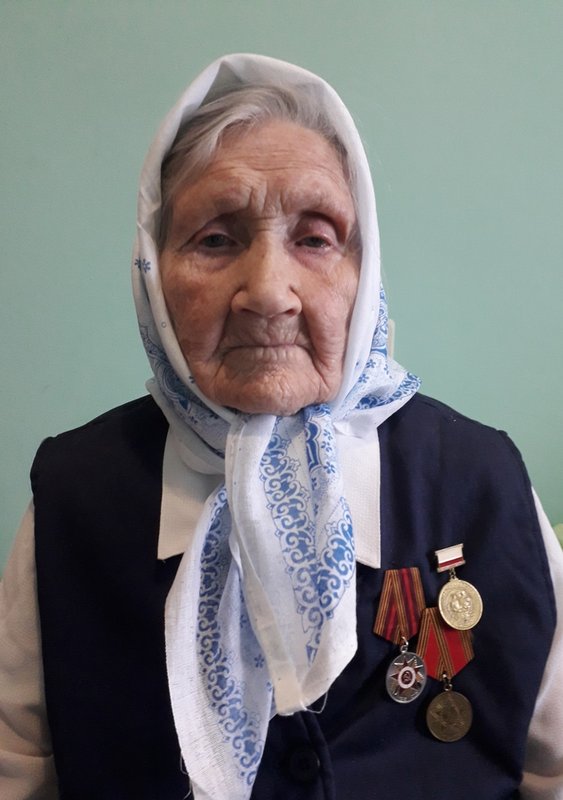
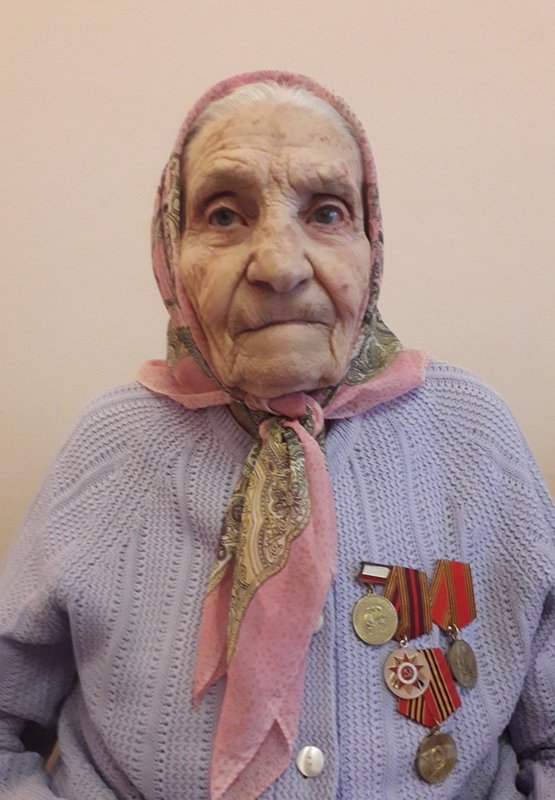
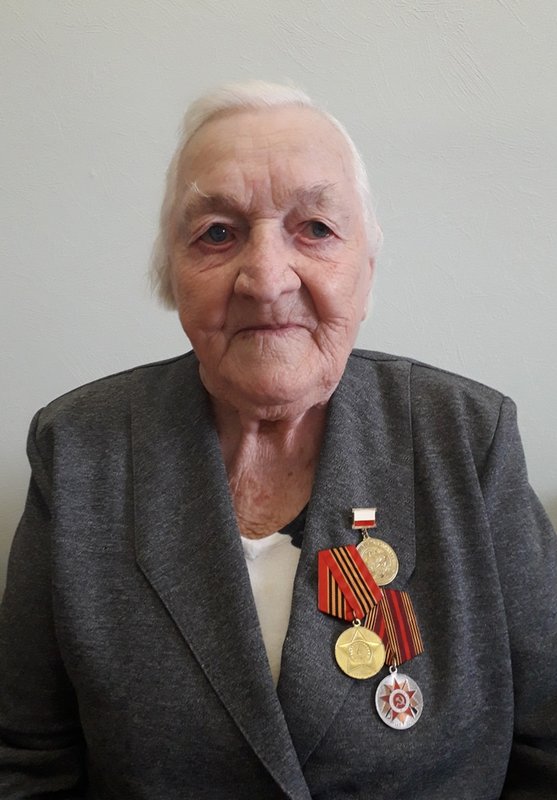
Rusanova Lydia Semyonovna
Rusanova Lydia Semyonovna (worker in the rear) was born on May 15, 1929 in the village of Sytinka, Pavlovsky district, Kuibyshev region. The family consisted of three people: a mother and two daughters. According to the words of Lydia Semyonovna, the adults did not tell the children about the war until the military arrived at the collective farm and were transported from there to the front. At this moment, the carefree childhood ended for her. The teenagers worked all day on the collective farm: they worked in the fields and nursed little lambs. The war years were remembered by her hard work, hunger and cold. “It was very difficult, in the forty-degree frost we walked on half-bare feet, carried straw and hay to the sheep”- says the veteran. Lydia Semyonovna met the news of the victory with all the villagers at the building of the administration. “People did not hide their tears, they cried with joy and grief of irreparable losses and lives taken away forever”- the woman recalls. After the war, the girl went to work as an assistant cook in the collective farm canteen. She got married, gave birth to a son, and remained to live in her native village.
Rusanova Lydia Semyonovna
Rusanova Lydia Semyonovna (worker in the rear) was born on May 15, 1929 in the village of Sytinka, Pavlovsky district, Kuibyshev region. The family consisted of three people: a mother and two daughters. According to the words of Lydia Semyonovna, the adults did not tell the children about the war until the military arrived at the collective farm and were transported from there to the front. At this moment, the carefree childhood ended for her. The teenagers worked all day on the collective farm: they worked in the fields and nursed little lambs. The war years were remembered by her hard work, hunger and cold. “It was very difficult, in the forty-degree frost we walked on half-bare feet, carried straw and hay to the sheep”- says the veteran. Lydia Semyonovna met the news of the victory with all the villagers at the building of the administration. “People did not hide their tears, they cried with joy and grief of irreparable losses and lives taken away forever”- the woman recalls. After the war, the girl went to work as an assistant cook in the collective farm canteen. She got married, gave birth to a son, and remained to live in her native village.
0 comment




2026 © Russian Military Historical Society Developed by Jetmix