Back to
album
album


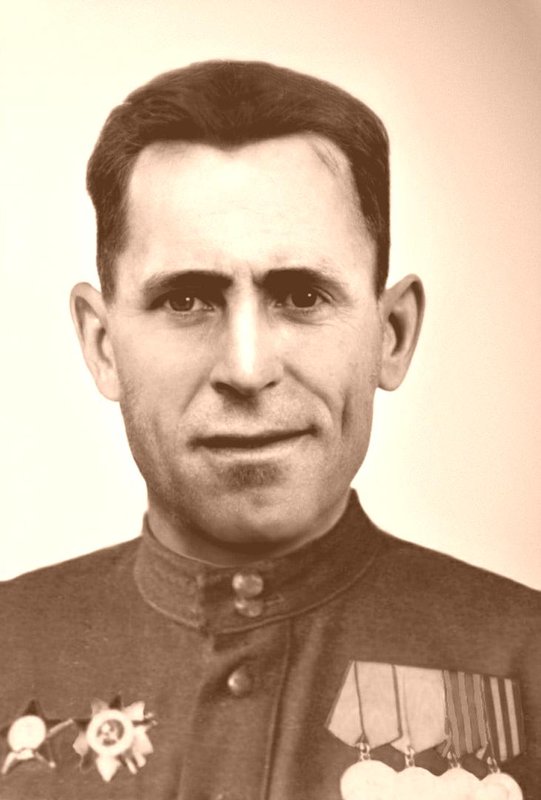


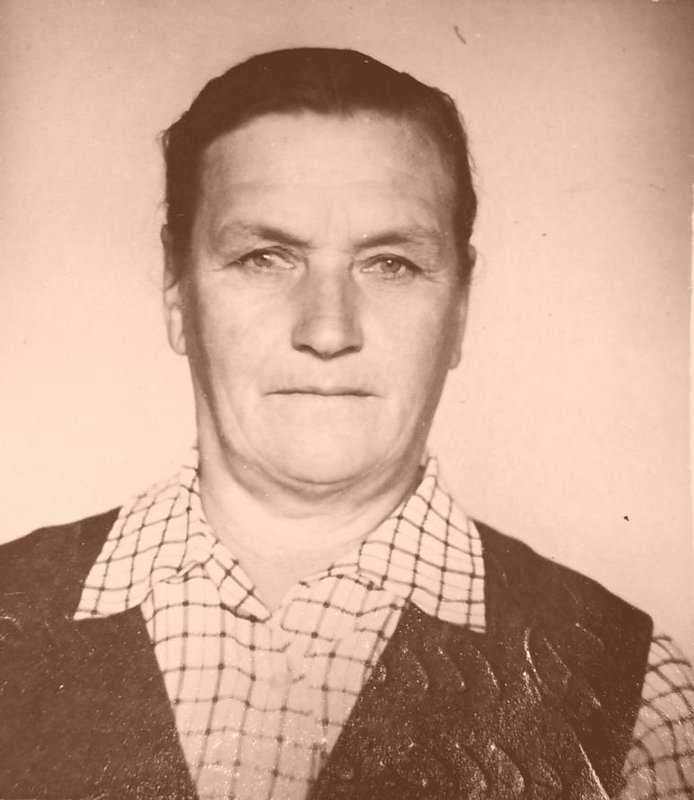


Zhebrikova Claudia Dmitrievna
Klavdia Dmitrievna was born in the village of Kluchiki, Sychevsky District, Smolensk Region. When the war started, Klavdia was 15 years old and graduated from the 7th grade of school. All men went to the front, there were women, old men and teenagers left. All the work went to them, because young women had small children. It was time to harvest and it was hard: there were no equipment and the army took almost all horses. Everyone harvested grain the way they could, grinded grain on millstones and baked cakes. The summer passed like this, and the Germans were walking without a stop. The German also stepped on their land: on October 13, 1941, they entered the village on motorcycles with their fascist flags. The Germans went to every house and took everything: warm clothes, food, all livestock, even it was immediately killed and taken away with them. Once, fascists saw a village boy wearing a helmet with a star on his head, so they pulled the helmet off his head with bayonets and pulled the whole thing apart into small pieces, and the boy was grabbed by the collar and was to be drowned in a well. But his mother was crawling on her knees and asked for mercy. And, a crowd of women defended him. The fact that the Germans had an interpreter helped and let the boy go. And then, for another week the Germans went, drove, carried all sorts of guns, placed defense near Sychyivka. It was their district town, about twenty kilometers from the village. Then battles began, the Germans began to attack and take the nearest cities. Villagers were digging trenches, because the shootings began. During the day they sat in the trenches, and spent the night at home. Frosts began. One night our guerrillas came to the village Klyuchiki, and the Germans had already made an ambush in the church, five kilometers from the village. When the Germans learned that the partisans had come to the village, they began to bomb around the village. Young people and those who could work at night were digging trenches. When they were bombed, they sat in trenches. But still many people were killed. So they lived till spring,until our army came. Everyone was asked to be evacuated, but there was nowhere to go. There were fights, everything burned: Smolensk, Vyazma, Rzhev. And on May 15 all people went into the depths of the forest with babies and small children. They built huts in the woods from fir trees, ate clover porridge and linden buds. And by May 20 Klyuchiki village was burnt almost completely. Nobody had hope to return home anymore. Everybody appeared to be surrounded, but soon soldiers came and told that they broke through the ring and there is an exit to Kalininskaya region. Klavdia Dmitrievna, together with her mother, brother, he was 10 years old and a seven-year-old sister, moved on her way to the Beloe junction station. At the station, they were to board a freight train and leave for Bologoye. But it didn’t happen - suddenly, planes flew in and the bombing started. They were hiding under the carriages, thank God, and survived. The whole railway was broken. Then, they walked for a long time, and then they got to Bologoye in our military car - the driver stopped and offered to help. They drove for a long time, because there were air raids, they had to leave the car and take cover. However, Klavdia Dmitrievna's family got to Bologoye and went to the people where there was a distribution of refugees. At first, they were sent to the south, but they asked to go to Yaroslavl region, as all their collective cattle was moved there, before the Germans came. In Yaroslavl, the district executive committee told them that their cattle was in Danilovsky Raion and they went there. They started to work at a collective farm and their life slowly began to get better. Klavdiya's father returned after the war on crutches, as his legs were broken. In 1951, Klavdiya Dmitrievna.
Zhebrikova Claudia Dmitrievna
Klavdia Dmitrievna was born in the village of Kluchiki, Sychevsky District, Smolensk Region. When the war started, Klavdia was 15 years old and graduated from the 7th grade of school. All men went to the front, there were women, old men and teenagers left. All the work went to them, because young women had small children. It was time to harvest and it was hard: there were no equipment and the army took almost all horses. Everyone harvested grain the way they could, grinded grain on millstones and baked cakes. The summer passed like this, and the Germans were walking without a stop. The German also stepped on their land: on October 13, 1941, they entered the village on motorcycles with their fascist flags. The Germans went to every house and took everything: warm clothes, food, all livestock, even it was immediately killed and taken away with them. Once, fascists saw a village boy wearing a helmet with a star on his head, so they pulled the helmet off his head with bayonets and pulled the whole thing apart into small pieces, and the boy was grabbed by the collar and was to be drowned in a well. But his mother was crawling on her knees and asked for mercy. And, a crowd of women defended him. The fact that the Germans had an interpreter helped and let the boy go. And then, for another week the Germans went, drove, carried all sorts of guns, placed defense near Sychyivka. It was their district town, about twenty kilometers from the village. Then battles began, the Germans began to attack and take the nearest cities. Villagers were digging trenches, because the shootings began. During the day they sat in the trenches, and spent the night at home. Frosts began. One night our guerrillas came to the village Klyuchiki, and the Germans had already made an ambush in the church, five kilometers from the village. When the Germans learned that the partisans had come to the village, they began to bomb around the village. Young people and those who could work at night were digging trenches. When they were bombed, they sat in trenches. But still many people were killed. So they lived till spring,until our army came. Everyone was asked to be evacuated, but there was nowhere to go. There were fights, everything burned: Smolensk, Vyazma, Rzhev. And on May 15 all people went into the depths of the forest with babies and small children. They built huts in the woods from fir trees, ate clover porridge and linden buds. And by May 20 Klyuchiki village was burnt almost completely. Nobody had hope to return home anymore. Everybody appeared to be surrounded, but soon soldiers came and told that they broke through the ring and there is an exit to Kalininskaya region. Klavdia Dmitrievna, together with her mother, brother, he was 10 years old and a seven-year-old sister, moved on her way to the Beloe junction station. At the station, they were to board a freight train and leave for Bologoye. But it didn’t happen - suddenly, planes flew in and the bombing started. They were hiding under the carriages, thank God, and survived. The whole railway was broken. Then, they walked for a long time, and then they got to Bologoye in our military car - the driver stopped and offered to help. They drove for a long time, because there were air raids, they had to leave the car and take cover. However, Klavdia Dmitrievna's family got to Bologoye and went to the people where there was a distribution of refugees. At first, they were sent to the south, but they asked to go to Yaroslavl region, as all their collective cattle was moved there, before the Germans came. In Yaroslavl, the district executive committee told them that their cattle was in Danilovsky Raion and they went there. They started to work at a collective farm and their life slowly began to get better. Klavdiya's father returned after the war on crutches, as his legs were broken. In 1951, Klavdiya Dmitrievna.
0 comment



2026 © Russian Military Historical Society Developed by Jetmix