Back to
album
album


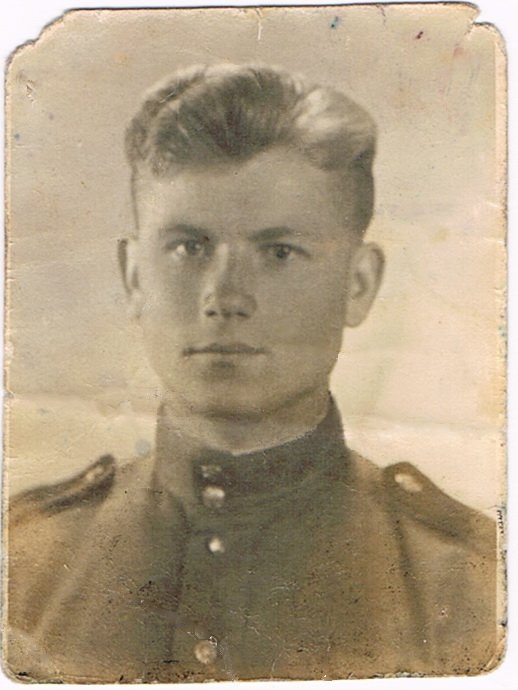
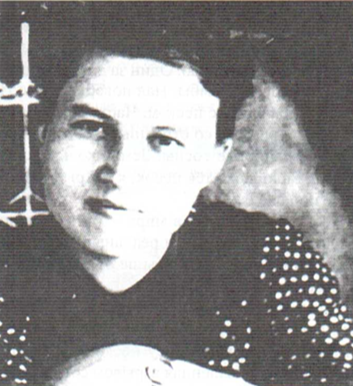


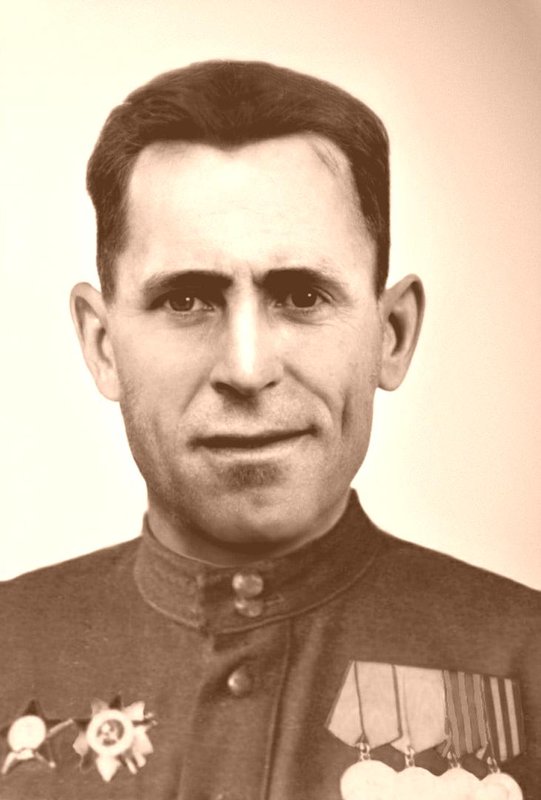


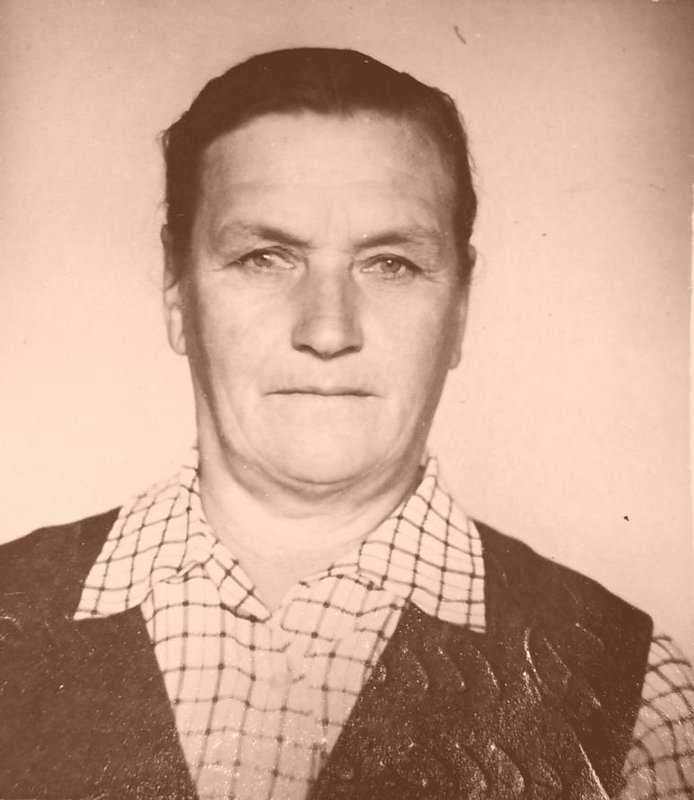

Zhirova Zinaida Alekseevna
There are no military documents left from Zinaida Alekseevna Zhirova, my mother, except a photo and her stories. Before the war, my mother lived in the village of Begeevo, Penza region. The war began in the morning after graduation party at school. The whole class immediately went to the military recruitment office to go to the front. Mom was assigned to a radio communications course. After the course, she was sent to work in Moscow at the Stalin (USSR leader) communications center with the fronts. Communication center was located in underground bunker near Kirovskaya metro station. The entrance to the bunker was located in the tunnel, where metro trains passed. She reached it by walking down a long escalator and walked straight on rails. When the train approached, she ran to special niches and pressed tight against the wall. The trains at the station did not stop and flew past un-lit platforms with great speed. The Kirovskaya station and the entrance to the bunker were guarded by the military. Mom worked as a communications officer in the bunker during the entire war. The work was secret; it was forbidden to tell where and who you worked as. Sometimes they would be given chocolates in rations (a ration - a set of products designed to feed the soldiers); mom would not eat them - she would put them in a suitcase to bring to her younger sisters and brother, who had been starving in the village during the entire war. During the war, Moscow was all dark, the lights in the streets were not switched on at night, and all windows were tightly curtained so that the bombers could not see the city. Air balloons were raised above the city, to protect against attack by diving and low-flying aircraft. At the beginning of the war, the city was bombed almost every night. As the planes approached, an air siren sounded and women, old people and children descended to the bomb shelter, while those on duty rose to the roofs and put out the incendiary bombs dropped from the planes. After the victory during the parade of our troops, all the enemy flags were thrown into a pile on Red Square near the Mausoleum and Nazi captives were carried through the city. After the war, my mother graduated from medical school and worked as a dentist all her life. Location: Begeevo village, Penza region. The village of Neverkino, Penza region, Moscow, Sursk, Penza obl., Maykop, Tuapse, Moscow.
Zhirova Zinaida Alekseevna
There are no military documents left from Zinaida Alekseevna Zhirova, my mother, except a photo and her stories. Before the war, my mother lived in the village of Begeevo, Penza region. The war began in the morning after graduation party at school. The whole class immediately went to the military recruitment office to go to the front. Mom was assigned to a radio communications course. After the course, she was sent to work in Moscow at the Stalin (USSR leader) communications center with the fronts. Communication center was located in underground bunker near Kirovskaya metro station. The entrance to the bunker was located in the tunnel, where metro trains passed. She reached it by walking down a long escalator and walked straight on rails. When the train approached, she ran to special niches and pressed tight against the wall. The trains at the station did not stop and flew past un-lit platforms with great speed. The Kirovskaya station and the entrance to the bunker were guarded by the military. Mom worked as a communications officer in the bunker during the entire war. The work was secret; it was forbidden to tell where and who you worked as. Sometimes they would be given chocolates in rations (a ration - a set of products designed to feed the soldiers); mom would not eat them - she would put them in a suitcase to bring to her younger sisters and brother, who had been starving in the village during the entire war. During the war, Moscow was all dark, the lights in the streets were not switched on at night, and all windows were tightly curtained so that the bombers could not see the city. Air balloons were raised above the city, to protect against attack by diving and low-flying aircraft. At the beginning of the war, the city was bombed almost every night. As the planes approached, an air siren sounded and women, old people and children descended to the bomb shelter, while those on duty rose to the roofs and put out the incendiary bombs dropped from the planes. After the victory during the parade of our troops, all the enemy flags were thrown into a pile on Red Square near the Mausoleum and Nazi captives were carried through the city. After the war, my mother graduated from medical school and worked as a dentist all her life. Location: Begeevo village, Penza region. The village of Neverkino, Penza region, Moscow, Sursk, Penza obl., Maykop, Tuapse, Moscow.
0 comment



2026 © Russian Military Historical Society Developed by Jetmix