Back to
album
album


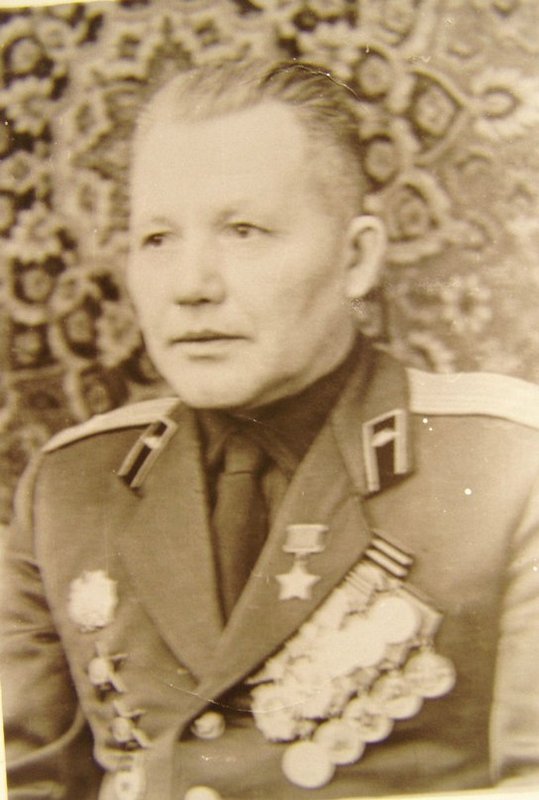
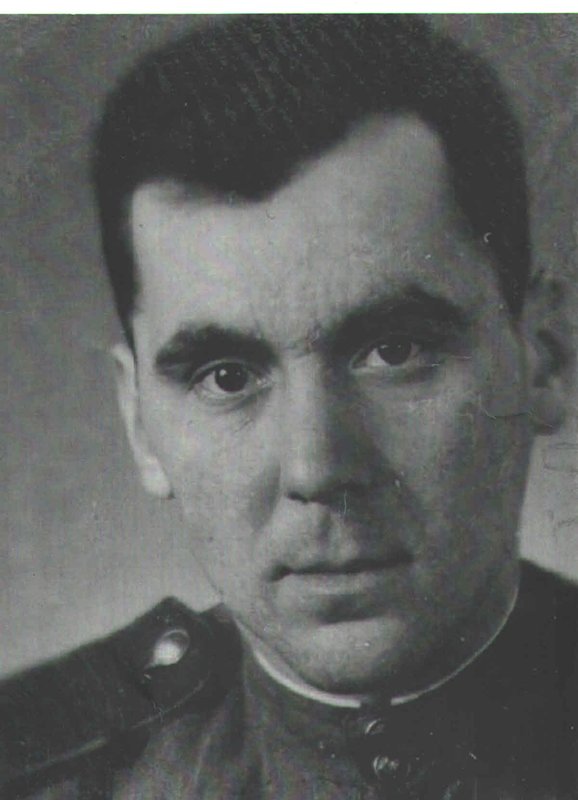
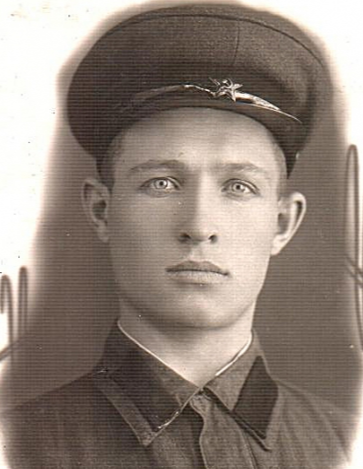
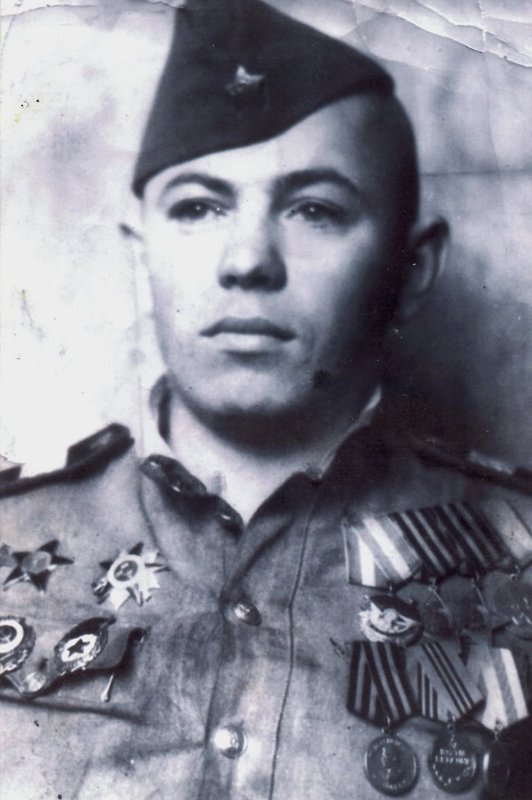

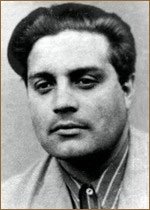
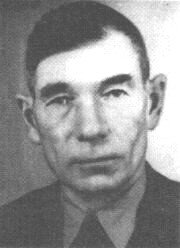
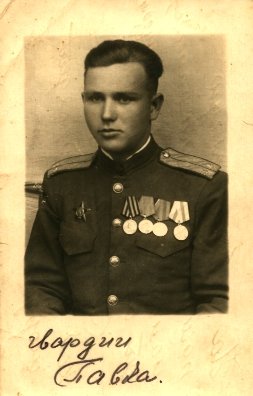
Zitarov Vasily Stepanovich
Zitarov Vasily Stepanovich Zitarov was born in Ishtuganovo village, Yumaguzinsky district, Bashkir ASSR in 1921. The family had four children. Vasily was the eldest. He looked after his younger sisters and brother. In 1932, the family moved to the city of Magnitogorsk. Vasily finished 7 grades of school, then entered the Magnitogorsk Pedagogical College. In technical school he was an active student and a Komsomol member. He was fond of chess, music, played well the balalaika, mandolin and clarinet. He had many friends. The family lived in a barracks. Lived amicably, there were many people in the barracks. They lived as one family. There were a lot of kids around and Vasya gladly studied with them and painted their portraits. After his successful graduation from the technical school, he was assigned to Sukhteli Raion, Chelyabinsk Oblast, to a rural school as a school director. But he did not have to work; in 1938, he was recruited into the Red Army. He was to return home in 1941, but he was sent to Arkhangelsk to the Artillery School (AARS) where junior officers were trained. After graduating from the school with the rank of Lieutenant, he was sent by the Commander of the artillery squad near Leningrad during the Leningrad blockade. During the breakthrough of the blockade of Leningrad in January 1943, his 256th rifle division went on the offensive, on January 12, 1943, in the area between Lipki and Gaitolovo, from the area south of Rabochy settlement No. 8, with the 327th Division on the left and 372nd Division on the right. 14.01.1943 they captured the station Podgornaya and started fighting on the outskirts of Sinyavino, overcoming the ice covered shafts. On 15.01.1943 they seized the Sinyavino station. In February 1943, as a Commander of a sniper company 422nd sniper battalion 256ID was presented to the award: a medal "For Courage". Here is a description of his feat from the award list: "Lieutenant Zitarov led the work on mining the right flank of the BOU. He did not leave the place of work of mining for six nights. Under his leadership, a local system of fences was created. While providing approaches through minefields, the company lost the commander and part of the soldiers. Zitarov with two soldiers in extremely difficult conditions, with their courage and perseverance, ensured timely readiness on the right flank of the passes. Zitarov was wounded by a fascist bullet at the same place of work. "Zitarov was in the field hospital for about a month. In July 1943, during the Mga operation, he stormed a heavily fortified height of the "Forest", the company suffered heavy losses, it was assigned to replenishing and staffing. In August 1943, the division fought for the Porechensky fortified junction. As a result of the Mghinskaya operation, the Soviet troops slightly merged into the enemy's defense. The enemy suffered heavy losses, especially from artillery fire and air strikes. The German troops moved all their reserves and significant forces from other parts of the front to Mghinskoye. The Soviet troops failed to defeat the enemy's Mghinsko-Sinyavinskaya group, free the Kirovskaya railway and provide Leningrad with a strong railway link to the country. However, the main goal of the operation was achieved. The enemy was significantly weakened. Vasily Zitarov died in action on 12.08.1943. He was only 24 years old. Eternal memory to Lieutenant Zitarov Vasily Stepanovich, the defender of the country. He was buried in a common grave. (Leningrad region, Mginsky district, village Mishkino, in the area, the ruins of the village Khandrovo) . There is a memorial Plate at the monument "Back to Front" in the city of Magnitogorsk. ***There are no crosses on mass graves. And there are no widows crying. Someone brings a bouquet of flowers to them and lights up the Eternal Flame. Here previously stood the ground on its rares, and now – only granite slabs. There is no single personal destiny - all destinies are merged into one. And in the Eternal Flame you see a tank burst into flames, burning Russian huts, Burning Smolensk and burning Reichstag, Burning heart of a soldier. There are no widows crying by mass graves - stronger people come here. There are no crosses on mass graves, but is it easier? (V. Vysotsky) Battle Way. Fell, breaking the siege of Leningrad 12.08.1943 in battle, during the Mga operation.
Zitarov Vasily Stepanovich
Zitarov Vasily Stepanovich Zitarov was born in Ishtuganovo village, Yumaguzinsky district, Bashkir ASSR in 1921. The family had four children. Vasily was the eldest. He looked after his younger sisters and brother. In 1932, the family moved to the city of Magnitogorsk. Vasily finished 7 grades of school, then entered the Magnitogorsk Pedagogical College. In technical school he was an active student and a Komsomol member. He was fond of chess, music, played well the balalaika, mandolin and clarinet. He had many friends. The family lived in a barracks. Lived amicably, there were many people in the barracks. They lived as one family. There were a lot of kids around and Vasya gladly studied with them and painted their portraits. After his successful graduation from the technical school, he was assigned to Sukhteli Raion, Chelyabinsk Oblast, to a rural school as a school director. But he did not have to work; in 1938, he was recruited into the Red Army. He was to return home in 1941, but he was sent to Arkhangelsk to the Artillery School (AARS) where junior officers were trained. After graduating from the school with the rank of Lieutenant, he was sent by the Commander of the artillery squad near Leningrad during the Leningrad blockade. During the breakthrough of the blockade of Leningrad in January 1943, his 256th rifle division went on the offensive, on January 12, 1943, in the area between Lipki and Gaitolovo, from the area south of Rabochy settlement No. 8, with the 327th Division on the left and 372nd Division on the right. 14.01.1943 they captured the station Podgornaya and started fighting on the outskirts of Sinyavino, overcoming the ice covered shafts. On 15.01.1943 they seized the Sinyavino station. In February 1943, as a Commander of a sniper company 422nd sniper battalion 256ID was presented to the award: a medal "For Courage". Here is a description of his feat from the award list: "Lieutenant Zitarov led the work on mining the right flank of the BOU. He did not leave the place of work of mining for six nights. Under his leadership, a local system of fences was created. While providing approaches through minefields, the company lost the commander and part of the soldiers. Zitarov with two soldiers in extremely difficult conditions, with their courage and perseverance, ensured timely readiness on the right flank of the passes. Zitarov was wounded by a fascist bullet at the same place of work. "Zitarov was in the field hospital for about a month. In July 1943, during the Mga operation, he stormed a heavily fortified height of the "Forest", the company suffered heavy losses, it was assigned to replenishing and staffing. In August 1943, the division fought for the Porechensky fortified junction. As a result of the Mghinskaya operation, the Soviet troops slightly merged into the enemy's defense. The enemy suffered heavy losses, especially from artillery fire and air strikes. The German troops moved all their reserves and significant forces from other parts of the front to Mghinskoye. The Soviet troops failed to defeat the enemy's Mghinsko-Sinyavinskaya group, free the Kirovskaya railway and provide Leningrad with a strong railway link to the country. However, the main goal of the operation was achieved. The enemy was significantly weakened. Vasily Zitarov died in action on 12.08.1943. He was only 24 years old. Eternal memory to Lieutenant Zitarov Vasily Stepanovich, the defender of the country. He was buried in a common grave. (Leningrad region, Mginsky district, village Mishkino, in the area, the ruins of the village Khandrovo) . There is a memorial Plate at the monument "Back to Front" in the city of Magnitogorsk. ***There are no crosses on mass graves. And there are no widows crying. Someone brings a bouquet of flowers to them and lights up the Eternal Flame. Here previously stood the ground on its rares, and now – only granite slabs. There is no single personal destiny - all destinies are merged into one. And in the Eternal Flame you see a tank burst into flames, burning Russian huts, Burning Smolensk and burning Reichstag, Burning heart of a soldier. There are no widows crying by mass graves - stronger people come here. There are no crosses on mass graves, but is it easier? (V. Vysotsky) Battle Way. Fell, breaking the siege of Leningrad 12.08.1943 in battle, during the Mga operation.
0 comment




2026 © Russian Military Historical Society Developed by Jetmix