Back to
album
album


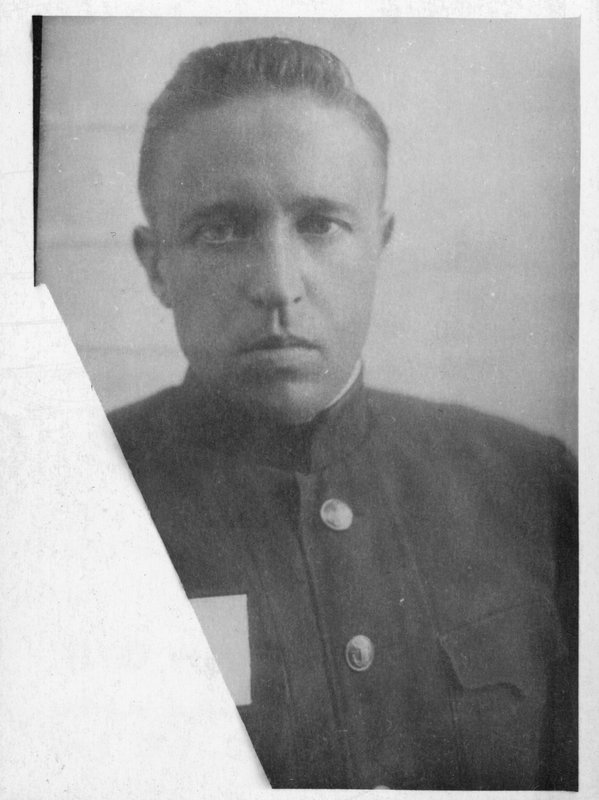


Khodyrev Mikhail Afanasevich
Rank: Red Army. Type of troops: artillery. Subdivision: 109th Infantry Leningrad Red Banner Division. Leningrad strategic defensive operation (1941). By the beginning of the operation, the 8th Army was entrusted with the task of defending the line from the Baltic Sea to Lake Peipsi with a length of up to 225 kilometers, and in addition, 250 kilometers of the coast and islands of the Moonsund archipelago. The army had only six rifle divisions and one rifle brigade that had suffered losses in previous battles. From the area south of Türi and a little short of the coast of the Baltic Sea, the positions were occupied by the remnants of the 10th rifle corps in the form of the 10th rifle division and the 22nd motorized rifle division of the NKVD. In the coastal strip north of Pärnu, 30-40 kilometers wide, there were no troops at all, except for the border units that had withdrawn from Pärnu and small detachments of the militia. Further to the southeast along the Emajõgi River from Inesuu to Weybri the remnants of the 125th Infantry Division occupied positions, from Weybri to the shore of Lake Peipsi - the remnants of the 48th Infantry Division. The German command clearly underestimated the capabilities of the 8th Army to resist and launched an offensive with only two divisions (61st and 217th), as well as part of the forces of the 1st Army Corps. On July 8, 1941, German troops tried to break through the army's defenses on the Emajõgi line in the 11th Rifle Corps' zone, but the attack was repulsed. On the same day, German troops launched an offensive on Viljandi, broke through the defense of army units and occupied the city, but could not advance further. The breakthrough was stopped 17 kilometers north of the city by the forces of the 22nd motorized rifle division of the NKVD and the reserve 11th rifle division without one regiment, but the most difficult situation in the army zone was north of Pärnu. The advance units of the 217th Infantry Division broke through the fragile defense of the army and began to develop an offensive against Audru, Tallinn and Türi, by the evening of July 9, 1941, having covered half the distance from Pärnu to Tallinn. The 8th Army organized a counterattack with the last reserves, in which the remnants of the 10th Infantry Division, the fresh 16th Infantry Division, border guards and detachments of the people's militia took part. From July 9 to 15, 1941, the army fights at the breakthrough site, in the Maryamaa area, as a result of which the German troops were thrown back 30 kilometers. After that, the front line relatively stabilized for some time. On July 15, 1941, the 61st Infantry Division attempted to strike at the junction of the 10th and 11th Infantry Corps in the direction of Põltsamaa, but had no success. On July 14, the army was transferred to the Northern Front. On July 18, 1941, the German offensive was suspended. For the purpose of capturing Estonia, three divisions (291st, 93rd and 207th security divisions) were transferred to the 8th Army's zone of operations; control of the 42nd Army Corps. German troops again launched an offensive on parts of the 8th Army on July 22, 1941. The blow was delivered in the Põltsamaa - Türi sector at the junction of the Soviet 10th and 11th rifle corps and developed in two directions: towards the Gulf of Finland through Türi and on Mustvee. The main blow was aimed at cutting the 8th Army with the isolation of Tallinn, the second blow was aimed at reaching the northwestern coast of Lake Peipsi, cutting off the 11th rifle corps. On July 25, 1941, German troops completed the task of an auxiliary strike, cutting off and pressing the 11th rifle corps to the shore of Lake Peipsi. The 8th Army, with the forces of two regiments of the 16th Infantry Division, tried to launch a counterattack on Mustvee, which was unsuccessful. The 11th Rifle Corps, after a few (about 3000 demoralized fighters who left the encirclement), was destroyed. Its remnants and units of the 8th Army that retreated to the east subsequently organized defense from Lake Peipsi in the Mustvee area to the Gulf of Finland slightly east of Kunda In the direction of the main attack (the 61st Infantry Division took Tyuri on July 24, 1941, which was repulsed by a counterattack by the 98th Infantry Regiment of the 10th Rifle Division, 22nd Motorized Rifle Division of the NKVD, and the 1st Latvian Workers' Regiment and again abandoned Türi on July 25, 1941. German troops regrouped, shifting their efforts to the northeast. On July 31, 1941, German units broke through to Tamsalu station, moving on Rakvere.On August 4, 1941, the enemy took Tapa, cutting off the Tallinn-Leningrad highway, on August 6, 1941, went to Kadrina, on August 7, 1941, captured Rakvere and broke through to Kunda to the Gulf of Finland, thereby cutting off Estonia. 8 Thus, after reaching the gulf, the enemy deployed its units in opposite directions: leaving the regiment of the 207th security division for coastal defense, 26 The 1st Army Corps deployed to operate against part of the 8th Army towards Narva, and the 42nd Army Corps against another part of the 8th Army towards Tallinn. On August 8, 1941, units of the 8th Army inflict counterattacks from two sides: from the east and west, in order to combine their units, encircle and destroy the enemy units that had broken through to the gulf. The 156th Rifle Regiment of the 16th Rifle Division, the Latvian Regiment of the 10th Rifle Division and units of the 22nd NKVD Motorized Rifle Division, which were advancing from the west, supported by two gunboats, a battery of 130-mm guns and Air Force aircraft, advanced from 12 to 22 kilometers, and advanced units even further. However, the 291st and 93rd Infantry Divisions attacked east of Kunda on the morning of 8 August 1941. Soviet troops were forced to leave Jõhvi and start retreating along the railway to Narva. The gap between the units of the 8th Army increased to 80 kilometers and the counterattack was stopped. Eternal Glory and Memory to the heroes who broke the "backbone" of the Nazis.
Khodyrev Mikhail Afanasevich
Rank: Red Army. Type of troops: artillery. Subdivision: 109th Infantry Leningrad Red Banner Division. Leningrad strategic defensive operation (1941). By the beginning of the operation, the 8th Army was entrusted with the task of defending the line from the Baltic Sea to Lake Peipsi with a length of up to 225 kilometers, and in addition, 250 kilometers of the coast and islands of the Moonsund archipelago. The army had only six rifle divisions and one rifle brigade that had suffered losses in previous battles. From the area south of Türi and a little short of the coast of the Baltic Sea, the positions were occupied by the remnants of the 10th rifle corps in the form of the 10th rifle division and the 22nd motorized rifle division of the NKVD. In the coastal strip north of Pärnu, 30-40 kilometers wide, there were no troops at all, except for the border units that had withdrawn from Pärnu and small detachments of the militia. Further to the southeast along the Emajõgi River from Inesuu to Weybri the remnants of the 125th Infantry Division occupied positions, from Weybri to the shore of Lake Peipsi - the remnants of the 48th Infantry Division. The German command clearly underestimated the capabilities of the 8th Army to resist and launched an offensive with only two divisions (61st and 217th), as well as part of the forces of the 1st Army Corps. On July 8, 1941, German troops tried to break through the army's defenses on the Emajõgi line in the 11th Rifle Corps' zone, but the attack was repulsed. On the same day, German troops launched an offensive on Viljandi, broke through the defense of army units and occupied the city, but could not advance further. The breakthrough was stopped 17 kilometers north of the city by the forces of the 22nd motorized rifle division of the NKVD and the reserve 11th rifle division without one regiment, but the most difficult situation in the army zone was north of Pärnu. The advance units of the 217th Infantry Division broke through the fragile defense of the army and began to develop an offensive against Audru, Tallinn and Türi, by the evening of July 9, 1941, having covered half the distance from Pärnu to Tallinn. The 8th Army organized a counterattack with the last reserves, in which the remnants of the 10th Infantry Division, the fresh 16th Infantry Division, border guards and detachments of the people's militia took part. From July 9 to 15, 1941, the army fights at the breakthrough site, in the Maryamaa area, as a result of which the German troops were thrown back 30 kilometers. After that, the front line relatively stabilized for some time. On July 15, 1941, the 61st Infantry Division attempted to strike at the junction of the 10th and 11th Infantry Corps in the direction of Põltsamaa, but had no success. On July 14, the army was transferred to the Northern Front. On July 18, 1941, the German offensive was suspended. For the purpose of capturing Estonia, three divisions (291st, 93rd and 207th security divisions) were transferred to the 8th Army's zone of operations; control of the 42nd Army Corps. German troops again launched an offensive on parts of the 8th Army on July 22, 1941. The blow was delivered in the Põltsamaa - Türi sector at the junction of the Soviet 10th and 11th rifle corps and developed in two directions: towards the Gulf of Finland through Türi and on Mustvee. The main blow was aimed at cutting the 8th Army with the isolation of Tallinn, the second blow was aimed at reaching the northwestern coast of Lake Peipsi, cutting off the 11th rifle corps. On July 25, 1941, German troops completed the task of an auxiliary strike, cutting off and pressing the 11th rifle corps to the shore of Lake Peipsi. The 8th Army, with the forces of two regiments of the 16th Infantry Division, tried to launch a counterattack on Mustvee, which was unsuccessful. The 11th Rifle Corps, after a few (about 3000 demoralized fighters who left the encirclement), was destroyed. Its remnants and units of the 8th Army that retreated to the east subsequently organized defense from Lake Peipsi in the Mustvee area to the Gulf of Finland slightly east of Kunda In the direction of the main attack (the 61st Infantry Division took Tyuri on July 24, 1941, which was repulsed by a counterattack by the 98th Infantry Regiment of the 10th Rifle Division, 22nd Motorized Rifle Division of the NKVD, and the 1st Latvian Workers' Regiment and again abandoned Türi on July 25, 1941. German troops regrouped, shifting their efforts to the northeast. On July 31, 1941, German units broke through to Tamsalu station, moving on Rakvere.On August 4, 1941, the enemy took Tapa, cutting off the Tallinn-Leningrad highway, on August 6, 1941, went to Kadrina, on August 7, 1941, captured Rakvere and broke through to Kunda to the Gulf of Finland, thereby cutting off Estonia. 8 Thus, after reaching the gulf, the enemy deployed its units in opposite directions: leaving the regiment of the 207th security division for coastal defense, 26 The 1st Army Corps deployed to operate against part of the 8th Army towards Narva, and the 42nd Army Corps against another part of the 8th Army towards Tallinn. On August 8, 1941, units of the 8th Army inflict counterattacks from two sides: from the east and west, in order to combine their units, encircle and destroy the enemy units that had broken through to the gulf. The 156th Rifle Regiment of the 16th Rifle Division, the Latvian Regiment of the 10th Rifle Division and units of the 22nd NKVD Motorized Rifle Division, which were advancing from the west, supported by two gunboats, a battery of 130-mm guns and Air Force aircraft, advanced from 12 to 22 kilometers, and advanced units even further. However, the 291st and 93rd Infantry Divisions attacked east of Kunda on the morning of 8 August 1941. Soviet troops were forced to leave Jõhvi and start retreating along the railway to Narva. The gap between the units of the 8th Army increased to 80 kilometers and the counterattack was stopped. Eternal Glory and Memory to the heroes who broke the "backbone" of the Nazis.
0 comment



2026 © Russian Military Historical Society Developed by Jetmix