Back to
album
album
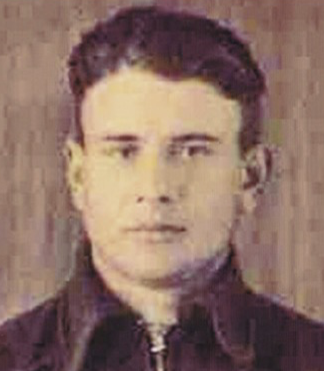
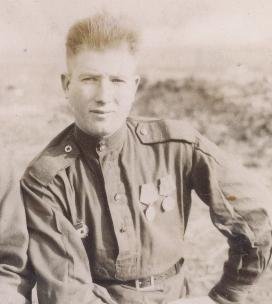
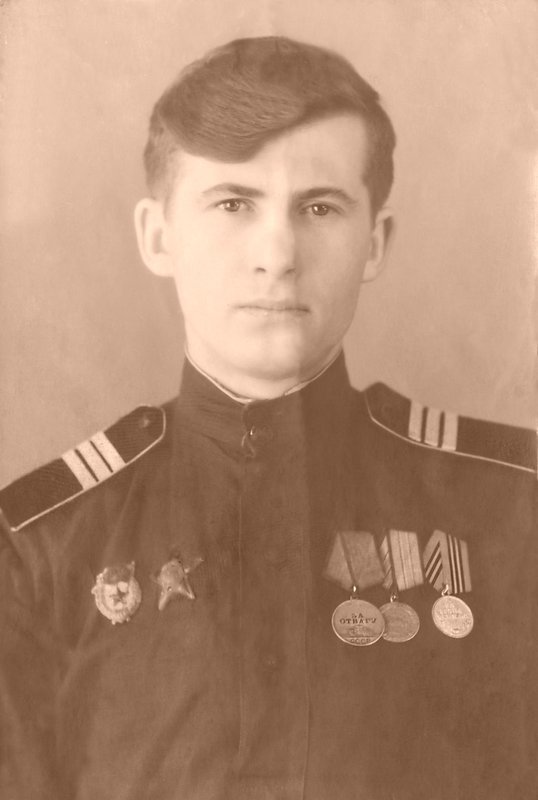


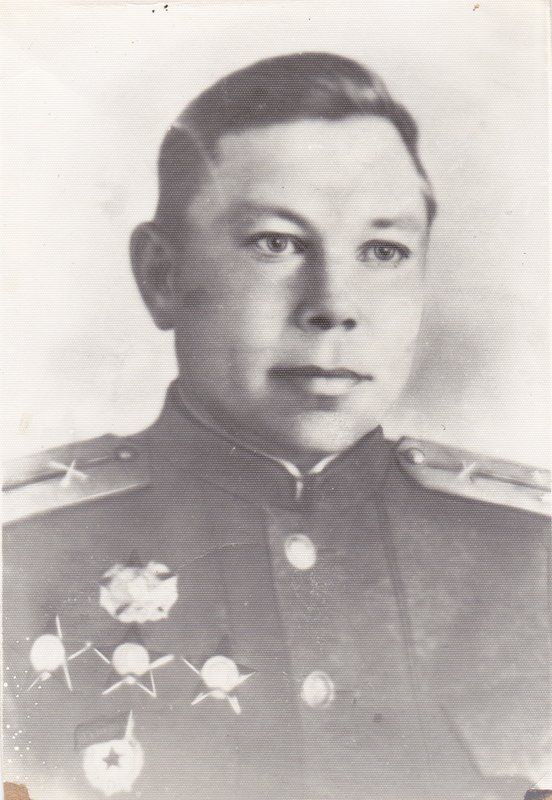


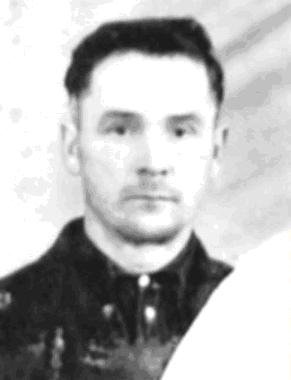

Barabash Raisa Alekseevna
My great-grandmother was a participant in the war, her name was Barabash Raisa Alekseevna, she was born on November 2, 1923 in a large family. Granny has always been an example for our family and for her sisters. She graduated from the 7th grade and entered the Kushchevsky school as a veterinarian. But the war began, and her studies were interrupted, she had to return home, to Ekaterinovskaya (now Krylovskaya). Here she collected various information, reports in the trenches and transmitted to other villages and nearby farms. She carried all this information herself, on foot, sometimes the distances were several tens of kilometers! As a 19-year-old girl, my grandmother received a summon and was drafted into military service. In 1944, she was sent to Krasnodar, where a medical examination was passed. Then, to Novocherkassk for the courses of a young fighter. There, she and many other girls were taught to walk with a marching step, crawl on their bellies and handle weapons. Then she was sent to the Kharkov 90th anti-aircraft regiment. There she was already trained as an anti-aircraft gunner. The most vivid memory associated with this place is the parade, which was received by the regiment commander: the soldiers marched with a marching step with the song "Get up, the country is huge", and the grandmother was the lead singer. By the way, she was very fond of singing, even when disassembling weapons. And one spring she and her friends were walking along the Dnieper River with the song "Oh, Dnieper, Dnieper, you are wide, powerful" and fell through the ice. Fortunately, no one was hurt and nothing happened. My grandmother said that once the commander asked her: "You are probably from Poltava?" And she replied: "No, I am from the Kuban, I am Russian." So they began to call her "Russian". From Kharkov, with the rank of junior sergeant, my grandmother was sent to Kremenchug in 1870, an anti-aircraft artillery regiment, to battery number 2. She said: “There were a lot of us, girls from Penza, Novosibirsk, Krymsk, and I still remember all of them. It was not easy for us: we carried the tools on ourselves, lived in dugouts ... And in 44 the winter was very snowy, and there was water in our dugouts. We constantly had to carry a weapon with us, because from time to time Bendera's men attacked ... And soon there, in the Ukraine, we met victory. " The grandmother died in 2014, at the age of 92. She had many medals and orders, post-war photographs, and even had a whole box of letters and congratulations. She kept all this as a memory of the years gone by. Every year we went with her to a rally on May 9, where she held the honorary place of a war veteran. We were often visited by guests from the district administration, correspondents of the local newspaper. We still have all the newspapers at home where interviews, photographs and congratulations were printed. Now I take part in the Immortal Regiment action and proudly carry a portrait of my beloved grandmother.
Barabash Raisa Alekseevna
My great-grandmother was a participant in the war, her name was Barabash Raisa Alekseevna, she was born on November 2, 1923 in a large family. Granny has always been an example for our family and for her sisters. She graduated from the 7th grade and entered the Kushchevsky school as a veterinarian. But the war began, and her studies were interrupted, she had to return home, to Ekaterinovskaya (now Krylovskaya). Here she collected various information, reports in the trenches and transmitted to other villages and nearby farms. She carried all this information herself, on foot, sometimes the distances were several tens of kilometers! As a 19-year-old girl, my grandmother received a summon and was drafted into military service. In 1944, she was sent to Krasnodar, where a medical examination was passed. Then, to Novocherkassk for the courses of a young fighter. There, she and many other girls were taught to walk with a marching step, crawl on their bellies and handle weapons. Then she was sent to the Kharkov 90th anti-aircraft regiment. There she was already trained as an anti-aircraft gunner. The most vivid memory associated with this place is the parade, which was received by the regiment commander: the soldiers marched with a marching step with the song "Get up, the country is huge", and the grandmother was the lead singer. By the way, she was very fond of singing, even when disassembling weapons. And one spring she and her friends were walking along the Dnieper River with the song "Oh, Dnieper, Dnieper, you are wide, powerful" and fell through the ice. Fortunately, no one was hurt and nothing happened. My grandmother said that once the commander asked her: "You are probably from Poltava?" And she replied: "No, I am from the Kuban, I am Russian." So they began to call her "Russian". From Kharkov, with the rank of junior sergeant, my grandmother was sent to Kremenchug in 1870, an anti-aircraft artillery regiment, to battery number 2. She said: “There were a lot of us, girls from Penza, Novosibirsk, Krymsk, and I still remember all of them. It was not easy for us: we carried the tools on ourselves, lived in dugouts ... And in 44 the winter was very snowy, and there was water in our dugouts. We constantly had to carry a weapon with us, because from time to time Bendera's men attacked ... And soon there, in the Ukraine, we met victory. " The grandmother died in 2014, at the age of 92. She had many medals and orders, post-war photographs, and even had a whole box of letters and congratulations. She kept all this as a memory of the years gone by. Every year we went with her to a rally on May 9, where she held the honorary place of a war veteran. We were often visited by guests from the district administration, correspondents of the local newspaper. We still have all the newspapers at home where interviews, photographs and congratulations were printed. Now I take part in the Immortal Regiment action and proudly carry a portrait of my beloved grandmother.
0 comment



2026 © Russian Military Historical Society Developed by Jetmix