Back to
album
album







Sukhorukov, Nikolay Yakovlevich
Title: Red Army Soldier. Branch of troops: Artillery. _x000D_
The Great Patriotic War left its record in our family. I want to tell you about my great-grandfather, on the line of my mother, Nikolai Yakovlevich Sukhorukov. He was born in 1913 in the village of Dmitrovka, Voronezh Region. His parents, Yakov Nikolaevich Sukhorukov and Ekaterina Dmitrievna, raised five children. In 1939, my great-grandfather married Antonina Dmitrievna Sukhorukova (Myazina). In 1940 my grandfather Viktor Nikolaevich Sukhorukov was born. This is what my grandfather told my mother, my mother told me. _x000D_
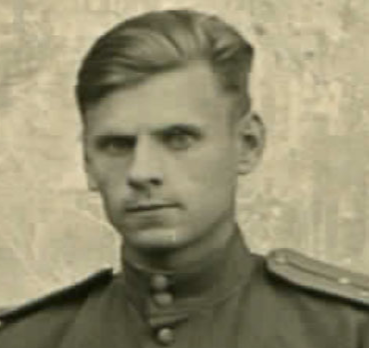
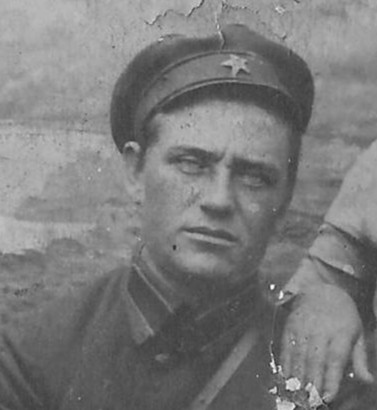
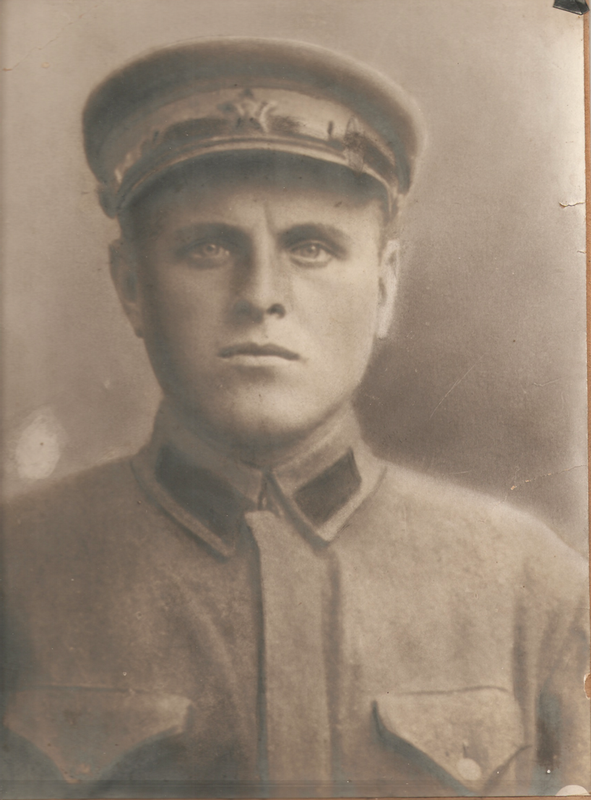
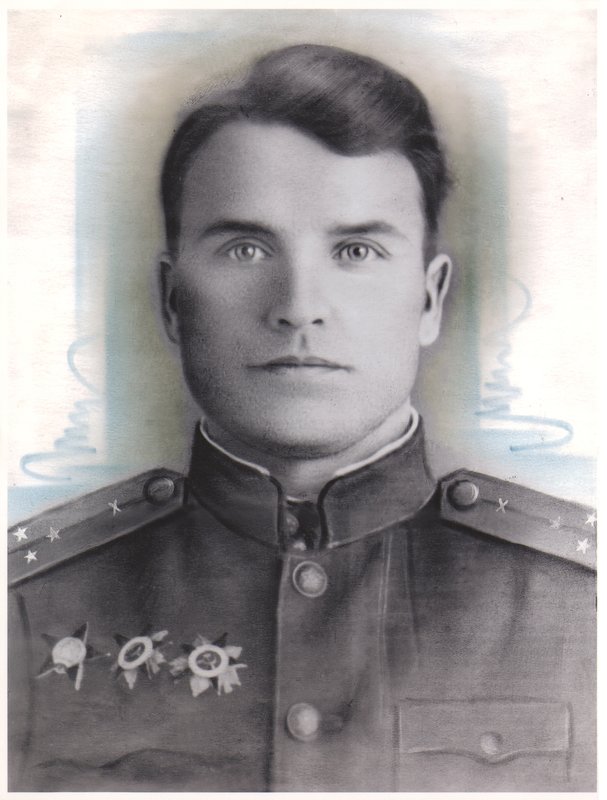
“When the war started, I was 1 year old. By that time, my grandfather and his parents moved to the village of Makeevka near Donbas. Great-grandfather often traveled to the city and brought various gifts to his grandfather. Life ran smoothly, no one then thought that one day the peace would come to an end. My grandfather told me that this war burst into our lives like a storm, destroying everything, crippling millions of destinies. Many of our fellow villagers were called to the front. And in the very first year, our father was drafted into the army. The only memory left about my great-grandfather is his portrait ”. Mom showed me a portrait the size of an album sheet with my great-grandfather on it. I knew the life story of my great-grandfather for a long time, but I saw his portrait for the first time. From the portrait, the eyes of a man looked at me, whose whole life was continuous grief. He started a family, built a house, was a caring husband and father. It seemed to him that life was getting better, but the outbreak of war destroyed his plans and life.. _x000D_
My great-grandfather volunteered for the front. In 1941 he took part in the Crimean operation as part of the 64th Artillery Regiment, and then in the 112th Artillery Regiment. His military unit was located in Labinsk, Krasnodar Territory. On November 10, 1941, he was found in entrapment. In the area of the city of Stary Crimea, Nikolai Yakovlevich and another soldier were sent to reconnaissance. His comrade was killed, and Sukhorukov was taken prisoner. There he experienced all the hardships and torments of the concentration camp. The captured soldiers, hungry, exhausted by overwork, died every day. For any soldier, war is hard work associated with the risk of losing his life every second. The only thing that helps him maintain a healthy psyche and endure hardships is a weapon in the hands and shoulder of a friend. _x000D_
But what happens to a soldier when the enemy captures him? To physical suffering and imprisonment are added severe psychological pressure from the enemy, a conflict between a sense of duty and an elementary human desire to survive. _x000D_
The beginning of captivity was in a concentration camp in the city of Dzhankoy in the Crimea, then Bobruisk in Belarus from November 11, 1941 to February 16, 1942. On February 16, 1942, he was taken to Germany to the city of Hamburg as a prisoner of war. _x000D_
He was released by American forces. On 05/10/1945 he was sent by a group train to Grodno. From 1945 to 1946 he served in the city of Grodno in the commandant's office. In 1946, my great-grandfather returned home to the Krasnodar Territory. In 1947, the family moved to the Ilyinskaya stanitsa of the Grozny Region in Checheno-Ingushetia. And on December 28, 1960, Sukhorukov N.Ya. died of a malignant stomach tumor. Ekaterina Lyashova
Sukhorukov, Nikolay Yakovlevich
Title: Red Army Soldier. Branch of troops: Artillery. _x000D_
The Great Patriotic War left its record in our family. I want to tell you about my great-grandfather, on the line of my mother, Nikolai Yakovlevich Sukhorukov. He was born in 1913 in the village of Dmitrovka, Voronezh Region. His parents, Yakov Nikolaevich Sukhorukov and Ekaterina Dmitrievna, raised five children. In 1939, my great-grandfather married Antonina Dmitrievna Sukhorukova (Myazina). In 1940 my grandfather Viktor Nikolaevich Sukhorukov was born. This is what my grandfather told my mother, my mother told me. _x000D_
“When the war started, I was 1 year old. By that time, my grandfather and his parents moved to the village of Makeevka near Donbas. Great-grandfather often traveled to the city and brought various gifts to his grandfather. Life ran smoothly, no one then thought that one day the peace would come to an end. My grandfather told me that this war burst into our lives like a storm, destroying everything, crippling millions of destinies. Many of our fellow villagers were called to the front. And in the very first year, our father was drafted into the army. The only memory left about my great-grandfather is his portrait ”. Mom showed me a portrait the size of an album sheet with my great-grandfather on it. I knew the life story of my great-grandfather for a long time, but I saw his portrait for the first time. From the portrait, the eyes of a man looked at me, whose whole life was continuous grief. He started a family, built a house, was a caring husband and father. It seemed to him that life was getting better, but the outbreak of war destroyed his plans and life.. _x000D_
My great-grandfather volunteered for the front. In 1941 he took part in the Crimean operation as part of the 64th Artillery Regiment, and then in the 112th Artillery Regiment. His military unit was located in Labinsk, Krasnodar Territory. On November 10, 1941, he was found in entrapment. In the area of the city of Stary Crimea, Nikolai Yakovlevich and another soldier were sent to reconnaissance. His comrade was killed, and Sukhorukov was taken prisoner. There he experienced all the hardships and torments of the concentration camp. The captured soldiers, hungry, exhausted by overwork, died every day. For any soldier, war is hard work associated with the risk of losing his life every second. The only thing that helps him maintain a healthy psyche and endure hardships is a weapon in the hands and shoulder of a friend. _x000D_
But what happens to a soldier when the enemy captures him? To physical suffering and imprisonment are added severe psychological pressure from the enemy, a conflict between a sense of duty and an elementary human desire to survive. _x000D_
The beginning of captivity was in a concentration camp in the city of Dzhankoy in the Crimea, then Bobruisk in Belarus from November 11, 1941 to February 16, 1942. On February 16, 1942, he was taken to Germany to the city of Hamburg as a prisoner of war. _x000D_
He was released by American forces. On 05/10/1945 he was sent by a group train to Grodno. From 1945 to 1946 he served in the city of Grodno in the commandant's office. In 1946, my great-grandfather returned home to the Krasnodar Territory. In 1947, the family moved to the Ilyinskaya stanitsa of the Grozny Region in Checheno-Ingushetia. And on December 28, 1960, Sukhorukov N.Ya. died of a malignant stomach tumor. Ekaterina Lyashova
0 comment




2026 © Russian Military Historical Society Developed by Jetmix