Back to
album
album
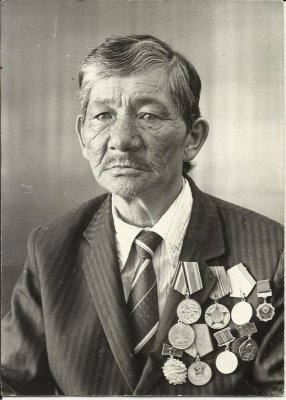

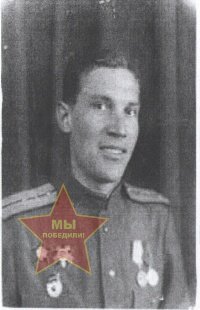
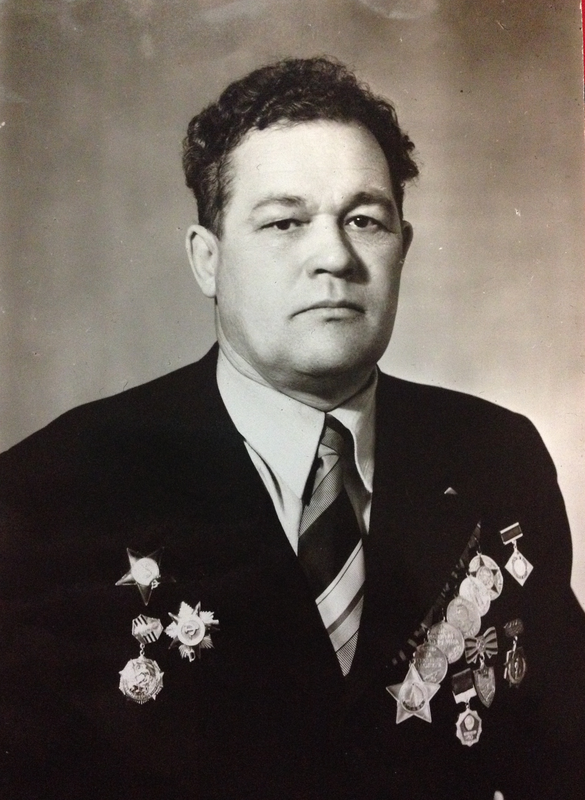
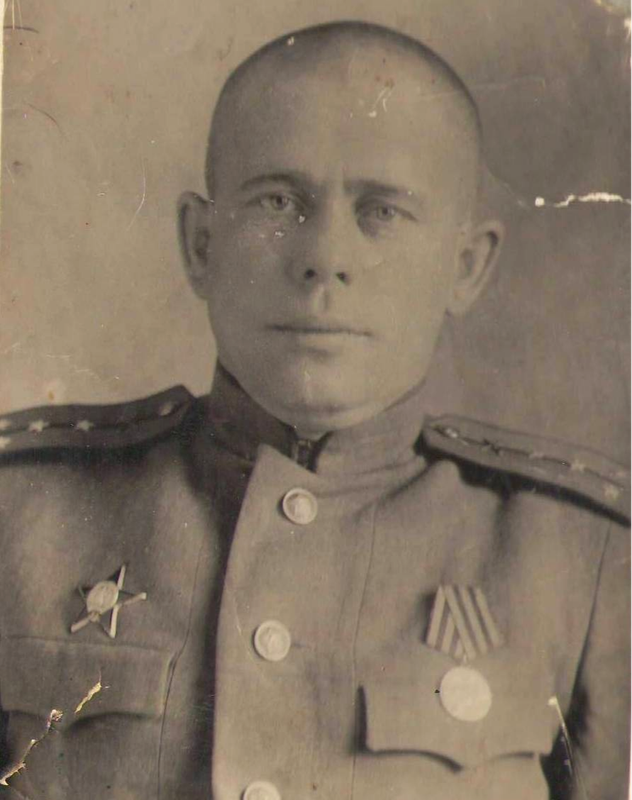
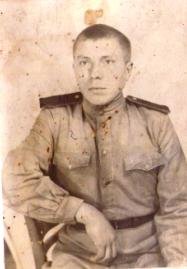
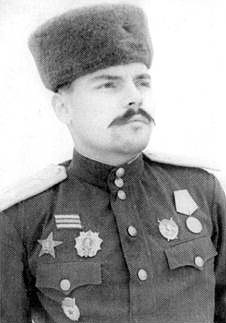
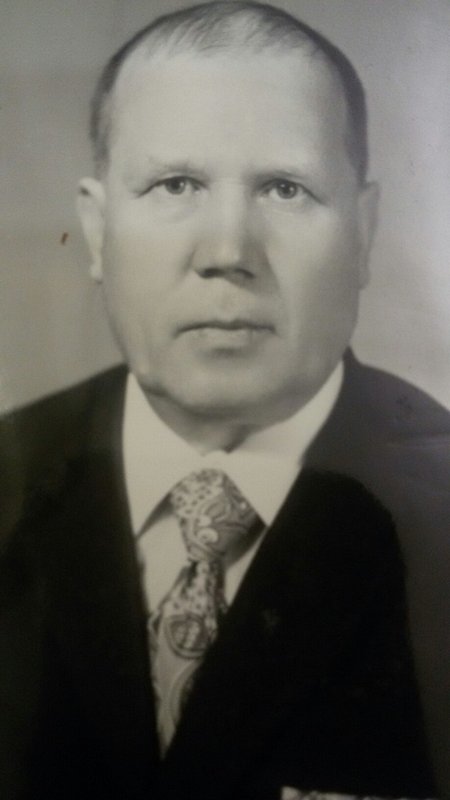
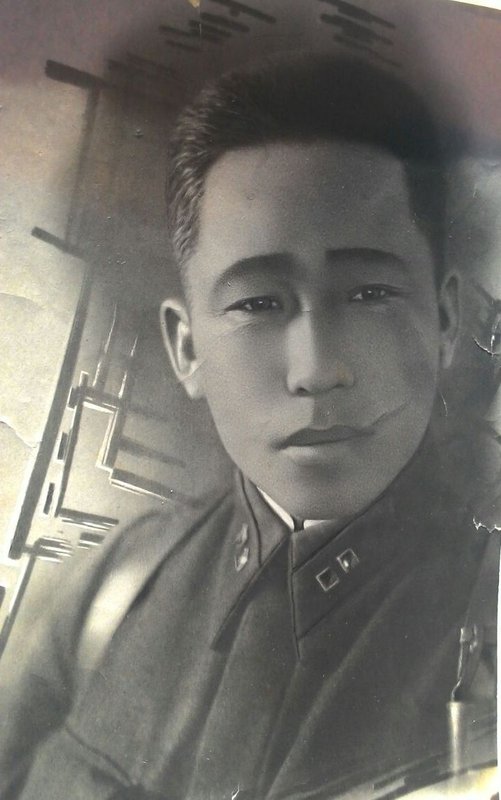
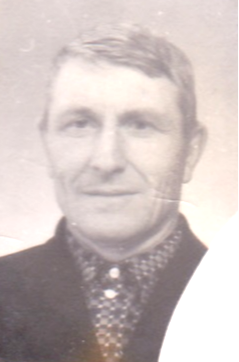

Terentyev, Gavriil Egorovich
Rank: Sergeant _x000D_
Branch of troops: Artillery _x000D_
_x000D_
When the war began, my father Terentyev Gavriil Yegorovich lived in the village of Kolomino, Chainsky district, Tomsk region. A sixteen-year-old owner stayed with a young sister in his arms, his mother died in 1940, his father is in prison, his older brother is at the front. He worked on the subsidiary farm of the Kolpashevsky regional consumer union. _x000D_
In August 1942, at the age of 17, he was drafted into the army, sent to an artillery training in the Chelyabinsk region, where gunners were trained. He finished his studies until October 1942 and went to the front in 1436th Guards Self-Propelled Regiment as a 122mm gunner, and from January 1943 he was at 3rd Guards Tank Corps. _x000D_
In March 1943, he was wounded somewhere near Kharkov, the self-propelled gun was knocked out, it caught fire, not all survived. There came the first death notofication for my father. He lay with a concussion and burns in a hospital in Voronezh, the hospital was then transferred to the Somovo station, Voronezh was often bombed. They treated him for a month, after the concussion he heard poorly in his right ear. _x000D_
Near Akhtyrka, the self-propelled gun was set on fire again, the hair on his head burned out and his left hand was badly burned, and he temporarily lost his sight. The survivors were taken prisoners, and whether someone else survived or not he did not know because he was not able to see. He jumped out of the hatch directly into the hands of the Germans. _x000D_
So came the second death notofication, "notice-duplicate": "I inform you that your son, Red Army soldier Gavriil Yegorovich Terentyev, was killed on August 20, 1943 in the combat for the socialist homeland, faithful to the military oath, showing heroism and courage. Buried: Kolkhoz "Udarnik", Sumy region. Basis: case number 10, page 34, Kolpashevsky civil enlistment office, Lieutenant Colonel Merker. The crew of that car: mechanic driver Bondarenko from the Kuban, Pykhtin from Moscow, forgot the name and surname of Uzbek._x000D_
They were taken prisoners, taken to the river, to a hospital for prisoners. Then they were sent by train to Slavuty in the Vinnitsa region, then to East Prussia in the city of Homerstein, attempts to escape, tightening the regime ... _x000D_
On April 16, 1945, the allies liberated the British prisoners of war and those who were taken to Germany to work, formed a Regiment. He went through interrogations in a special department, was issued new documents, a little distorted data, lost awards. But this is not so important, the main thing was – he is still alive. He was sent to 40th self-propelled Regiment as the Commander of the 57 mm anti-tank gun. He was demobilized in February 1947.
Terentyev, Gavriil Egorovich
Rank: Sergeant _x000D_
Branch of troops: Artillery _x000D_
_x000D_
When the war began, my father Terentyev Gavriil Yegorovich lived in the village of Kolomino, Chainsky district, Tomsk region. A sixteen-year-old owner stayed with a young sister in his arms, his mother died in 1940, his father is in prison, his older brother is at the front. He worked on the subsidiary farm of the Kolpashevsky regional consumer union. _x000D_
In August 1942, at the age of 17, he was drafted into the army, sent to an artillery training in the Chelyabinsk region, where gunners were trained. He finished his studies until October 1942 and went to the front in 1436th Guards Self-Propelled Regiment as a 122mm gunner, and from January 1943 he was at 3rd Guards Tank Corps. _x000D_
In March 1943, he was wounded somewhere near Kharkov, the self-propelled gun was knocked out, it caught fire, not all survived. There came the first death notofication for my father. He lay with a concussion and burns in a hospital in Voronezh, the hospital was then transferred to the Somovo station, Voronezh was often bombed. They treated him for a month, after the concussion he heard poorly in his right ear. _x000D_
Near Akhtyrka, the self-propelled gun was set on fire again, the hair on his head burned out and his left hand was badly burned, and he temporarily lost his sight. The survivors were taken prisoners, and whether someone else survived or not he did not know because he was not able to see. He jumped out of the hatch directly into the hands of the Germans. _x000D_
So came the second death notofication, "notice-duplicate": "I inform you that your son, Red Army soldier Gavriil Yegorovich Terentyev, was killed on August 20, 1943 in the combat for the socialist homeland, faithful to the military oath, showing heroism and courage. Buried: Kolkhoz "Udarnik", Sumy region. Basis: case number 10, page 34, Kolpashevsky civil enlistment office, Lieutenant Colonel Merker. The crew of that car: mechanic driver Bondarenko from the Kuban, Pykhtin from Moscow, forgot the name and surname of Uzbek._x000D_
They were taken prisoners, taken to the river, to a hospital for prisoners. Then they were sent by train to Slavuty in the Vinnitsa region, then to East Prussia in the city of Homerstein, attempts to escape, tightening the regime ... _x000D_
On April 16, 1945, the allies liberated the British prisoners of war and those who were taken to Germany to work, formed a Regiment. He went through interrogations in a special department, was issued new documents, a little distorted data, lost awards. But this is not so important, the main thing was – he is still alive. He was sent to 40th self-propelled Regiment as the Commander of the 57 mm anti-tank gun. He was demobilized in February 1947.
0 comment



2026 © Russian Military Historical Society Developed by Jetmix