Back to
album
album
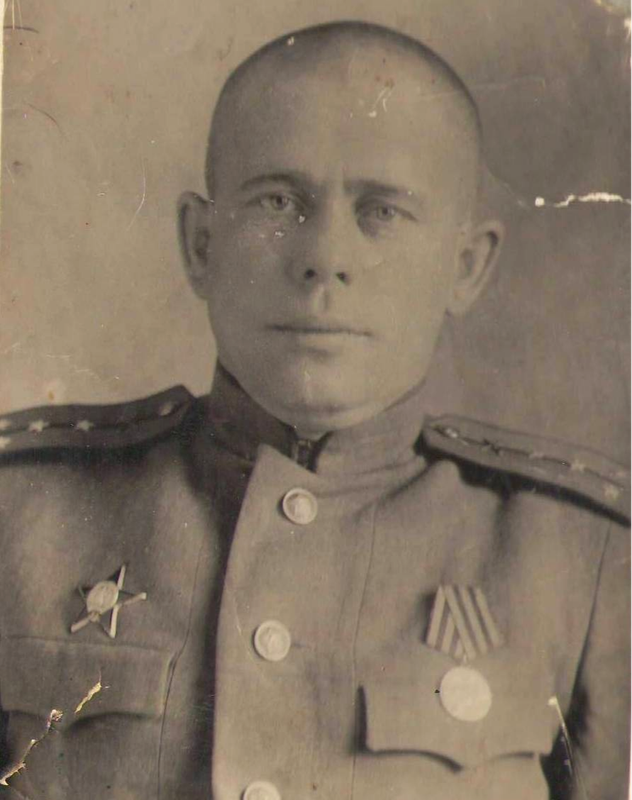
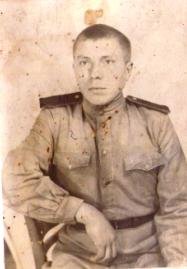
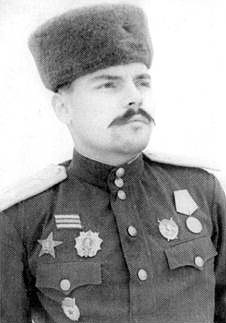
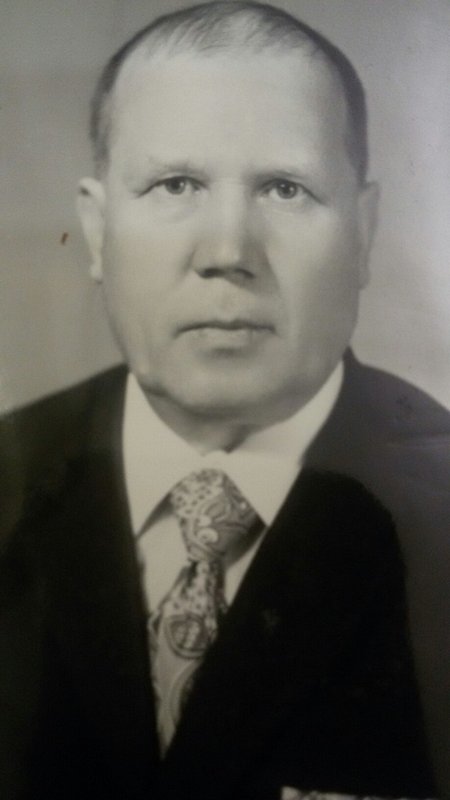
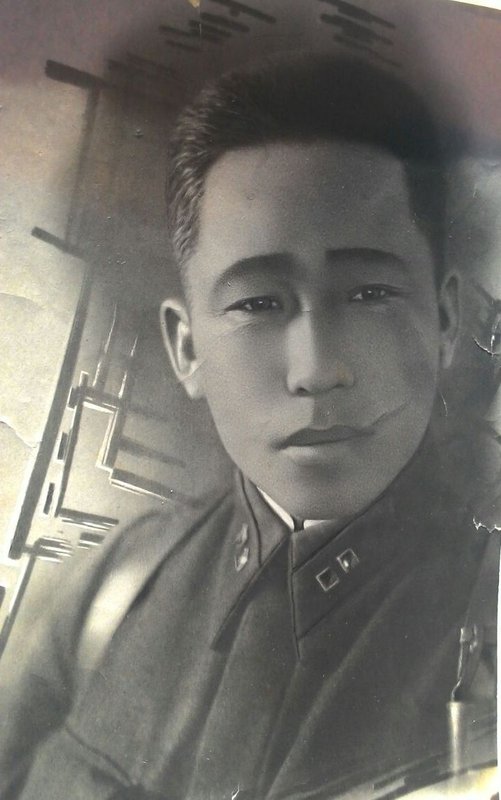
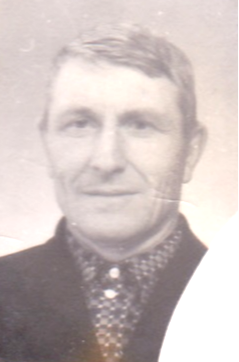

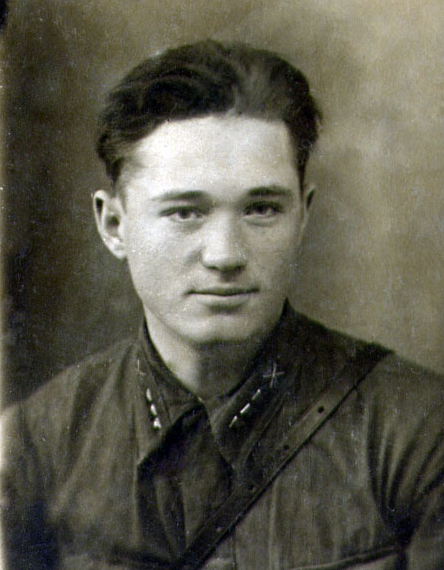
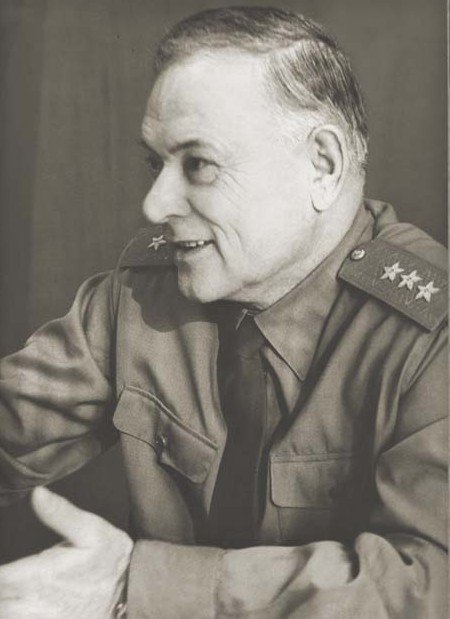


Tyukin Pyotr Fomich
Branch of troops: Artillery_x000D_
I want to tell you about my grandfather Pyotr Fomich Tyukin, a participant in the Great Patriotic War. He was beaten by the ordeal of the war, and not just once. His life path was hard, but he withstood everything with valor. Pyotr Fomich was born on November 23 in 1917 into a large family with three sons and a daughter, Anna. His post-revolutionary childhood was not easy. He was the eldest of the children, and since the age of six he had already helped his father to work the land. He hardly studied at school and finished only four classes. At the age of fifteen, he had already worked in kolkhoz as a hand. In 1937 he graduated from the courses of tractor drivers in the neighboring village of Vetlyanka. And the next year he was drafted into the Red Army. Then there was Khalkhin-Gol, the Great Patriotic War and the war with Japan. _x000D_
Since September 1938, Pyotr Fomich had served in the Red Army in 5588th Tank Regiment in Siberia at the Olovyanaya station. In 1939 he received his first baptism of fire on Khalkhin-Gol. The Japanese militarists launched large-scale military operations against the friendly Mongolian People's Republic in order to seize territory and prepare a foothold for a further offensive against the USSR. The Soviet offensive was successful, and the plans of the Japanese aggressors were thwarted. He returned home in November 1940, began to work as a trackman at the Tirazh railway station. _x000D_
The treacherous and sudden attack of Nazi Germany without declaring war on the USSR on June 22, 1941 showed the whole world the true face of fascism. German troops outnumbered the Soviet in both manpower and equipment. The Germans rushed to the Volga in order to cut off supplies: grains, oil and fuels and lubricants. The main target on this path was the city of Stalingrad. A general mobilization was announced. Pyotr Fomich was drafted in August 1941. Military training took place in Aktyubinsk, the time for training was limited, because the enemy occupied a significant territory of the country. Pyotr Fomich was enlisted in 129th Mortar Regiment. They received weapons, ammunition and the command "To defend Stalingrad!" By train they went along the Ural railway to the station Polotnyanaya, and then on horseback, carts, to the station Kletnaya. This is where it all started. The air hummed, the Nazis bombed non-stop, even the ground groaned with screams and horror. Not everyone made it to the place of deployment. His Regiment entered the Don Front, where Konstantin Rokossovsky was the Commander. Red Army defended Stalingrad without spare no pains. It was hot. Even those who did not believe in God prayed to survive. They fought for every street, for every house. Rumble, explosions, shooting. There was not enough ammunition and grubs, but the louse gnawed mercilessly. _x000D_
Private Tyukin Pyotr Fomich was appointed the Chef of the Division. It would seem an easy mission to feed the soldiers. But try to do this, crossing the Dnieper River, under continuous artillery fire. For courage shown in battles with the German invaders, Pyotr Fomich was awarded in 1943 the medal "For Courage" and "For Defense of Stalingrad". Received the rank of Corporal. _x000D_
In the summer of 1943, he was part of 1st Ukrainian Front. He fought across the Ukrainian land, liberating the cities of Shevchenko, Molodechno. Burnt-out villages, only the stoves stood like candles, reminded that there had been houses here, and people once lived. And everywhere they were greeted by deadly tired old men, women, children. Then they liberated Latvia and Estonia. In July 1944 he was awarded the Order of Glory III degree for courage, fearlessness and resourcefulness. _x000D_
In the battles for Lithuania near the city of Shauliai, enemy aircraft set fire to a car with a kitchen. Not paying attention to the shelling, under the explosive burning shells, Pyotr Fomich removed the slopes from the nearby burning car, and quickly moved it to his own. As a result of his actions, hot food was delivered to the firing positions on time. They drove the fascists all the way to Germany. Here is the long-awaited Victory! _x000D_
They dreamed of a home, of meeting their relatives, but they were transferred to Novosibirsk, in the direction of the Far Eastern Territory. Some were assigned to the Japanese front, and they began to prepare for a new war against the Kwantung Army. _x000D_
Since August, rains have charged, mountain streams and rivers overflowed, off-road. They experienced again shells, explosions and death of comrades. _x000D_
Pyotr Fomich was wounded and was sent to the military medical unit in the town of Sposke, then transferred to a hospital. Only in 1946 did he return home. For military operations he was awarded the medal "For Victory over Japan." _x000D_
The post-war period was not easy either. "Everything for the front, everything For Victory!" All resources were pulled out of the village for the needs of the front. Despite the labor heroism of the peasants, agriculture had suffered heavy losses during the war. The number of able workers in kolkhoz had decreased, and the material and technical base was undermined. The vast majority of equipment available in agriculture was worn out. In kolkhoz, young girls worked on tractors, all the hardships of wartime fell on their shoulders. The lack of equipment and workers affected the area under crops and the number of livestock. The cultivated area has declined from 3.6 million hectares in 1940 to 2.2 million hectares in 1945. Agricultural workers had to restore the potential lost during the war years, rebuild a peaceful life._x000D_
After arriving home in May 1946, Pyotr Fomich continued to work in kolkhoz. For his labor success he was awarded the Order of the Red Banner of Labor. He married Varvara Vasilievna, raised two daughters and three sons, bringing up in them respect and love for the Motherland. But the events of those years left an indelible mark on his soul. More than once, Pyotr Fomich met with his war veterans, remembering the dead comrades.
Tyukin Pyotr Fomich
Branch of troops: Artillery_x000D_
I want to tell you about my grandfather Pyotr Fomich Tyukin, a participant in the Great Patriotic War. He was beaten by the ordeal of the war, and not just once. His life path was hard, but he withstood everything with valor. Pyotr Fomich was born on November 23 in 1917 into a large family with three sons and a daughter, Anna. His post-revolutionary childhood was not easy. He was the eldest of the children, and since the age of six he had already helped his father to work the land. He hardly studied at school and finished only four classes. At the age of fifteen, he had already worked in kolkhoz as a hand. In 1937 he graduated from the courses of tractor drivers in the neighboring village of Vetlyanka. And the next year he was drafted into the Red Army. Then there was Khalkhin-Gol, the Great Patriotic War and the war with Japan. _x000D_
Since September 1938, Pyotr Fomich had served in the Red Army in 5588th Tank Regiment in Siberia at the Olovyanaya station. In 1939 he received his first baptism of fire on Khalkhin-Gol. The Japanese militarists launched large-scale military operations against the friendly Mongolian People's Republic in order to seize territory and prepare a foothold for a further offensive against the USSR. The Soviet offensive was successful, and the plans of the Japanese aggressors were thwarted. He returned home in November 1940, began to work as a trackman at the Tirazh railway station. _x000D_
The treacherous and sudden attack of Nazi Germany without declaring war on the USSR on June 22, 1941 showed the whole world the true face of fascism. German troops outnumbered the Soviet in both manpower and equipment. The Germans rushed to the Volga in order to cut off supplies: grains, oil and fuels and lubricants. The main target on this path was the city of Stalingrad. A general mobilization was announced. Pyotr Fomich was drafted in August 1941. Military training took place in Aktyubinsk, the time for training was limited, because the enemy occupied a significant territory of the country. Pyotr Fomich was enlisted in 129th Mortar Regiment. They received weapons, ammunition and the command "To defend Stalingrad!" By train they went along the Ural railway to the station Polotnyanaya, and then on horseback, carts, to the station Kletnaya. This is where it all started. The air hummed, the Nazis bombed non-stop, even the ground groaned with screams and horror. Not everyone made it to the place of deployment. His Regiment entered the Don Front, where Konstantin Rokossovsky was the Commander. Red Army defended Stalingrad without spare no pains. It was hot. Even those who did not believe in God prayed to survive. They fought for every street, for every house. Rumble, explosions, shooting. There was not enough ammunition and grubs, but the louse gnawed mercilessly. _x000D_
Private Tyukin Pyotr Fomich was appointed the Chef of the Division. It would seem an easy mission to feed the soldiers. But try to do this, crossing the Dnieper River, under continuous artillery fire. For courage shown in battles with the German invaders, Pyotr Fomich was awarded in 1943 the medal "For Courage" and "For Defense of Stalingrad". Received the rank of Corporal. _x000D_
In the summer of 1943, he was part of 1st Ukrainian Front. He fought across the Ukrainian land, liberating the cities of Shevchenko, Molodechno. Burnt-out villages, only the stoves stood like candles, reminded that there had been houses here, and people once lived. And everywhere they were greeted by deadly tired old men, women, children. Then they liberated Latvia and Estonia. In July 1944 he was awarded the Order of Glory III degree for courage, fearlessness and resourcefulness. _x000D_
In the battles for Lithuania near the city of Shauliai, enemy aircraft set fire to a car with a kitchen. Not paying attention to the shelling, under the explosive burning shells, Pyotr Fomich removed the slopes from the nearby burning car, and quickly moved it to his own. As a result of his actions, hot food was delivered to the firing positions on time. They drove the fascists all the way to Germany. Here is the long-awaited Victory! _x000D_
They dreamed of a home, of meeting their relatives, but they were transferred to Novosibirsk, in the direction of the Far Eastern Territory. Some were assigned to the Japanese front, and they began to prepare for a new war against the Kwantung Army. _x000D_
Since August, rains have charged, mountain streams and rivers overflowed, off-road. They experienced again shells, explosions and death of comrades. _x000D_
Pyotr Fomich was wounded and was sent to the military medical unit in the town of Sposke, then transferred to a hospital. Only in 1946 did he return home. For military operations he was awarded the medal "For Victory over Japan." _x000D_
The post-war period was not easy either. "Everything for the front, everything For Victory!" All resources were pulled out of the village for the needs of the front. Despite the labor heroism of the peasants, agriculture had suffered heavy losses during the war. The number of able workers in kolkhoz had decreased, and the material and technical base was undermined. The vast majority of equipment available in agriculture was worn out. In kolkhoz, young girls worked on tractors, all the hardships of wartime fell on their shoulders. The lack of equipment and workers affected the area under crops and the number of livestock. The cultivated area has declined from 3.6 million hectares in 1940 to 2.2 million hectares in 1945. Agricultural workers had to restore the potential lost during the war years, rebuild a peaceful life._x000D_
After arriving home in May 1946, Pyotr Fomich continued to work in kolkhoz. For his labor success he was awarded the Order of the Red Banner of Labor. He married Varvara Vasilievna, raised two daughters and three sons, bringing up in them respect and love for the Motherland. But the events of those years left an indelible mark on his soul. More than once, Pyotr Fomich met with his war veterans, remembering the dead comrades.
0 comment




2026 © Russian Military Historical Society Developed by Jetmix