Back to
album
album
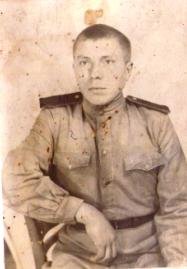
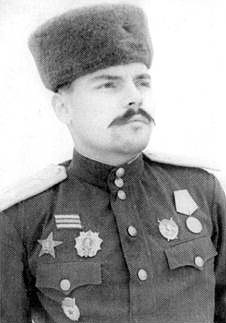
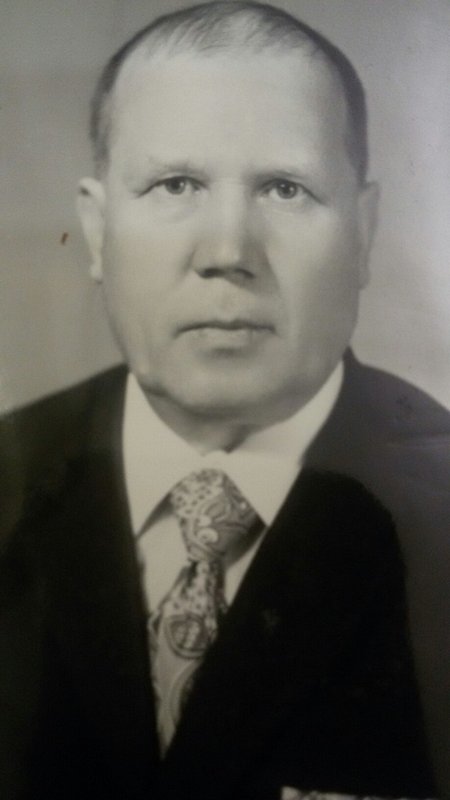
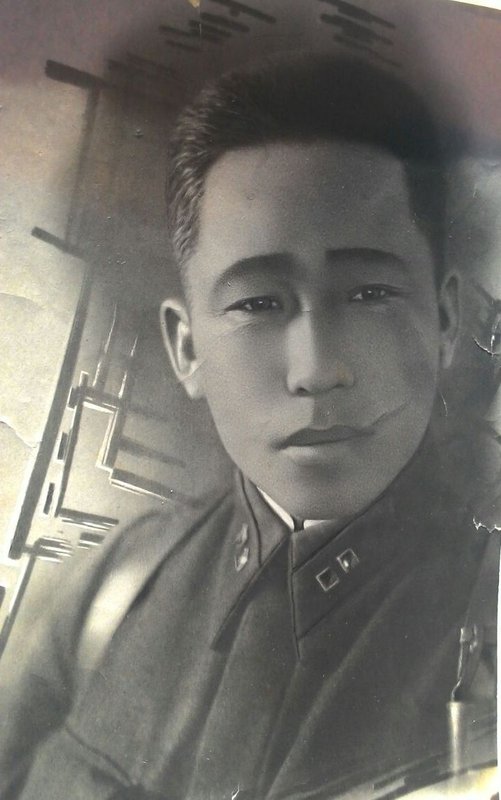
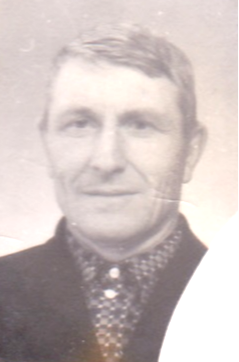

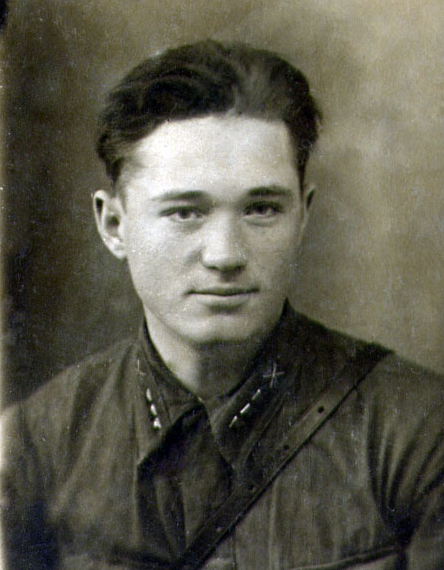
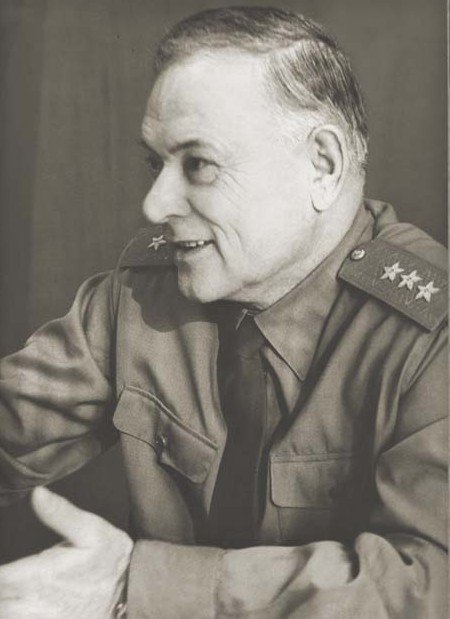


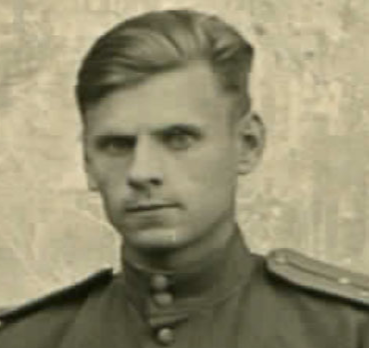
Smetanin Akaki Akakievich
Rank: Senior Lieutenant_x000D_
Branch of troops: Artillery. _x000D_
Division: 166th Infantry Division (1st Formation). _x000D_
Smetanin Akaki Akakievich was born in 1914 on November 23 in the village of Kedva in the Ukhta Region of the Komi ASSR in the family of a middle peasant. My father was engaged in agriculture. In 1924 he entered a rural school and graduated in 1930. From 1930 to 1933 he worked in the production of logging as a worker. The family joined the kolkhoz in 1933. From 1933 to 1936 he worked there as a foreman. In 1936 he was drafted into the ranks of the Red Army. In 1938 he entered the courses for Junior Lieutenants and graduated from them in May 1939, received the rank of Junior Lieutenant. _x000D_
Since May 1939 he was appointed Platoon Commander of 9720 unit in Kirovsk, where he served until September 1939. From September 1939, together with a unit, he left for the Finnish border. He took part in the war with the Finns as Commander of a machine gun platoon in April 1940, he was appointed Company Commander of a Separate Machine-Gun Batillion in 14th Rifle Division of 14th army. In October 1940, he was appointed Commander of the platoon of the regimental school of the 242nd Rifle Regiment by the headquarters of 14th Army. 104th Suvorov Division, where he served until the beginning of the Patriotic War. _x000D_
On June 23, 1941 he was appointed Deputy Commander of a Separate Reconnaissance Detachment, where he served until August 10, 1941. From August 10, 1941 he became a Chief of staff of a Separate Reconnaissance Battalion at 5th Rifle Brigade of 9th Army, where he served until he was wounded on October 28, 1941 and was treated in hospital No. 2537 in the Asbest town on January 8, 1942. From January 1942 to July 1942 he was the Commander of a machine-gun company in 423rd Rifle Regiment. From July 7, 1942 to November 20, 1942 he was on the courses of the Commander of a machine-gun company, was released from the course by the Deputy of Battalion Commander. _x000D_
From November 20, 1942 he was at the post of Deputy Battalion Commander of 423rd Rifle Regiment 166 s.p. At the front on August 3, 1943, on August 3, 1943, he was wounded and was treated in the hospital until November 20, 1943.From December 1943 to March 21, 1944, he was the Commander of a training machine-gun company of 7th Brigade in Kungur. From March 31, 1944 to May 8, 1944, 11th poll in Sverdlovsk was in reserve. From May 8, 1944 to November 1944 he was a Senior Instructor of 4th unit of the District military enlistment office in Malmyzh. From November 1944 to April 1945 he was in reserve. From April 5 to April 25, 1945 he studied at the Reconnaissance courses of the Liegnitz Regiment. From April 27, 1945 to August 30, 1946 he was a recon of the Regiment of 292th Guards Regiment, 97 Guards Suvorov Division. On August 30, 1946 he was demobilized from the Red Army. _x000D_
From December 10, 1946 he worked as a Deputy Director of the school FZO №5 in Balti until April 1947. From May 29, 1947 to January 10, 1949 he was the Chairman of the “Red Border Guard” Martel. From January 10, 1949 to March 14, 1951, he was a Head of oil depot in Bolotinskaya Machinery & Tractor Station (MTS). _x000D_
He was a Member of the Communist Party. He fought in Germany, Czechoslovakia, Austria. He has medals "For Victory over Hitler Germany", "For Courage", "For Military Merit", "For Liberation of Prague", "For Capture of Vienna", the Order of the Patriotic War and many others at the war and after the war. He was wounded three times and once shell-shocked. _x000D_
After the war he worked at a construction site in Kazakhstan, Moldova, in the city of Volzhsky. In 1954 he came with his family (wife and 3 children) to Volzhsky. He built houses, also built hydroelectric power plants, then worked at the Abrasive Plant, then retired. After the was he was a Senior Lieutenant in Reserve. He passed away on 02.04.1999 in the city of Volzhsky, where he was buried.
Smetanin Akaki Akakievich
Rank: Senior Lieutenant_x000D_
Branch of troops: Artillery. _x000D_
Division: 166th Infantry Division (1st Formation). _x000D_
Smetanin Akaki Akakievich was born in 1914 on November 23 in the village of Kedva in the Ukhta Region of the Komi ASSR in the family of a middle peasant. My father was engaged in agriculture. In 1924 he entered a rural school and graduated in 1930. From 1930 to 1933 he worked in the production of logging as a worker. The family joined the kolkhoz in 1933. From 1933 to 1936 he worked there as a foreman. In 1936 he was drafted into the ranks of the Red Army. In 1938 he entered the courses for Junior Lieutenants and graduated from them in May 1939, received the rank of Junior Lieutenant. _x000D_
Since May 1939 he was appointed Platoon Commander of 9720 unit in Kirovsk, where he served until September 1939. From September 1939, together with a unit, he left for the Finnish border. He took part in the war with the Finns as Commander of a machine gun platoon in April 1940, he was appointed Company Commander of a Separate Machine-Gun Batillion in 14th Rifle Division of 14th army. In October 1940, he was appointed Commander of the platoon of the regimental school of the 242nd Rifle Regiment by the headquarters of 14th Army. 104th Suvorov Division, where he served until the beginning of the Patriotic War. _x000D_
On June 23, 1941 he was appointed Deputy Commander of a Separate Reconnaissance Detachment, where he served until August 10, 1941. From August 10, 1941 he became a Chief of staff of a Separate Reconnaissance Battalion at 5th Rifle Brigade of 9th Army, where he served until he was wounded on October 28, 1941 and was treated in hospital No. 2537 in the Asbest town on January 8, 1942. From January 1942 to July 1942 he was the Commander of a machine-gun company in 423rd Rifle Regiment. From July 7, 1942 to November 20, 1942 he was on the courses of the Commander of a machine-gun company, was released from the course by the Deputy of Battalion Commander. _x000D_
From November 20, 1942 he was at the post of Deputy Battalion Commander of 423rd Rifle Regiment 166 s.p. At the front on August 3, 1943, on August 3, 1943, he was wounded and was treated in the hospital until November 20, 1943.From December 1943 to March 21, 1944, he was the Commander of a training machine-gun company of 7th Brigade in Kungur. From March 31, 1944 to May 8, 1944, 11th poll in Sverdlovsk was in reserve. From May 8, 1944 to November 1944 he was a Senior Instructor of 4th unit of the District military enlistment office in Malmyzh. From November 1944 to April 1945 he was in reserve. From April 5 to April 25, 1945 he studied at the Reconnaissance courses of the Liegnitz Regiment. From April 27, 1945 to August 30, 1946 he was a recon of the Regiment of 292th Guards Regiment, 97 Guards Suvorov Division. On August 30, 1946 he was demobilized from the Red Army. _x000D_
From December 10, 1946 he worked as a Deputy Director of the school FZO №5 in Balti until April 1947. From May 29, 1947 to January 10, 1949 he was the Chairman of the “Red Border Guard” Martel. From January 10, 1949 to March 14, 1951, he was a Head of oil depot in Bolotinskaya Machinery & Tractor Station (MTS). _x000D_
He was a Member of the Communist Party. He fought in Germany, Czechoslovakia, Austria. He has medals "For Victory over Hitler Germany", "For Courage", "For Military Merit", "For Liberation of Prague", "For Capture of Vienna", the Order of the Patriotic War and many others at the war and after the war. He was wounded three times and once shell-shocked. _x000D_
After the war he worked at a construction site in Kazakhstan, Moldova, in the city of Volzhsky. In 1954 he came with his family (wife and 3 children) to Volzhsky. He built houses, also built hydroelectric power plants, then worked at the Abrasive Plant, then retired. After the was he was a Senior Lieutenant in Reserve. He passed away on 02.04.1999 in the city of Volzhsky, where he was buried.
0 comment



2026 © Russian Military Historical Society Developed by Jetmix