Back to
album
album


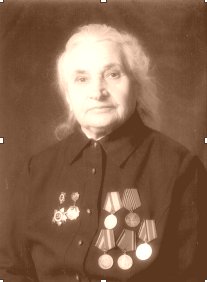

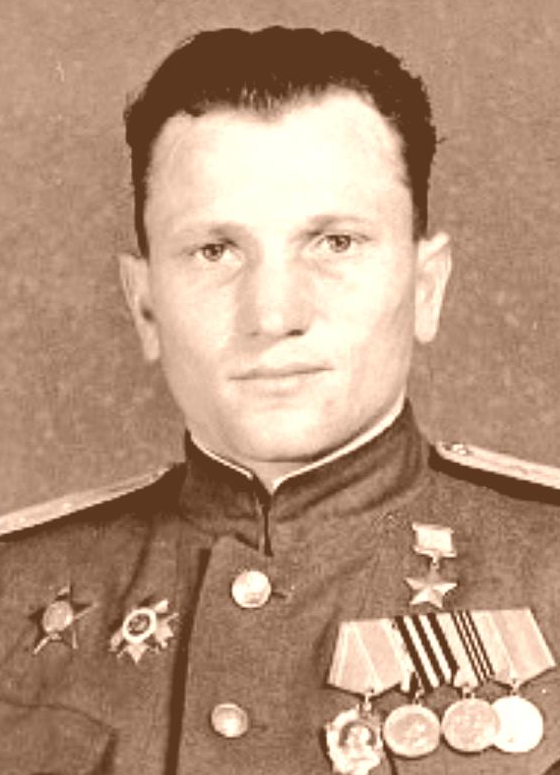


Serbaev Nikolay Kirillovich
NIKOLAY KIRILLOVICH SERBAEV (1911-2000). Rank: Colonel Unit: 250th rifle Bobruisk Кed banner order of Suvorov division MAJOR NIKOLAY KIRILLOVICH SERBAEV, FORMER CHIEF of STAFF. 790 Red banner order of Alexander Nevsky artillery regiment. "Military circumstances have developed so that when the 107th motorized rifle division was withdrawn to the second echelon of the 30th army after heavy summer fighting at the Western front in the battle of Smolensk, the heavy artillery division under my command reinforced the 250th rifle division. Despite our best efforts, our plan was not destined to come true. On October 2, 1941 large German forces went to the offense. Having superiority on the ground and in the air, in the evening of October 4 they already captured the city of Bely and tried to encircle the troops of the 30th army in this area. At the time when my 107th motorized rifle division was breaking out of the encirclement, an artillery division of 152-mm howitzers under my command and two divisions of the 790th artillery regiment supported the withdrawal of units and divisions of the 250th division through the cities of Bely and Rzhev. On the multi-day journey from Bely to Torzhok, despite the depressing morale of the retreat, interruptions in the supply of shells, fuel, food and constant shortage of baked bread, soldiers and commanders in dilapidated overcoats and caps, under drizzling rains, in conditions of night frosts and ice did not panic, they acted boldly and resourcefully, selflessly fought battles on the fourteen intermediate lines of retreat. Troubles followed one another along the way. Eight onboard ZIS-5 and two fuel trucks headed by the division Commissar I.S. Akhtimirov and the commander of the combat food platoon, Junior Lieutenant N.I. Ryabichev that were sent before the "Typhoon" to the army base for ammunition and fuel did not return from the Kanyutino station. In this regard, the batteries were constantly experiencing a shortage of shells, fuel and lubricants. In search of kerosene for the tractors, the soldiers had "to look" sheds and cellars when passaging of the settlements. Once, on the way to Rzhev a chance came to the rescue. Using my seniority, the rank of captain at dawn I detained GAZ-AA vehicle, alarmist military technicians with two barrels of gasoline. This allowed the tractor drivers, contrary to the operating instructions of Nati-5 tractors, to mix gasoline with kerosene and fill the tanks. Upon arrival to Rzhev, at the oil depot engulfed in fire, tractors and cars were refueled with reserve that was enough to reach the town of Gruziny. In Rzhev, the batteries were replenished with 152-mm shells, charges and partially food. When the 250th division headquarters passed the bridge over the Volga river in Rzhev on October 14 and settled down in the village of Galakhovo, I received the assignment from the division's chief of artillery, Colonel V.I. Chistyakov to cover the military troops passing over the communal bridge with artillery fire from the firing positions at the Northern outskirts of Rzhev, the commander's observation post in the city archive building (the former Church, now the Victory obelisk is built on that place). The batteries were ready for the action, but I didn't have to open fire. In the end of October 15, the sappers demolished the openwork iron city bridge. This was a prearranged signal for the curtailment of the division's order of battle and the following regiments of the division to Shetinino, Noviy Rukav and Mologin. In the village of Noviy Rukav enterprising foreman of the Bashkir division Yantsufin got two bags of flour. By agreement with the local women, they baked delicious pancakes for the entire staff during the night in their ovens. How grateful our soldiers were to them for home-made bread! It is an incredible pity that a month later, when distributing food from the camp kitchen, the petty officer Yantsufin was killed in a Junkers bomb attack in the village of Emmaus in Kalinin region. On the way from the city of Bely to Torzhok, the actions of the soldiers, sergeants and officers were truly heroic. During the counteroffensive in the winter of 1941-1942, after the liberation of Kalinin and the withdrawal of parts of the 250th division to the Rzhev area within a few days of January we had to unsuccessfully attack the stronghold of Gushchino. By January 23 at the line of Nemtsevo, Koltunovo, Gridino, Sobakino, Ramnitsy, Pruzha the shelves went on the defense. The headquarters of the 790th artillery regiment was located in the village of Valentinovka. The command of the regiment was changed.. The commander, his Deputy and the Commissioner had received higher positions. I, the chief of staff, was given the next rank of a "major". It is almost improbable that three chief officers from the regiment's command would simultaneously depart for a new duty station, but in the war everything could happen. In order to help the troops of the 39th army break out of the encirclement, the 250th division made a night march on March 10, 1942 and was again placed at the disposal of the commander of the 30th General D.D. Lelyushenko. After hard fight we took over Dorogino, Panovo, Ovsyannikovo and the forest to the South. But with frequent tank counterattacks and massive artillery and mortar fire, we managed to disrupt our success. Difficult operational situation, lack of tanks and air support, aggravated by the thaw, made it difficult to bring ammunition, food and fodder. In those days, the soldier and commander per day had 2-3 pieces of dry bread and no more than 200g of whea concentrate." Council of veterans of the 250th Bobruisk Red banner order of Suvorov II degree rifle division.
Serbaev Nikolay Kirillovich
NIKOLAY KIRILLOVICH SERBAEV (1911-2000). Rank: Colonel Unit: 250th rifle Bobruisk Кed banner order of Suvorov division MAJOR NIKOLAY KIRILLOVICH SERBAEV, FORMER CHIEF of STAFF. 790 Red banner order of Alexander Nevsky artillery regiment. "Military circumstances have developed so that when the 107th motorized rifle division was withdrawn to the second echelon of the 30th army after heavy summer fighting at the Western front in the battle of Smolensk, the heavy artillery division under my command reinforced the 250th rifle division. Despite our best efforts, our plan was not destined to come true. On October 2, 1941 large German forces went to the offense. Having superiority on the ground and in the air, in the evening of October 4 they already captured the city of Bely and tried to encircle the troops of the 30th army in this area. At the time when my 107th motorized rifle division was breaking out of the encirclement, an artillery division of 152-mm howitzers under my command and two divisions of the 790th artillery regiment supported the withdrawal of units and divisions of the 250th division through the cities of Bely and Rzhev. On the multi-day journey from Bely to Torzhok, despite the depressing morale of the retreat, interruptions in the supply of shells, fuel, food and constant shortage of baked bread, soldiers and commanders in dilapidated overcoats and caps, under drizzling rains, in conditions of night frosts and ice did not panic, they acted boldly and resourcefully, selflessly fought battles on the fourteen intermediate lines of retreat. Troubles followed one another along the way. Eight onboard ZIS-5 and two fuel trucks headed by the division Commissar I.S. Akhtimirov and the commander of the combat food platoon, Junior Lieutenant N.I. Ryabichev that were sent before the "Typhoon" to the army base for ammunition and fuel did not return from the Kanyutino station. In this regard, the batteries were constantly experiencing a shortage of shells, fuel and lubricants. In search of kerosene for the tractors, the soldiers had "to look" sheds and cellars when passaging of the settlements. Once, on the way to Rzhev a chance came to the rescue. Using my seniority, the rank of captain at dawn I detained GAZ-AA vehicle, alarmist military technicians with two barrels of gasoline. This allowed the tractor drivers, contrary to the operating instructions of Nati-5 tractors, to mix gasoline with kerosene and fill the tanks. Upon arrival to Rzhev, at the oil depot engulfed in fire, tractors and cars were refueled with reserve that was enough to reach the town of Gruziny. In Rzhev, the batteries were replenished with 152-mm shells, charges and partially food. When the 250th division headquarters passed the bridge over the Volga river in Rzhev on October 14 and settled down in the village of Galakhovo, I received the assignment from the division's chief of artillery, Colonel V.I. Chistyakov to cover the military troops passing over the communal bridge with artillery fire from the firing positions at the Northern outskirts of Rzhev, the commander's observation post in the city archive building (the former Church, now the Victory obelisk is built on that place). The batteries were ready for the action, but I didn't have to open fire. In the end of October 15, the sappers demolished the openwork iron city bridge. This was a prearranged signal for the curtailment of the division's order of battle and the following regiments of the division to Shetinino, Noviy Rukav and Mologin. In the village of Noviy Rukav enterprising foreman of the Bashkir division Yantsufin got two bags of flour. By agreement with the local women, they baked delicious pancakes for the entire staff during the night in their ovens. How grateful our soldiers were to them for home-made bread! It is an incredible pity that a month later, when distributing food from the camp kitchen, the petty officer Yantsufin was killed in a Junkers bomb attack in the village of Emmaus in Kalinin region. On the way from the city of Bely to Torzhok, the actions of the soldiers, sergeants and officers were truly heroic. During the counteroffensive in the winter of 1941-1942, after the liberation of Kalinin and the withdrawal of parts of the 250th division to the Rzhev area within a few days of January we had to unsuccessfully attack the stronghold of Gushchino. By January 23 at the line of Nemtsevo, Koltunovo, Gridino, Sobakino, Ramnitsy, Pruzha the shelves went on the defense. The headquarters of the 790th artillery regiment was located in the village of Valentinovka. The command of the regiment was changed.. The commander, his Deputy and the Commissioner had received higher positions. I, the chief of staff, was given the next rank of a "major". It is almost improbable that three chief officers from the regiment's command would simultaneously depart for a new duty station, but in the war everything could happen. In order to help the troops of the 39th army break out of the encirclement, the 250th division made a night march on March 10, 1942 and was again placed at the disposal of the commander of the 30th General D.D. Lelyushenko. After hard fight we took over Dorogino, Panovo, Ovsyannikovo and the forest to the South. But with frequent tank counterattacks and massive artillery and mortar fire, we managed to disrupt our success. Difficult operational situation, lack of tanks and air support, aggravated by the thaw, made it difficult to bring ammunition, food and fodder. In those days, the soldier and commander per day had 2-3 pieces of dry bread and no more than 200g of whea concentrate." Council of veterans of the 250th Bobruisk Red banner order of Suvorov II degree rifle division.
0 comment




2026 © Russian Military Historical Society Developed by Jetmix