Back to
album
album
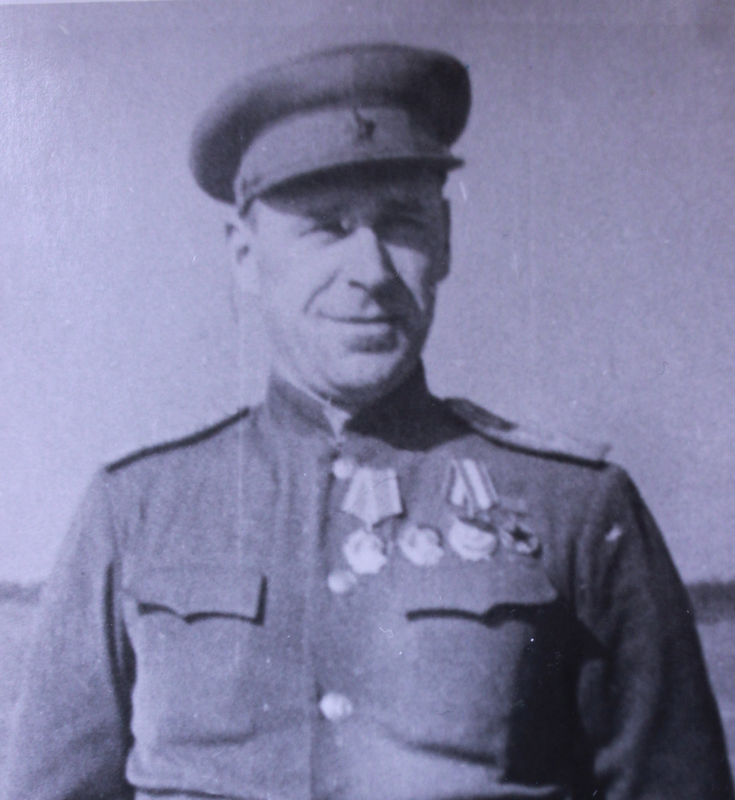
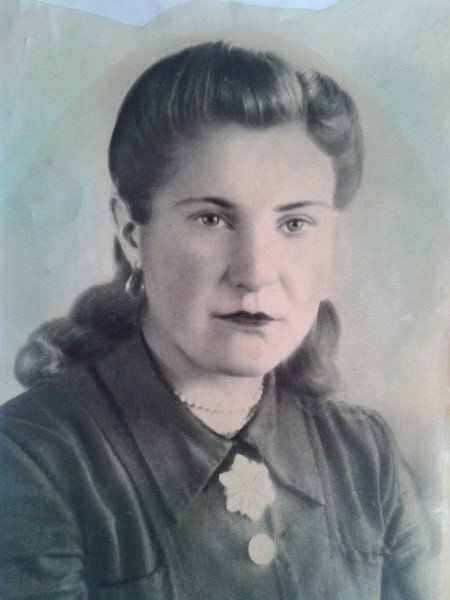
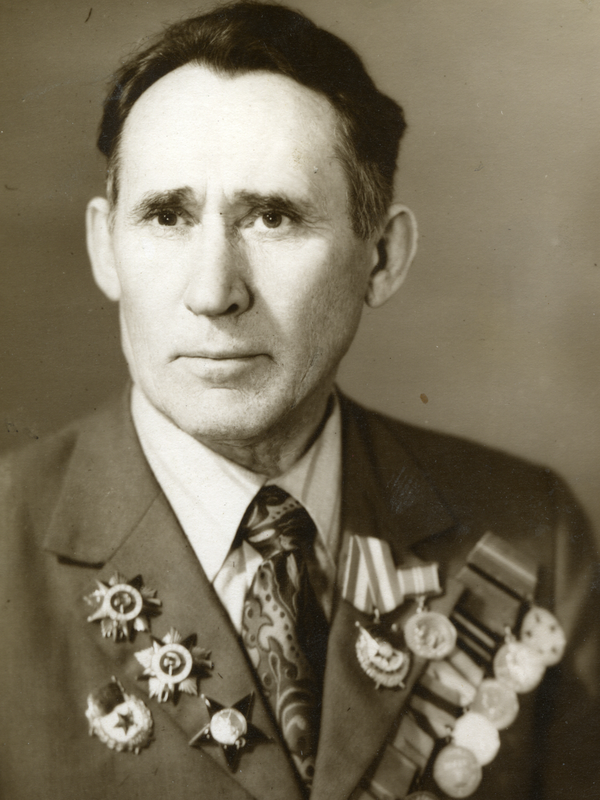
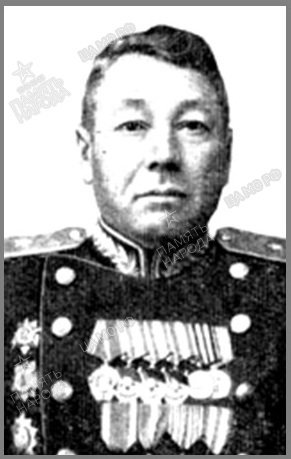
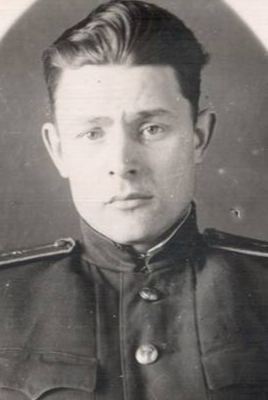
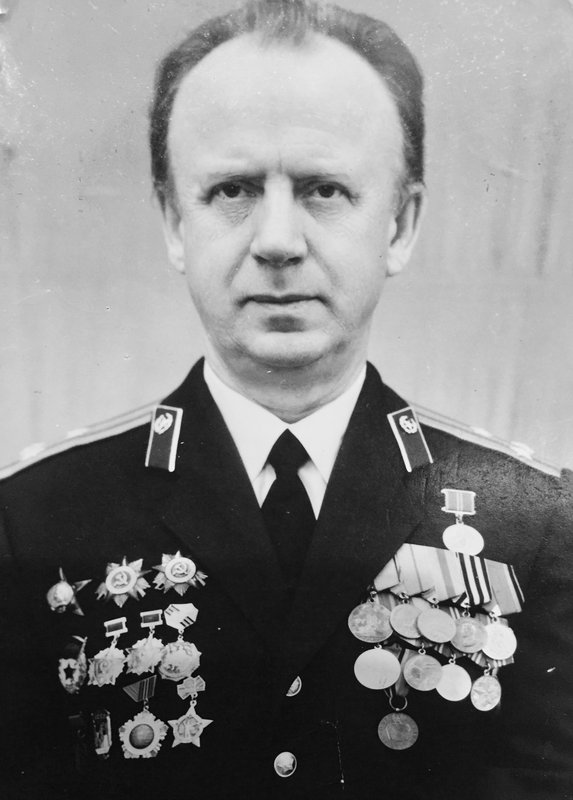
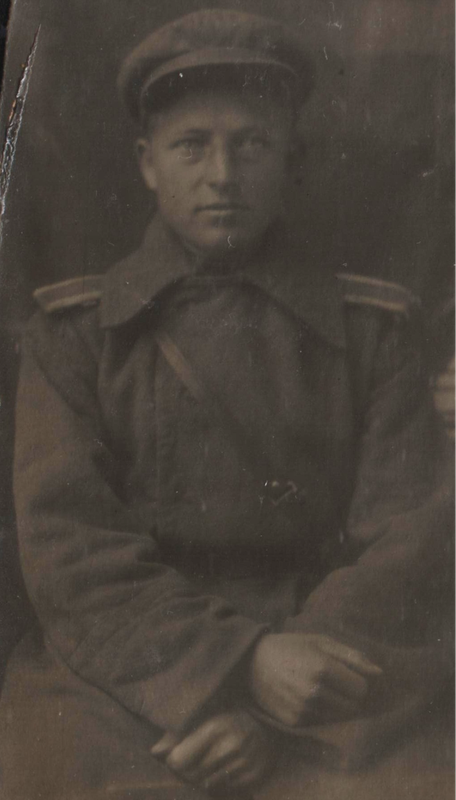
Vorontsov Mikhail Stepanovich
Vorontsov Mikhail Stepanovich_x000D_
_x000D_
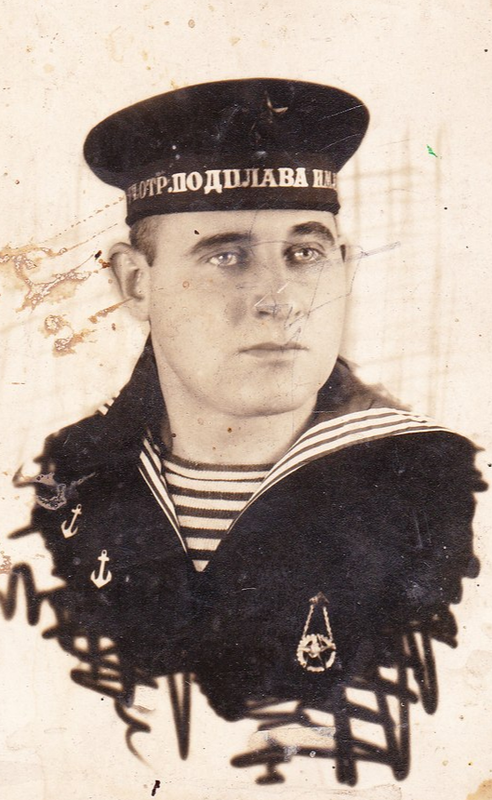
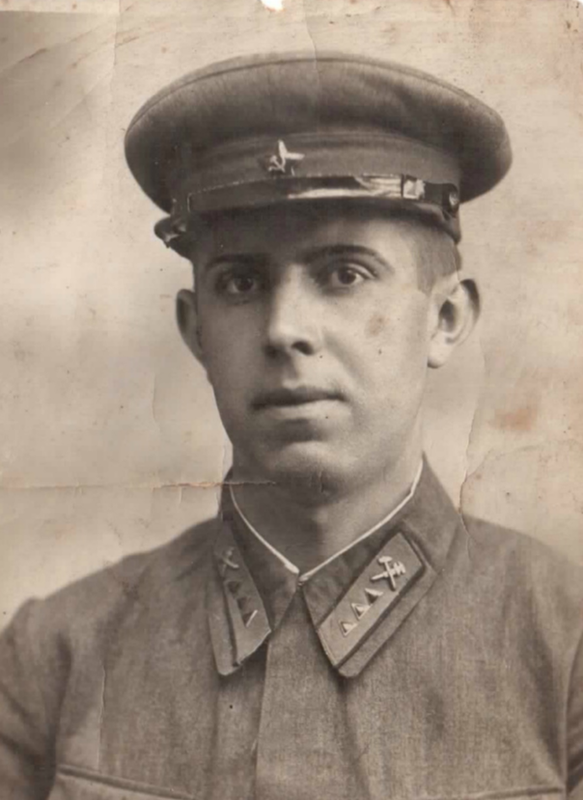
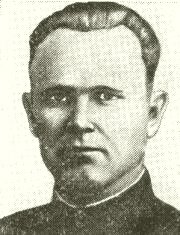
Rank: captain. Branch of service: artillery. Division: 143rd infantry Konotop-Korosten red banner order of Suvorov division. The story of my great-grandfather, Updated Zlata. Almost 72 years have passed since the end of the Great Patriotic war, but the memory of those terrible four years is still alive to this day, because this war, one way or another, affected every family in our vast country. My great – grandfather Mikhail Stepanovich Vorontsov also took part in the great Patriotic war. Unfortunately, I don't remember him at all, he died when I was two years old. But my family tells me about his life and exploits, we keep his photos, personal records and memories, and participate in the "Immortal Regiment"campaign. My great-grandfather always wanted to be an officer. In 1938, three years before the start of the war, he was asked at school to write an essay on a free topic. And my great-grandfather wrote how our country was attacked by the Germans, and he, a brilliant officer, commander of the red Army, fought bravely against them. But at that time, a non-aggression Treaty was signed between the USSR and Germany, and, of course, such an essay was given a very bad rating. But in July 1941, my great-grandfather had to put on a military uniform. The war began, and he was called to the military enlistment office. At that time, he was almost eighteen years old. First, my great-grandfather was sent to Moscow in the 33rd motorized rifle regiment. They taught me how to ride a motorcycle, how to shoot a light machine gun, and other basic military training. Then great-grandfather was sent to the Penza mortar school, where he graduated with honors, and was appointed commander of the battery management platoon. Immediately after graduation, the harsh reality of the war began for my great-grandfather – their regiment was sent to Stalingrad to perform a combat mission: to push back the Germans who broke through to the Volga river, and to ease the situation of the troops fighting directly in the city. These were terrible, heavy and bloody battles. In one of them, my great-grandfather was concussed. But after thirteen days in the hospital, he returned to the Stalingrad Inferno to continue defending the city. At the end of the battle of Stalingrad, my great-grandfather was appointed chief of communications of the regiment. In this position, he fought until the end of the war. But until the end of the war there were very long and difficult days and nights, months and years. And every day, month, year is a life full of tragedies, events worthy of great descriptions, stories that not every writer can come up with. It is still difficult for me to fully understand and feel what it is like to live and continue to fight fiercely with complete dedication, without fear of the enemy and bullets, when death is on my heels. So, my great-grandfather had a case when he and a friend were sitting in a trench, waiting for the battle to start. At one point, they both poked their heads out to look around, and at that moment, an enemy sniper accurately hit a bullet in the forehead and killed the great-grandfather's friend. There were two targets, but ironically the sniper didn't target his great-grandfather. Great-grandfather Mikhail's battle path took him through the hottest points of the war: the orlo-Kursk arc, crossing the Sozh and Desna rivers, breaking the Dnieper wall, operation Bagration, liberation of Belarus, fighting on Polish territory, capture of Danzig, crossing the Oder. For his military exploits, my great-grandfather Mikhail Vorontsov was awarded the order of the red Star, three orders of the Patriotic war, and thirteen medals, the first and most expensive of which he considered the medal for bravery received at Stalingrad. My great-grandfather served for the good of the Motherland after the war. He headed the Department of correctional labor institutions in our region. For his honest service, he was awarded the Governor's badges "for valiant service in the Tver region" and "for services to the development of the Tver region". Today, a memorial plaque in honor of my great-grandfather hangs on the building of the Tver Department of the Federal penitentiary service. I am very proud of my great-grandfather. His life is an example for me, because, overcoming endless challenges on his way, he not only did not give up, but also became stronger, developed and helped others. The life and exploits of our great-grandfathers are a worthy example for us, the generation of the twenty-first century, an incentive to appreciate what we have today, and most importantly – a peaceful sky above our heads!
Vorontsov Mikhail Stepanovich
Vorontsov Mikhail Stepanovich_x000D_
_x000D_
Rank: captain. Branch of service: artillery. Division: 143rd infantry Konotop-Korosten red banner order of Suvorov division. The story of my great-grandfather, Updated Zlata. Almost 72 years have passed since the end of the Great Patriotic war, but the memory of those terrible four years is still alive to this day, because this war, one way or another, affected every family in our vast country. My great – grandfather Mikhail Stepanovich Vorontsov also took part in the great Patriotic war. Unfortunately, I don't remember him at all, he died when I was two years old. But my family tells me about his life and exploits, we keep his photos, personal records and memories, and participate in the "Immortal Regiment"campaign. My great-grandfather always wanted to be an officer. In 1938, three years before the start of the war, he was asked at school to write an essay on a free topic. And my great-grandfather wrote how our country was attacked by the Germans, and he, a brilliant officer, commander of the red Army, fought bravely against them. But at that time, a non-aggression Treaty was signed between the USSR and Germany, and, of course, such an essay was given a very bad rating. But in July 1941, my great-grandfather had to put on a military uniform. The war began, and he was called to the military enlistment office. At that time, he was almost eighteen years old. First, my great-grandfather was sent to Moscow in the 33rd motorized rifle regiment. They taught me how to ride a motorcycle, how to shoot a light machine gun, and other basic military training. Then great-grandfather was sent to the Penza mortar school, where he graduated with honors, and was appointed commander of the battery management platoon. Immediately after graduation, the harsh reality of the war began for my great-grandfather – their regiment was sent to Stalingrad to perform a combat mission: to push back the Germans who broke through to the Volga river, and to ease the situation of the troops fighting directly in the city. These were terrible, heavy and bloody battles. In one of them, my great-grandfather was concussed. But after thirteen days in the hospital, he returned to the Stalingrad Inferno to continue defending the city. At the end of the battle of Stalingrad, my great-grandfather was appointed chief of communications of the regiment. In this position, he fought until the end of the war. But until the end of the war there were very long and difficult days and nights, months and years. And every day, month, year is a life full of tragedies, events worthy of great descriptions, stories that not every writer can come up with. It is still difficult for me to fully understand and feel what it is like to live and continue to fight fiercely with complete dedication, without fear of the enemy and bullets, when death is on my heels. So, my great-grandfather had a case when he and a friend were sitting in a trench, waiting for the battle to start. At one point, they both poked their heads out to look around, and at that moment, an enemy sniper accurately hit a bullet in the forehead and killed the great-grandfather's friend. There were two targets, but ironically the sniper didn't target his great-grandfather. Great-grandfather Mikhail's battle path took him through the hottest points of the war: the orlo-Kursk arc, crossing the Sozh and Desna rivers, breaking the Dnieper wall, operation Bagration, liberation of Belarus, fighting on Polish territory, capture of Danzig, crossing the Oder. For his military exploits, my great-grandfather Mikhail Vorontsov was awarded the order of the red Star, three orders of the Patriotic war, and thirteen medals, the first and most expensive of which he considered the medal for bravery received at Stalingrad. My great-grandfather served for the good of the Motherland after the war. He headed the Department of correctional labor institutions in our region. For his honest service, he was awarded the Governor's badges "for valiant service in the Tver region" and "for services to the development of the Tver region". Today, a memorial plaque in honor of my great-grandfather hangs on the building of the Tver Department of the Federal penitentiary service. I am very proud of my great-grandfather. His life is an example for me, because, overcoming endless challenges on his way, he not only did not give up, but also became stronger, developed and helped others. The life and exploits of our great-grandfathers are a worthy example for us, the generation of the twenty-first century, an incentive to appreciate what we have today, and most importantly – a peaceful sky above our heads!
0 comment



2026 © Russian Military Historical Society Developed by Jetmix