Back to
album
album
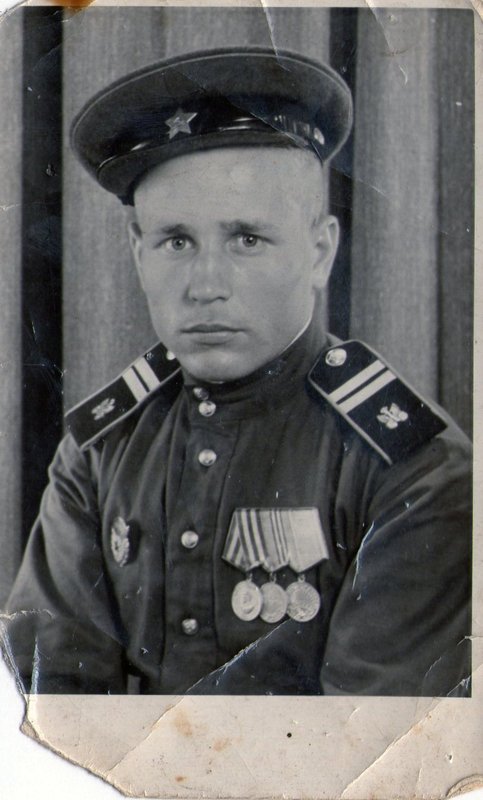
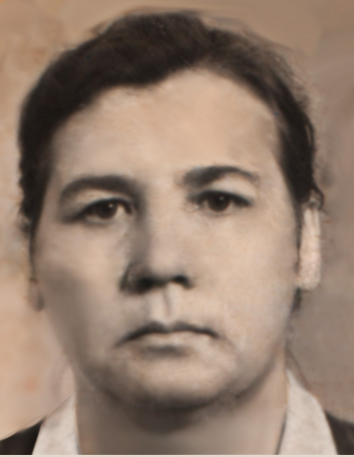
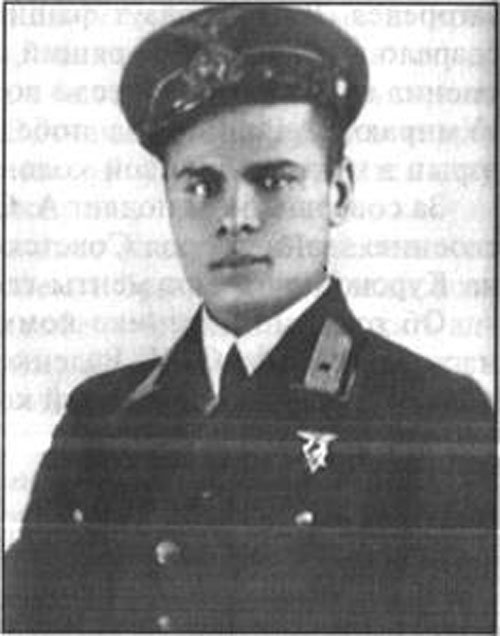
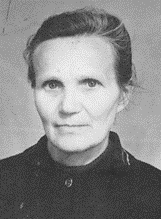
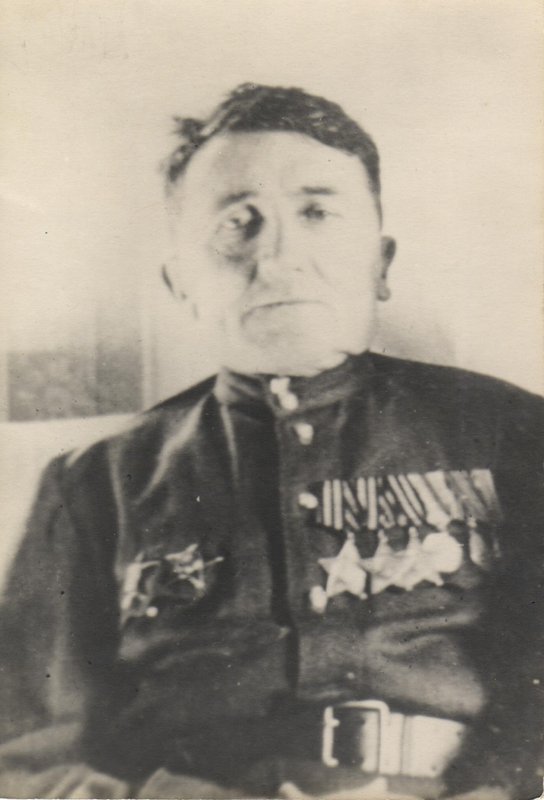
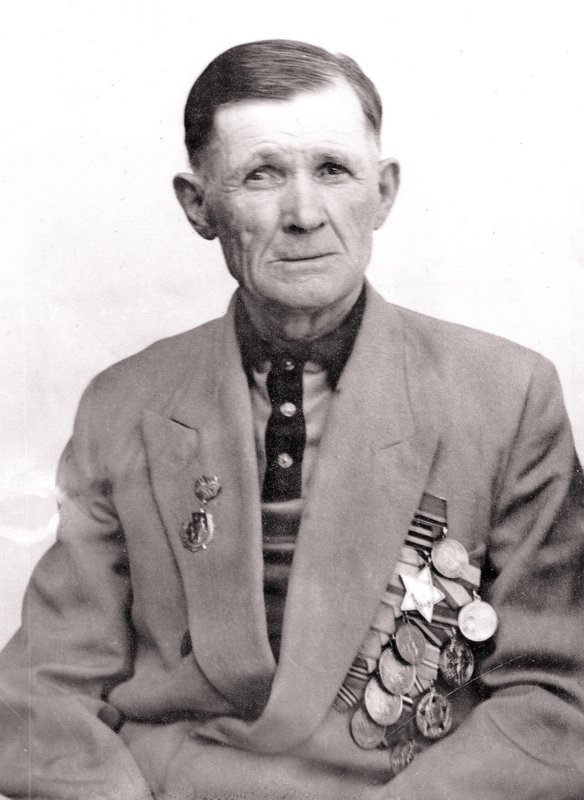
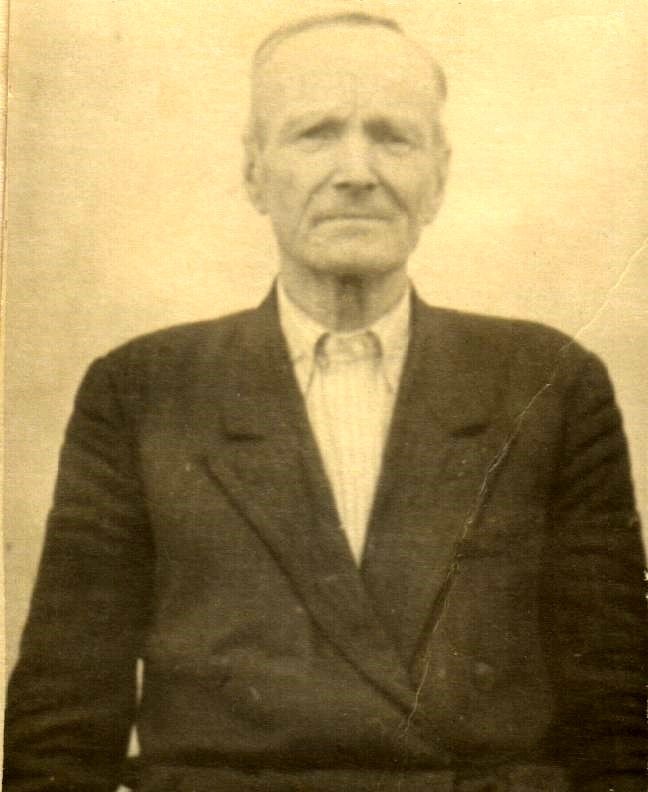
Vaskova Nina Arsentyevna
Vaskova Nina Arsentyevna_x000D_
_x000D_
Nina Vaskova - home front worker. In April 1941, my mother was 16 years old. My mother really wanted to sew. I dreamed of becoming a master in sewing women's dresses. But, in August 1941, a summons came to the house, from which it followed that she should go to study at a vocational school. Whether or not she wanted to become a grinder, no one was interested. Then there was only one word - "need". And Nina went to school. At the school, the main task of teachers was to quickly give the necessary working skills and direct them to the metallurgical plant. So soon my mother got to the long-range rolling shop. But she did not work as a sander for long, she, a smart and intelligent girl, was noticed and transferred to a more responsible job - in the OTC supervisors. They worked twelve hours a day. Daily. Without days. No vacations. And so for four years. But my mother worked and didn't complain. This was considered normal. So all the girls lived in the barracks. After all, they worked to Win. A person gets used to everything, even the most exhausting work. Still, a twelve-hour day could be exhausting for anyone. The hardest part was switching from working the night shift to working the day shift. It looked like this. After working the last day of the week from eight o'clock in the evening to eight o'clock in the morning, my mother and her friends went home. It took an hour and a half to get to the barracks. If you walk fast. At nine-thirty, she was home, ate a quick meal, and immediately fell on the bed. At half-past two in the afternoon, my grandmother had difficulty waking her up: get up, all the girls in the barracks are already going to work. My mother would jump up and put on all the trousers she had, and felt boots that had just had time to steam in the heat, but not to dry out. And already at four o'clock, together with her friends, she was at the checkpoint. From four o'clock they worked until twelve at night and went (again for an hour and a half) to their barracks. At six-thirty, after five hours of sleep at most, she would barely open her eyes and leave the house, still half asleep. So began the next week, when they worked in the morning. To learn how to work with different grades of steel, after work, she and other OTC supervisors often stayed for another two hours to study the technical minimum. Steel produced different-and for shells, and for combat guns, and armor. And each had its own special requirements. Very strict, I must say, requirements. Here is just one example. When it became clear that the Nazi shells penetrate the armor of our tanks, the Magnitogorsk iron and steel works immediately started producing high-quality armored steel. And not only did they master the production of a new brand of steel, but on December 7, 1942, they issued six standards of armored steel of the 60 SGA brand per shift. I swear, my mother, who didn't remember very well what happened last night, remembered all the steel grades produced during the war and the dates of production for the rest of her life....The control girls usually used the lunch break time to check the sheets that were rolled before the break. While the men were building a fire right next to the machines, the girls were checking every inch of the metal sheet with crayons in their hands. My mother's mistake, inattention, could have ended in tragedy at the front. And she knew it. My mother was young, tall, slender, and very beautiful. It seemed that her health was not offended by nature. But I remember that even in summer, she went to "felt" Coniah. Her feet were constantly freezing. This is from the military heritage of it. When always wet, cold felt boots and cold to the blue feet… For the last twenty years of her life, my mother had difficulty walking. Her legs were so twisted that it was hard to believe that once, guys looked at her slender figure. My mother's feet always hurt unbearably...People can handle a lot. But, the limit of physical strength is still there. The plant's management also understood this. So for a week or two the shop was transferred to an eight-hour working day. This was considered a real vacation. These days, the girls ran to the movies, liked to walk in the Park. In early 1946, my mother was awarded the medal "for valiant labor in the great Patriotic war of 1941-1945. She was in her twenty-first year. And in 1948, she was introduced to my father, a young front-line soldier. But that's a different story.
Vaskova Nina Arsentyevna
Vaskova Nina Arsentyevna_x000D_
_x000D_
Nina Vaskova - home front worker. In April 1941, my mother was 16 years old. My mother really wanted to sew. I dreamed of becoming a master in sewing women's dresses. But, in August 1941, a summons came to the house, from which it followed that she should go to study at a vocational school. Whether or not she wanted to become a grinder, no one was interested. Then there was only one word - "need". And Nina went to school. At the school, the main task of teachers was to quickly give the necessary working skills and direct them to the metallurgical plant. So soon my mother got to the long-range rolling shop. But she did not work as a sander for long, she, a smart and intelligent girl, was noticed and transferred to a more responsible job - in the OTC supervisors. They worked twelve hours a day. Daily. Without days. No vacations. And so for four years. But my mother worked and didn't complain. This was considered normal. So all the girls lived in the barracks. After all, they worked to Win. A person gets used to everything, even the most exhausting work. Still, a twelve-hour day could be exhausting for anyone. The hardest part was switching from working the night shift to working the day shift. It looked like this. After working the last day of the week from eight o'clock in the evening to eight o'clock in the morning, my mother and her friends went home. It took an hour and a half to get to the barracks. If you walk fast. At nine-thirty, she was home, ate a quick meal, and immediately fell on the bed. At half-past two in the afternoon, my grandmother had difficulty waking her up: get up, all the girls in the barracks are already going to work. My mother would jump up and put on all the trousers she had, and felt boots that had just had time to steam in the heat, but not to dry out. And already at four o'clock, together with her friends, she was at the checkpoint. From four o'clock they worked until twelve at night and went (again for an hour and a half) to their barracks. At six-thirty, after five hours of sleep at most, she would barely open her eyes and leave the house, still half asleep. So began the next week, when they worked in the morning. To learn how to work with different grades of steel, after work, she and other OTC supervisors often stayed for another two hours to study the technical minimum. Steel produced different-and for shells, and for combat guns, and armor. And each had its own special requirements. Very strict, I must say, requirements. Here is just one example. When it became clear that the Nazi shells penetrate the armor of our tanks, the Magnitogorsk iron and steel works immediately started producing high-quality armored steel. And not only did they master the production of a new brand of steel, but on December 7, 1942, they issued six standards of armored steel of the 60 SGA brand per shift. I swear, my mother, who didn't remember very well what happened last night, remembered all the steel grades produced during the war and the dates of production for the rest of her life....The control girls usually used the lunch break time to check the sheets that were rolled before the break. While the men were building a fire right next to the machines, the girls were checking every inch of the metal sheet with crayons in their hands. My mother's mistake, inattention, could have ended in tragedy at the front. And she knew it. My mother was young, tall, slender, and very beautiful. It seemed that her health was not offended by nature. But I remember that even in summer, she went to "felt" Coniah. Her feet were constantly freezing. This is from the military heritage of it. When always wet, cold felt boots and cold to the blue feet… For the last twenty years of her life, my mother had difficulty walking. Her legs were so twisted that it was hard to believe that once, guys looked at her slender figure. My mother's feet always hurt unbearably...People can handle a lot. But, the limit of physical strength is still there. The plant's management also understood this. So for a week or two the shop was transferred to an eight-hour working day. This was considered a real vacation. These days, the girls ran to the movies, liked to walk in the Park. In early 1946, my mother was awarded the medal "for valiant labor in the great Patriotic war of 1941-1945. She was in her twenty-first year. And in 1948, she was introduced to my father, a young front-line soldier. But that's a different story.
0 comment




2026 © Russian Military Historical Society Developed by Jetmix