Back to
album
album
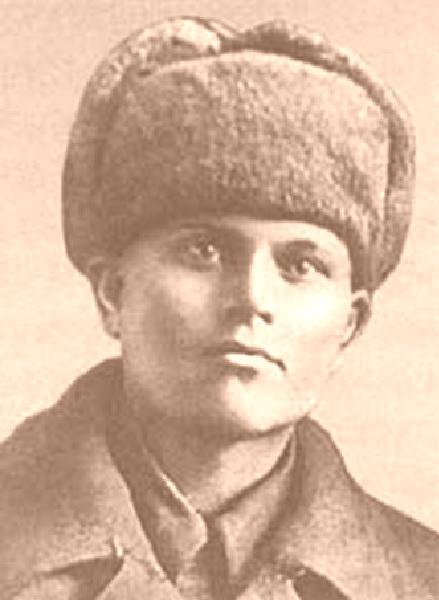
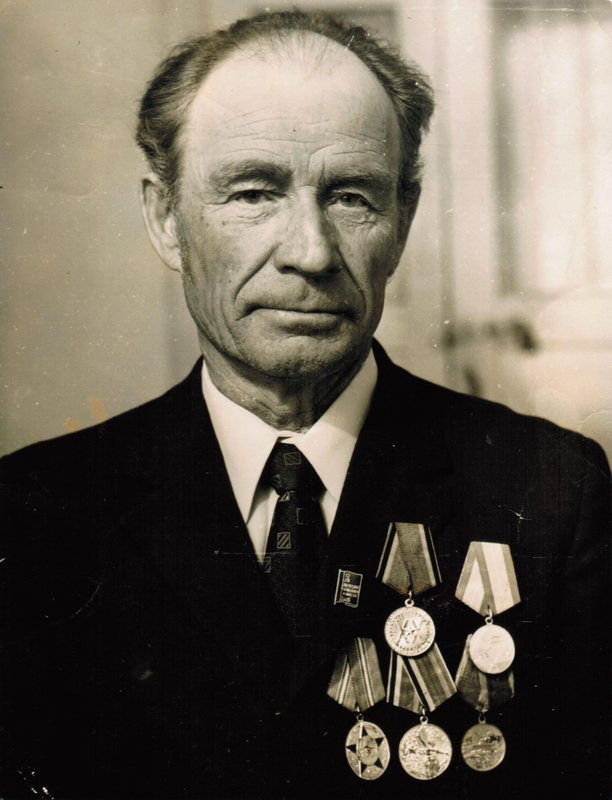
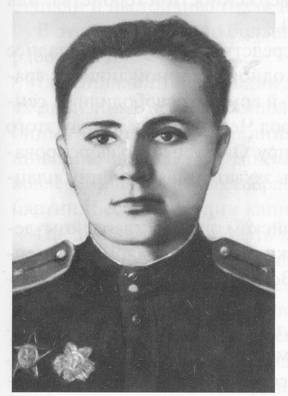
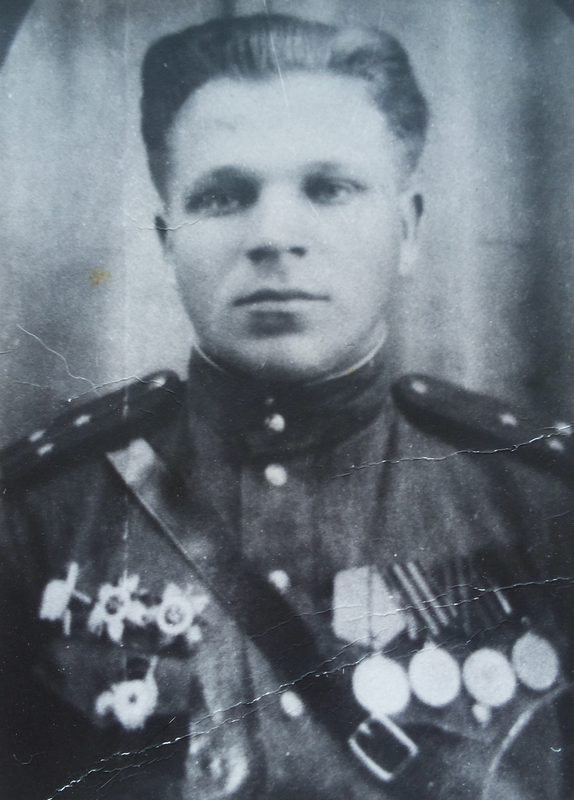
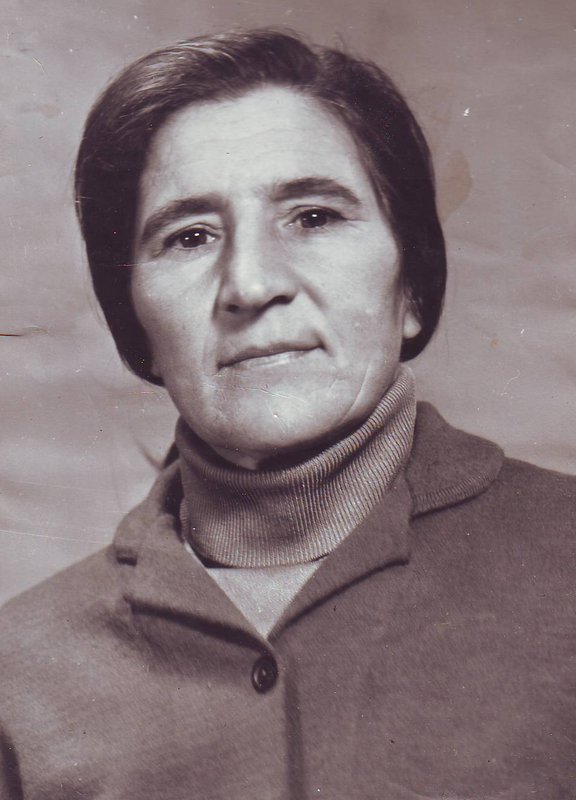
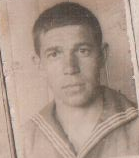
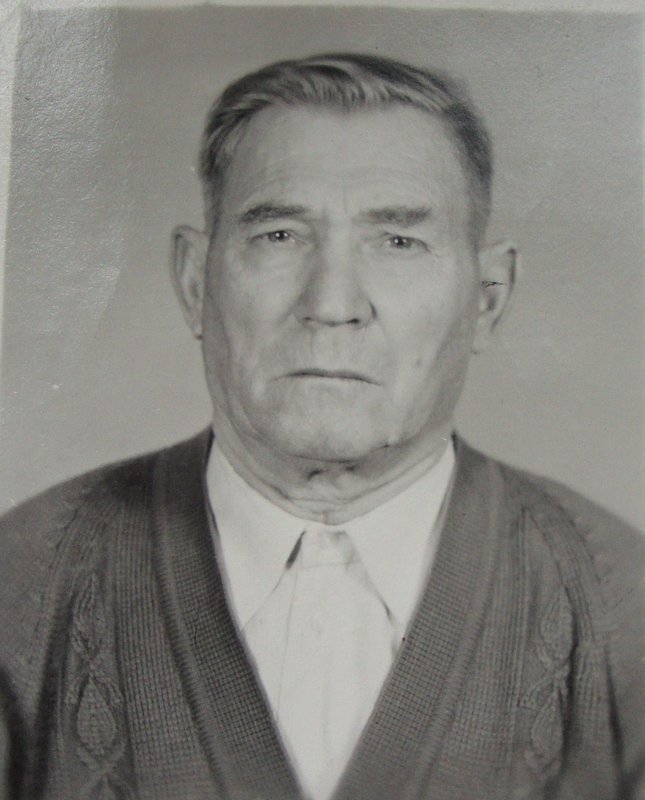
Alexey Makarovich Vakulenko
Alexey Makarovich Vakulenko_x000D_
_x000D_
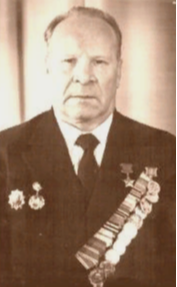
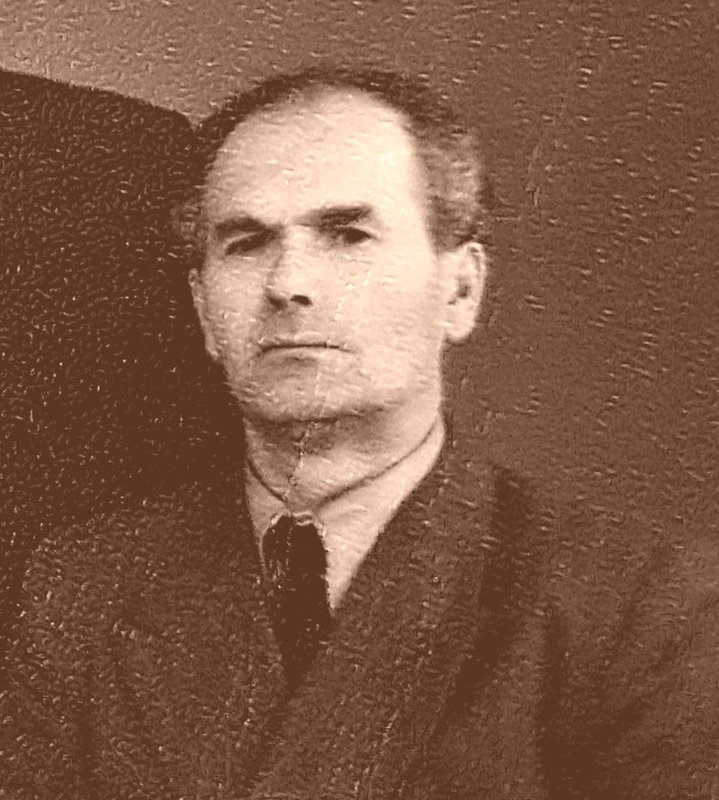
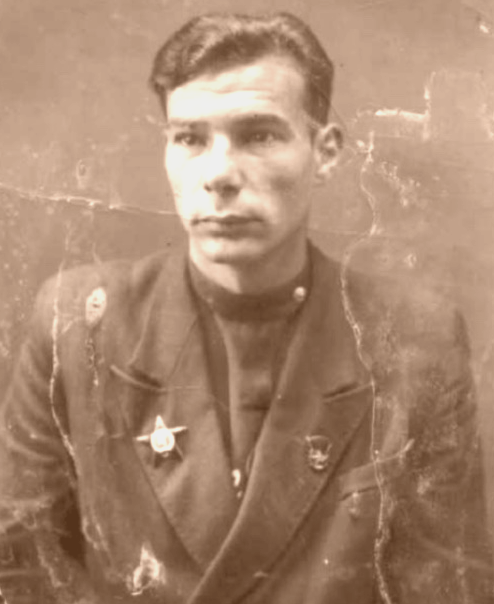
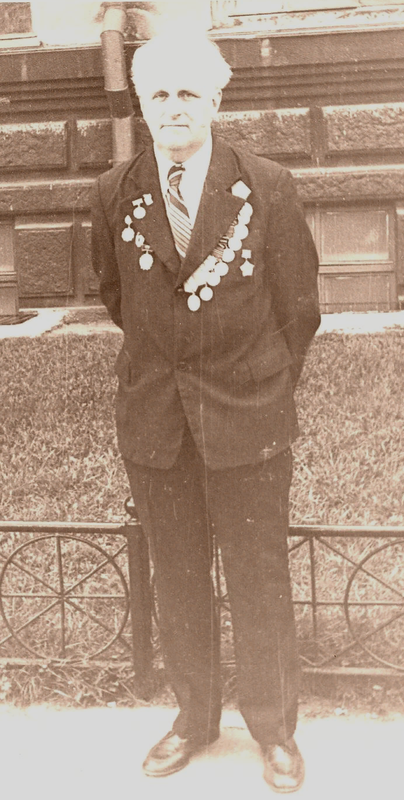
Title: Red army man Type of troops: Land forces, air force (except naval aviation), coast service, NKVD troops, border guards. My dad, Alexey Makarovich Vakulenko, was a responsible, purposeful guy. After graduating from high school, he enrolled in a tractor driver's course. After successfully completing it, Alexey began working as the tractor driver on a collective farm. And here he showed himself from the best side. He was sharp and smart at work. Therefore, he did everything at a high level. His parents and brothers were proud of his achievements. On June 22, 1941, the Nazis broke into our territory like angry dogs that broke loose. Alexey Makarovich Vakulenko worked at this time as a tractor driver on a collective farm. In 1941, he was not called up to the front but got an exemption. Tractor drivers were very necessary for a collective farm or a state farm. After all, they were the main suppliers of food for the Red Army. However, when the situation for the country was critical and dangerous, they also called male tractor drivers to the front. Therefore, women under the accelerated program mastered the profession of a tractor driver and sat at the wheel of iron horses, thereby replacing the men who went to the front. Alexandra Nikolaevna Rybalkina, the future wife of Alexey Makarovich Vakulenko, also took the wheel of one of the tractors in the village. At that time, she was already an experienced tractor driver, had experience at the wheel. Alexey Makarovich Vakulenko left to defend his Homeland. Alexey Makarovich was called to the front by the Lyubinsky district military Commissariat of the Omsk region. He was physically fit to go to the Navy. He was a little above average height, muscular, strong, courageous, bold and determined. Upon arrival at the front on the Crimean Peninsula, Alexey Makarovich was sent to the eighth marine brigade. What were they, the Marines? These are ordinary guys, carefully prepared for a fight with the Germans in close combat, physically very strong, mentally stable, desperate, brave and selflessly loving their Homeland. In a short time, a group of guys who arrived together with Alexey Makarovich Vakulenko, was taught by experienced commanders all the techniques of fighting with an arrogant enemy. I must say that the Marines were thrown to the part of the front where a critical situation was created. When the German soldiers had to come face to face with the Marines, the mere sight of a striped vest and a jacket, made them horrified. As the Germans themselves admitted, who remained miraculously alive, after meeting with the Marines: "He can kill with a machine gun, if he runs out of ammunition- he will stab with a knife-bayonet. The bayonet-knife flown off, he hits the head with the butt of the machine gun, hitting fatal blows. The butt of the machine gun flown off, it gives way to a sapper shovel, a shovel is out of order, a massive badge on a belt is used, a badge flew off – heavy fists are used and forged shoes and a head come to the rescue”. These were the Marines of the 8th brigade, in which Alexey Makarovich Vakulenko fought. The Marines of the 8th brigade fought with exceptional courage. More than once, they found themselves surrounded, but broke free. In two days of bloody fighting, the 8th brigade lost 1,700 personnel. However, the fascists wedged themselves into the defence of the 8th brigade. From June 23, 1942, to June 28, 1942, the 8th marine brigade of Marines fought in the area of Sakharnaya Golovka hill near the village of Novye Shuli. Having captured the Northern side on June 23, 1942, the troops of the 11th army of the fascists, after a five-day respite, early in the morning on June 29, 1942, began crossing the Main Bay on the section of the Shipside. At the same time, they launched an assault on Mount Sapun. Here in this fierce battle between the Soviet defenders and the German-fascist invaders, a brave man, a true patriot of the Soviet Motherland, an ordinary marine Alexey Makarovich Vakulenko, took an active part. The remaining Marines of the 8th brigade were taken to Novorossiysk by a torpedo boat. Alexey Makarovich Vakulenko was included in the Marines of the rifle regiment, where he fought with the Nazi invaders in the area of Novorossiysk until November 1942. And in the same month, Alexey Makarovich Vakulenko was seriously wounded in the right leg. Fortunately, a nearby comrade was not confused and provided assistance in time. Soon paramedics arrived and carried him to a safe distance. Then the medical instructor provided emergency assistance to Alexey Makarovich, loaded him on a car and sent him to a field hospital, but before that, he said: “Alexey, consider that you were born under the lucky star, the wound is very serious”. If the sanitary instructor had not arrived in time, it is unlikely that we would have had the opportunity to write about Alexey Makarovich now. Doctors, having well checked the condition and degree of damage to the right leg of the marine soldier, sent the wounded man to the military hospital № 2731. Amputation of the lower limb was in question. However, thank God, a heaven-born surgeon was operating, and Alexey Makarovich saved his leg. Alexey Makarovich was under treatment for a long time, and his leg function was restoring slowly. He was staying there from November 1942 to November 1943. After treatment, he rushed to the front again, believing that he had not yet fully paid off the Nazis. He wanted to continue to beat the fascists and defend his Homeland. But the military medical Commission at the hospital decided that the marine of the 8th marine brigade is not suitable for military combat service. And Alexey Makarovich Vakulenko was dismissed from the ranks of the Armed Forces of the USSR and sent home. Alexey Makarovich Vakulenko was awarded the medal "For military valour", the medal "For the defence of Sevastopol", the medal "For bravery", the medal "For the victory over Germany" for his courage and bravery during the Great Patriotic war of 1941-1945. This is the military path that our hero Alexey Makarovich Vakulenko went through, although not long, but hellish, and in which, fortunately, he miraculously managed to survive. In peacetime, Alexey Makarovich Vakulenko was awarded the "Veteran of labour" medal for high performance in labour and organizational skills. He was encouraged many times by the leaders of agriculture with thanks, certificates, valuable gifts, cash bonuses, and the right to purchase an unscheduled car. As a person, as a mid-level manager, he enjoyed unquestionable authority and great respect among those with whom he had to live and work. He left the brightest, kindest human memory of himself. I, Antonida Alekseevna, the youngest in the family, which had 8 children, do not know much about his military fate. My sisters and I, according to the recollections from my father's stories, restored his military path bit by bit. Dad didn't like to talk about the war. It was a very sore subject for him. And when I pestered him to tell me something, he always told me: “My daughter, it was a terrible time and God forbid you to know what war is”. Tears welled up in his eyes, which he furtively brushed away. He probably did not want to injure my childish psyche, and many military events were still taboo at that time. I remember how in the 5th grade we were given a task to write about the fighting path of our father, grandfather, and uncle. I really asked my father to tell me what war is and at least a small episode from military life. After some silence, dad picked up the accordion and began to play, singing his favourite front-line song "Oh, roads, dust and fog...”. There were tears running down his face, but he didn't hide them anymore. I remember my dad playing this tune from time to time, and it was always with pain in his eyes and tears. On Victory Day, May 9, after the rally, dad would come home and always pick up the accordion and play this tune, and I would sit next to him and listen, not understanding even then, because of my age, why dad had such pain in his eyes. It wasn't until I grew up that I realized how much my dad was hurt by the memories of the war. I know that during one of the fights, dad was injured. Shrapnel damaged the foot of his foot, and the hospital sewed it on, but the nerve was damaged. He had a big scar on his leg for the rest of his life. The wound often bothered him, but he tried not to show it to anyone. I also remember my dad going to the Victory day celebration on May 9. He was always in high spirits, dressed in his formal suit, which had awards on it. My dad always polished them, and they were very shiny. I loved watching it and asked my dad why he rubs them so hard. And dad said that these awards were very dear to him, that it was a memory. How proud I was of my father when I stood guard at the Obelisk on such a festive day and saw him on the podium with his head held high and medals shining on his jacket. And I remember the sense of responsibility and pride when we, the pioneers, gave a salute to war veterans and honour the memory of the fallen soldiers. It was very touching for us, schoolchildren, and it was considered an honour to stand guard. My father has always been an example of sincerity and decency for me. He was always very kind, caring, and loving. We, 7 daughters and 1 son, have never heard a rude word from dad, let alone cursing. Dad never scolded or beat us. If one of us did something wrong, he sat him down next to him and calmly explained the unsightliness of this act. We all grew up in the love and care of our parents. We children, in all the years we have lived in our parents' home, never heard a quarrel between our father and mother or a rude attitude towards each other. They always loved, respected and appreciated each other, setting an example for us. And we are very grateful to them for this. They invested in us, in their children, the kindness and sincerity and warmth of their hearts. The bright memory of my father and mother will always be in our hearts."
Alexey Makarovich Vakulenko
Alexey Makarovich Vakulenko_x000D_
_x000D_
Title: Red army man Type of troops: Land forces, air force (except naval aviation), coast service, NKVD troops, border guards. My dad, Alexey Makarovich Vakulenko, was a responsible, purposeful guy. After graduating from high school, he enrolled in a tractor driver's course. After successfully completing it, Alexey began working as the tractor driver on a collective farm. And here he showed himself from the best side. He was sharp and smart at work. Therefore, he did everything at a high level. His parents and brothers were proud of his achievements. On June 22, 1941, the Nazis broke into our territory like angry dogs that broke loose. Alexey Makarovich Vakulenko worked at this time as a tractor driver on a collective farm. In 1941, he was not called up to the front but got an exemption. Tractor drivers were very necessary for a collective farm or a state farm. After all, they were the main suppliers of food for the Red Army. However, when the situation for the country was critical and dangerous, they also called male tractor drivers to the front. Therefore, women under the accelerated program mastered the profession of a tractor driver and sat at the wheel of iron horses, thereby replacing the men who went to the front. Alexandra Nikolaevna Rybalkina, the future wife of Alexey Makarovich Vakulenko, also took the wheel of one of the tractors in the village. At that time, she was already an experienced tractor driver, had experience at the wheel. Alexey Makarovich Vakulenko left to defend his Homeland. Alexey Makarovich was called to the front by the Lyubinsky district military Commissariat of the Omsk region. He was physically fit to go to the Navy. He was a little above average height, muscular, strong, courageous, bold and determined. Upon arrival at the front on the Crimean Peninsula, Alexey Makarovich was sent to the eighth marine brigade. What were they, the Marines? These are ordinary guys, carefully prepared for a fight with the Germans in close combat, physically very strong, mentally stable, desperate, brave and selflessly loving their Homeland. In a short time, a group of guys who arrived together with Alexey Makarovich Vakulenko, was taught by experienced commanders all the techniques of fighting with an arrogant enemy. I must say that the Marines were thrown to the part of the front where a critical situation was created. When the German soldiers had to come face to face with the Marines, the mere sight of a striped vest and a jacket, made them horrified. As the Germans themselves admitted, who remained miraculously alive, after meeting with the Marines: "He can kill with a machine gun, if he runs out of ammunition- he will stab with a knife-bayonet. The bayonet-knife flown off, he hits the head with the butt of the machine gun, hitting fatal blows. The butt of the machine gun flown off, it gives way to a sapper shovel, a shovel is out of order, a massive badge on a belt is used, a badge flew off – heavy fists are used and forged shoes and a head come to the rescue”. These were the Marines of the 8th brigade, in which Alexey Makarovich Vakulenko fought. The Marines of the 8th brigade fought with exceptional courage. More than once, they found themselves surrounded, but broke free. In two days of bloody fighting, the 8th brigade lost 1,700 personnel. However, the fascists wedged themselves into the defence of the 8th brigade. From June 23, 1942, to June 28, 1942, the 8th marine brigade of Marines fought in the area of Sakharnaya Golovka hill near the village of Novye Shuli. Having captured the Northern side on June 23, 1942, the troops of the 11th army of the fascists, after a five-day respite, early in the morning on June 29, 1942, began crossing the Main Bay on the section of the Shipside. At the same time, they launched an assault on Mount Sapun. Here in this fierce battle between the Soviet defenders and the German-fascist invaders, a brave man, a true patriot of the Soviet Motherland, an ordinary marine Alexey Makarovich Vakulenko, took an active part. The remaining Marines of the 8th brigade were taken to Novorossiysk by a torpedo boat. Alexey Makarovich Vakulenko was included in the Marines of the rifle regiment, where he fought with the Nazi invaders in the area of Novorossiysk until November 1942. And in the same month, Alexey Makarovich Vakulenko was seriously wounded in the right leg. Fortunately, a nearby comrade was not confused and provided assistance in time. Soon paramedics arrived and carried him to a safe distance. Then the medical instructor provided emergency assistance to Alexey Makarovich, loaded him on a car and sent him to a field hospital, but before that, he said: “Alexey, consider that you were born under the lucky star, the wound is very serious”. If the sanitary instructor had not arrived in time, it is unlikely that we would have had the opportunity to write about Alexey Makarovich now. Doctors, having well checked the condition and degree of damage to the right leg of the marine soldier, sent the wounded man to the military hospital № 2731. Amputation of the lower limb was in question. However, thank God, a heaven-born surgeon was operating, and Alexey Makarovich saved his leg. Alexey Makarovich was under treatment for a long time, and his leg function was restoring slowly. He was staying there from November 1942 to November 1943. After treatment, he rushed to the front again, believing that he had not yet fully paid off the Nazis. He wanted to continue to beat the fascists and defend his Homeland. But the military medical Commission at the hospital decided that the marine of the 8th marine brigade is not suitable for military combat service. And Alexey Makarovich Vakulenko was dismissed from the ranks of the Armed Forces of the USSR and sent home. Alexey Makarovich Vakulenko was awarded the medal "For military valour", the medal "For the defence of Sevastopol", the medal "For bravery", the medal "For the victory over Germany" for his courage and bravery during the Great Patriotic war of 1941-1945. This is the military path that our hero Alexey Makarovich Vakulenko went through, although not long, but hellish, and in which, fortunately, he miraculously managed to survive. In peacetime, Alexey Makarovich Vakulenko was awarded the "Veteran of labour" medal for high performance in labour and organizational skills. He was encouraged many times by the leaders of agriculture with thanks, certificates, valuable gifts, cash bonuses, and the right to purchase an unscheduled car. As a person, as a mid-level manager, he enjoyed unquestionable authority and great respect among those with whom he had to live and work. He left the brightest, kindest human memory of himself. I, Antonida Alekseevna, the youngest in the family, which had 8 children, do not know much about his military fate. My sisters and I, according to the recollections from my father's stories, restored his military path bit by bit. Dad didn't like to talk about the war. It was a very sore subject for him. And when I pestered him to tell me something, he always told me: “My daughter, it was a terrible time and God forbid you to know what war is”. Tears welled up in his eyes, which he furtively brushed away. He probably did not want to injure my childish psyche, and many military events were still taboo at that time. I remember how in the 5th grade we were given a task to write about the fighting path of our father, grandfather, and uncle. I really asked my father to tell me what war is and at least a small episode from military life. After some silence, dad picked up the accordion and began to play, singing his favourite front-line song "Oh, roads, dust and fog...”. There were tears running down his face, but he didn't hide them anymore. I remember my dad playing this tune from time to time, and it was always with pain in his eyes and tears. On Victory Day, May 9, after the rally, dad would come home and always pick up the accordion and play this tune, and I would sit next to him and listen, not understanding even then, because of my age, why dad had such pain in his eyes. It wasn't until I grew up that I realized how much my dad was hurt by the memories of the war. I know that during one of the fights, dad was injured. Shrapnel damaged the foot of his foot, and the hospital sewed it on, but the nerve was damaged. He had a big scar on his leg for the rest of his life. The wound often bothered him, but he tried not to show it to anyone. I also remember my dad going to the Victory day celebration on May 9. He was always in high spirits, dressed in his formal suit, which had awards on it. My dad always polished them, and they were very shiny. I loved watching it and asked my dad why he rubs them so hard. And dad said that these awards were very dear to him, that it was a memory. How proud I was of my father when I stood guard at the Obelisk on such a festive day and saw him on the podium with his head held high and medals shining on his jacket. And I remember the sense of responsibility and pride when we, the pioneers, gave a salute to war veterans and honour the memory of the fallen soldiers. It was very touching for us, schoolchildren, and it was considered an honour to stand guard. My father has always been an example of sincerity and decency for me. He was always very kind, caring, and loving. We, 7 daughters and 1 son, have never heard a rude word from dad, let alone cursing. Dad never scolded or beat us. If one of us did something wrong, he sat him down next to him and calmly explained the unsightliness of this act. We all grew up in the love and care of our parents. We children, in all the years we have lived in our parents' home, never heard a quarrel between our father and mother or a rude attitude towards each other. They always loved, respected and appreciated each other, setting an example for us. And we are very grateful to them for this. They invested in us, in their children, the kindness and sincerity and warmth of their hearts. The bright memory of my father and mother will always be in our hearts."
0 comment




2026 © Russian Military Historical Society Developed by Jetmix