Back to
album
album
Vasiliev Ivan Petrovich
Vasiliev Ivan Petrovich_x000D_
_x000D_
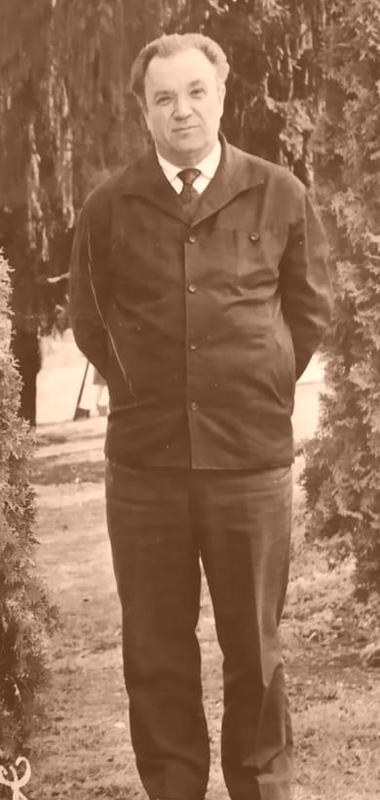
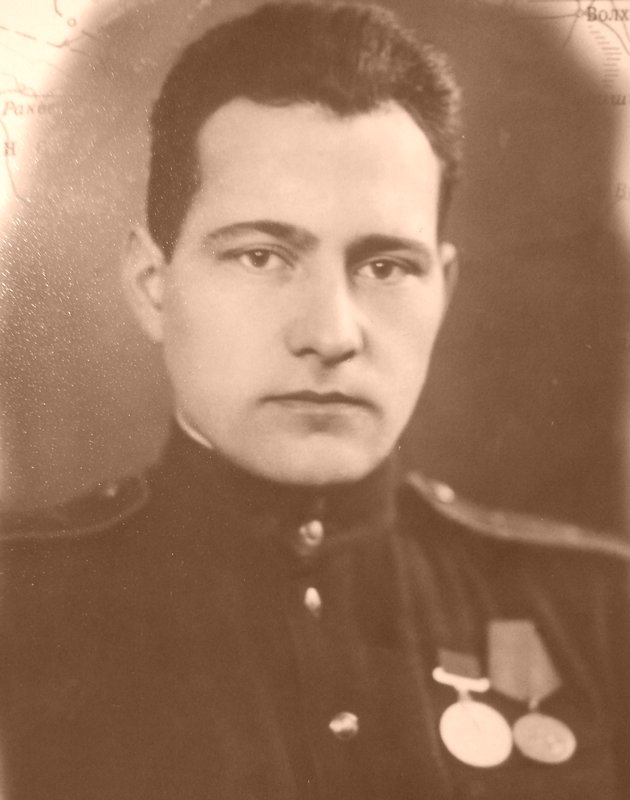
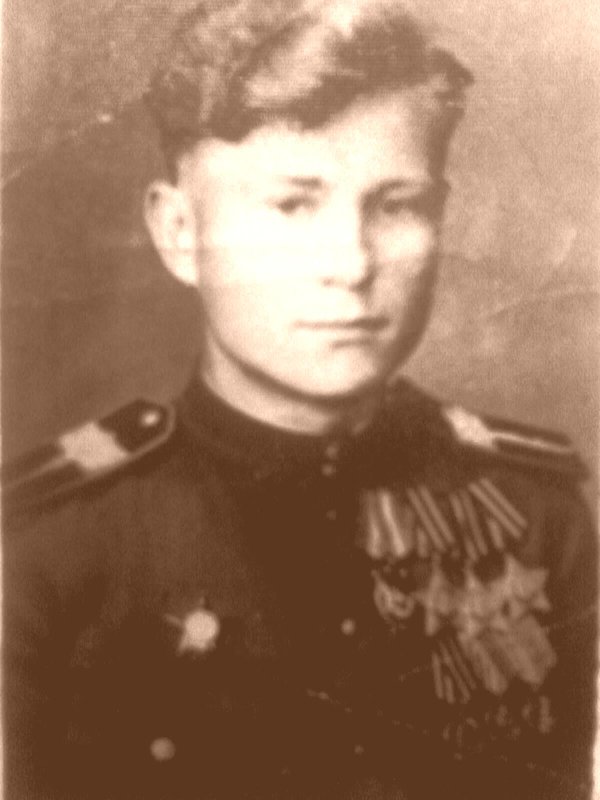
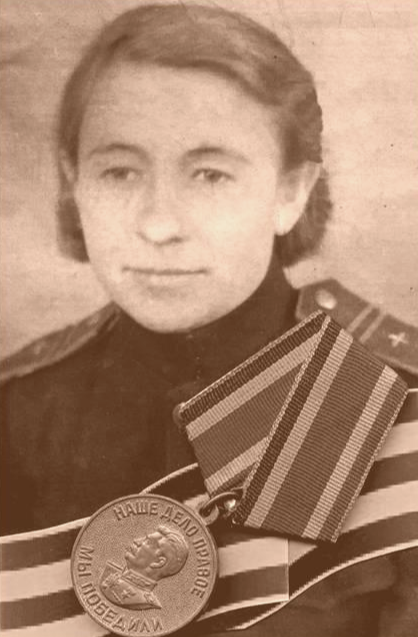
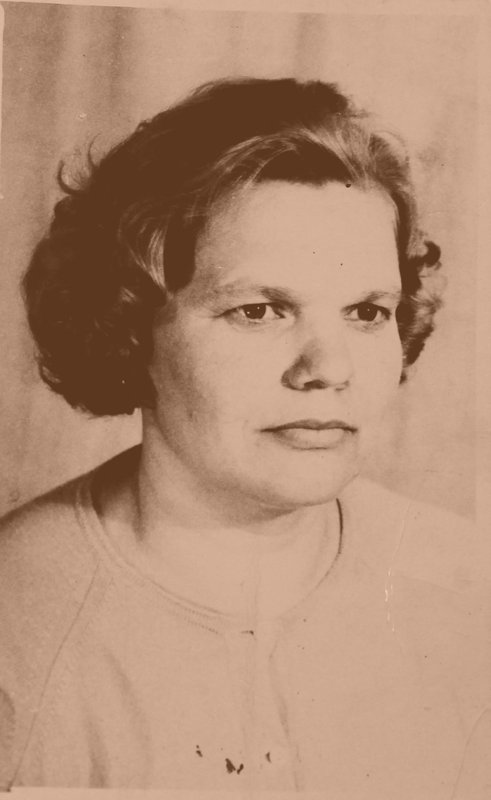
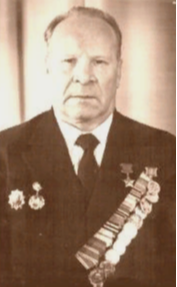
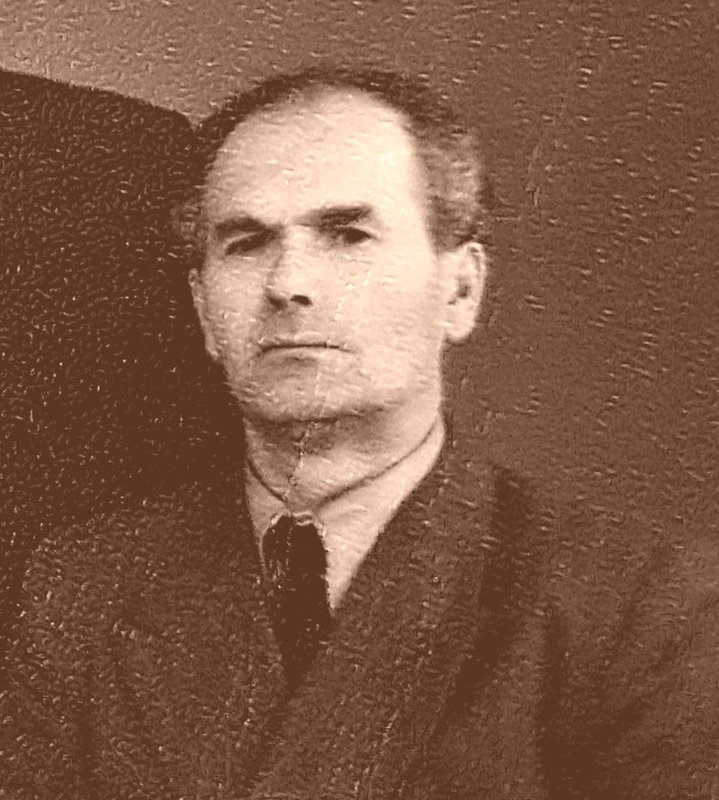
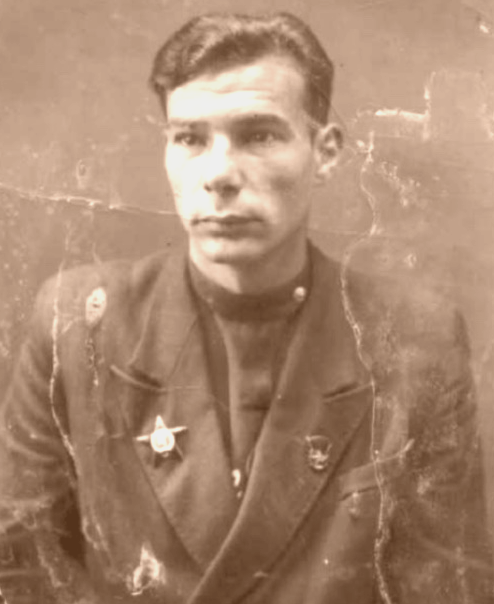
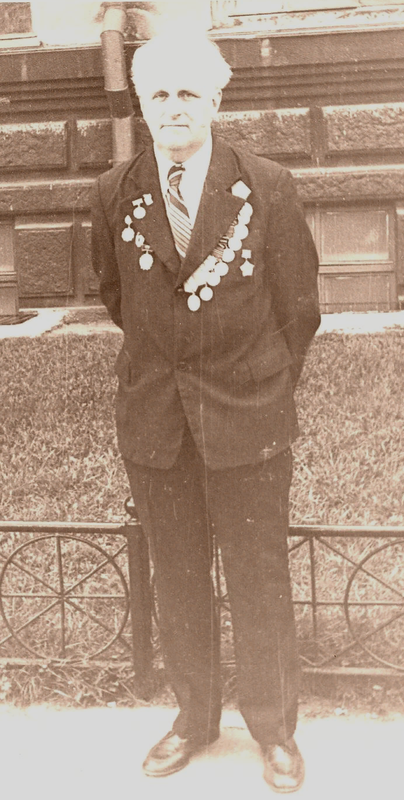
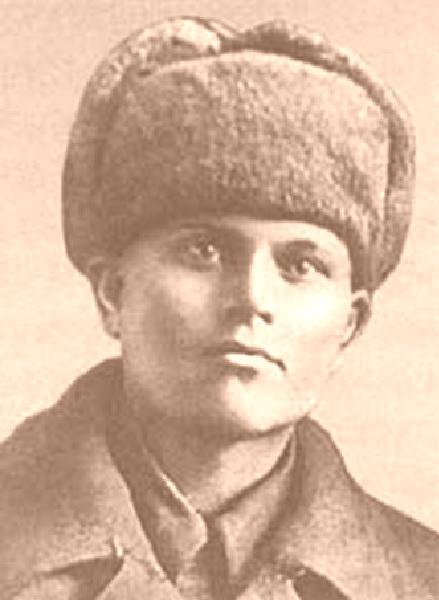
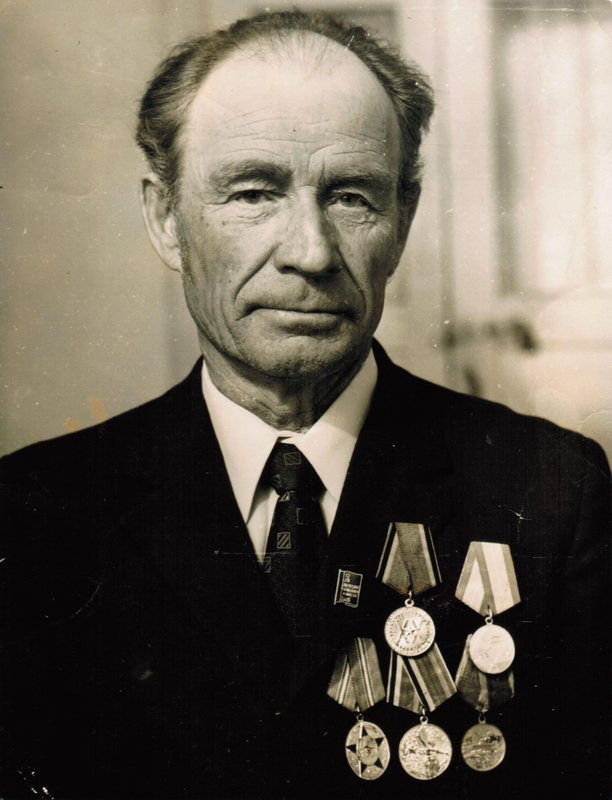
Vasiliev Ivan Petrovich, a pontooner of the 9th separate motorized pontoon bridge battalion (60th army, Central front), Sergeant. Born on August 2, 1921, in the village of Turmanskoe, Cherepovets district, Vologda region, in a peasant family. Russian. After finishing seven classes, in 1937 he went to Leningrad (now Saint Petersburg), graduated from an industrial training centre (ITC) at the Krasniy Treugolnik factory. Having received the fifth category of a locksmith, he worked as a locksmith at the Onega metallurgical plant in Petrozavodsk. In 1939, he returned to Leningrad and worked as a locksmith at the Bolshevik factory. Drafted into the army on 23.04.1941. He met the war on June 22, 1941, when the school of Junior commanders, located in summer camps almost at the border, was bombed by Nazi aircraft. The remaining cadets were loaded into cars and sent east. After a short training in pontoon and mine demolition, Junior Sergeant Vasiliev I. P. was sent to the ninth separate motorized pontoon bridge battalion. He fought on the Southwestern, Don, Stalingrad (medal "for the defence of Stalingrad"), Western, Central, first Ukrainian (medal "for the defence of Kyiv), first and second Belorussian fronts. The battalion was in either the army or front-line subordination and provided assault river crossing in the most important combat operations. He especially distinguished himself during the Chernihiv-Pripyat offensive operation (August 26-September 30, 1943) - an integral part of the Chernihiv-Poltava strategic operation, where, as part of the battalion, he ensured the crossing of the Dnieper by the troops of the 60th army, North of Kyiv. On the first day of the crossing, September 26, 1943, in the area of the village of Stary Glybov (Kozeletsky district of Chernihiv region), his squad ferried under enemy fire to the right Bank of the Dnieper to an infantry battalion with attached light artillery. During the crossing, I. P. Vasiliev, having installed an easel machine gun on his pontoon, covered the landing with machine-gun fire. By a decree of the Presidium of the Supreme Soviet of the USSR of October 17, 1943, for courage and heroism shown during the assault crossing of the Dnieper, Ivan Petrovich Vasiliev was awarded the title Hero of the Soviet Union with the Order of Lenin and the Gold Star medal. In 1944, Sergeant I. p. Vasiliev was sent to short-term courses, after which he was awarded the rank of Junior Lieutenant. He ended the war as the commander of a mine-blasting platoon. Since 1946, junior Lieutenant I. P. Vasiliev was in the reserve. He returned to Leningrad. He worked as a supervisor of fitters in the All-Union scientific research Institute of television. He put into operation TV centres in Tashkent, Komsomolsk-on-Amur and many others. For labour achievements, he was awarded the Order of the October Revolution, a certificate of Honor of the Central Committee of the Komsomol. For active participation in the construction of the Tashkent TV centre, he was awarded a Certificate of Honour by the Presidium of the Supreme Soviet of the Uzbek SSR. He died on August 22, 2010. He was buried at the Kolpinsky cemetery in Saint Petersburg.
Vasiliev Ivan Petrovich
Vasiliev Ivan Petrovich_x000D_
_x000D_
Vasiliev Ivan Petrovich, a pontooner of the 9th separate motorized pontoon bridge battalion (60th army, Central front), Sergeant. Born on August 2, 1921, in the village of Turmanskoe, Cherepovets district, Vologda region, in a peasant family. Russian. After finishing seven classes, in 1937 he went to Leningrad (now Saint Petersburg), graduated from an industrial training centre (ITC) at the Krasniy Treugolnik factory. Having received the fifth category of a locksmith, he worked as a locksmith at the Onega metallurgical plant in Petrozavodsk. In 1939, he returned to Leningrad and worked as a locksmith at the Bolshevik factory. Drafted into the army on 23.04.1941. He met the war on June 22, 1941, when the school of Junior commanders, located in summer camps almost at the border, was bombed by Nazi aircraft. The remaining cadets were loaded into cars and sent east. After a short training in pontoon and mine demolition, Junior Sergeant Vasiliev I. P. was sent to the ninth separate motorized pontoon bridge battalion. He fought on the Southwestern, Don, Stalingrad (medal "for the defence of Stalingrad"), Western, Central, first Ukrainian (medal "for the defence of Kyiv), first and second Belorussian fronts. The battalion was in either the army or front-line subordination and provided assault river crossing in the most important combat operations. He especially distinguished himself during the Chernihiv-Pripyat offensive operation (August 26-September 30, 1943) - an integral part of the Chernihiv-Poltava strategic operation, where, as part of the battalion, he ensured the crossing of the Dnieper by the troops of the 60th army, North of Kyiv. On the first day of the crossing, September 26, 1943, in the area of the village of Stary Glybov (Kozeletsky district of Chernihiv region), his squad ferried under enemy fire to the right Bank of the Dnieper to an infantry battalion with attached light artillery. During the crossing, I. P. Vasiliev, having installed an easel machine gun on his pontoon, covered the landing with machine-gun fire. By a decree of the Presidium of the Supreme Soviet of the USSR of October 17, 1943, for courage and heroism shown during the assault crossing of the Dnieper, Ivan Petrovich Vasiliev was awarded the title Hero of the Soviet Union with the Order of Lenin and the Gold Star medal. In 1944, Sergeant I. p. Vasiliev was sent to short-term courses, after which he was awarded the rank of Junior Lieutenant. He ended the war as the commander of a mine-blasting platoon. Since 1946, junior Lieutenant I. P. Vasiliev was in the reserve. He returned to Leningrad. He worked as a supervisor of fitters in the All-Union scientific research Institute of television. He put into operation TV centres in Tashkent, Komsomolsk-on-Amur and many others. For labour achievements, he was awarded the Order of the October Revolution, a certificate of Honor of the Central Committee of the Komsomol. For active participation in the construction of the Tashkent TV centre, he was awarded a Certificate of Honour by the Presidium of the Supreme Soviet of the Uzbek SSR. He died on August 22, 2010. He was buried at the Kolpinsky cemetery in Saint Petersburg.
0 comment




2026 © Russian Military Historical Society Developed by Jetmix