Back to
album
album
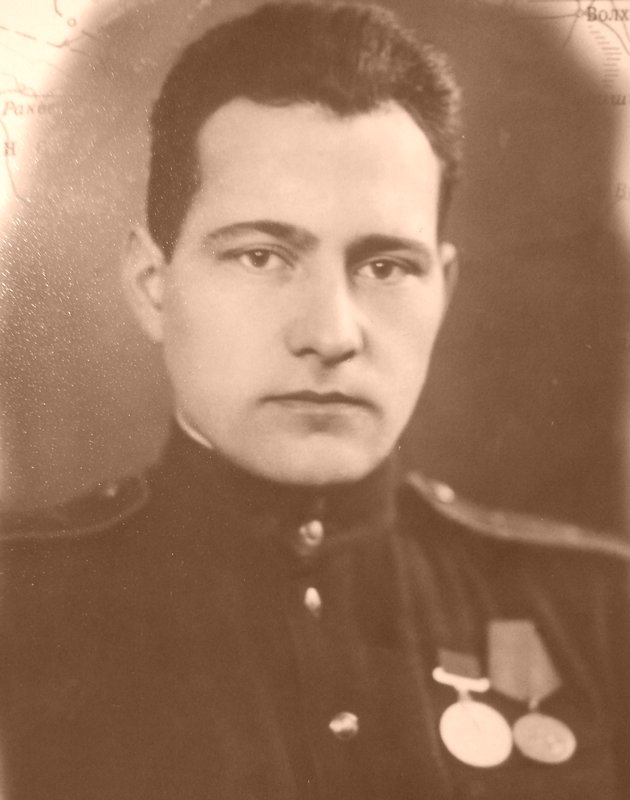
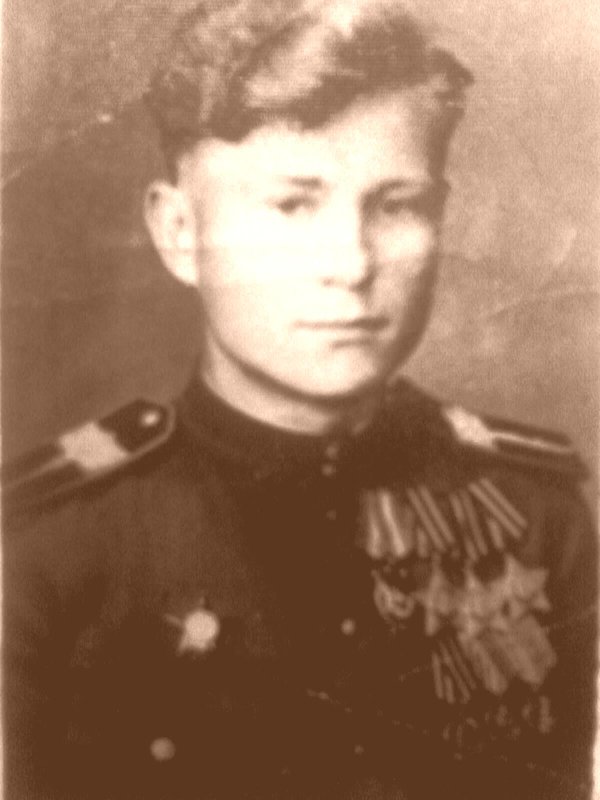
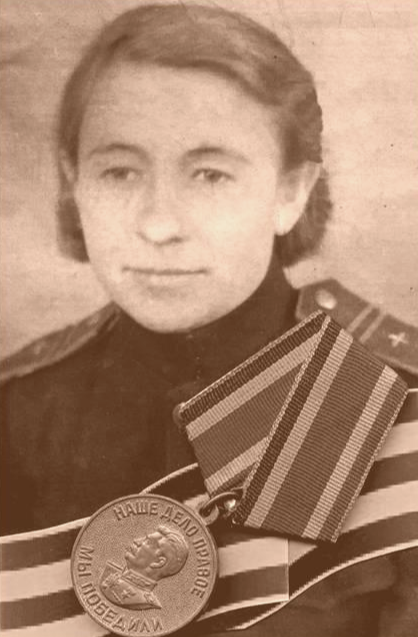
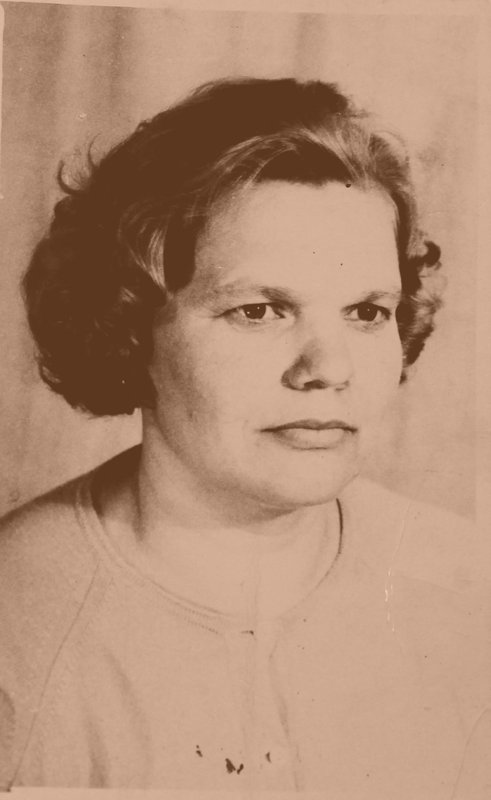
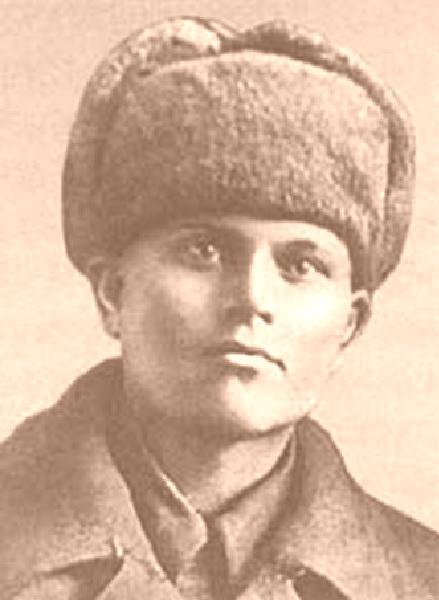
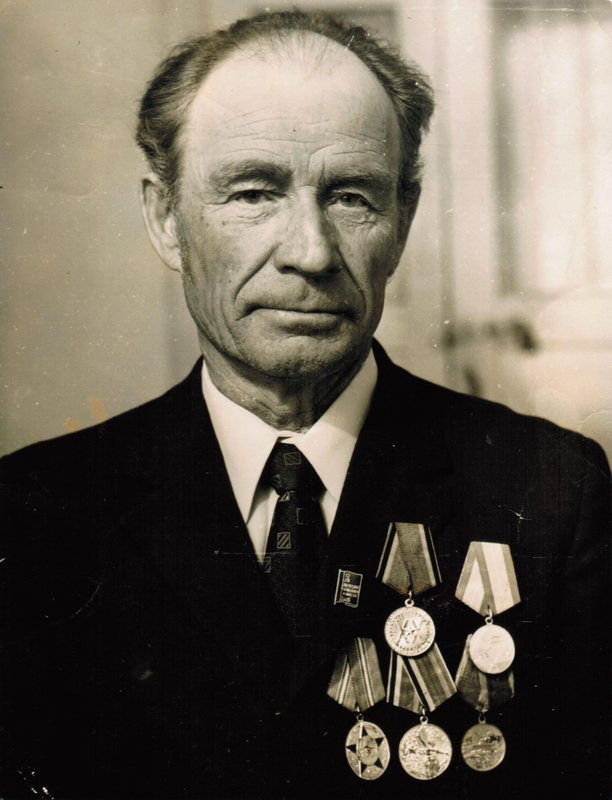
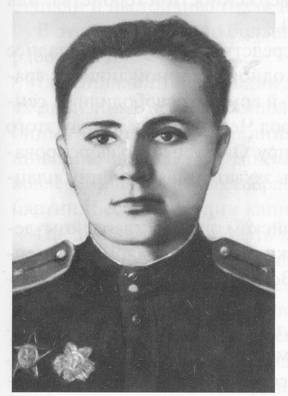
Voronkov Sergey Pavlovich
Voronkov Sergey Pavlovich_x000D_
_x000D_
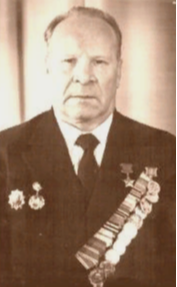
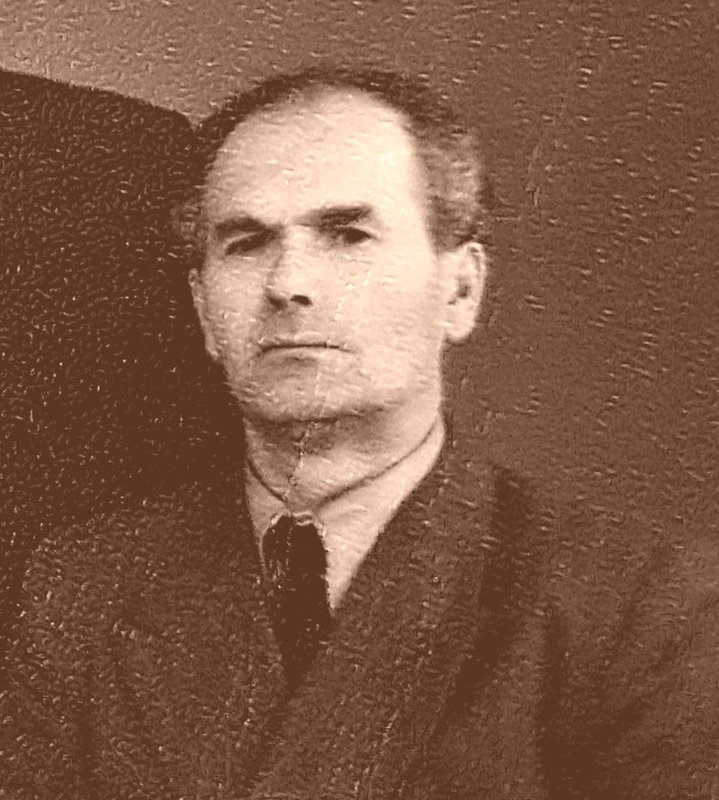
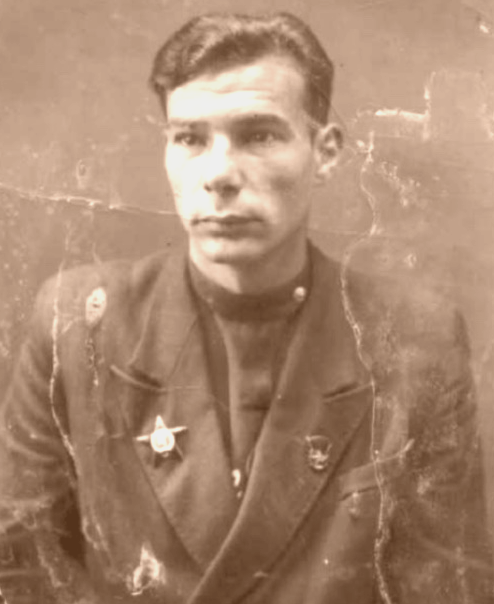
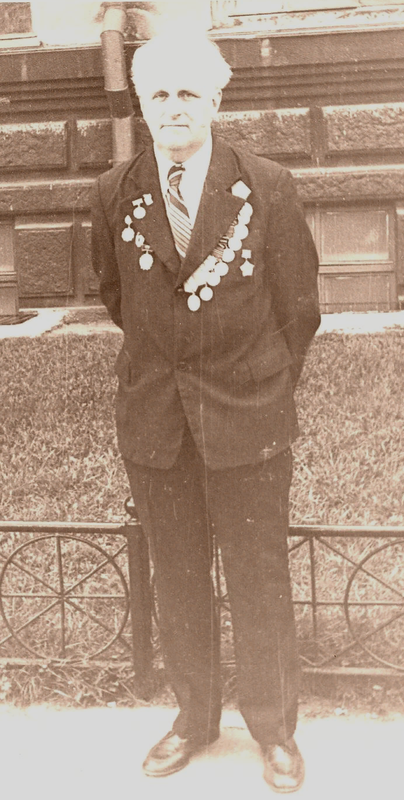
A participant of the Great Patriotic War. According to the roll of the 320 reserve rifle division from 25.03.1943 for 1,110 soldiers who were in Nazi captivity and encirclement, Sergey Pavlovich served as a private of a separate artillery division before the encirclement and after leaving the encirclement was sent as a telephone operator to the Third battalion of the Third company of a separate artillery division of the 478 rifle regiment of the 320 rifle division of the 44 army. Then he fought as a private in the 346 rifle regiment of the 63 rifle division. On December 11, 1943, during the offensive on Kakhovka, he was seriously wounded and sent to the hospital. In May 1944, he returned to his unit and was sent to the Belorussian front, where in June he distinguished himself in the battles during the breakthrough of the Vitebsk defence. Breaking through the first line of defence of the Germans, the platoon in which Voronkov was located occupied the enemy dugout. The next dugout was on the right and had a trench connecting these dugouts. Following the order of the platoon commander, Voronkov went to the dugout, where a German machine gunner was reloading a machine gun. Voronkov shot him with a rifle. When he heard the Germans talking in the dugout, he threw a grenade and killed two more Germans. With his feat, Voronkov secured the right flank and rear for the advancing units. From July 1944, as part of the same front and unit, as a corporal in the position of squad commander, in August, during the attack on the city of Konigsberg, he replaced the wounded platoon commander and conducted a successful battle. On October 22, 1944, he was slightly wounded. At home, he was long believed to have been killed on July 9, 1944, and buried near the town of Korve in the Mazhekiai district of the Lithuanian SSR. His name even appeared on the marble slabs at the Eternal flame in Kaspiysk. After the war, an All-Union Communist Party candidate corporal Voronkov served as an electrician for the technical battalion of the 9 separate reserve regiment of mechanical railway works. Was married. His wife Efrosinya Vasilyevna lived in Dvigatelstroy in 1944. On November 6, 1947, he was awarded the Order of Glory second grade for his feats.
Voronkov Sergey Pavlovich
Voronkov Sergey Pavlovich_x000D_
_x000D_
A participant of the Great Patriotic War. According to the roll of the 320 reserve rifle division from 25.03.1943 for 1,110 soldiers who were in Nazi captivity and encirclement, Sergey Pavlovich served as a private of a separate artillery division before the encirclement and after leaving the encirclement was sent as a telephone operator to the Third battalion of the Third company of a separate artillery division of the 478 rifle regiment of the 320 rifle division of the 44 army. Then he fought as a private in the 346 rifle regiment of the 63 rifle division. On December 11, 1943, during the offensive on Kakhovka, he was seriously wounded and sent to the hospital. In May 1944, he returned to his unit and was sent to the Belorussian front, where in June he distinguished himself in the battles during the breakthrough of the Vitebsk defence. Breaking through the first line of defence of the Germans, the platoon in which Voronkov was located occupied the enemy dugout. The next dugout was on the right and had a trench connecting these dugouts. Following the order of the platoon commander, Voronkov went to the dugout, where a German machine gunner was reloading a machine gun. Voronkov shot him with a rifle. When he heard the Germans talking in the dugout, he threw a grenade and killed two more Germans. With his feat, Voronkov secured the right flank and rear for the advancing units. From July 1944, as part of the same front and unit, as a corporal in the position of squad commander, in August, during the attack on the city of Konigsberg, he replaced the wounded platoon commander and conducted a successful battle. On October 22, 1944, he was slightly wounded. At home, he was long believed to have been killed on July 9, 1944, and buried near the town of Korve in the Mazhekiai district of the Lithuanian SSR. His name even appeared on the marble slabs at the Eternal flame in Kaspiysk. After the war, an All-Union Communist Party candidate corporal Voronkov served as an electrician for the technical battalion of the 9 separate reserve regiment of mechanical railway works. Was married. His wife Efrosinya Vasilyevna lived in Dvigatelstroy in 1944. On November 6, 1947, he was awarded the Order of Glory second grade for his feats.
0 comment



2026 © Russian Military Historical Society Developed by Jetmix