Back to
album
album
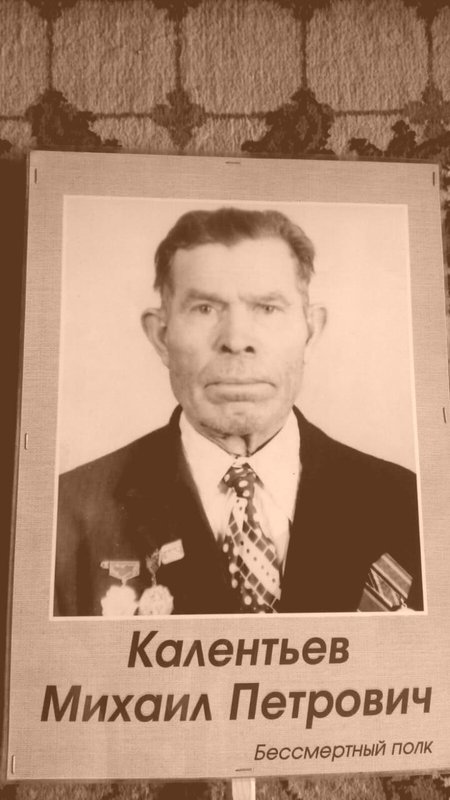
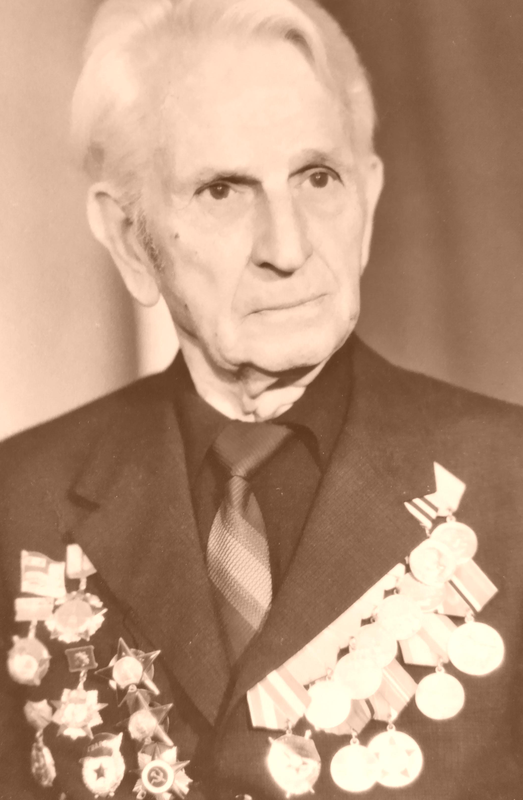
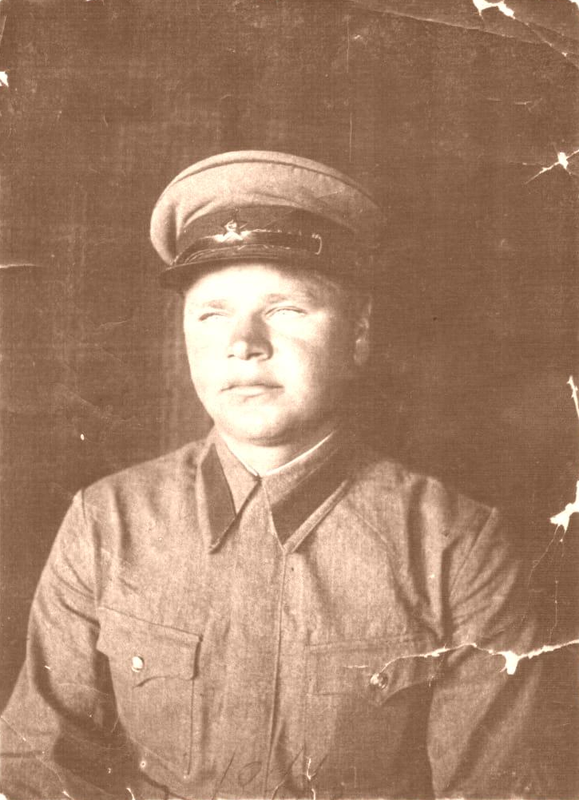
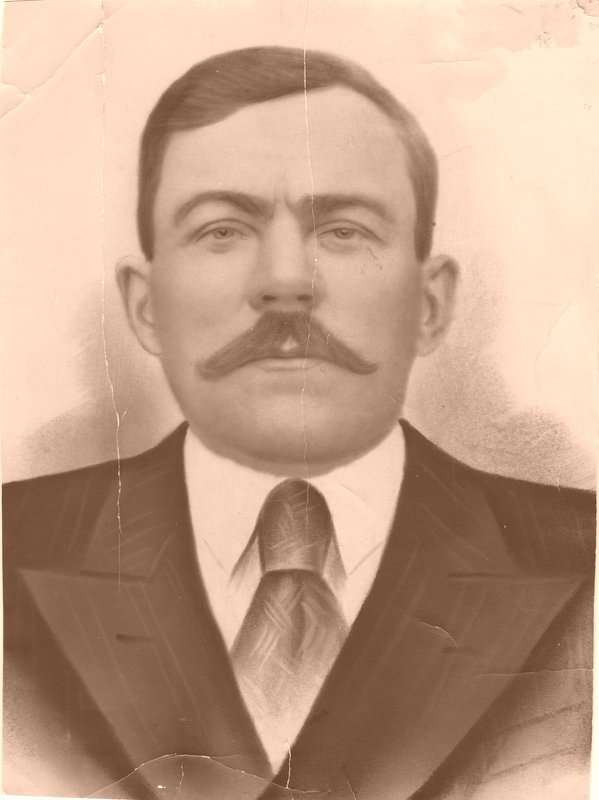
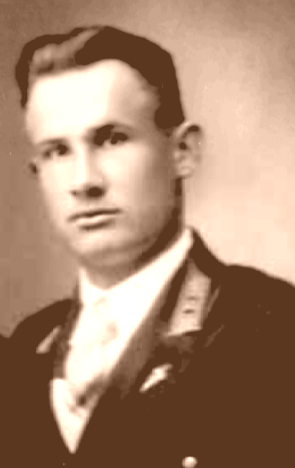
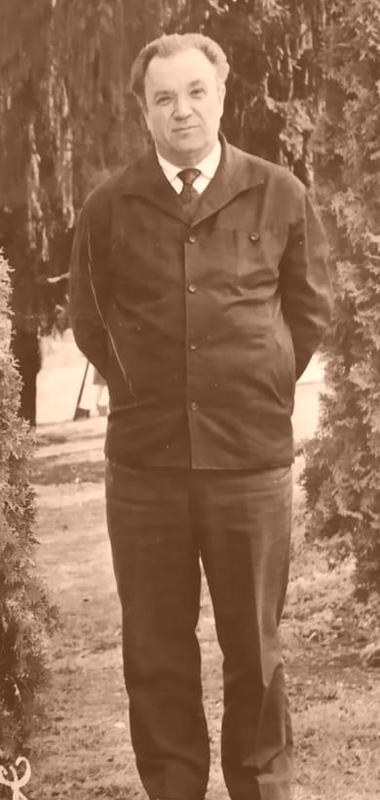
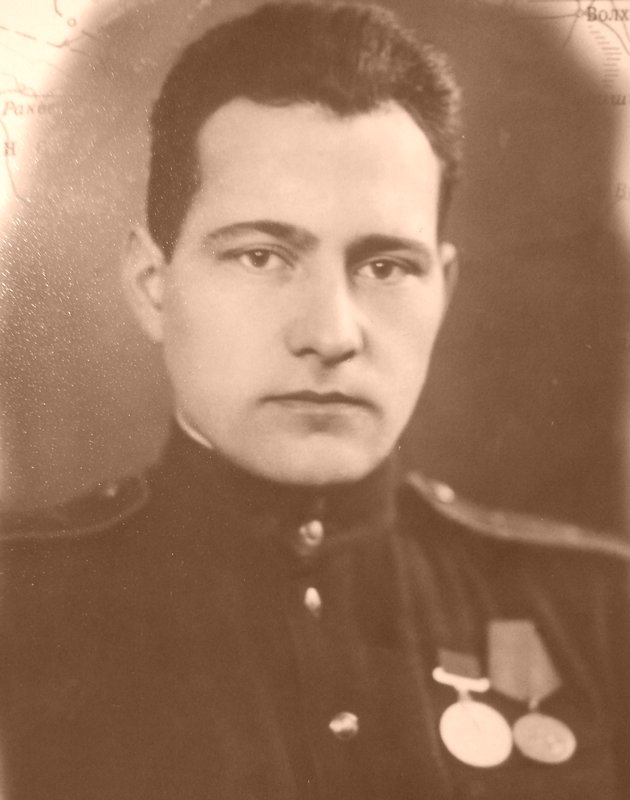
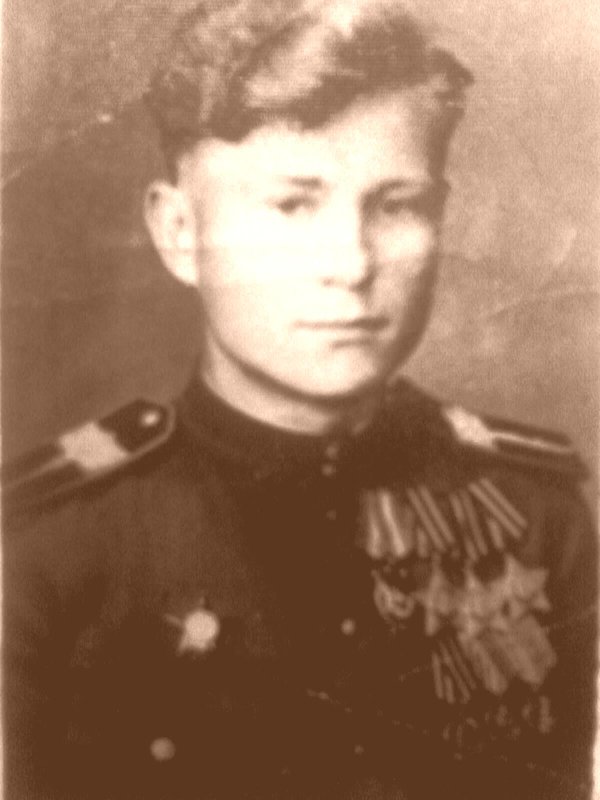
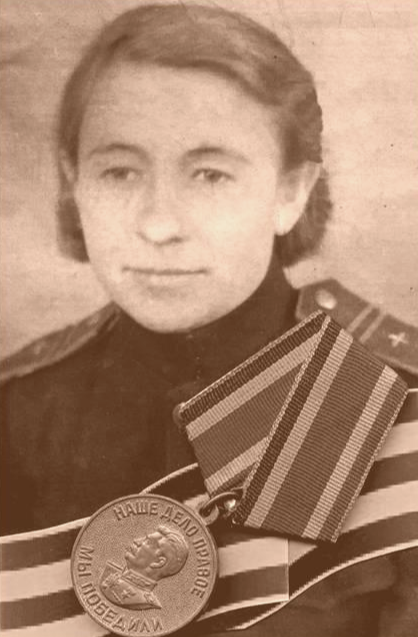
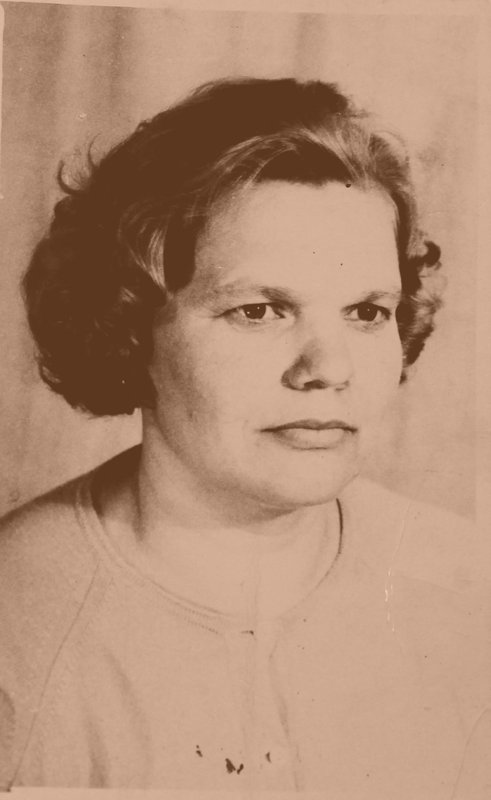
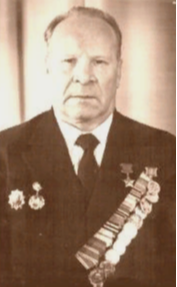
Vagin Nikolai Mikhailovich
Vagin Nikolai Mikhailovich_x000D_
_x000D_
From the memoirs of Nikolai Mikhailovich prepared by him as the Chairman of the Board of veterans of Mosalsky district of Kaluga region Mosalsky for the Museum of Kaluga region. "The First day of the Great Patriotic War - June 22 1941 - I met on the Western border of our country, near the town of Yavorov of Lviv region, while on active duty in the ranks of the Red Army, as part of 445 artillery regiment of the GHQ reserve. The German fascists treacherously, without declaring war, began bombing and firing all types of weapons (ground and air) at our border airfields, ammunition and fuel depots, settlements, barracks and military camps in the early morning of June 22. It was a big shock. Our unit was in a border military camp in the forest that day. On the first day of the war, the border guards and we, the border units, repelled the fierce attacks of the fascists. Then, on June 22, the regiment's commander, major Moskovtsev, a graduate of the Moscow artillery Academy, made a heated speech to us - the soldiers and officers of the regiment. He explained the situation to us and assigned combat tasks to each unit, warning us of the upcoming fierce battles with the treacherous enemy. Having hastily received all the combat equipment, our artillery unit immediately joined the battle in the area of Yavorov. Our soldiers and commanders, despite the significant superiority of the enemy in forces, put up a desperate resistance and the enemy was forced to retreat in our area. We repulsed several enemy attacks during the day. For 5 days, we were holding Yavorovo, trying to exhaust the enemy's forces. However, the forces were so unequal that we were forced to withdraw and leave Yavorovo. These were the hardest and the days in my military biography. The incredible bitterness of retreat, the realization that we were not able to hold back the onslaught of a treacherous, armed to the teeth, outnumbered enemy and had to leave our land temporarily. We believed that it was temporarily that we were leaving our territory. We believed that by mobilizing all our forces, we would drive out the enemy. But then it was so painful to leave we could cry. The enemy at that time was several times superior in ground and air forces. The first days of the war were very difficult for our Motherland, for our people and for us - the warriors. These were the days of our moral and psychological adjustment. From the first days of the war, we learned the brutal face of the fascists, their cruelty, their antihumanism. In these first, most difficult days of the war, the days of retreat with fighting, we were under the continuous endless bombing of the enemy. The enemy did not disdain even the fact that they chased the plane for our individual fighters and shot them at point-blank range, which was repeatedly with me. In one of the major raids of enemy aircraft near Ternopil, I was covered with earth from the explosion of bombs, I lost consciousness. I woke up at night in a deserted rye field. I struggled to free myself from the earth that covered me. My unit, as it turned out, went further, and I fell behind. The unit thought I was killed in the bombing. With great difficulty, it took me three days to catch up with my unit, which I was very happy about. The commander of the regiment warned us on the first day of the war that the enemy was treacherous; he would take all sorts of the most brutal methods of war, including the encirclement of our military units and their subsequent destruction. Our regimental commander set us the task: to act boldly, smoothly, unitedly, to stick together, and then we would not be afraid of anything! We would get out of any encirclement! That's how we behaved. Many times, we got into very difficult situations, but we passed the encirclement! Our artillery regiment had to fight on the South-Western front, defending Kyiv, Cherkasy, Kremenchuk, Prokhorovka, Kharkiv; On the Stalingrad and Don fronts, defending Stalingrad Northwest of the tractor factory; on the 4th Ukrainian front, liberating the Donbas, crossing the Sivash, liberating the Crimea and Sevastopol; on the 3rd Belorussian Front, liberating Mogilev, Orsha, Lithuanian and Latvian lands. We assaulted the fortress of German Junkers - Kenigsberg. On the Baltic Front, they participated in the destruction of the horribly resisting Kurland group of fascists who acted together with the Vlasov traitors to the Motherland. During the war, we had several regimental commanders changed due to injuries or death. At the beginning of the war, our regiment was commanded by major Moskovtsev, and for the last two years, the commander of our 7th guards regiment of the GHQ was Colonel Grigory Ivanovich Ivanov - a highly educated, intelligent and skilful commander, a native of the Pskov region. The Deputy of the regiment was Yuri Petrovich Korolyk. The head of the service was Lukyanets Pyotr Panteleimonovich. The most memorable moments in my front-line life were the extremely powerful actions of our artillery during the defeat of the Nazis at Stalingrad and the capture of the Konigsberg fortress. Under Stalingrad, as you know, all kinds of military units fought heroically, including artillery, which by the time of the battle of Stalingrad had become very powerful. The volleys of our guns did not allow the fascists to recover. We shot at the enemy continuously. This incredible thunder made many of us deaf. Orders were lip-read. Our artillery rained down heavy and dense artillery fire on the enemy positions when the encircled army of Paulus rejected our offer of surrender. Then all our numerous weapons began to speak even more powerfully and, because of the dense fire and actions of our aircraft at the same time, in the area of the encircled army of Paulus, everything was completely ploughed up by shells. Then the fascists could not stand it and were forced to surrender. I will never forget this fight! Konigsberg is a fortress whose walls are thicker than 3 meters. By simple shells, they could not be broken. In addition, an artificial deep channel filled with water surrounded the entire fortress. The bridges over the canal were dismantled, and all approaches to the fortress were shelled. The fortress of Konigsberg was designed by the Nazis for a long siege with ammunition and food supplies for a long time. Our troops approached this fortress in the autumn of 1944. To capture the fortress, our command used the interaction of aviation, large-calibre artillery and demolition forces. Our unit, having large-calibre guns in 152mm, gave accurate shots at the fortress. We had a very powerful force here, but we managed to take the fortress with very heavy and prolonged fighting. When it was possible to destroy one of the forts of the fortress and then, under continuous enemy fire, to build a bridge over the canal, only then did our units of various kinds of troops enter Konigsberg with battles. The Nazis shot at us from every corner, from attics, from every possible place. Only on May 9, Konigsberg was completely taken by our troops. I met the long-awaited Victory Day on May 9 in Kurland (Latvia), where our unit, along with other units of the 3rd Baltic Front, was finishing off the stubbornly resisting Kurland group of fascists. I was discharged in 1946 with the rank of petty officer. I came home to Mosalsk, Kaluga region. Upon arrival, I immediately plunged into the intense organizational work to restore the economy destroyed by the war in the Mosalsky district.
Vagin Nikolai Mikhailovich
Vagin Nikolai Mikhailovich_x000D_
_x000D_
From the memoirs of Nikolai Mikhailovich prepared by him as the Chairman of the Board of veterans of Mosalsky district of Kaluga region Mosalsky for the Museum of Kaluga region. "The First day of the Great Patriotic War - June 22 1941 - I met on the Western border of our country, near the town of Yavorov of Lviv region, while on active duty in the ranks of the Red Army, as part of 445 artillery regiment of the GHQ reserve. The German fascists treacherously, without declaring war, began bombing and firing all types of weapons (ground and air) at our border airfields, ammunition and fuel depots, settlements, barracks and military camps in the early morning of June 22. It was a big shock. Our unit was in a border military camp in the forest that day. On the first day of the war, the border guards and we, the border units, repelled the fierce attacks of the fascists. Then, on June 22, the regiment's commander, major Moskovtsev, a graduate of the Moscow artillery Academy, made a heated speech to us - the soldiers and officers of the regiment. He explained the situation to us and assigned combat tasks to each unit, warning us of the upcoming fierce battles with the treacherous enemy. Having hastily received all the combat equipment, our artillery unit immediately joined the battle in the area of Yavorov. Our soldiers and commanders, despite the significant superiority of the enemy in forces, put up a desperate resistance and the enemy was forced to retreat in our area. We repulsed several enemy attacks during the day. For 5 days, we were holding Yavorovo, trying to exhaust the enemy's forces. However, the forces were so unequal that we were forced to withdraw and leave Yavorovo. These were the hardest and the days in my military biography. The incredible bitterness of retreat, the realization that we were not able to hold back the onslaught of a treacherous, armed to the teeth, outnumbered enemy and had to leave our land temporarily. We believed that it was temporarily that we were leaving our territory. We believed that by mobilizing all our forces, we would drive out the enemy. But then it was so painful to leave we could cry. The enemy at that time was several times superior in ground and air forces. The first days of the war were very difficult for our Motherland, for our people and for us - the warriors. These were the days of our moral and psychological adjustment. From the first days of the war, we learned the brutal face of the fascists, their cruelty, their antihumanism. In these first, most difficult days of the war, the days of retreat with fighting, we were under the continuous endless bombing of the enemy. The enemy did not disdain even the fact that they chased the plane for our individual fighters and shot them at point-blank range, which was repeatedly with me. In one of the major raids of enemy aircraft near Ternopil, I was covered with earth from the explosion of bombs, I lost consciousness. I woke up at night in a deserted rye field. I struggled to free myself from the earth that covered me. My unit, as it turned out, went further, and I fell behind. The unit thought I was killed in the bombing. With great difficulty, it took me three days to catch up with my unit, which I was very happy about. The commander of the regiment warned us on the first day of the war that the enemy was treacherous; he would take all sorts of the most brutal methods of war, including the encirclement of our military units and their subsequent destruction. Our regimental commander set us the task: to act boldly, smoothly, unitedly, to stick together, and then we would not be afraid of anything! We would get out of any encirclement! That's how we behaved. Many times, we got into very difficult situations, but we passed the encirclement! Our artillery regiment had to fight on the South-Western front, defending Kyiv, Cherkasy, Kremenchuk, Prokhorovka, Kharkiv; On the Stalingrad and Don fronts, defending Stalingrad Northwest of the tractor factory; on the 4th Ukrainian front, liberating the Donbas, crossing the Sivash, liberating the Crimea and Sevastopol; on the 3rd Belorussian Front, liberating Mogilev, Orsha, Lithuanian and Latvian lands. We assaulted the fortress of German Junkers - Kenigsberg. On the Baltic Front, they participated in the destruction of the horribly resisting Kurland group of fascists who acted together with the Vlasov traitors to the Motherland. During the war, we had several regimental commanders changed due to injuries or death. At the beginning of the war, our regiment was commanded by major Moskovtsev, and for the last two years, the commander of our 7th guards regiment of the GHQ was Colonel Grigory Ivanovich Ivanov - a highly educated, intelligent and skilful commander, a native of the Pskov region. The Deputy of the regiment was Yuri Petrovich Korolyk. The head of the service was Lukyanets Pyotr Panteleimonovich. The most memorable moments in my front-line life were the extremely powerful actions of our artillery during the defeat of the Nazis at Stalingrad and the capture of the Konigsberg fortress. Under Stalingrad, as you know, all kinds of military units fought heroically, including artillery, which by the time of the battle of Stalingrad had become very powerful. The volleys of our guns did not allow the fascists to recover. We shot at the enemy continuously. This incredible thunder made many of us deaf. Orders were lip-read. Our artillery rained down heavy and dense artillery fire on the enemy positions when the encircled army of Paulus rejected our offer of surrender. Then all our numerous weapons began to speak even more powerfully and, because of the dense fire and actions of our aircraft at the same time, in the area of the encircled army of Paulus, everything was completely ploughed up by shells. Then the fascists could not stand it and were forced to surrender. I will never forget this fight! Konigsberg is a fortress whose walls are thicker than 3 meters. By simple shells, they could not be broken. In addition, an artificial deep channel filled with water surrounded the entire fortress. The bridges over the canal were dismantled, and all approaches to the fortress were shelled. The fortress of Konigsberg was designed by the Nazis for a long siege with ammunition and food supplies for a long time. Our troops approached this fortress in the autumn of 1944. To capture the fortress, our command used the interaction of aviation, large-calibre artillery and demolition forces. Our unit, having large-calibre guns in 152mm, gave accurate shots at the fortress. We had a very powerful force here, but we managed to take the fortress with very heavy and prolonged fighting. When it was possible to destroy one of the forts of the fortress and then, under continuous enemy fire, to build a bridge over the canal, only then did our units of various kinds of troops enter Konigsberg with battles. The Nazis shot at us from every corner, from attics, from every possible place. Only on May 9, Konigsberg was completely taken by our troops. I met the long-awaited Victory Day on May 9 in Kurland (Latvia), where our unit, along with other units of the 3rd Baltic Front, was finishing off the stubbornly resisting Kurland group of fascists. I was discharged in 1946 with the rank of petty officer. I came home to Mosalsk, Kaluga region. Upon arrival, I immediately plunged into the intense organizational work to restore the economy destroyed by the war in the Mosalsky district.
0 comment




2026 © Russian Military Historical Society Developed by Jetmix