Back to
album
album
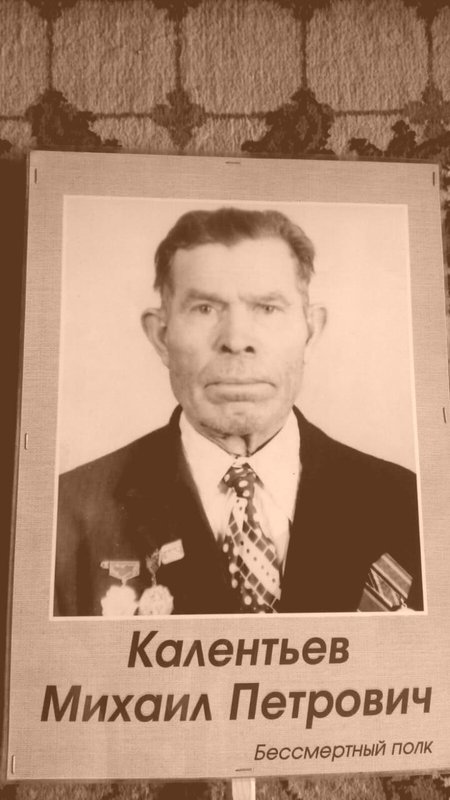
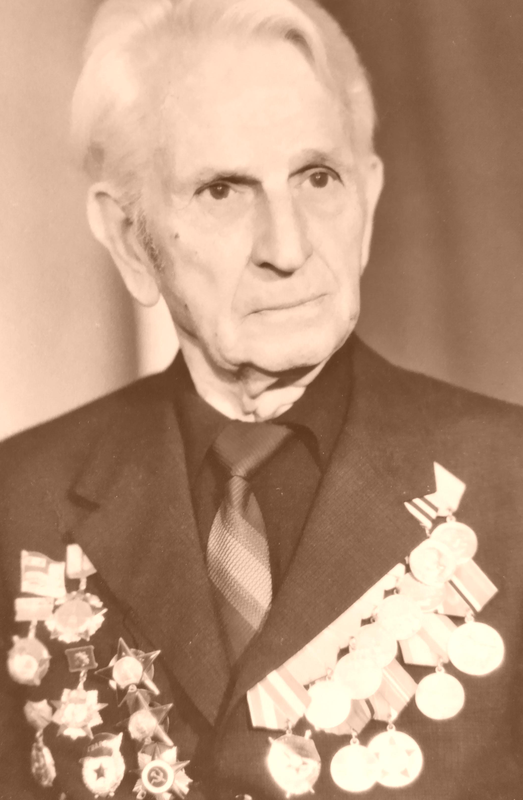
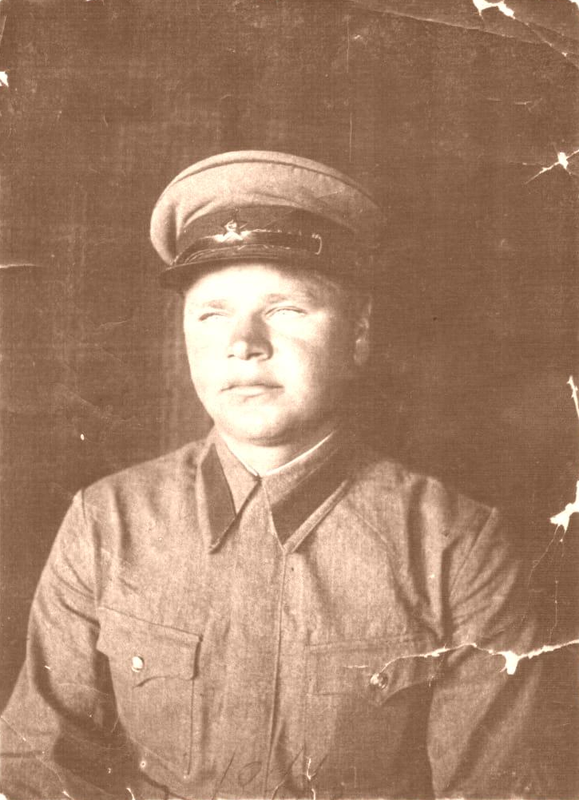
Vasiliev Vasily Alekseevich
Vasiliev Vasily Alekseevich_x000D_
_x000D_
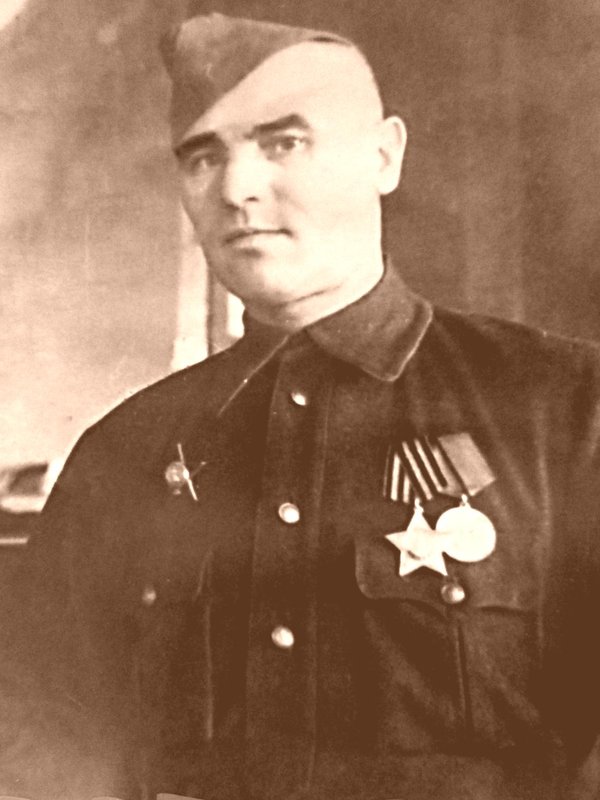
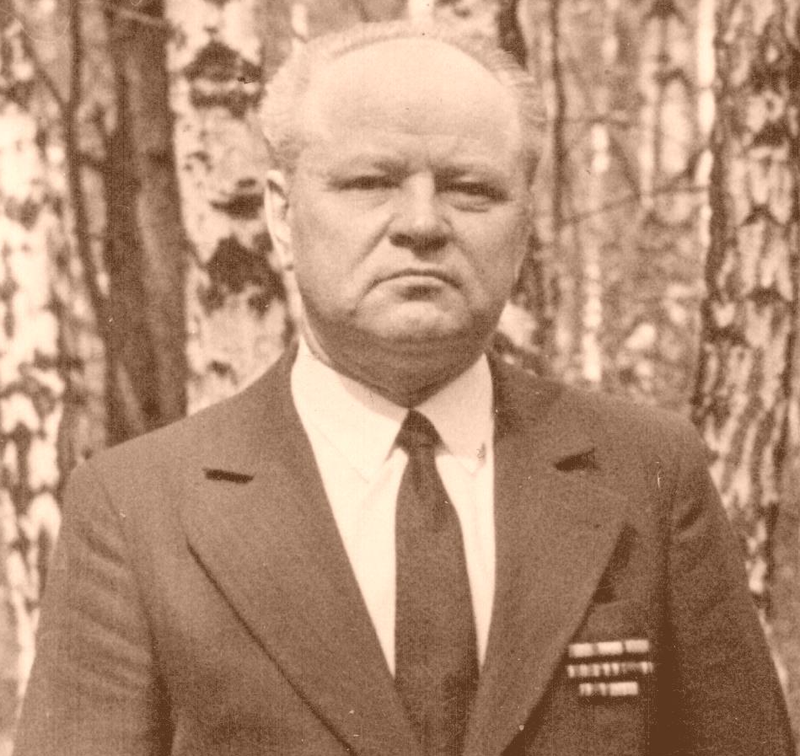
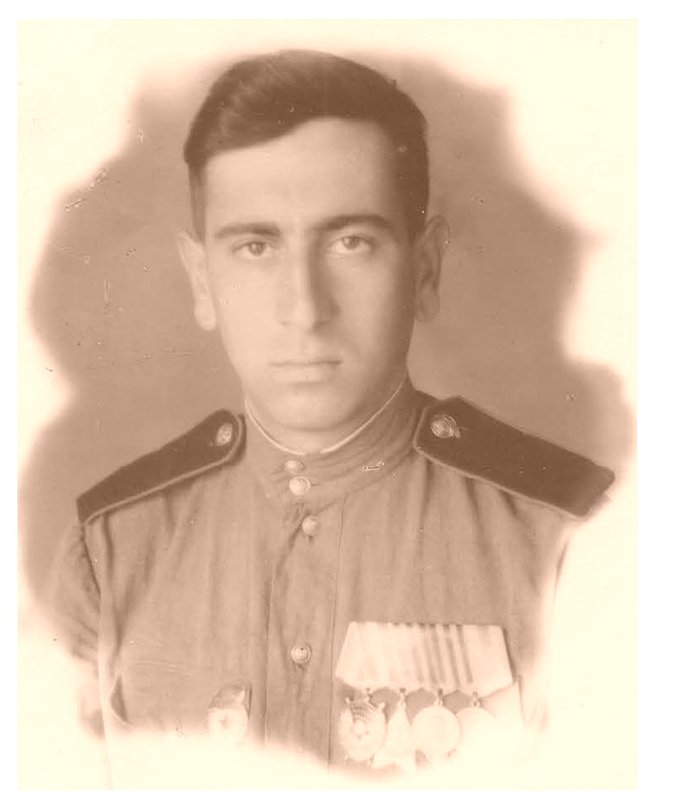
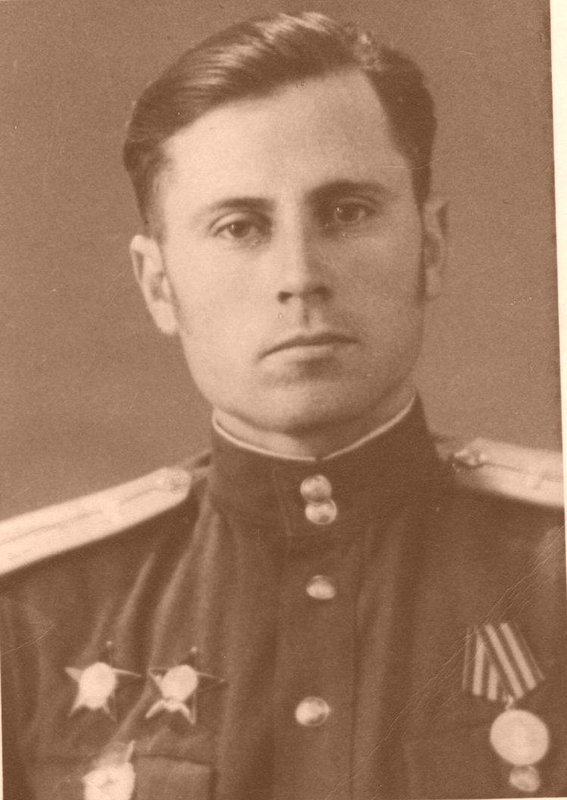
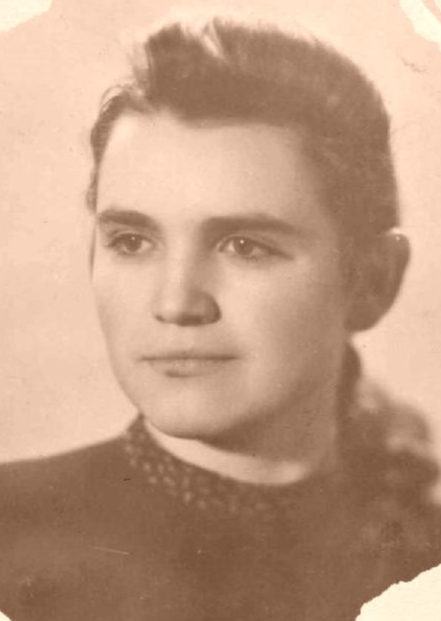
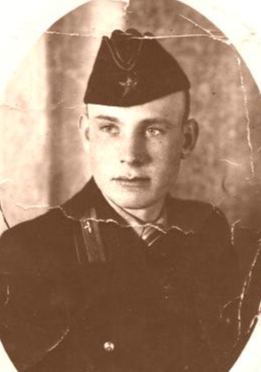
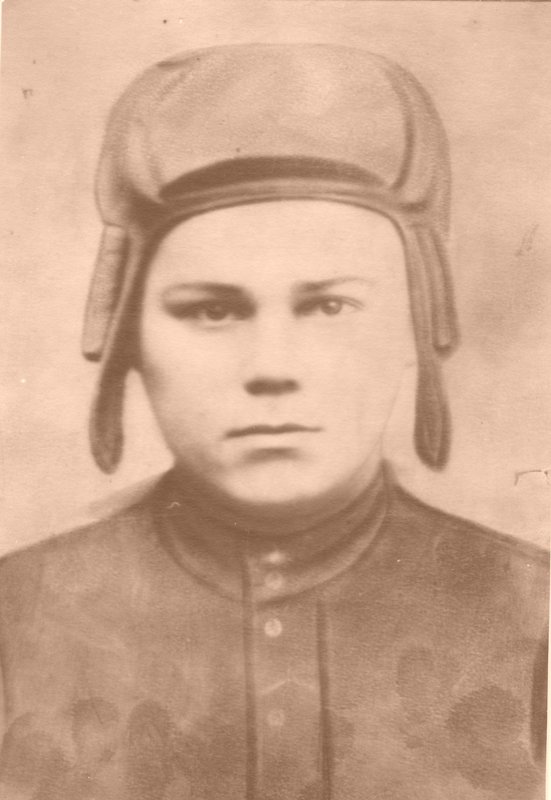
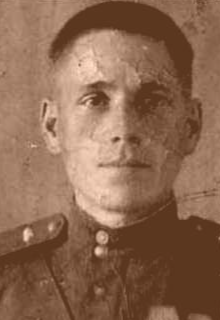
Tells the great-grandson, a student of class 5 B GBOU SOSH No. 191 St. Petersburg, Leonid Poblocki. Vasiliev Vasily Alekseevich was born in November 1920 in the suburbs of Leningrad, now it is already in the city. In the family, the little great-grandfather had two older sisters and an older brother. The family lived poorly and hard. During his school years, the grown-up Vasily went to study at the OSOAVIAKHIM flight club, because since childhood he was fond of airplanes and really wanted to fly in the sky like a bird. His desire, as it turned out, was not in vain, he studied very well and easily-he grasped everything "on the fly"! From the flying club, he was drafted into the army. There, having seen that he already has basic flight training skills and is suitable for flight service both in terms of parameters and health, he was enrolled in a flight school. After graduating from school, he was assigned to an aerial photography unit in the Baltic States, where he met the war. At the beginning of the war, when the Germans began to advance, their detachment was re-formed and great-grandfather was sent to the Leningrad front. He spent the entire war as a bomber. Among his friends were children of famous people at that time. Timur Frunze is the son of civil war commander Mikhail Frunze. My great-grandfather was a member of the family of Voroshilov, a Marshal and civil war hero. At school, he knew and spent time with Vasily Stalin, the son of the leader of our country - Joseph Vissarionovich Stalin. In civilian life, he was offered to move to Moscow and work at the Likhachev factory. But he could not leave his family here, which at that time consisted of two sisters and a niece. His older brother went missing in the war. His mother died during the siege and was buried in a common grave at the Piskarevsky memorial cemetery. During the war, the sisters stayed in the besieged city and worked. The older sister, when the city was taken in the blockade, entered the militia-extinguished high-explosive bombs, was on duty on the roofs, caught spies. When the blockade was broken, she joined the women's sapper detachment-this detachment went ahead of the army and cleared the territory. She passed the entire war. She was wounded-a girl from their group exploded next to her on a mine and was hit by a shrapnel. After the war, on May 9, their group traditionally gathered. The middle sister was also first in the militia and learned to drive a car there. During the blockade, she drove lorries on the ice of Lake Ladoga. She said that according to the instructions, the door in the car when driving on the "Road of life" should be open so that you can jump out if a shell hits the car. She knew firsthand how cars went under the ice. The whole war went the same way. She was lucky and was never injured. Unfortunately, when I was born, my great-grandfather and his older sister were no longer alive! My middle sister died when I was a year and a half old. She got to see me, and I don't even remember her! But all the heroic stories of protecting our city are carefully preserved in our family and passed down through the generations! This is a part of my family's history that I remember and am proud of!
Vasiliev Vasily Alekseevich
Vasiliev Vasily Alekseevich_x000D_
_x000D_
Tells the great-grandson, a student of class 5 B GBOU SOSH No. 191 St. Petersburg, Leonid Poblocki. Vasiliev Vasily Alekseevich was born in November 1920 in the suburbs of Leningrad, now it is already in the city. In the family, the little great-grandfather had two older sisters and an older brother. The family lived poorly and hard. During his school years, the grown-up Vasily went to study at the OSOAVIAKHIM flight club, because since childhood he was fond of airplanes and really wanted to fly in the sky like a bird. His desire, as it turned out, was not in vain, he studied very well and easily-he grasped everything "on the fly"! From the flying club, he was drafted into the army. There, having seen that he already has basic flight training skills and is suitable for flight service both in terms of parameters and health, he was enrolled in a flight school. After graduating from school, he was assigned to an aerial photography unit in the Baltic States, where he met the war. At the beginning of the war, when the Germans began to advance, their detachment was re-formed and great-grandfather was sent to the Leningrad front. He spent the entire war as a bomber. Among his friends were children of famous people at that time. Timur Frunze is the son of civil war commander Mikhail Frunze. My great-grandfather was a member of the family of Voroshilov, a Marshal and civil war hero. At school, he knew and spent time with Vasily Stalin, the son of the leader of our country - Joseph Vissarionovich Stalin. In civilian life, he was offered to move to Moscow and work at the Likhachev factory. But he could not leave his family here, which at that time consisted of two sisters and a niece. His older brother went missing in the war. His mother died during the siege and was buried in a common grave at the Piskarevsky memorial cemetery. During the war, the sisters stayed in the besieged city and worked. The older sister, when the city was taken in the blockade, entered the militia-extinguished high-explosive bombs, was on duty on the roofs, caught spies. When the blockade was broken, she joined the women's sapper detachment-this detachment went ahead of the army and cleared the territory. She passed the entire war. She was wounded-a girl from their group exploded next to her on a mine and was hit by a shrapnel. After the war, on May 9, their group traditionally gathered. The middle sister was also first in the militia and learned to drive a car there. During the blockade, she drove lorries on the ice of Lake Ladoga. She said that according to the instructions, the door in the car when driving on the "Road of life" should be open so that you can jump out if a shell hits the car. She knew firsthand how cars went under the ice. The whole war went the same way. She was lucky and was never injured. Unfortunately, when I was born, my great-grandfather and his older sister were no longer alive! My middle sister died when I was a year and a half old. She got to see me, and I don't even remember her! But all the heroic stories of protecting our city are carefully preserved in our family and passed down through the generations! This is a part of my family's history that I remember and am proud of!
0 comment



2026 © Russian Military Historical Society Developed by Jetmix