Back to
album
album
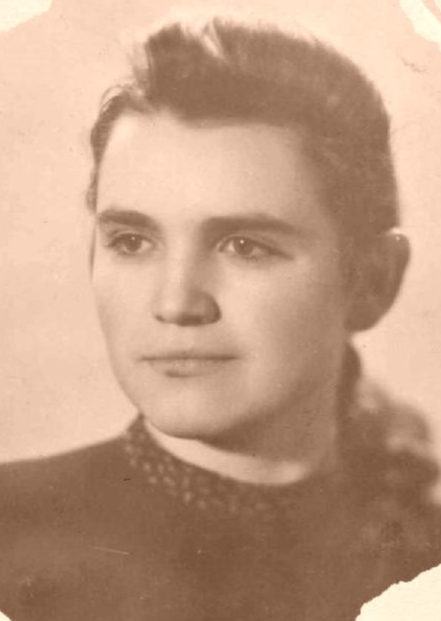
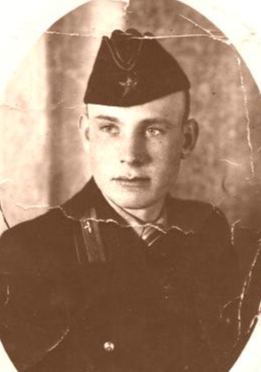
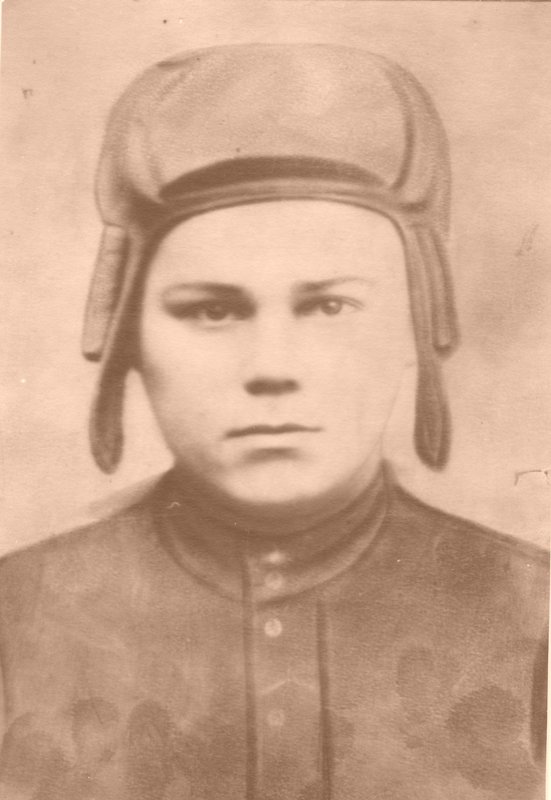
Vorobyov Alexander Vasilievich
Vorobyov Alexander Vasilievich_x000D_
_x000D_
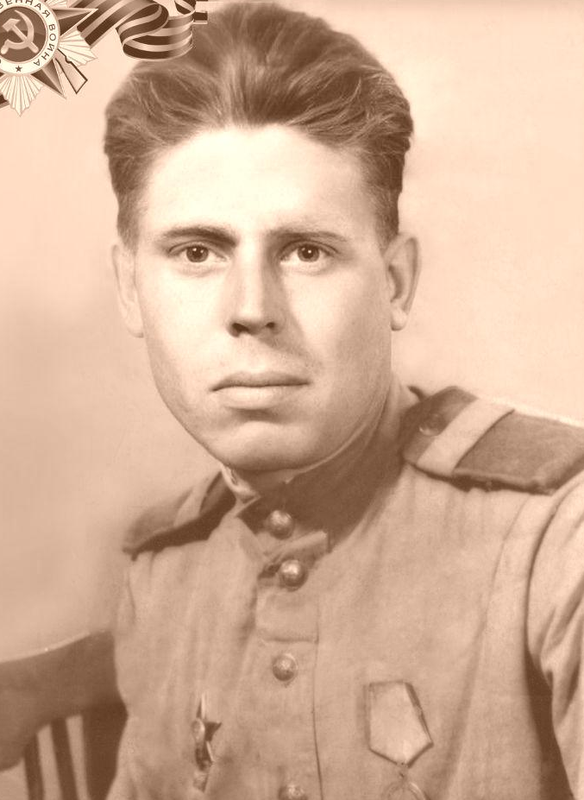
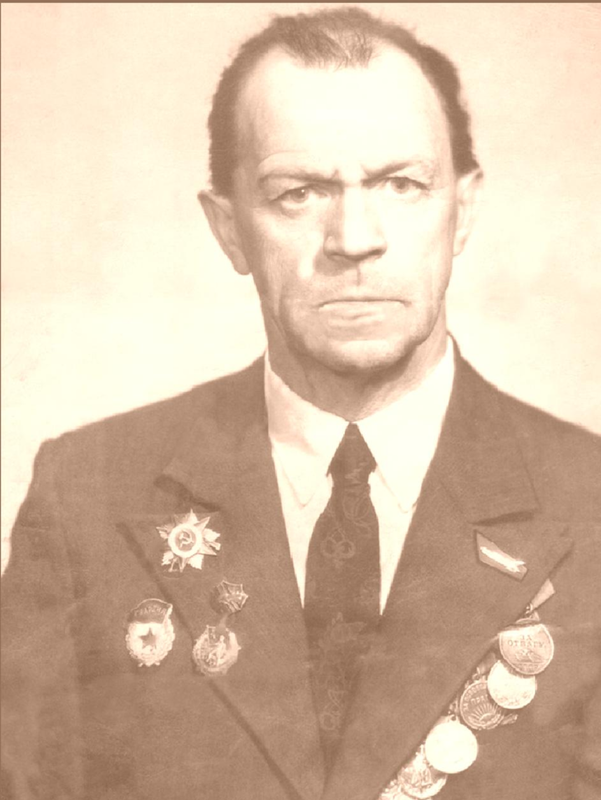
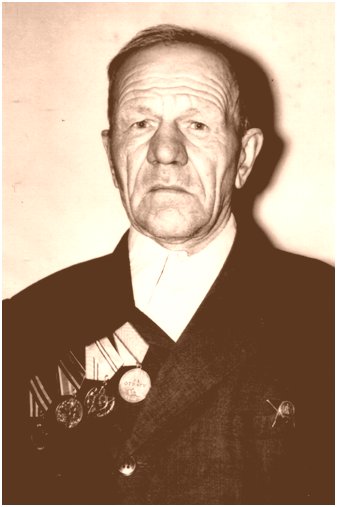
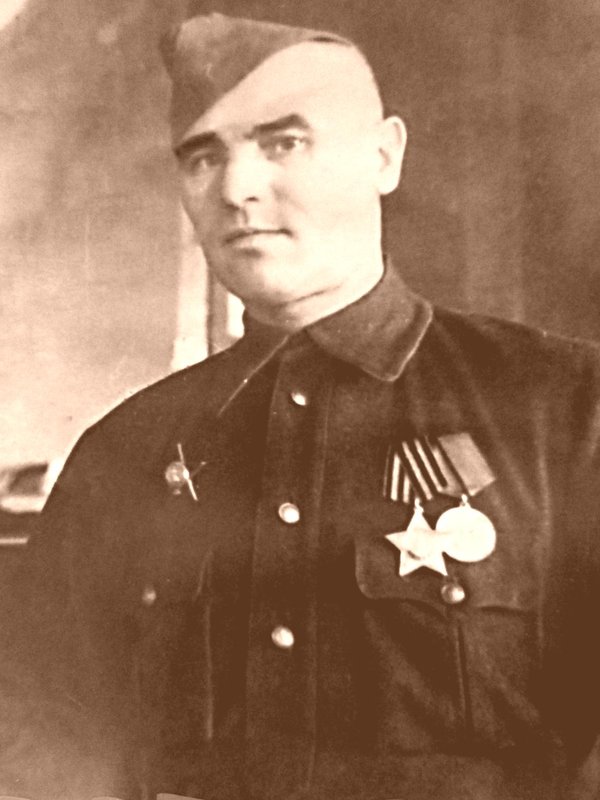
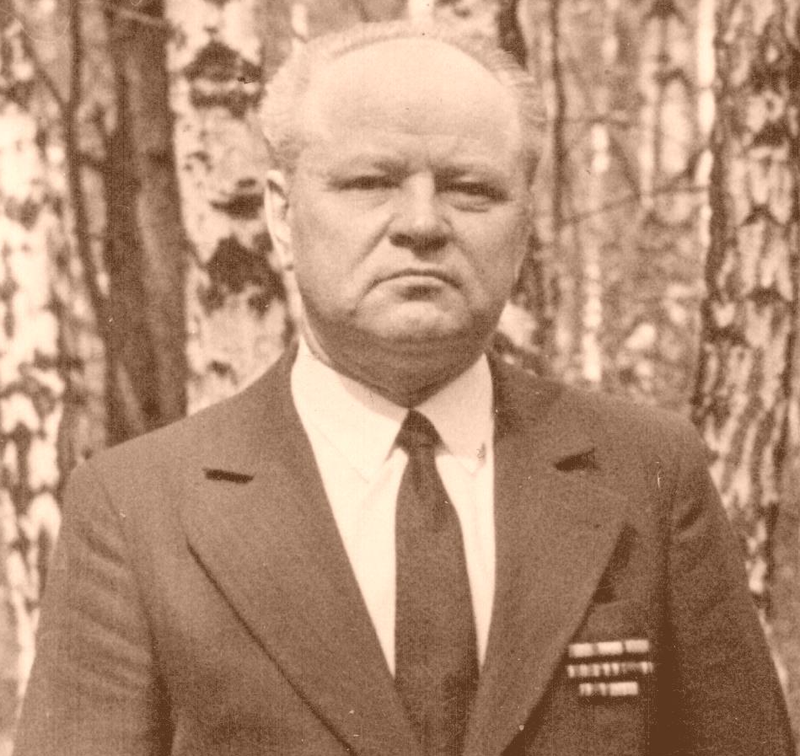
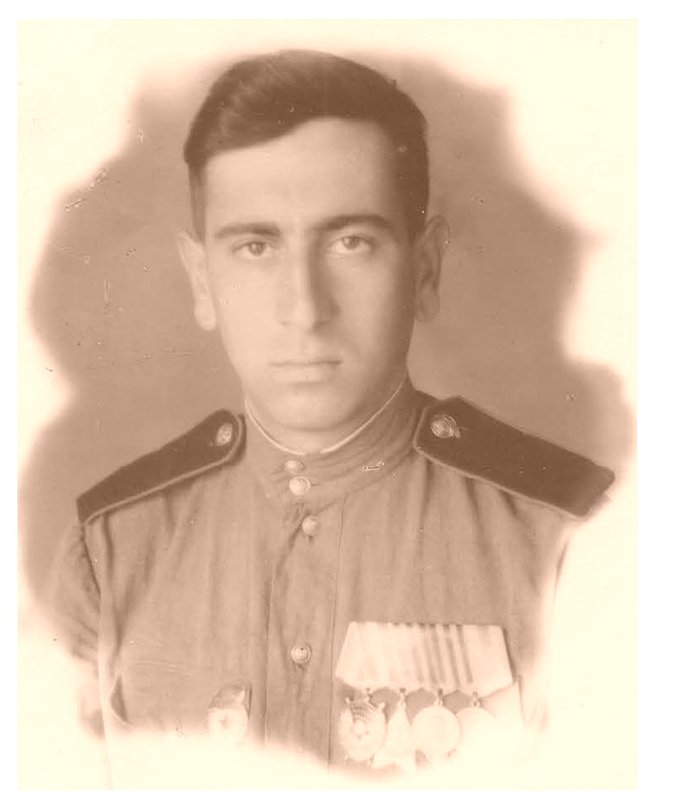
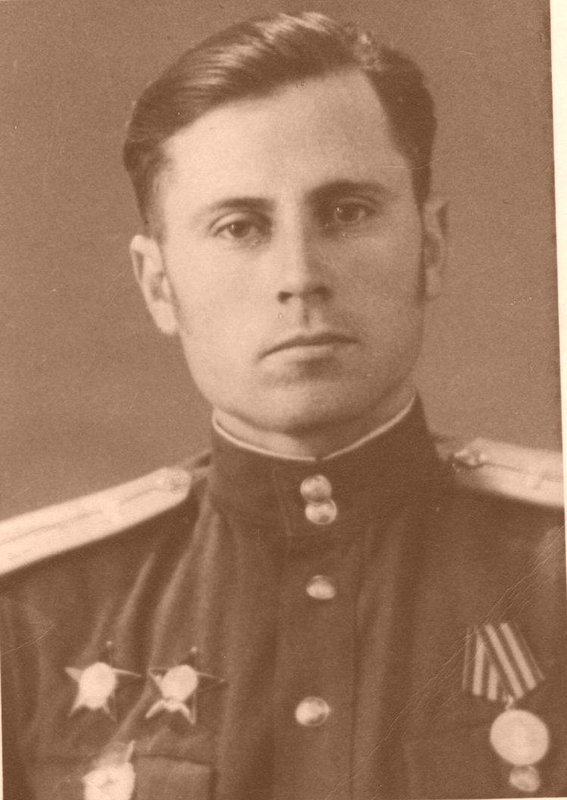
Alexander Vorobyov was born on December 10, 1923 in the village of Utekhovo, Krasnokholmsky uyezd, Tver province (now Krasnokholmsky district, Tver region), to a peasant family. His mother, Olga Vorobyova, sent 4 sons and her husband to the front. The eldest son, Viktor Vorobyov, after graduating from military school, went missing in the first days of the war, his husband Vasily Ivanovich died of wounds in the hospital, the others returned from the front alive. Alexander Vorobyov graduated from the seven-year school in Utekhov in 1938. From 1938 to 1940, he worked as a letter carrier for the Utekhovsky post office. From 1940 to 1941, he worked as a clerk in Utekhovskaya Junior high school. In September 1941, he was called up to serve in the army. From October 1941 to March 1943, he was assistant platoon commander of the 20th reserve artillery regiment. From March 1943 to September 1943, he fought on the Western front and was a squad leader in the 4th motorized rifle brigade of the 2nd guards tank corps. On August 1, 1943, he was seriously wounded in the leg and right side in the battle of Yelnya. From September 1943 to March 1944, he was treated in a military hospital in the city of Nizhneudinsk. He was demobilized due to wounds in March 1944. He was awarded the medal "for the victory over Germany in the great Patriotic war of 1941-1945" in 1945, and the medal "for bravery"in 1946. He returned home, from 1944 to 1954 he worked as a military instructor and physical education teacher-first at the school in the village of Utekhovo, later at the school in the village of Khabotskoe. Graduated from Torzhok pedagogical school in absentia. In 1954, he was transferred to the Krasnokholm district party Committee. From 1958 to 1962, he studied at the Higher party school in Moscow. From 1962 to 1967, he worked as Deputy Chairman of the Krasnokholm district Executive Committee, and then as second Secretary of the Krasnokholm district party Committee. In connection with the formation of a new Molokovsky district from part of the Krasnokholm district in December 1966, he was elected Chairman of the Molokovsky district Executive Committee of the Kalinin region, where he worked in this position from 1967 to 1978. For many years of conscientious work was awarded the birthplace of Alexander Vasilyevich: - medal " for "labor valor" in 1971; - order of the red banner of Labor in 1973. In 1985, in honor of the 40th anniversary of the Victory, he was awarded the order of the Patriotic war, first class. He was also awarded five jubilee medals. Alexander Vorobyov was an honest, hardworking, fair and demanding Manager, always trying to help people. He left a good memory of himself. He died on March 25, 1992. ------------------------------------------------------------- "There is no family in Russia where the hero is not remembered. And the eyes of young soldiers from photos of withered look."... The words of this familiar song are: Agranovich and R. Khozak from the movie "Officers" are also related to our family. We also have our own hero – our father and husband Alexander Vorobyov. And on the eve of the 75th anniversary of the victory in the great Patriotic war of 1941-1945, I want to pay tribute to the memory and tell you about the life of a very strong, honest, hardworking person. It couldn't have been any other way. After all, my father was born in an ordinary peasant family, in the village of Utekhovo in the Krasnokholmsky district of the Kalinin region. Like all village boys, he went to school and did not shy away from any peasant labor – after all, the family had 4 brothers and a sister. And when trouble came on June 22, 1941. Like all his peers, fathers and grandfathers – in September 1941, he was drafted into the army. Mother (Vorobyova Olga Ivanovna) sent 4 sons and her husband to the front. The village was deserted, as were thousands of other villages across the country. Viktor Vorobyov, the eldest son, has just received a diploma of excellent graduation from the Borisoglebsky military school. The young Lieutenant was going to come after graduating from the military College on vacation in his native Orehovo. He didn't have to… Viktor Vasilyevich went missing in the first days of the war near Lomzha (now the territory of Poland), his father Vasily Ivanovich died of wounds in a hospital in June 1944, the rest returned from the front alive. Dad didn't like to talk about the war. But sometimes he shared his memories. From October 1941 to March 1943, he was assistant platoon commander of the 20th reserve artillery regiment. He told me how one day he accidentally met his fellow villager – which he was very happy about. From March 1943, he was the division commander of the 4th motorized rifle brigade of the 2nd guards tank corps on the Western front. On August 31, 1943, he was seriously wounded in the legs and right side, and was concussed in the battle of Yelnya. From September to March 1943, he was treated at the military hospital No. 297 in Nizhneudinsk, Irkutsk region. I want to tell you about the battles near Yelnya in particular. The fighting there was heavy. After all, Yelnya had to be liberated twice – in September 1941 and in August 1943. To develop success, on the afternoon of August 30, 1943, the 2nd guards Tatsinsky tank corps under the command of major General A. S. burdeyny was introduced into the breakthrough zone. It has repeatedly proved its ability to solve any tasks set by the leadership. The Rank "Tatsinsky" corps received for the successful conduct of a combat operation in the final stage of the battle of Stalingrad. In 5 days of fighting, the tankers broke into the enemy's rear to a depth of over 60-80 km, destroyed the supply base and the most important airfield with hundreds of aircraft, cut a number of enemy communications with Stalingrad and captured the Tatsinskaya station, after which they managed to break out of the "encirclement networks" in which the Germans tried to catch the daring tank corps. Before the battle of Yelnya, the 3rd brigades of the 2nd tank corps were awarded the honorary Rank of guards and awarded the guards banners. The guards did not fail this time either – in less than 6 hours, having covered more than 20 kilometers, the advanced units of the Tatsin brigade, together with the 10th guard’s army, reached Yelnya. On August 31, Moscow saluted the liberators of Yelnya with 124 volleys of guns. After being wounded in 1943, my father was commissioned, was disabled, and for some time walked with a stick. Almost immediately started working as a physical education teacher and military instructor at school, entered the Torzhok pedagogical school in absentia. Later, he graduated full-time from the four-year Higher party school in Moscow and devoted his entire life to working for the good of man. Father has many awards: the medals "for the victory over Germany" (1945), " for bravery "(1945), " for labor valor "(1971), the order of the red banner of Labor (1973), the medal" Veteran of labor " (1988), as well as four commemorative medals for Victory in the great Patriotic war (1966, 1975, 1985 and 1995), two commemorative medals Of the armed Forces of the USSR (1968 and 1988) and the order of the Patriotic war I degree (1985).
Vorobyov Alexander Vasilievich
Vorobyov Alexander Vasilievich_x000D_
_x000D_
Alexander Vorobyov was born on December 10, 1923 in the village of Utekhovo, Krasnokholmsky uyezd, Tver province (now Krasnokholmsky district, Tver region), to a peasant family. His mother, Olga Vorobyova, sent 4 sons and her husband to the front. The eldest son, Viktor Vorobyov, after graduating from military school, went missing in the first days of the war, his husband Vasily Ivanovich died of wounds in the hospital, the others returned from the front alive. Alexander Vorobyov graduated from the seven-year school in Utekhov in 1938. From 1938 to 1940, he worked as a letter carrier for the Utekhovsky post office. From 1940 to 1941, he worked as a clerk in Utekhovskaya Junior high school. In September 1941, he was called up to serve in the army. From October 1941 to March 1943, he was assistant platoon commander of the 20th reserve artillery regiment. From March 1943 to September 1943, he fought on the Western front and was a squad leader in the 4th motorized rifle brigade of the 2nd guards tank corps. On August 1, 1943, he was seriously wounded in the leg and right side in the battle of Yelnya. From September 1943 to March 1944, he was treated in a military hospital in the city of Nizhneudinsk. He was demobilized due to wounds in March 1944. He was awarded the medal "for the victory over Germany in the great Patriotic war of 1941-1945" in 1945, and the medal "for bravery"in 1946. He returned home, from 1944 to 1954 he worked as a military instructor and physical education teacher-first at the school in the village of Utekhovo, later at the school in the village of Khabotskoe. Graduated from Torzhok pedagogical school in absentia. In 1954, he was transferred to the Krasnokholm district party Committee. From 1958 to 1962, he studied at the Higher party school in Moscow. From 1962 to 1967, he worked as Deputy Chairman of the Krasnokholm district Executive Committee, and then as second Secretary of the Krasnokholm district party Committee. In connection with the formation of a new Molokovsky district from part of the Krasnokholm district in December 1966, he was elected Chairman of the Molokovsky district Executive Committee of the Kalinin region, where he worked in this position from 1967 to 1978. For many years of conscientious work was awarded the birthplace of Alexander Vasilyevich: - medal " for "labor valor" in 1971; - order of the red banner of Labor in 1973. In 1985, in honor of the 40th anniversary of the Victory, he was awarded the order of the Patriotic war, first class. He was also awarded five jubilee medals. Alexander Vorobyov was an honest, hardworking, fair and demanding Manager, always trying to help people. He left a good memory of himself. He died on March 25, 1992. ------------------------------------------------------------- "There is no family in Russia where the hero is not remembered. And the eyes of young soldiers from photos of withered look."... The words of this familiar song are: Agranovich and R. Khozak from the movie "Officers" are also related to our family. We also have our own hero – our father and husband Alexander Vorobyov. And on the eve of the 75th anniversary of the victory in the great Patriotic war of 1941-1945, I want to pay tribute to the memory and tell you about the life of a very strong, honest, hardworking person. It couldn't have been any other way. After all, my father was born in an ordinary peasant family, in the village of Utekhovo in the Krasnokholmsky district of the Kalinin region. Like all village boys, he went to school and did not shy away from any peasant labor – after all, the family had 4 brothers and a sister. And when trouble came on June 22, 1941. Like all his peers, fathers and grandfathers – in September 1941, he was drafted into the army. Mother (Vorobyova Olga Ivanovna) sent 4 sons and her husband to the front. The village was deserted, as were thousands of other villages across the country. Viktor Vorobyov, the eldest son, has just received a diploma of excellent graduation from the Borisoglebsky military school. The young Lieutenant was going to come after graduating from the military College on vacation in his native Orehovo. He didn't have to… Viktor Vasilyevich went missing in the first days of the war near Lomzha (now the territory of Poland), his father Vasily Ivanovich died of wounds in a hospital in June 1944, the rest returned from the front alive. Dad didn't like to talk about the war. But sometimes he shared his memories. From October 1941 to March 1943, he was assistant platoon commander of the 20th reserve artillery regiment. He told me how one day he accidentally met his fellow villager – which he was very happy about. From March 1943, he was the division commander of the 4th motorized rifle brigade of the 2nd guards tank corps on the Western front. On August 31, 1943, he was seriously wounded in the legs and right side, and was concussed in the battle of Yelnya. From September to March 1943, he was treated at the military hospital No. 297 in Nizhneudinsk, Irkutsk region. I want to tell you about the battles near Yelnya in particular. The fighting there was heavy. After all, Yelnya had to be liberated twice – in September 1941 and in August 1943. To develop success, on the afternoon of August 30, 1943, the 2nd guards Tatsinsky tank corps under the command of major General A. S. burdeyny was introduced into the breakthrough zone. It has repeatedly proved its ability to solve any tasks set by the leadership. The Rank "Tatsinsky" corps received for the successful conduct of a combat operation in the final stage of the battle of Stalingrad. In 5 days of fighting, the tankers broke into the enemy's rear to a depth of over 60-80 km, destroyed the supply base and the most important airfield with hundreds of aircraft, cut a number of enemy communications with Stalingrad and captured the Tatsinskaya station, after which they managed to break out of the "encirclement networks" in which the Germans tried to catch the daring tank corps. Before the battle of Yelnya, the 3rd brigades of the 2nd tank corps were awarded the honorary Rank of guards and awarded the guards banners. The guards did not fail this time either – in less than 6 hours, having covered more than 20 kilometers, the advanced units of the Tatsin brigade, together with the 10th guard’s army, reached Yelnya. On August 31, Moscow saluted the liberators of Yelnya with 124 volleys of guns. After being wounded in 1943, my father was commissioned, was disabled, and for some time walked with a stick. Almost immediately started working as a physical education teacher and military instructor at school, entered the Torzhok pedagogical school in absentia. Later, he graduated full-time from the four-year Higher party school in Moscow and devoted his entire life to working for the good of man. Father has many awards: the medals "for the victory over Germany" (1945), " for bravery "(1945), " for labor valor "(1971), the order of the red banner of Labor (1973), the medal" Veteran of labor " (1988), as well as four commemorative medals for Victory in the great Patriotic war (1966, 1975, 1985 and 1995), two commemorative medals Of the armed Forces of the USSR (1968 and 1988) and the order of the Patriotic war I degree (1985).
0 comment




2026 © Russian Military Historical Society Developed by Jetmix