Back to
album
album

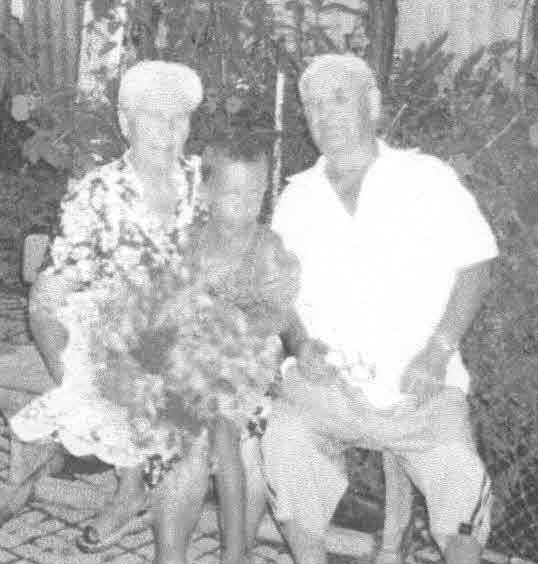
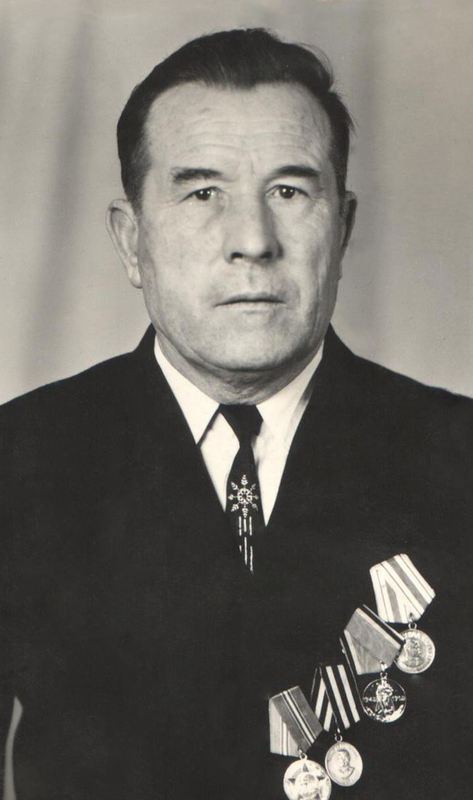
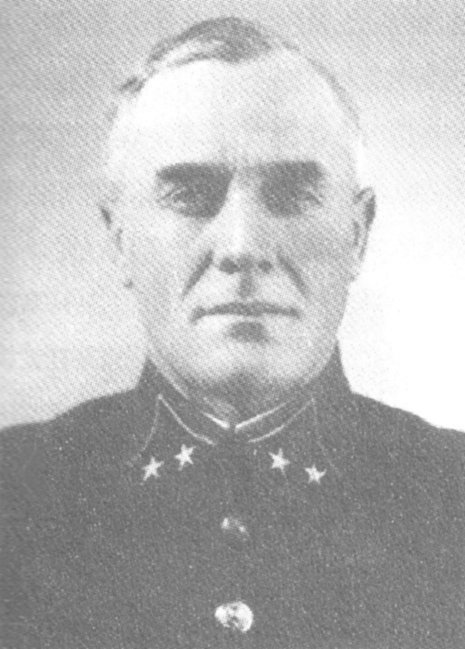
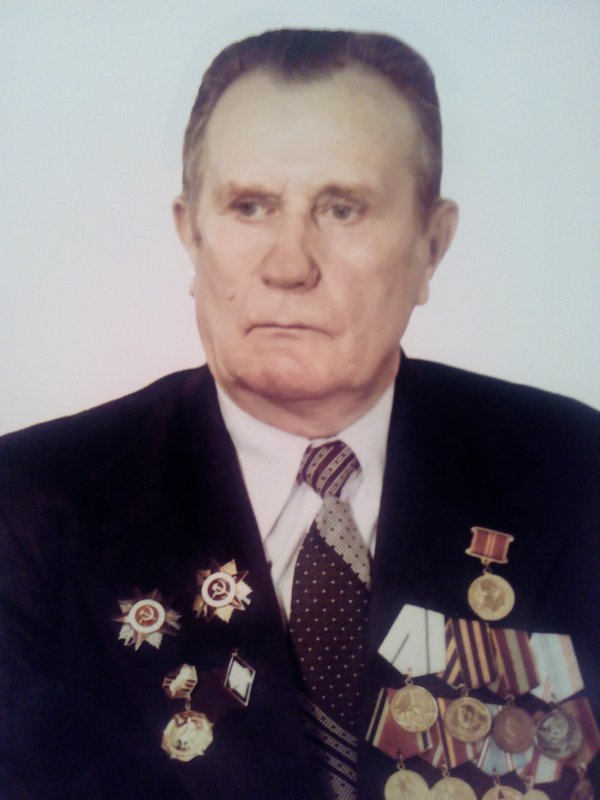
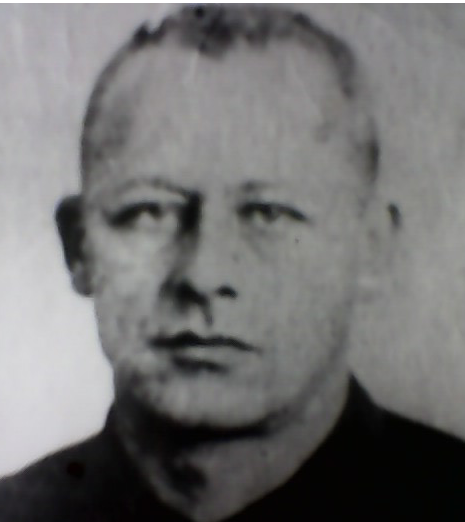
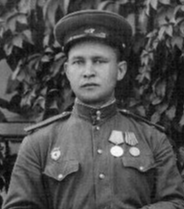
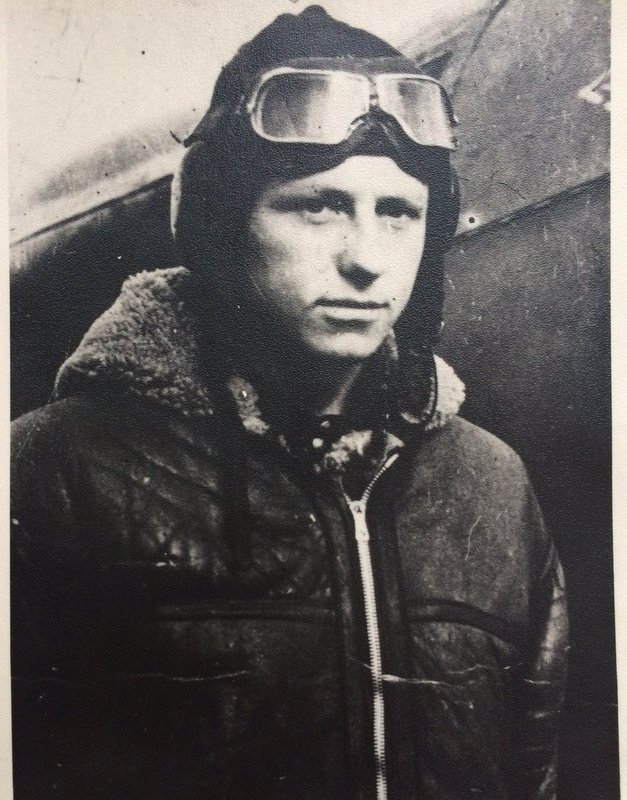
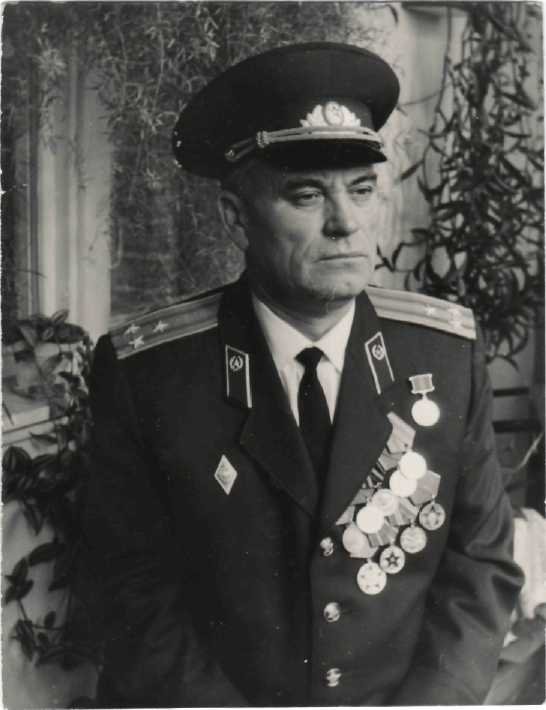
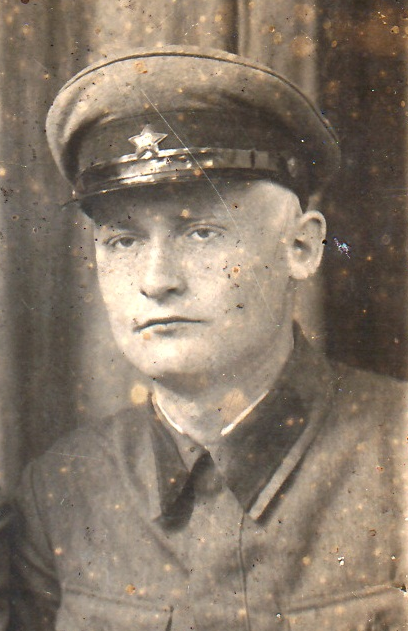
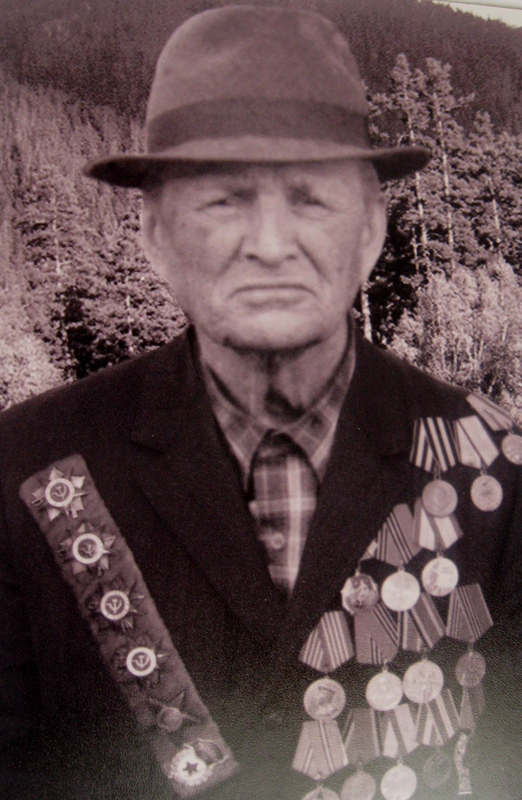
Vasily Ivanovich Kostylev
Rank: Red Army
Branch of military: Land forces, air force (except naval aviation), coast service, NKVD troops, border guard
Division: 129th rifle division (1st formation)
My grandfather, Vasily Ivanovich Kostylev, worked on a collective farm before the war. He was a foreman, farm Manager, and before the war – Secretary of the Zaretsky village Council of the Makaryevsky district of the Kostroma region. In July 1941, he went to the front. First, he fought on the Western front, then the 129th rifle division, where his great-grandfather was a telephone operator, was transferred to the Northwest as part of the 1st shock army. The North-Western front, whose formations were fighting in the area of Staraya Russa – is perhaps the most famous front of the great Patriotic War." And if there is poetry in the war, we were a page of prose, " Mikhail Matusovsky said about the North-Western front. In February 1942, an offensive operation began near Demyansk (Staro-Russian district of Leningrad, now Novgorod region) to encircle and destroy six divisions of the 16th German army (100,000 soldiers and officers). Hitler called the Demyansk bridgehead "a pistol aimed at the heart of Russia" and demanded to keep it at all costs. The offensive of our troops began on February 13, even before the approach of artillery and tanks. Overloaded supply stations did not allow the army to create head warehouses of ammunition, fuel and food by the beginning of the offensive. Snowstorms on February 13-14 further complicated the situation. On February 15-17, the weather was clear. This was in the hands of the enemy's aircraft, which bombed and shelled the battle formations of our units. Despite the most difficult conditions, by February 20, the enemy was surrounded. The Demyansky cauldron, which became a hellish cauldron for hundreds of thousands of soldiers and officers of both the red army and the fascists, held the enemy aviation units that were so lacking at Stalingrad. Front-line correspondent Boris Bialik dedicated the following lines to the soldiers of the North-Western front: "they wrote less about you than about others. You were rewarded less frequently and more sparingly. Almost no solemn order of the Supreme Commander was dedicated to you. After all, you haven't taken cities for a long time. You didn't take anything. You only went back a little through the swamps and came back a little. But because you retreated a little, and because you were advancing again, you could take cities on other fronts. And how much each little one cost you. Glory to the soldiers of the Bolotny front! " on January 23, 1942, my grandfather wrote the last very short letter, in which he reported that their unit was being sent to a new location. And soon my grandmother received one after another two funerals, which read: "Your husband, Vasily Ivanovich Kostylev, born in 1905, in the battle for the Socialist Homeland, loyal to the military oath, showing heroism and courage, was killed on 18.02.42. g. in d. Andronovo (and in another – 15.02.42 in the village of Bolshye Grivy) Staro-Russkiy district of the Leningrad region". At the request of the village Council, whether there was an error, the regiment received a response that " the notification was made on the basis of documents found when the victim was killed. The village of Andronovo and Large Manes are close by. The fighting for these villages took place from 15.02 to 18.02 42 years." Along with the notice from the regiment, they sent a photo from the party ticket – the only one left from my grandfather. And there are still letters. Short, touching, with questions about the house, about children, with bows to relatives and friends. Not a word about the war. And about yourself: "...don't worry, currently alive and well." Letter from the front a Crumpled piece of paper, glued together in a triangle, marked "Military censorship checked", as you were waiting, losing peace, the most welcome greetings to the front. In pencil, in an illegible handwriting, hastily written line after line. Each letter is painfully familiar, each reads: "How are you at home? Is the bread removed? Is there a lot of hay mown? It's a pity that the potatoes are not very good. Give my regards to the kids. You really feel sorry for them, don't scold them too much. I know you have a hard time on your own, and you're both On the farm and at home. Be careful, don't get sick, Take care of yourself and your children." The minutes of calm passed quickly, and the letter was too short. And just a few words about myself: "Don't worry, I'm alive and well." A crumpled piece of paper, glued together in a triangle, with a stamp: "Military censorship checked" for Many years as a memory we keep about my grandfather, who did not return from the war. (Limonova Olga Anatolyevna) In 2015, I found the burial place of my grandfather in a mass grave in the village of Braklovitsy in the Starorussky district of the Novgorod region. In the summer of 2016, my niece and I visited the grave. Seventy years have passed since the great Victory. I'm finally coming to you.
Vasily Ivanovich Kostylev
Rank: Red Army
Branch of military: Land forces, air force (except naval aviation), coast service, NKVD troops, border guard
Division: 129th rifle division (1st formation)
My grandfather, Vasily Ivanovich Kostylev, worked on a collective farm before the war. He was a foreman, farm Manager, and before the war – Secretary of the Zaretsky village Council of the Makaryevsky district of the Kostroma region. In July 1941, he went to the front. First, he fought on the Western front, then the 129th rifle division, where his great-grandfather was a telephone operator, was transferred to the Northwest as part of the 1st shock army. The North-Western front, whose formations were fighting in the area of Staraya Russa – is perhaps the most famous front of the great Patriotic War." And if there is poetry in the war, we were a page of prose, " Mikhail Matusovsky said about the North-Western front. In February 1942, an offensive operation began near Demyansk (Staro-Russian district of Leningrad, now Novgorod region) to encircle and destroy six divisions of the 16th German army (100,000 soldiers and officers). Hitler called the Demyansk bridgehead "a pistol aimed at the heart of Russia" and demanded to keep it at all costs. The offensive of our troops began on February 13, even before the approach of artillery and tanks. Overloaded supply stations did not allow the army to create head warehouses of ammunition, fuel and food by the beginning of the offensive. Snowstorms on February 13-14 further complicated the situation. On February 15-17, the weather was clear. This was in the hands of the enemy's aircraft, which bombed and shelled the battle formations of our units. Despite the most difficult conditions, by February 20, the enemy was surrounded. The Demyansky cauldron, which became a hellish cauldron for hundreds of thousands of soldiers and officers of both the red army and the fascists, held the enemy aviation units that were so lacking at Stalingrad. Front-line correspondent Boris Bialik dedicated the following lines to the soldiers of the North-Western front: "they wrote less about you than about others. You were rewarded less frequently and more sparingly. Almost no solemn order of the Supreme Commander was dedicated to you. After all, you haven't taken cities for a long time. You didn't take anything. You only went back a little through the swamps and came back a little. But because you retreated a little, and because you were advancing again, you could take cities on other fronts. And how much each little one cost you. Glory to the soldiers of the Bolotny front! " on January 23, 1942, my grandfather wrote the last very short letter, in which he reported that their unit was being sent to a new location. And soon my grandmother received one after another two funerals, which read: "Your husband, Vasily Ivanovich Kostylev, born in 1905, in the battle for the Socialist Homeland, loyal to the military oath, showing heroism and courage, was killed on 18.02.42. g. in d. Andronovo (and in another – 15.02.42 in the village of Bolshye Grivy) Staro-Russkiy district of the Leningrad region". At the request of the village Council, whether there was an error, the regiment received a response that " the notification was made on the basis of documents found when the victim was killed. The village of Andronovo and Large Manes are close by. The fighting for these villages took place from 15.02 to 18.02 42 years." Along with the notice from the regiment, they sent a photo from the party ticket – the only one left from my grandfather. And there are still letters. Short, touching, with questions about the house, about children, with bows to relatives and friends. Not a word about the war. And about yourself: "...don't worry, currently alive and well." Letter from the front a Crumpled piece of paper, glued together in a triangle, marked "Military censorship checked", as you were waiting, losing peace, the most welcome greetings to the front. In pencil, in an illegible handwriting, hastily written line after line. Each letter is painfully familiar, each reads: "How are you at home? Is the bread removed? Is there a lot of hay mown? It's a pity that the potatoes are not very good. Give my regards to the kids. You really feel sorry for them, don't scold them too much. I know you have a hard time on your own, and you're both On the farm and at home. Be careful, don't get sick, Take care of yourself and your children." The minutes of calm passed quickly, and the letter was too short. And just a few words about myself: "Don't worry, I'm alive and well." A crumpled piece of paper, glued together in a triangle, with a stamp: "Military censorship checked" for Many years as a memory we keep about my grandfather, who did not return from the war. (Limonova Olga Anatolyevna) In 2015, I found the burial place of my grandfather in a mass grave in the village of Braklovitsy in the Starorussky district of the Novgorod region. In the summer of 2016, my niece and I visited the grave. Seventy years have passed since the great Victory. I'm finally coming to you.
0 comment



2026 © Russian Military Historical Society Developed by Jetmix