Back to
album
album
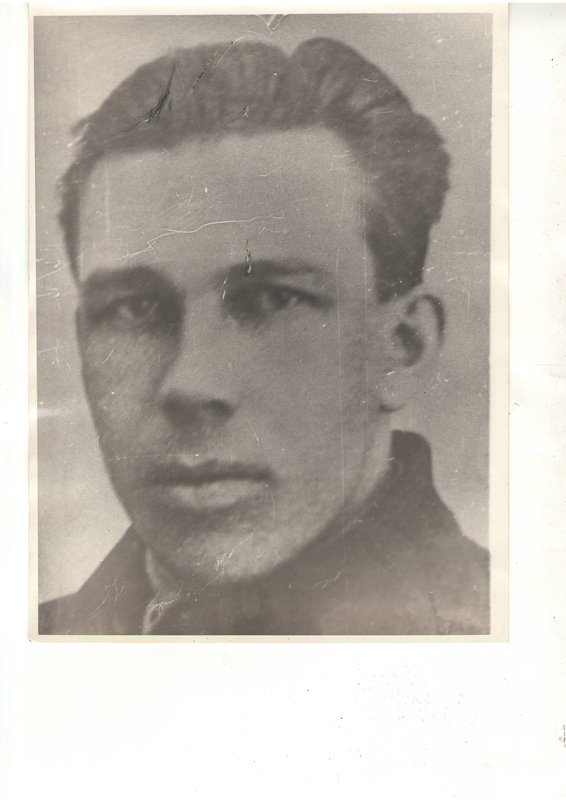
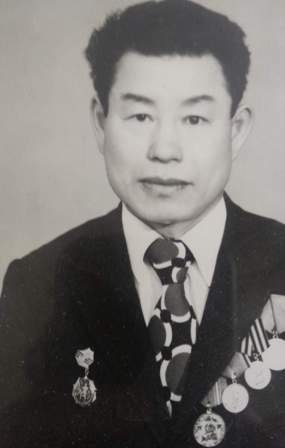
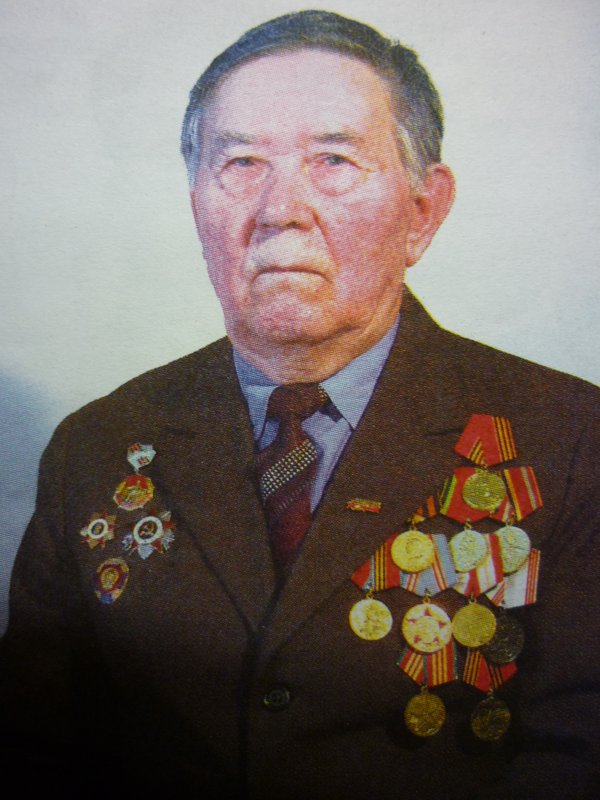


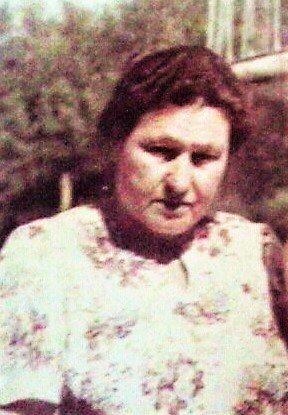
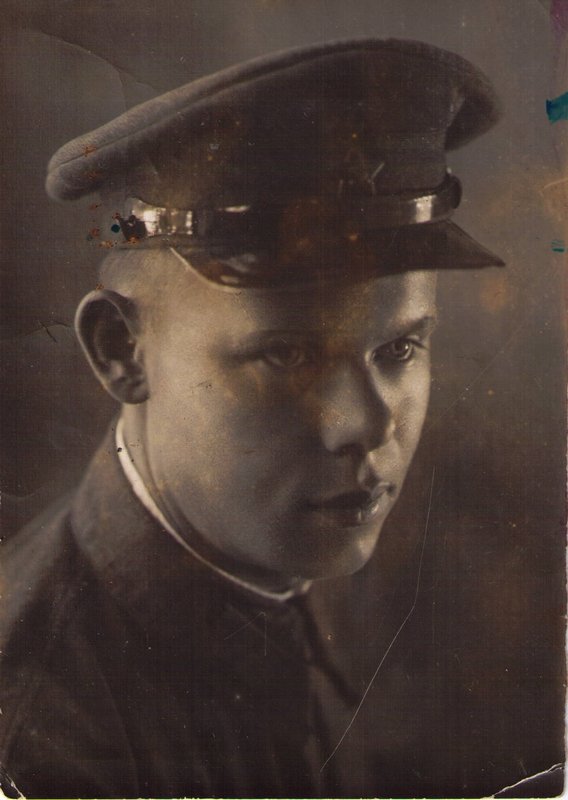
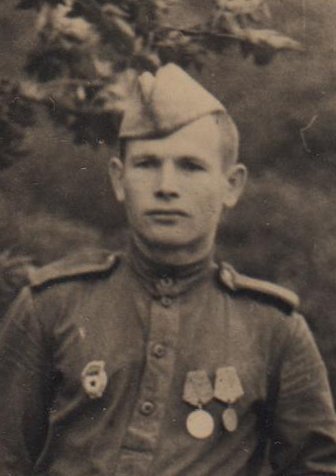
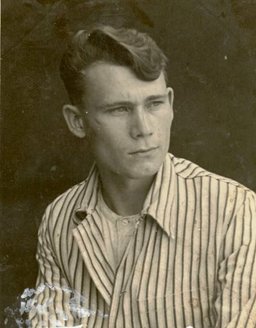
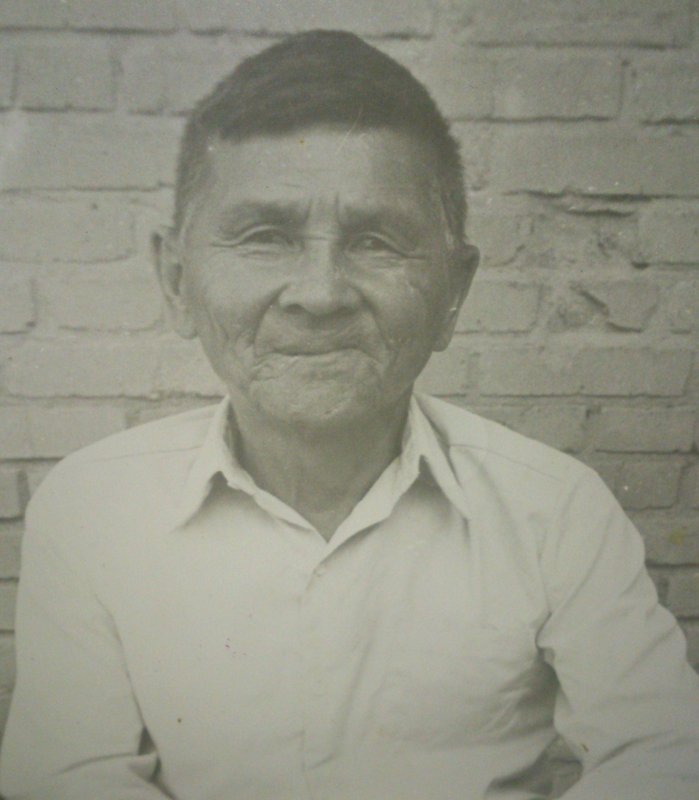
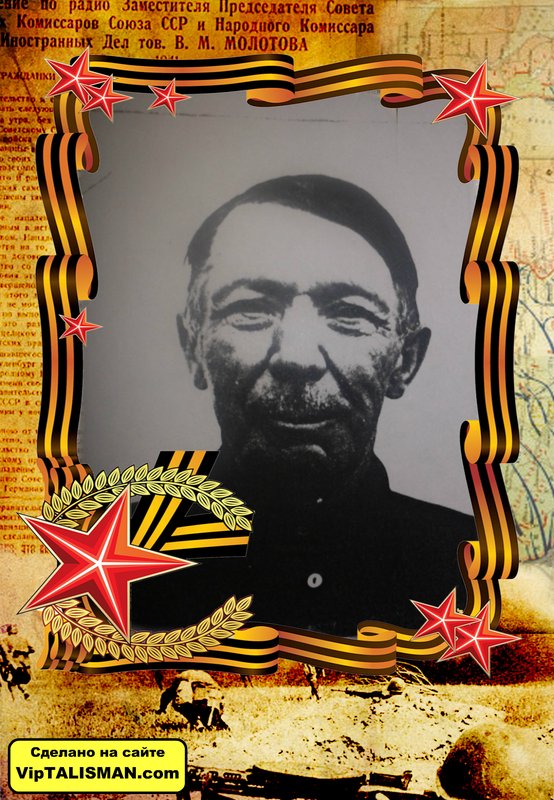
Kozenko Lyubov Pavlovna
During the War and until 1946, Lyubov Pavlovna lived in the village of Metrofanovka (Mitrofanovka) in the New Prague district of the Kirovograd region. In the winter of 1943, together with her friend Shura Divichenko, she went to the field for beets. Four kilometers from the village, the girls saw that on the road, along the landing, German signalmen were pulling a coil with red wires, realized that the Germans were stretching the telephone connection, and decided to damage the wire. They cut down several meters of wire with shovels, and then hid in the landing until dark, afraid to return home, because the Germans forbade leaving the village. When the friends came home late at night with a coil of wire, they learned from their relatives that the Germans were looking for partisans in the village, who broke the connection and took 10 men hostage. If the partisans are not handed over, the hostages will be shot and the village will be burned. The uncle with whom Lyuba lived, having found out where the girls got the wire, said that he would give them to the Germans to save the village and the lives of the villagers. Friends cried all night, it was terrible to die at 14 years old. The next morning, my uncle told me that the Germans had caught an old man coming from another village, accused him of destroying communications, and shot him. No one ever found out what really happened. In the summer of 1945 in the village came another uncle, Podgorny, Fedor Ivanovich (the nephew of Podgorny Nikolai Viktorovich, who later became Chairman of the Presidium of the Supreme Soviet of the USSR), which told how the guerrillas, taking out their cattle from three villages received a message that they should bomb the Nazis, telephony runs on the airfield. But people crossed into the forest without interference, there was no bombing because someone cut the wires and thus saved people from death. When the uncle found out who had damaged the telephone connection, he suggested that Lyuba go to the military enlistment office and tell about it, but the girl was too shy to go barefoot, and there were no shoes. Shura had left the village by that time, and she doesn't even know how many people and livestock her friends saved from destruction. My mother Lyubov Pavlovna lived a long working life. She built the city of Temirtau on virgin land in the Karaganda region in Kazakhstan. She told us a lot about the war and the heroism of our people. I'm proud of my mom.
Kozenko Lyubov Pavlovna
During the War and until 1946, Lyubov Pavlovna lived in the village of Metrofanovka (Mitrofanovka) in the New Prague district of the Kirovograd region. In the winter of 1943, together with her friend Shura Divichenko, she went to the field for beets. Four kilometers from the village, the girls saw that on the road, along the landing, German signalmen were pulling a coil with red wires, realized that the Germans were stretching the telephone connection, and decided to damage the wire. They cut down several meters of wire with shovels, and then hid in the landing until dark, afraid to return home, because the Germans forbade leaving the village. When the friends came home late at night with a coil of wire, they learned from their relatives that the Germans were looking for partisans in the village, who broke the connection and took 10 men hostage. If the partisans are not handed over, the hostages will be shot and the village will be burned. The uncle with whom Lyuba lived, having found out where the girls got the wire, said that he would give them to the Germans to save the village and the lives of the villagers. Friends cried all night, it was terrible to die at 14 years old. The next morning, my uncle told me that the Germans had caught an old man coming from another village, accused him of destroying communications, and shot him. No one ever found out what really happened. In the summer of 1945 in the village came another uncle, Podgorny, Fedor Ivanovich (the nephew of Podgorny Nikolai Viktorovich, who later became Chairman of the Presidium of the Supreme Soviet of the USSR), which told how the guerrillas, taking out their cattle from three villages received a message that they should bomb the Nazis, telephony runs on the airfield. But people crossed into the forest without interference, there was no bombing because someone cut the wires and thus saved people from death. When the uncle found out who had damaged the telephone connection, he suggested that Lyuba go to the military enlistment office and tell about it, but the girl was too shy to go barefoot, and there were no shoes. Shura had left the village by that time, and she doesn't even know how many people and livestock her friends saved from destruction. My mother Lyubov Pavlovna lived a long working life. She built the city of Temirtau on virgin land in the Karaganda region in Kazakhstan. She told us a lot about the war and the heroism of our people. I'm proud of my mom.
0 comment



2026 © Russian Military Historical Society Developed by Jetmix