Back to
album
album



Viktor Nikolaevich Karpenko
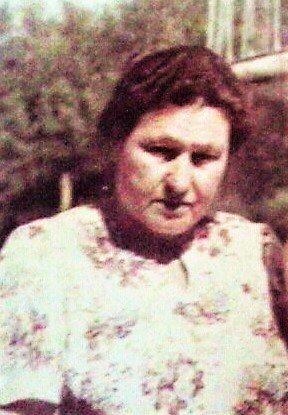
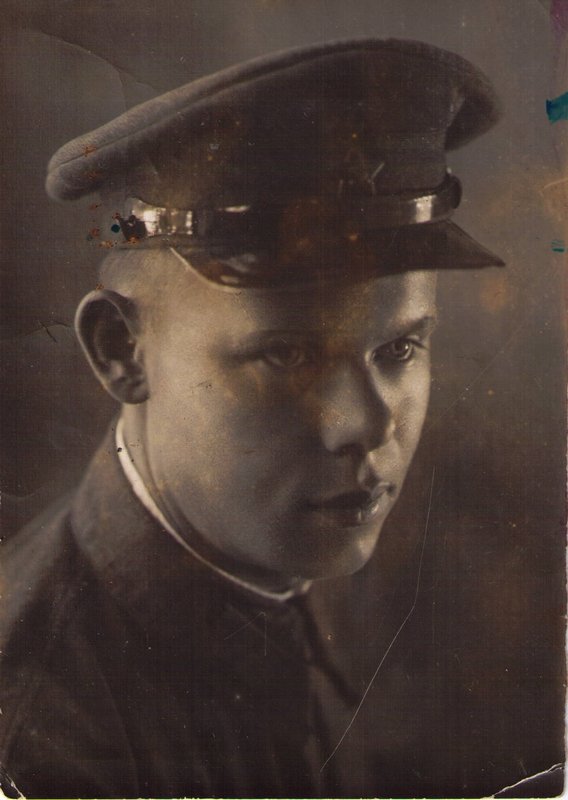
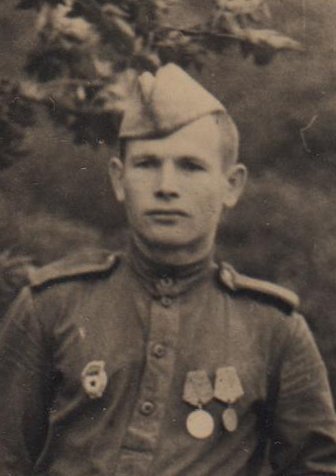
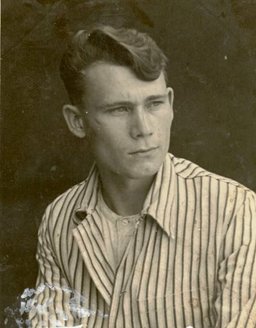
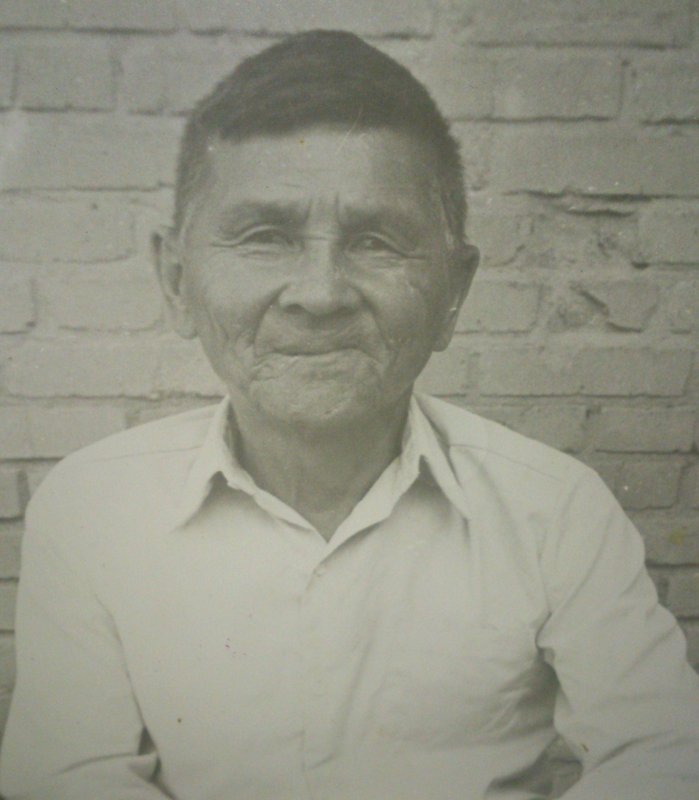
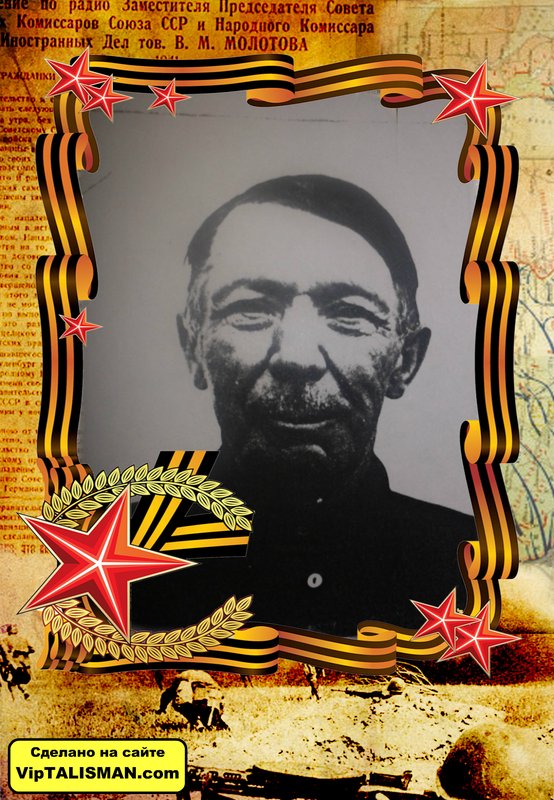
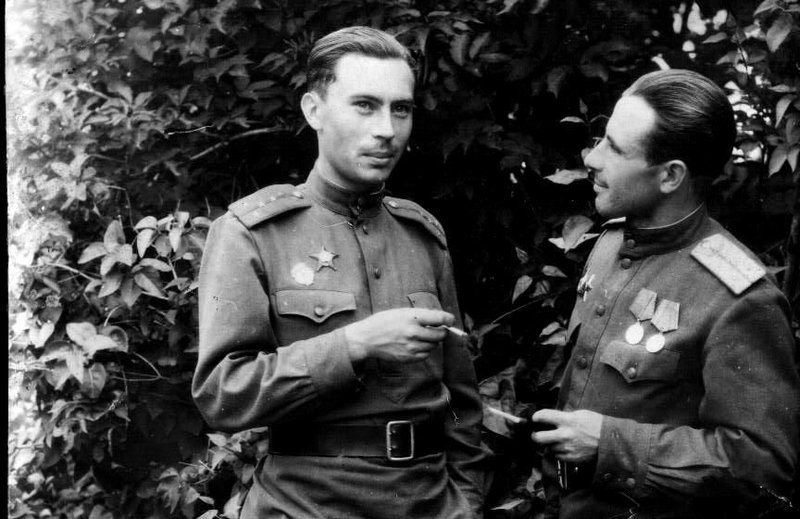
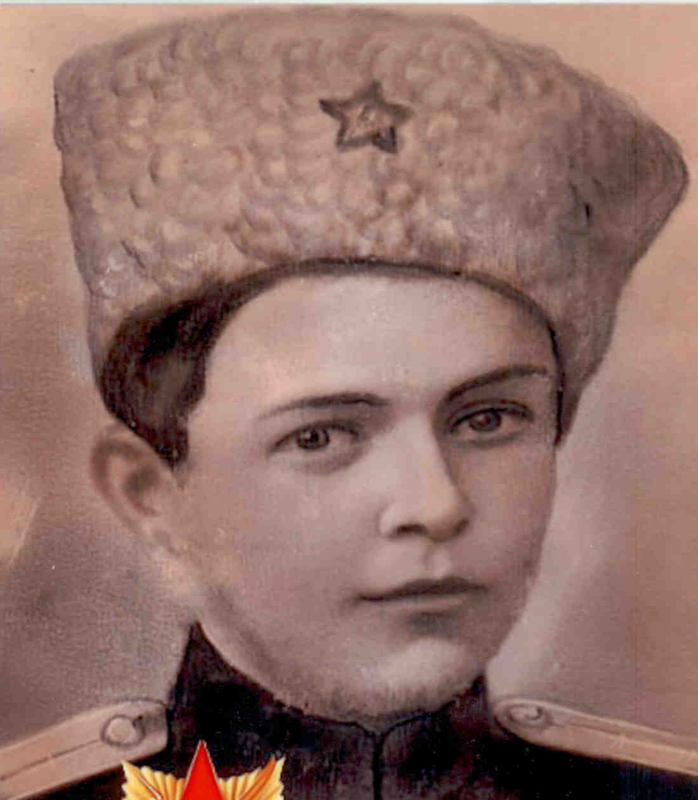
My great-grandfather Viktor Karpenko was born in Ukraine on April 18, 1924, in the small town of Krasnograd. When the Second World War began, he was only 17 years old, but he had already graduated from "chauffeur" and started working. The Germans bombed Ukraine and then began to evacuate businesses and people. A young boy drove a truck loaded with machines to the rear and returned for the next consignment. He really wanted to go to the front, but his age did not allow it, they said: "too small yet." To make himself look taller, he put a log on his seat and barely reached the pedals with his socks, but he performed the work not as every adult. He still wanted to go to the front. And then he lowered his new passport into the water, the letters blurred and the grandfather attributed 2 years to himself, so that it would be for sure. I brought the last car with cargo to the rear and ran to the military enlistment office. At that time, they did not really understand all the subtleties, they were suitable for the front by age. So he ended up in the War and began his combat career in the 325th anti-aircraft regiment as a driver. It was not easy for a young boy. My grandfather told me how he brought ammunition to the front line under the terrible fire of enemy artillery. Sometimes the car had to be repaired under fire. It was scary. So the service took place at the wheel until it came under the siege of Leningrad. And the only road for our people was through the frozen lake Ladoga. Then it was called the “Road of life”. And here on this road they carried bread in trucks to the Leningrad blockade. The Germans constantly shelled the lake, you could slip-your happiness. Twice my grandfather drowned in Ladoga, and twice he was saved. Once a car in front was hit by a bomb and the ice began to crack, the car went under the ice. Grandfather managed to jump out of the car on the running Board and began to throw the bags away. The thought was one: "at least how much to save!!» The car began to go under the water and hit him on the ice. It was very scary, but my grandfather said that many people did this, there was no time to be afraid, because they were carrying not just bread - they were carrying the life. My grandfather survived. So he fought, and reached Romania. And in 1944, in the city of Budapest, he was hit by a terrible bombing and was seriously wounded and contused. That's where his war ended. Like everyone else, my great-grandfather lost a lot of friends in the War, but he did not really like to remember it. In this photo, Viktor Karpenko's great-grandfather is in hospital after being injured in Budapest. He was awarded the medal "for military merit", "for the capture of the city of Budapest", "for the victory over Germany", the order of the Patriotic War II degree". My mother told me that my great-grandfather was a very kind and cheerful person, he was always very sympathetic and was respected among all his friends and neighbors. Unfortunately, I have never seen my great-grandfather, but my family keeps a good memory of him. As a witness of the existing history of my country, I would very much like to see the memory of such people preserved not only by my relatives, but also by the memory of the great Victory of the Russian people for centuries to come.
Viktor Nikolaevich Karpenko
My great-grandfather Viktor Karpenko was born in Ukraine on April 18, 1924, in the small town of Krasnograd. When the Second World War began, he was only 17 years old, but he had already graduated from "chauffeur" and started working. The Germans bombed Ukraine and then began to evacuate businesses and people. A young boy drove a truck loaded with machines to the rear and returned for the next consignment. He really wanted to go to the front, but his age did not allow it, they said: "too small yet." To make himself look taller, he put a log on his seat and barely reached the pedals with his socks, but he performed the work not as every adult. He still wanted to go to the front. And then he lowered his new passport into the water, the letters blurred and the grandfather attributed 2 years to himself, so that it would be for sure. I brought the last car with cargo to the rear and ran to the military enlistment office. At that time, they did not really understand all the subtleties, they were suitable for the front by age. So he ended up in the War and began his combat career in the 325th anti-aircraft regiment as a driver. It was not easy for a young boy. My grandfather told me how he brought ammunition to the front line under the terrible fire of enemy artillery. Sometimes the car had to be repaired under fire. It was scary. So the service took place at the wheel until it came under the siege of Leningrad. And the only road for our people was through the frozen lake Ladoga. Then it was called the “Road of life”. And here on this road they carried bread in trucks to the Leningrad blockade. The Germans constantly shelled the lake, you could slip-your happiness. Twice my grandfather drowned in Ladoga, and twice he was saved. Once a car in front was hit by a bomb and the ice began to crack, the car went under the ice. Grandfather managed to jump out of the car on the running Board and began to throw the bags away. The thought was one: "at least how much to save!!» The car began to go under the water and hit him on the ice. It was very scary, but my grandfather said that many people did this, there was no time to be afraid, because they were carrying not just bread - they were carrying the life. My grandfather survived. So he fought, and reached Romania. And in 1944, in the city of Budapest, he was hit by a terrible bombing and was seriously wounded and contused. That's where his war ended. Like everyone else, my great-grandfather lost a lot of friends in the War, but he did not really like to remember it. In this photo, Viktor Karpenko's great-grandfather is in hospital after being injured in Budapest. He was awarded the medal "for military merit", "for the capture of the city of Budapest", "for the victory over Germany", the order of the Patriotic War II degree". My mother told me that my great-grandfather was a very kind and cheerful person, he was always very sympathetic and was respected among all his friends and neighbors. Unfortunately, I have never seen my great-grandfather, but my family keeps a good memory of him. As a witness of the existing history of my country, I would very much like to see the memory of such people preserved not only by my relatives, but also by the memory of the great Victory of the Russian people for centuries to come.
0 comment



2026 © Russian Military Historical Society Developed by Jetmix