Back to
album
album
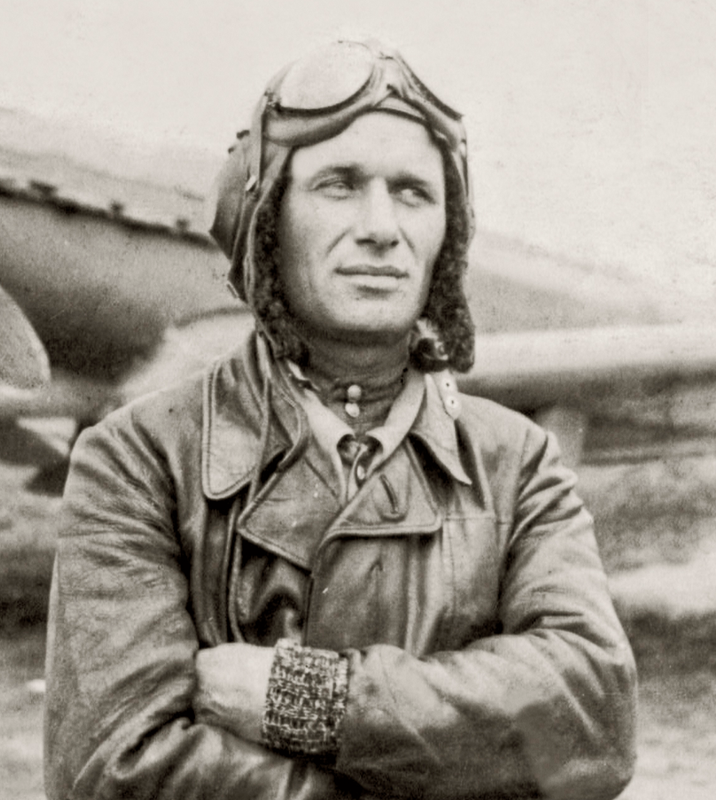
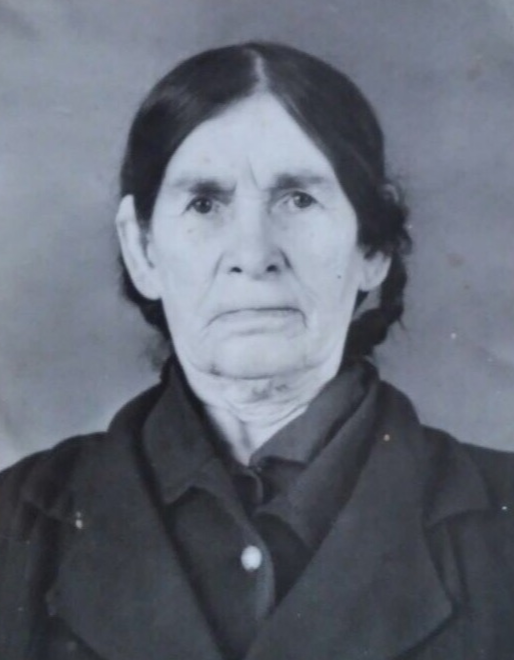
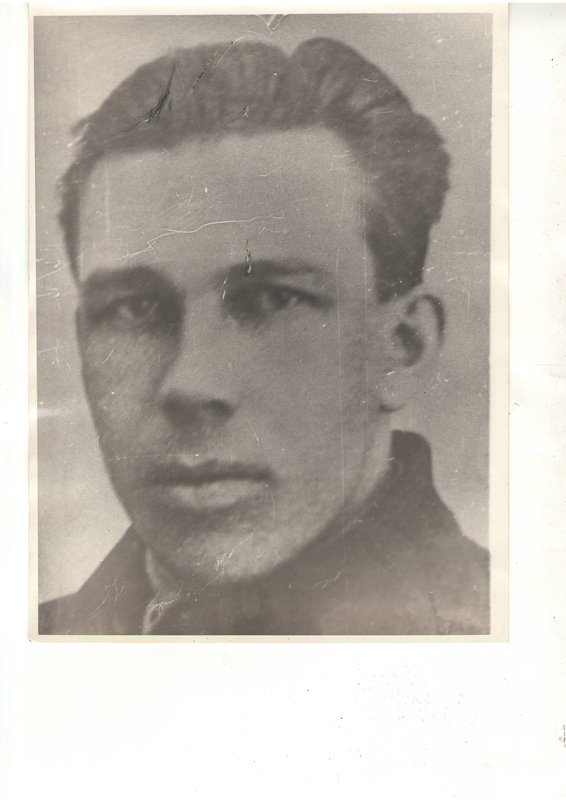
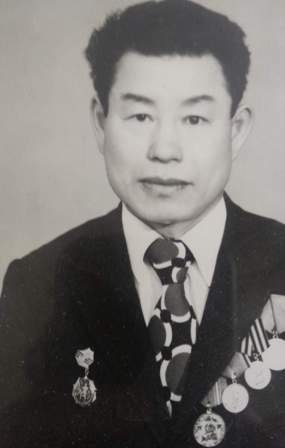
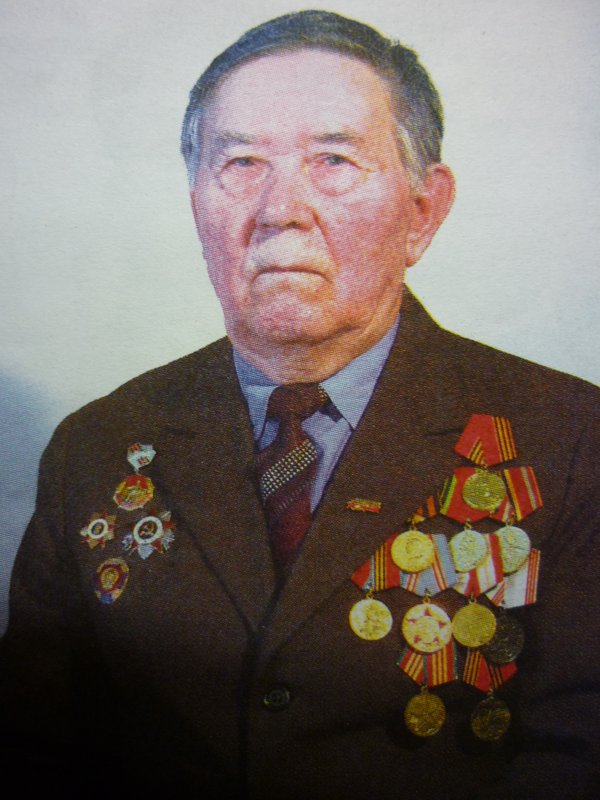


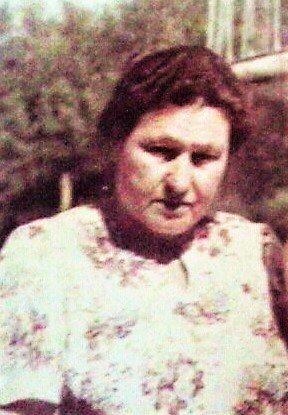
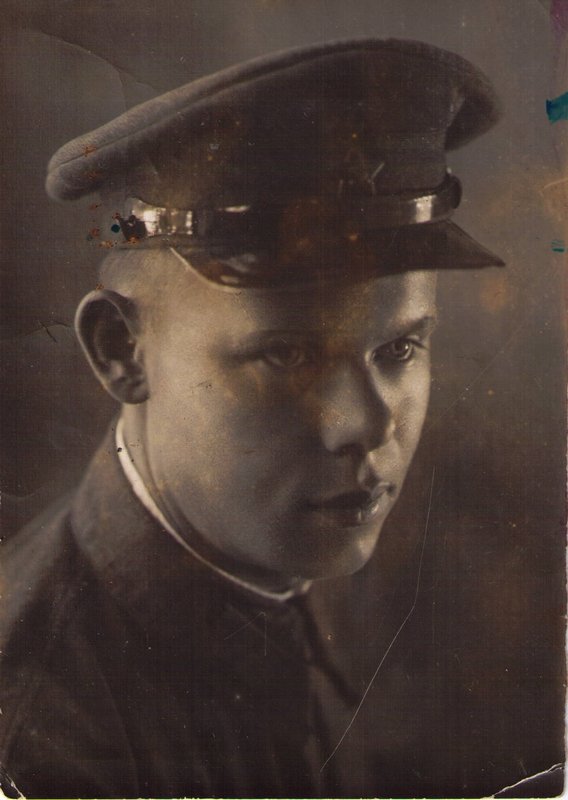
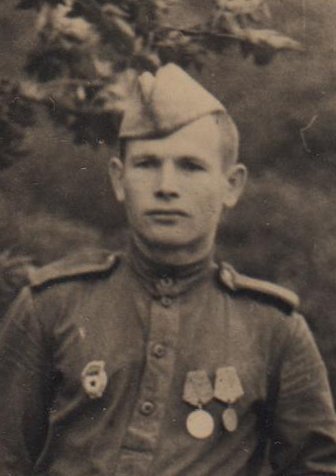
Kornachev Alexander Petrovich
During the years of military service in the active army, Alexander kurnashev had to serve and liberate many cities and countries of the Union republics. On the account of Alexander Petrovich, the struggle for the besieged Stalingrad, the Kursk Bulge, the liberation of the Caucasian republics, the capture of Melitopol in Ukraine, the liberation of Rostov and Donbass, the battle on the banks of the Dnieper river. For military services, Alexander Petrovich was awarded the order of the Patriotic War, 2nd class, and the medal "for the victory over Germany". Our veteran was born on September 12, 1923 in the village of Chuvarleika. After graduating from a 2-class school at the age of 14, he began working on the Gorky railway. When the War began, he was sent to build the Gorky highway. As an 18-year-old boy, he was called up to the front in August 1942. Alexander Petrovich shared his memories of that terrible War with us: “After completing the training courses, we were sent to Stalingrad, our train was traveling in the Salsk steppes, we had horse artillery with us. At this time, we were hit by a barrage of fire from Romanian and German planes, during the bombing we jumped to the ground, had to retreat crawling on our backs, while we were driving half of the people lost. At the front, I had the opportunity to command an intelligence Department. I always had 5 people. Tested and non-smokers (one of the most important characteristics, because the smell of tobacco can give away). The main task was to create a "language". - Heavy fighting was going on for the city of Melitopol,” - says Alexander Petrovich. - the Division that was supposed to oust the Germans, was already defeated. Therefore, a new detachment was formed from the battalions, which included me. We were commanded by senior political officer Maria Batrakova. She fought on an equal footing with men, was distinguished by courage and bravery, not for nothing was she awarded the title Hero of the Soviet Union. Many soldiers were killed while crossing the Molochnaya river. For the heroic liberation of the city of Melitopol from the Nazi invaders, Alexander Petrovich Kurnashev received a letter of gratitude from Joseph Vissarionovich Stalin. -There was another case where I had to risk my life, - says A. P. Karnachev. - During the battle, the cable was interrupted by a shell. It was necessary to restore it. The commander had sent four men, but not one of them had returned from the mission, and the cable was still broken. It was my turn. I asked the commander for binoculars to study the area and see where the guys who were killed are lying. Nearby, I noticed a path trampled by cows. So I decided to crawl along it, putting on my duffel bag. The commander was still surprised: why did I need it - only to carry an extra load on myself. But I was careful, the German sniper hit the duffel bag. All I could hear was the sound of bullets hitting the pot. I found the gap, connected the wires. When I returned, I took off my duffel bag, but it was like a sieve: the loaf was crumbled, the greatcoat was shot through. And I'm happy, I completed the task! We shot down this sniper with machine guns. For this, the commander wanted to introduce me to the order of the red banner of Battle, but during the next bombing, all the documents were lost. - I had to take prisoners, - says the veteran. – The battle for the Donbas was given to hard. Many of the enemies preferred to surrender after the encirclement, one moment I remember for the rest of my life, after the battle 7 enemy soldiers surrendered, among the prisoners were Bandera and Vlasovtsy who asked that they be left alive. I wrote them a note to the headquarters that they surrendered without a fight, voluntarily, with a request to take more lenient measures against them. Then I sent them to the headquarters, which they went to on their own. And sometimes you'd crawl so close to German that you could hear them talking, and throw them a grenade. Alexander Petrovich also remembered the fierce battles for the Dnieper river, and our interlocutor also kindly shares his memories of them with us. -During the crossing of our troops across the Dnieper, I covered the attackers with a machine gun. A shell smashed my Maxim machine gun, and I was buried in the ground. And if it weren't for my fellow countryman-Alexander Kalishnikov from Novoselok, I would have remained under the rubble. I had a severe concussion, I had to go to the hospital, but the foreman did not let me go – he left me as an assistant, so instead of the hospital, I helped the foreman feed the soldiers for a month and a half. In 1944, my friend and I entered the Tbilisi infantry school, where we were trained for the war with Japan. Once we decided to play to pass the day: I took a balalaika, the Lieutenant-a mandolin, and Alexander Kalishnikov sang along. The distance from us to the Germans was about three hundred meters. The next morning, we were surprised to hear the sounds of a Russian accordion from the enemy. It turned out that the enemy had the Russians on their side. After returning from the War, Alexander Petrovich married Queen Anna Mikhailovna, with whom they raised a son and daughter. Our interlocutor found his vocation in the police, for good work he earned respect in the team, received the medal " for impeccable service "and the badge"excellent police Officer". In 1972, he got a job at the Arzamas machine-Building Plant in Moscow. Alexander Petrovich has long been on a well-deserved vacation and lives in our city. The last years of the front-line soldier's life were helped by his daughter Lydia Alexandrovna who gave him all her care and kindness. The veteran's grandchildren and friends were frequent guests at the house. Who knew Alexander Petrovich as a good and good-natured person. The veteran died on February 13, 2015, and did not meet the long-awaited 70th anniversary of the Great Victory.
Kornachev Alexander Petrovich
During the years of military service in the active army, Alexander kurnashev had to serve and liberate many cities and countries of the Union republics. On the account of Alexander Petrovich, the struggle for the besieged Stalingrad, the Kursk Bulge, the liberation of the Caucasian republics, the capture of Melitopol in Ukraine, the liberation of Rostov and Donbass, the battle on the banks of the Dnieper river. For military services, Alexander Petrovich was awarded the order of the Patriotic War, 2nd class, and the medal "for the victory over Germany". Our veteran was born on September 12, 1923 in the village of Chuvarleika. After graduating from a 2-class school at the age of 14, he began working on the Gorky railway. When the War began, he was sent to build the Gorky highway. As an 18-year-old boy, he was called up to the front in August 1942. Alexander Petrovich shared his memories of that terrible War with us: “After completing the training courses, we were sent to Stalingrad, our train was traveling in the Salsk steppes, we had horse artillery with us. At this time, we were hit by a barrage of fire from Romanian and German planes, during the bombing we jumped to the ground, had to retreat crawling on our backs, while we were driving half of the people lost. At the front, I had the opportunity to command an intelligence Department. I always had 5 people. Tested and non-smokers (one of the most important characteristics, because the smell of tobacco can give away). The main task was to create a "language". - Heavy fighting was going on for the city of Melitopol,” - says Alexander Petrovich. - the Division that was supposed to oust the Germans, was already defeated. Therefore, a new detachment was formed from the battalions, which included me. We were commanded by senior political officer Maria Batrakova. She fought on an equal footing with men, was distinguished by courage and bravery, not for nothing was she awarded the title Hero of the Soviet Union. Many soldiers were killed while crossing the Molochnaya river. For the heroic liberation of the city of Melitopol from the Nazi invaders, Alexander Petrovich Kurnashev received a letter of gratitude from Joseph Vissarionovich Stalin. -There was another case where I had to risk my life, - says A. P. Karnachev. - During the battle, the cable was interrupted by a shell. It was necessary to restore it. The commander had sent four men, but not one of them had returned from the mission, and the cable was still broken. It was my turn. I asked the commander for binoculars to study the area and see where the guys who were killed are lying. Nearby, I noticed a path trampled by cows. So I decided to crawl along it, putting on my duffel bag. The commander was still surprised: why did I need it - only to carry an extra load on myself. But I was careful, the German sniper hit the duffel bag. All I could hear was the sound of bullets hitting the pot. I found the gap, connected the wires. When I returned, I took off my duffel bag, but it was like a sieve: the loaf was crumbled, the greatcoat was shot through. And I'm happy, I completed the task! We shot down this sniper with machine guns. For this, the commander wanted to introduce me to the order of the red banner of Battle, but during the next bombing, all the documents were lost. - I had to take prisoners, - says the veteran. – The battle for the Donbas was given to hard. Many of the enemies preferred to surrender after the encirclement, one moment I remember for the rest of my life, after the battle 7 enemy soldiers surrendered, among the prisoners were Bandera and Vlasovtsy who asked that they be left alive. I wrote them a note to the headquarters that they surrendered without a fight, voluntarily, with a request to take more lenient measures against them. Then I sent them to the headquarters, which they went to on their own. And sometimes you'd crawl so close to German that you could hear them talking, and throw them a grenade. Alexander Petrovich also remembered the fierce battles for the Dnieper river, and our interlocutor also kindly shares his memories of them with us. -During the crossing of our troops across the Dnieper, I covered the attackers with a machine gun. A shell smashed my Maxim machine gun, and I was buried in the ground. And if it weren't for my fellow countryman-Alexander Kalishnikov from Novoselok, I would have remained under the rubble. I had a severe concussion, I had to go to the hospital, but the foreman did not let me go – he left me as an assistant, so instead of the hospital, I helped the foreman feed the soldiers for a month and a half. In 1944, my friend and I entered the Tbilisi infantry school, where we were trained for the war with Japan. Once we decided to play to pass the day: I took a balalaika, the Lieutenant-a mandolin, and Alexander Kalishnikov sang along. The distance from us to the Germans was about three hundred meters. The next morning, we were surprised to hear the sounds of a Russian accordion from the enemy. It turned out that the enemy had the Russians on their side. After returning from the War, Alexander Petrovich married Queen Anna Mikhailovna, with whom they raised a son and daughter. Our interlocutor found his vocation in the police, for good work he earned respect in the team, received the medal " for impeccable service "and the badge"excellent police Officer". In 1972, he got a job at the Arzamas machine-Building Plant in Moscow. Alexander Petrovich has long been on a well-deserved vacation and lives in our city. The last years of the front-line soldier's life were helped by his daughter Lydia Alexandrovna who gave him all her care and kindness. The veteran's grandchildren and friends were frequent guests at the house. Who knew Alexander Petrovich as a good and good-natured person. The veteran died on February 13, 2015, and did not meet the long-awaited 70th anniversary of the Great Victory.
0 comment



2026 © Russian Military Historical Society Developed by Jetmix