Back to
album
album
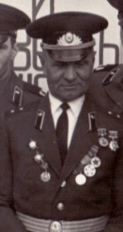
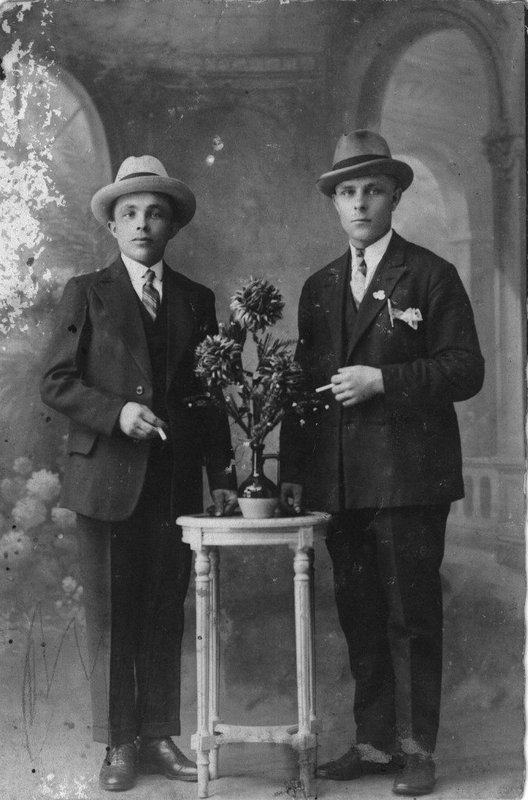
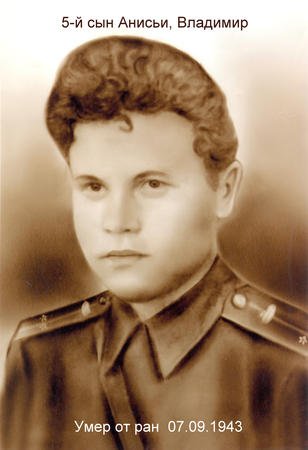
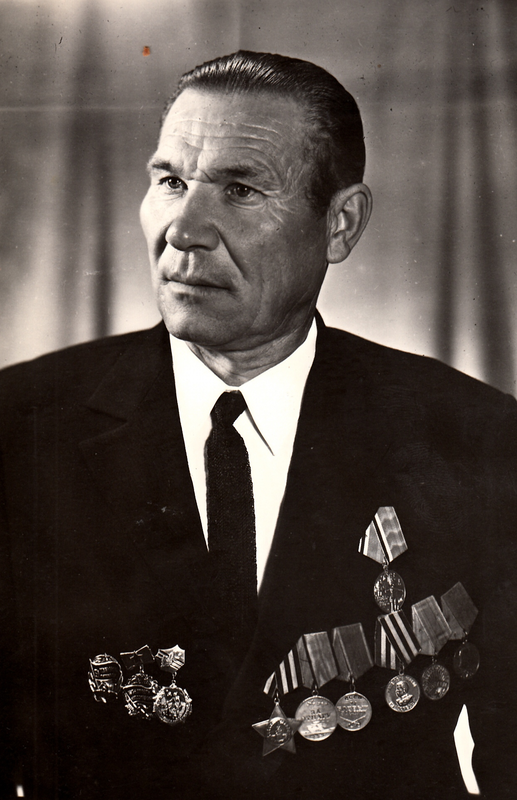
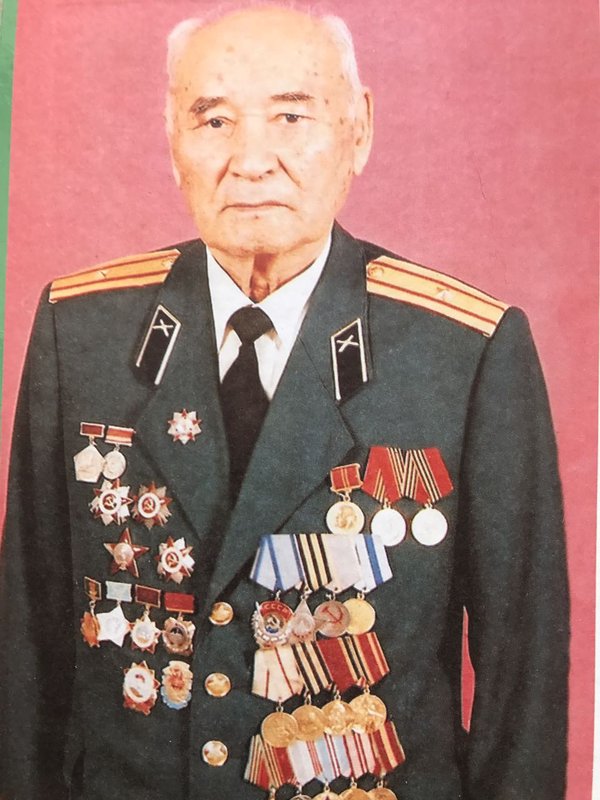
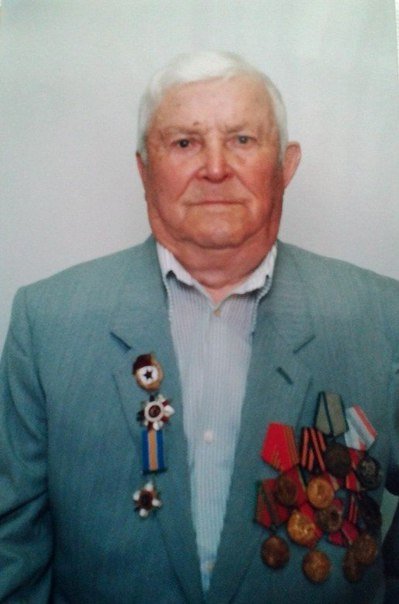
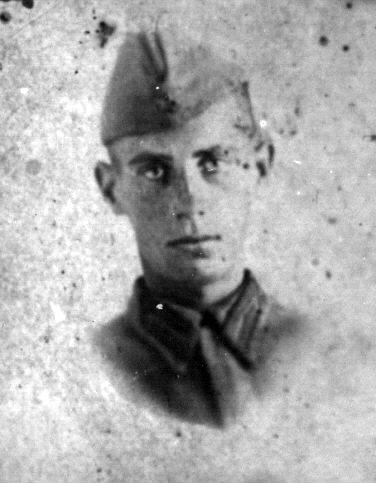
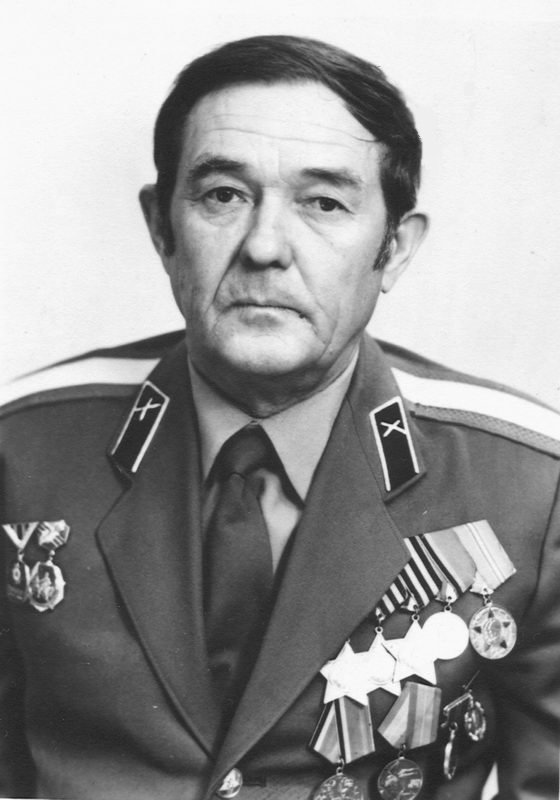
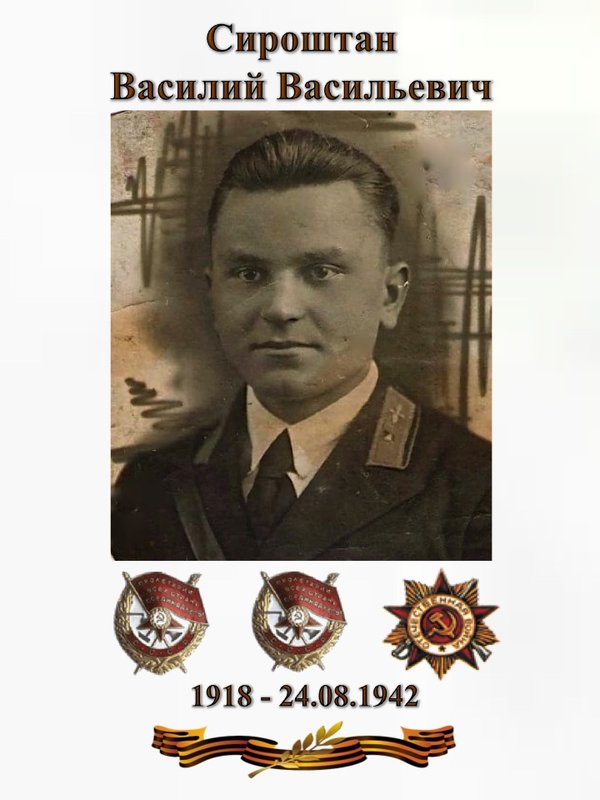
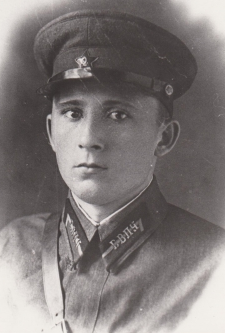
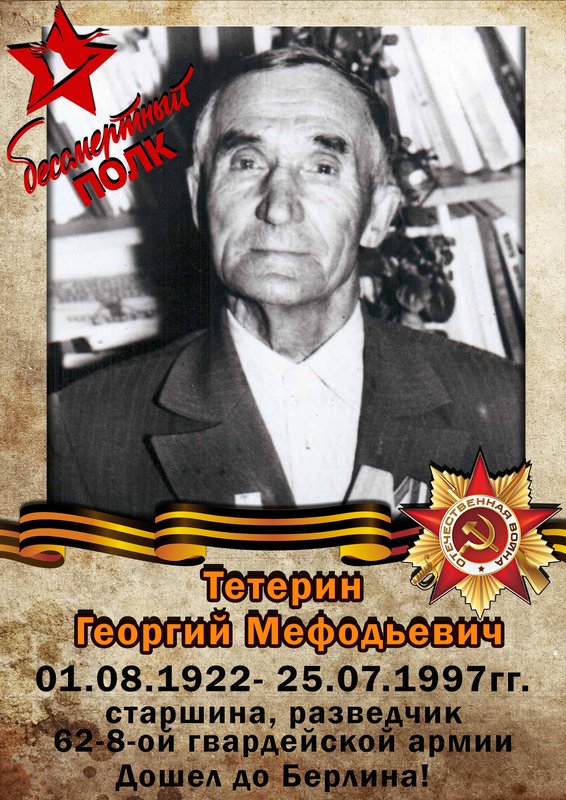
Sirotenko Mikhail Andreevich
Rank: Red Army Soldier_x000D_
Branch of troops: Armored and mechanized troops _x000D_
My great-grandfather Nikolai Andreevich Sirotenko is a native Crimean. Born in 1918 in the city of Karasubazar (now Belogorsk). In the same year, the Red Army Soldier Andrei Sirotenko, his father, was killed during the Civil War in Russia. Mother Feodosia Romanovna, by the way, the grand-niece grand-niece of the legendary revolutionary Zhelyabov, raised three children herself, and my great-grandfather Nikolai became the support of the family as a teenager. After finishing the seven-year School, Kolya Sirotenko got a job in the Pobeda shop, which made equipment (crowbars, picks, shovels, carts) for the builders of the Taigan reservoir. _x000D_
Most of the people worked at the construction site were prisoners of GULAG. Nikolai saw the hands of these people, which were worn to blood, and therefore tried to plant a smoother hand on a shovel or an axe. In this he had no equal in the shop. His surname decorated the Hall of Fame. The outbreak of the war completely canceled everything. _x000D_
Nikolai Andreevich began his six-year frontline journey back in 1939, during the Finnish campaign. In his car ZIS-5, he transported wounded soldiers of the Red Army from the front line to the rear. Under the fire of Finnish snipers, he deftly maneuvered in a car between trenches and craters, each time delivering the wounded, as they say, without loss, to a medical Battalion or hospital. Sirotenko's car number 4477 had been famous throughout the front line. From the memoirs of my great-grandfather: _x000D_
“After the Finnish war, I served in the garrison of the Brest Fortress. And on June 22, 1941, the Germans unleashed on Brest all the might of their offensive strike. Heavy Artillery fire, raids by bomber aircraft turned the peaceful border town into an absolute hell. We defended ourselves as best we could. I was a fuel truck driver and delivered fuel to the hottest spots. God had mercy: the enemy never hit my car either from the air or from the ground. " _x000D_
With the retreating units in the summer and autumn of 1941, Nikolai reached Moscow and from there began his military journey to the West. He carried ammunition and medicines, weapons and foodstuffs, shells and mines, and had a chance to carry unit commanders. In Austria, he came under shelling, was seriously wounded. But he got out. _x000D_
After the hospital they wanted to commission him, but he asked to go to the front line. My great-grandfather recalled the following incident: _x000D_
“It was in Hungary. For one of the settlements near Lake Balaton, we clashed not with the Germans, but with the Magyars. Evil, fearless brutes, I tell you. Of course, they did not have German organization and discipline. But they had more than enough anger and rage. Then I drove the Chief of Artillery of the Division, Colonel Ivan Timofeevich Tochilin. The Magyars surrounded my "jeep" (by the way, a good car), pouring fire on it. Tochilin and I were shooting back. And then I remembered about the wooden box with grenades, which I always carried with me. I threw four pieces one after the other, and managed to break through. In the morning I looked at the car: Mother of God! All in holes, the wheels are also punctured. And how did they survive?"_x000D_
In 1946, the front-line driver Nikolai returned to his native Belogorsk. He immediately became a driver of the city Fire Brigade. At home, my great-grandmother Akulina Denisovna was waiting for him, whom he married back in 1938. By the way, in 1988 my great-grandfather and great-grandmother played a golden wedding, which was attended by half the city.“I have lived a long life,”my great-grandfather said in 2007 in an interview for the newspaper“Krymskaya Pravda”,“and I consider every day I have lived to be happy. I have no anger for God and fate: I lived as my mind advised me. And I will die with a pure heart. Do you know what darkens my life in my declining years? A feeling of annoyance that the mighty Soviet Union was destroyed by the narrow-minded politicians. I am a Russian person and I am proud of it. I am not a nationalist, but I am insulted when the current Ukrainian government slanders great Russia, when it tries to make heroes out of Bandera, when it leaves the majority of the population of Ukraine below the poverty line. I want everyone to live happy...” Written by Larisa Ternopolova.
Sirotenko Mikhail Andreevich
Rank: Red Army Soldier_x000D_
Branch of troops: Armored and mechanized troops _x000D_
My great-grandfather Nikolai Andreevich Sirotenko is a native Crimean. Born in 1918 in the city of Karasubazar (now Belogorsk). In the same year, the Red Army Soldier Andrei Sirotenko, his father, was killed during the Civil War in Russia. Mother Feodosia Romanovna, by the way, the grand-niece grand-niece of the legendary revolutionary Zhelyabov, raised three children herself, and my great-grandfather Nikolai became the support of the family as a teenager. After finishing the seven-year School, Kolya Sirotenko got a job in the Pobeda shop, which made equipment (crowbars, picks, shovels, carts) for the builders of the Taigan reservoir. _x000D_
Most of the people worked at the construction site were prisoners of GULAG. Nikolai saw the hands of these people, which were worn to blood, and therefore tried to plant a smoother hand on a shovel or an axe. In this he had no equal in the shop. His surname decorated the Hall of Fame. The outbreak of the war completely canceled everything. _x000D_
Nikolai Andreevich began his six-year frontline journey back in 1939, during the Finnish campaign. In his car ZIS-5, he transported wounded soldiers of the Red Army from the front line to the rear. Under the fire of Finnish snipers, he deftly maneuvered in a car between trenches and craters, each time delivering the wounded, as they say, without loss, to a medical Battalion or hospital. Sirotenko's car number 4477 had been famous throughout the front line. From the memoirs of my great-grandfather: _x000D_
“After the Finnish war, I served in the garrison of the Brest Fortress. And on June 22, 1941, the Germans unleashed on Brest all the might of their offensive strike. Heavy Artillery fire, raids by bomber aircraft turned the peaceful border town into an absolute hell. We defended ourselves as best we could. I was a fuel truck driver and delivered fuel to the hottest spots. God had mercy: the enemy never hit my car either from the air or from the ground. " _x000D_
With the retreating units in the summer and autumn of 1941, Nikolai reached Moscow and from there began his military journey to the West. He carried ammunition and medicines, weapons and foodstuffs, shells and mines, and had a chance to carry unit commanders. In Austria, he came under shelling, was seriously wounded. But he got out. _x000D_
After the hospital they wanted to commission him, but he asked to go to the front line. My great-grandfather recalled the following incident: _x000D_
“It was in Hungary. For one of the settlements near Lake Balaton, we clashed not with the Germans, but with the Magyars. Evil, fearless brutes, I tell you. Of course, they did not have German organization and discipline. But they had more than enough anger and rage. Then I drove the Chief of Artillery of the Division, Colonel Ivan Timofeevich Tochilin. The Magyars surrounded my "jeep" (by the way, a good car), pouring fire on it. Tochilin and I were shooting back. And then I remembered about the wooden box with grenades, which I always carried with me. I threw four pieces one after the other, and managed to break through. In the morning I looked at the car: Mother of God! All in holes, the wheels are also punctured. And how did they survive?"_x000D_
In 1946, the front-line driver Nikolai returned to his native Belogorsk. He immediately became a driver of the city Fire Brigade. At home, my great-grandmother Akulina Denisovna was waiting for him, whom he married back in 1938. By the way, in 1988 my great-grandfather and great-grandmother played a golden wedding, which was attended by half the city.“I have lived a long life,”my great-grandfather said in 2007 in an interview for the newspaper“Krymskaya Pravda”,“and I consider every day I have lived to be happy. I have no anger for God and fate: I lived as my mind advised me. And I will die with a pure heart. Do you know what darkens my life in my declining years? A feeling of annoyance that the mighty Soviet Union was destroyed by the narrow-minded politicians. I am a Russian person and I am proud of it. I am not a nationalist, but I am insulted when the current Ukrainian government slanders great Russia, when it tries to make heroes out of Bandera, when it leaves the majority of the population of Ukraine below the poverty line. I want everyone to live happy...” Written by Larisa Ternopolova.
0 comment



2026 © Russian Military Historical Society Developed by Jetmix