Back to
album
album
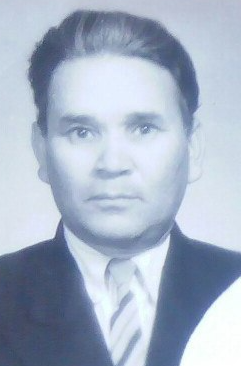
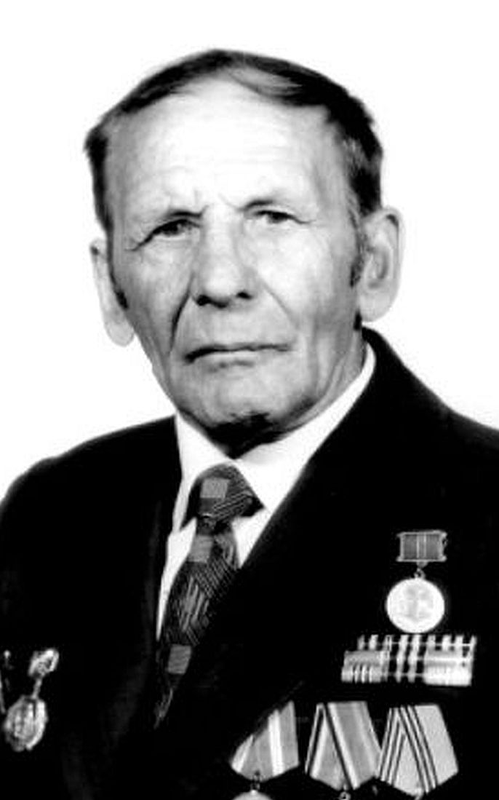
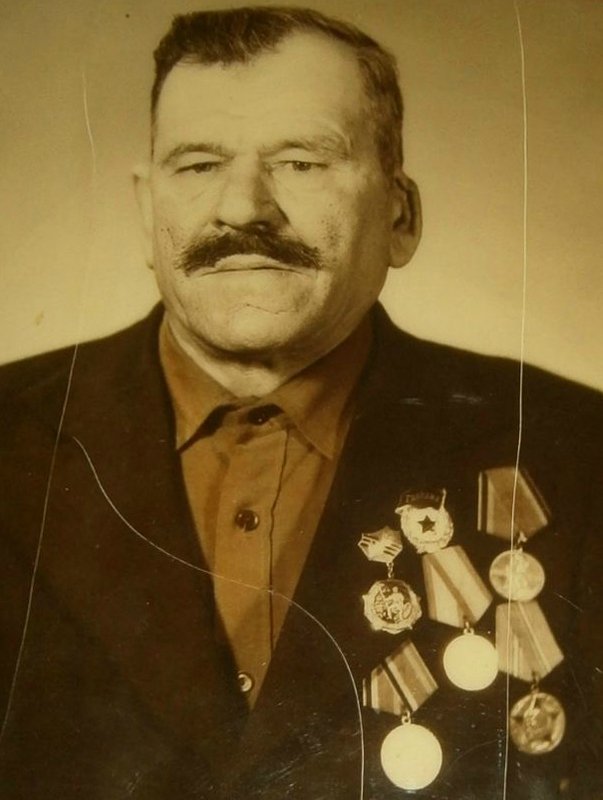
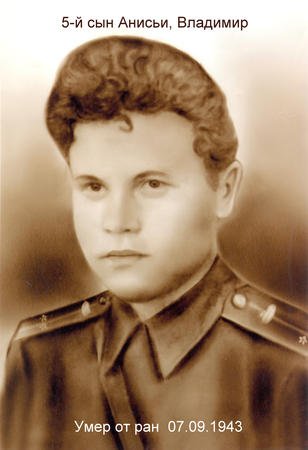
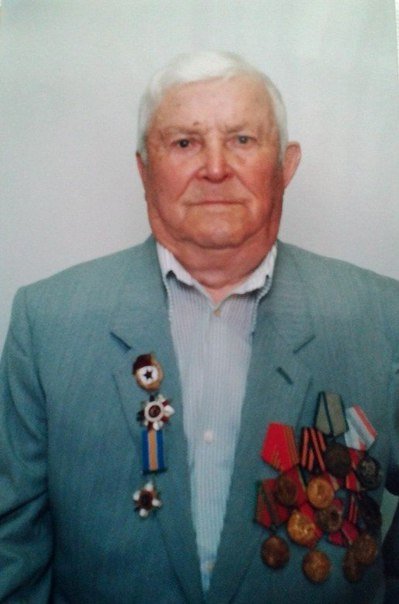
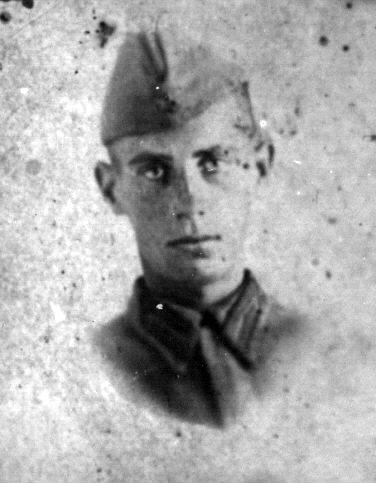
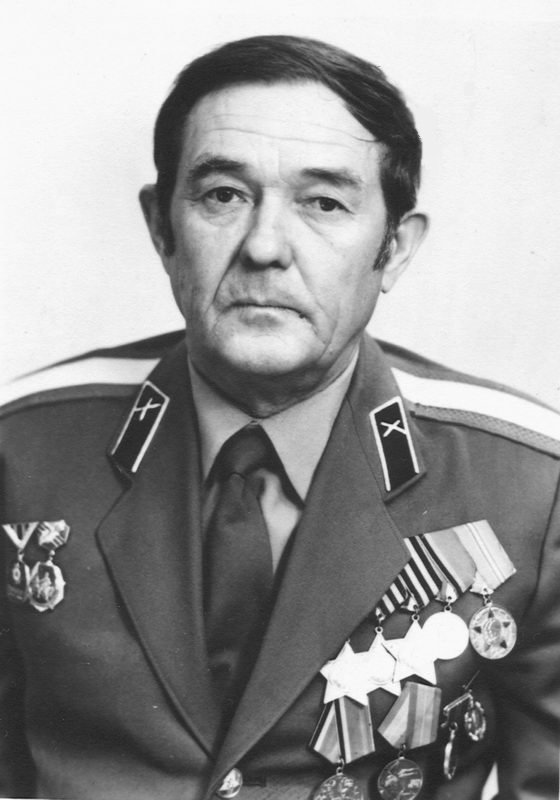
Tatarnikov Vladimir Alexandrovich
Rank: Lieutenant _x000D_
Branch of troops: Armored and mechanized troops. _x000D_
He was born in 1923. Shortly before that, due to the persecution of priests, his father was forced to leave for the village of Krasnoe and change the priesthood to a Teacher of the Russian language, worked as a Director of a School and an orphanage. Vladimir continued the dynasty of teachers, following the example of his father and brothers, from the age of 16 he began teaching history at a School in the village of Shabanovo. He wrote good poetry, before the war he was published in a collection of Siberian poets, began to write a story about the civil war. At the age of 17 he wrote an article for the "Uchitelskaya Gazeta" "What a rural Teacher should be like". The main values of this article are still relevant today, understandable to our generation and future successors. _x000D_
Vladimir went to the front at the age of 18. He underwent military training in the city of Berdsk. On November 7, 1941, he took a military oath. From December 1941 he fought in the 28th Guards Division. Then he fought in the 30th Siberian Ski Battalion. He served as a tanker, Komsomol organizer of the 226th Tank Regiment, Chief of the Regiment's Tank Brigade. In October 1942, in battles of Separate Ski Battalion he was seriously wounded. While in the hospital, he wrote poetry, read them to raise the morale of wounded soldiers and nurses. A nurse wrote mentioned this fact in a letter after his death. _x000D_
After the hospital he went to the front again. In August he was awarded the medal "For Military Merit". He was seriously wounded in battle, died from burns in hospital No. 218 of the OMSB 178 SD near Smolensk on September 7, 1943. _x000D_
His name is carved on the Obelisk of Glory in the village of Shabanovo, where he lived and worked, and in the town of Dukhovshchina, where he was reburied from the place of death (Shchelkino village). Materials about the Tatarnikov family are kept in the School museum of the village of Shabanovo, in a memorial room. My father was named after the hero Tatarnikov Vladimir Alexandrovich.
Tatarnikov Vladimir Alexandrovich
Rank: Lieutenant _x000D_
Branch of troops: Armored and mechanized troops. _x000D_
He was born in 1923. Shortly before that, due to the persecution of priests, his father was forced to leave for the village of Krasnoe and change the priesthood to a Teacher of the Russian language, worked as a Director of a School and an orphanage. Vladimir continued the dynasty of teachers, following the example of his father and brothers, from the age of 16 he began teaching history at a School in the village of Shabanovo. He wrote good poetry, before the war he was published in a collection of Siberian poets, began to write a story about the civil war. At the age of 17 he wrote an article for the "Uchitelskaya Gazeta" "What a rural Teacher should be like". The main values of this article are still relevant today, understandable to our generation and future successors. _x000D_
Vladimir went to the front at the age of 18. He underwent military training in the city of Berdsk. On November 7, 1941, he took a military oath. From December 1941 he fought in the 28th Guards Division. Then he fought in the 30th Siberian Ski Battalion. He served as a tanker, Komsomol organizer of the 226th Tank Regiment, Chief of the Regiment's Tank Brigade. In October 1942, in battles of Separate Ski Battalion he was seriously wounded. While in the hospital, he wrote poetry, read them to raise the morale of wounded soldiers and nurses. A nurse wrote mentioned this fact in a letter after his death. _x000D_
After the hospital he went to the front again. In August he was awarded the medal "For Military Merit". He was seriously wounded in battle, died from burns in hospital No. 218 of the OMSB 178 SD near Smolensk on September 7, 1943. _x000D_
His name is carved on the Obelisk of Glory in the village of Shabanovo, where he lived and worked, and in the town of Dukhovshchina, where he was reburied from the place of death (Shchelkino village). Materials about the Tatarnikov family are kept in the School museum of the village of Shabanovo, in a memorial room. My father was named after the hero Tatarnikov Vladimir Alexandrovich.
0 comment




2026 © Russian Military Historical Society Developed by Jetmix