Back to
album
album

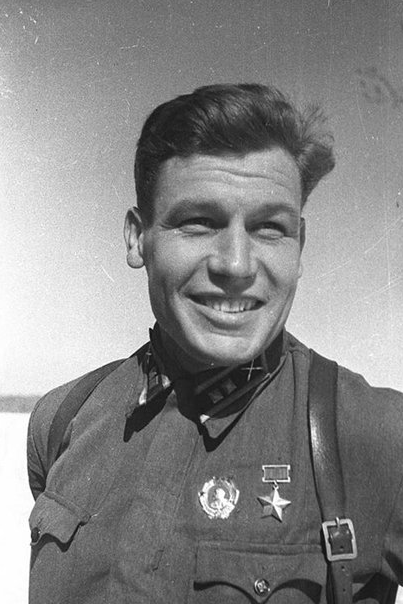
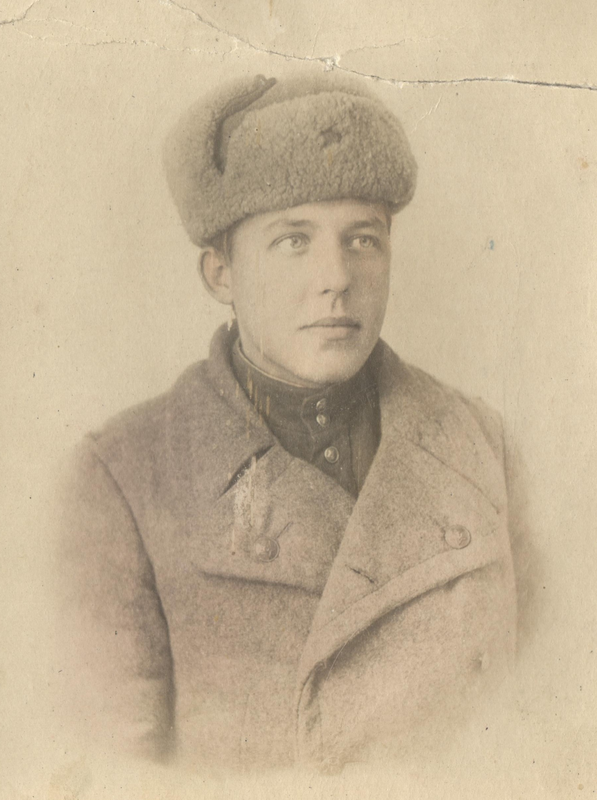
Sinkov Alexander Yakovlevich
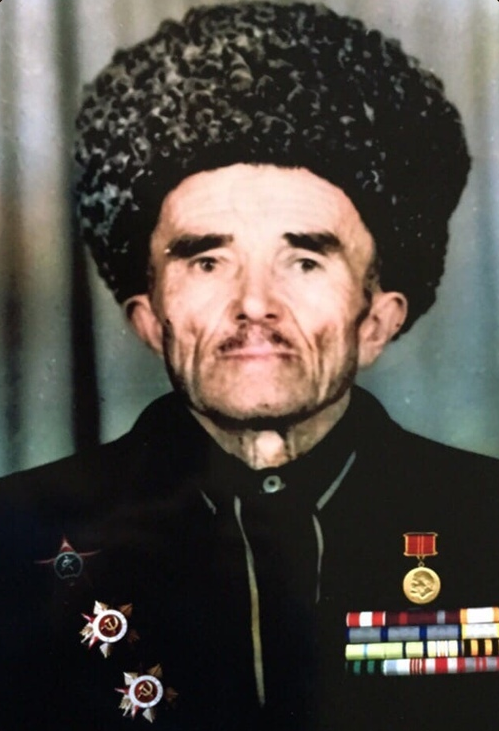
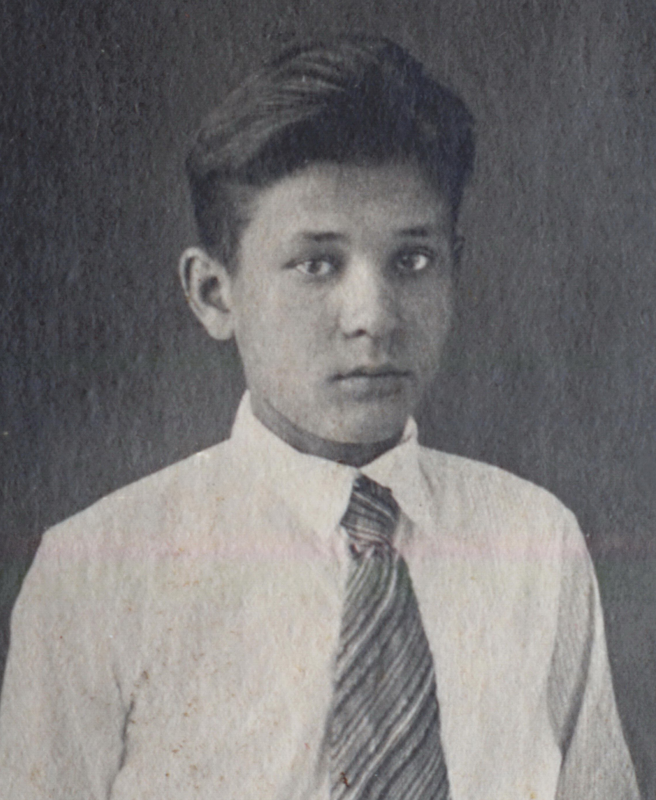
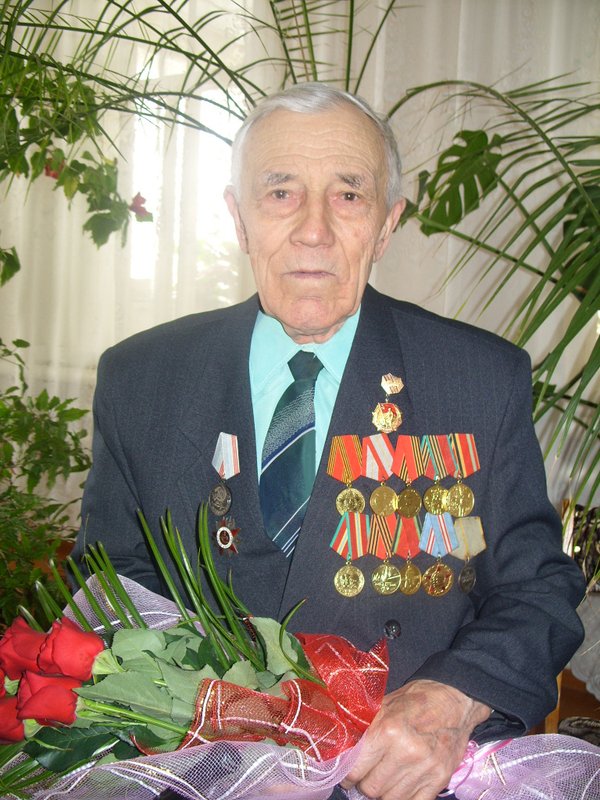
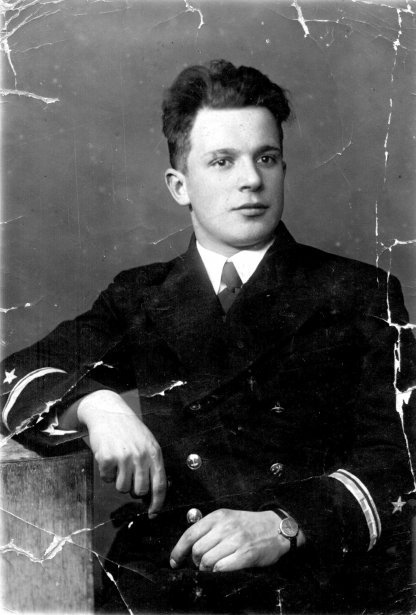
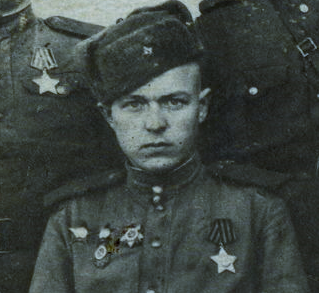
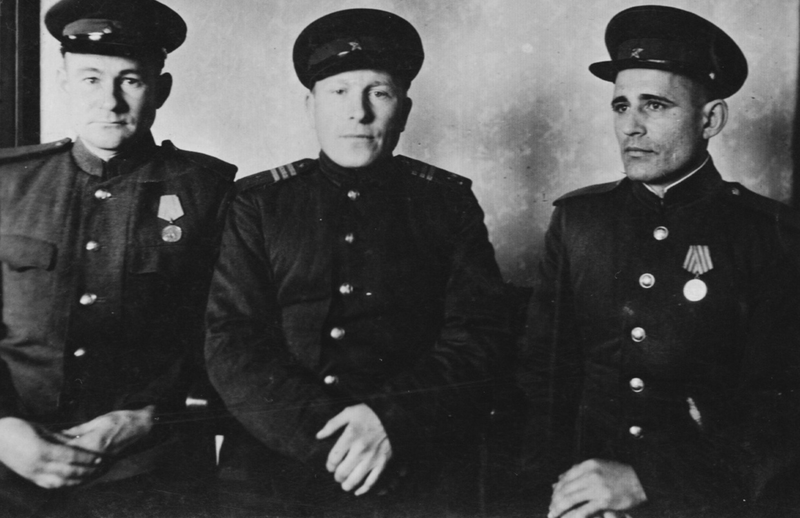
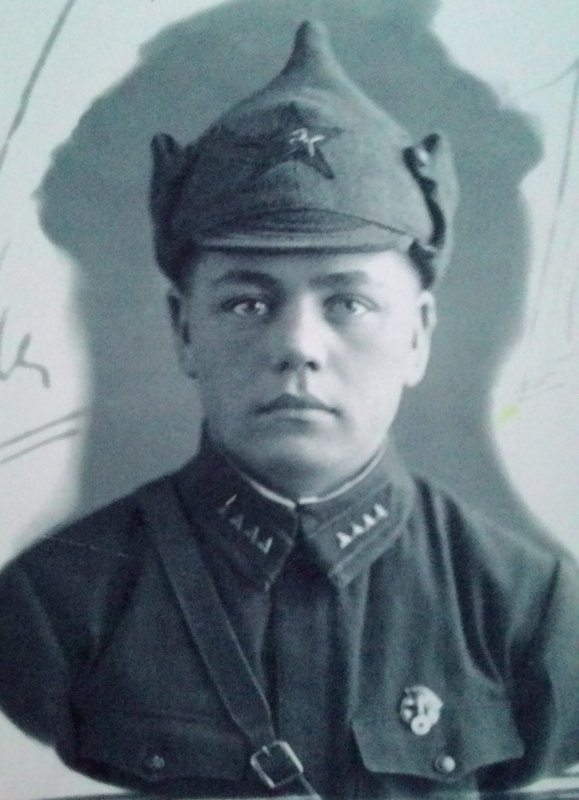
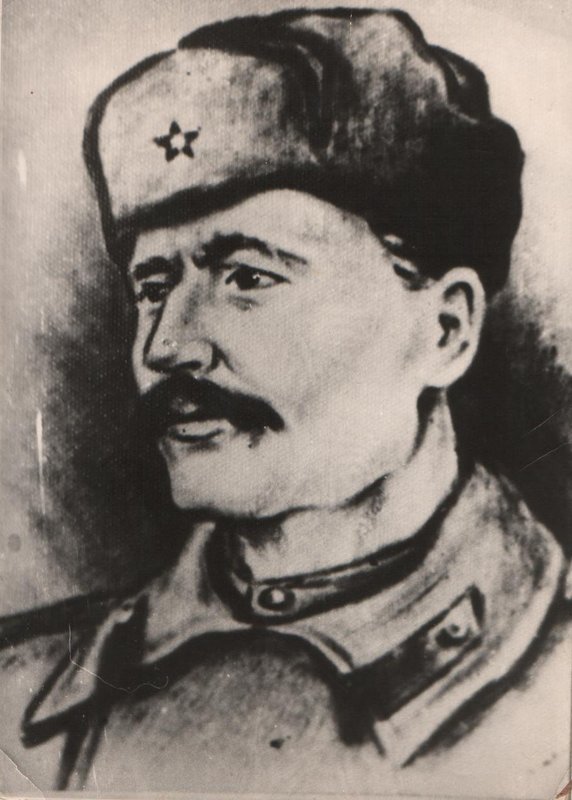
I want to tell you about my great-grandfather Sinkov Alexander Yakovlevich, who went through the entire war from the beginning to the victorious end. Alexander was born in 1911 in the village of Alekseevka, Pochep District, Bryansk Region. From the first days of the war he was called up to the front. At home, my great-grandfather left a family: his wife Praskovya and three children. It was not easy for them to survive in the harsh wartime. Hunger, cold and death were everywhere. They wandered through the kolkhoz fields and picked frozen potatoes, which they called "nausea," and baked pancakes from them. During the bombing of Pochep, a shell fell on the house where the eldest son Alexander was. He was instantly killed. At this time, great-grandfather fought for Moscow in heavy bloody battles and could not protect his family. My grandmother, Sokolova Lyudmila Aleksandrovna, keeps a page of the Selskaya Nov 'newspaper with an article about her father, in which he gave an interview for the 40th anniversary of the combat for Moscow. Here is what my great-grandfather said about the combat for the capital. _x000D_
“It was very cold fall of 1941. We Russians, accustomed to frost, bore them relatively easily. But the Nazis were freezing even in sheepskin coats stolen from our peasants. Even Russian nature was at war with the hated enemy. The fighting was fierce. I was wounded, but I stayed in the ranks with my comrades, I could not leave the last line. There was nowhere to go, Moscow was behind us! We vowed to die, but not to step back. I remember a combat in the Volokolamsk area, when a machine gun mowed down the enemy until it was impossible to touch because of the heat. _x000D_
The Germans rolled back, suffering huge losses. Here I saw the captured enemies for the first time. Much happened for the first time just near Moscow … Here we witnessed rocket mortars, affectionately called ”Katyusha" by the soldiers. That fall I first had the opportunity to attend a military parade in Moscow. An unforgettable impression remained forever in my memory. Imagine what this parade meant for us in front-line Moscow…_x000D_
Then we realized that the enemy would never capture our capital. For the first time near Moscow I had to shoot from an anti-tank gun and walked with it many kilometers of military roads. We were approaching the Victory Day in the distant cold and stormy forty-first. _x000D_
Awards: medal "For Defense of Moscow" on February 27, 1945; gratitude for participation in the Victory parade of June 26, 1945; medal "For Victory over Germany in the Great Patriotic War 1941-1945" on October 19, 1945; jubilee medal "Thirty years of Victory in the Great Patriotic War 1941-1945" on May 9, 1975; jubilee medal "60 years of the Armed Forces of the USSR" on January 15, 1979. _x000D_
But this is not the whole story about my hero. Our family archive contains the newspaper "Selskaya nov" dated February 14, 1970, No. 19, where a whole page is devoted to Sinkov Alexander Yakovlevich, my great-grandfather! Here's what I learned from reading the article. _x000D_
“When the last gunshots of the Great Patriotic War passed away down, announcing to the whole world about the Victory over the worst enemy of mankind - fascism, our soldiers began to return to peaceful labor. The front-line soldier Alexander Yakovlevich Sinkov also returned to his native lands. He took off his battered, dusty soldier's overcoat, changed into civilian clothes and went to look for a job. At that time, workers were needed literally in all areas of agricultural production destroyed by the enemy, and Alexander Yakovlevich was immediately offered the position of head of the warehouse of spare parts and materials for agricultural machines, as well as mineral fertilizers and pesticides. He always was an attentive and patient listener of who ever turns to him, If a sowing or harvesting campaign takes place on kolkhoz fields, then Alexander Yakovlevich, even on weekends and holidays, very rarely leaves his work. He knows that on such days the fate of the harvest is on the line, so all the machines in the fields work with great stress, at any hour a part may fail and require urgent replacement. He knew how to fight and work great. Unfortunately, a terrible tragedy happened in the life of the great-grandfather, having survived all the difficulties and horrors of war, already in peacetime, his wife Praskovya passed away, leaving two children. A few years later, my grandfather married again to the beauty of Pochep, Vera Filippovna Larionenko, my great-grandmother. _x000D_
The children of the great-grandfather from his first marriage had grown up by that time and left the parental home. In 1957 my grandmother, Lyudmila, was born. Only on May 9, with some incomprehensible feeling, he put on his jacket with the medals glittered, shimmering in the spring sun, and went to a link-up with those who understood him more than we did, and indulged in memories.
Sinkov Alexander Yakovlevich
I want to tell you about my great-grandfather Sinkov Alexander Yakovlevich, who went through the entire war from the beginning to the victorious end. Alexander was born in 1911 in the village of Alekseevka, Pochep District, Bryansk Region. From the first days of the war he was called up to the front. At home, my great-grandfather left a family: his wife Praskovya and three children. It was not easy for them to survive in the harsh wartime. Hunger, cold and death were everywhere. They wandered through the kolkhoz fields and picked frozen potatoes, which they called "nausea," and baked pancakes from them. During the bombing of Pochep, a shell fell on the house where the eldest son Alexander was. He was instantly killed. At this time, great-grandfather fought for Moscow in heavy bloody battles and could not protect his family. My grandmother, Sokolova Lyudmila Aleksandrovna, keeps a page of the Selskaya Nov 'newspaper with an article about her father, in which he gave an interview for the 40th anniversary of the combat for Moscow. Here is what my great-grandfather said about the combat for the capital. _x000D_
“It was very cold fall of 1941. We Russians, accustomed to frost, bore them relatively easily. But the Nazis were freezing even in sheepskin coats stolen from our peasants. Even Russian nature was at war with the hated enemy. The fighting was fierce. I was wounded, but I stayed in the ranks with my comrades, I could not leave the last line. There was nowhere to go, Moscow was behind us! We vowed to die, but not to step back. I remember a combat in the Volokolamsk area, when a machine gun mowed down the enemy until it was impossible to touch because of the heat. _x000D_
The Germans rolled back, suffering huge losses. Here I saw the captured enemies for the first time. Much happened for the first time just near Moscow … Here we witnessed rocket mortars, affectionately called ”Katyusha" by the soldiers. That fall I first had the opportunity to attend a military parade in Moscow. An unforgettable impression remained forever in my memory. Imagine what this parade meant for us in front-line Moscow…_x000D_
Then we realized that the enemy would never capture our capital. For the first time near Moscow I had to shoot from an anti-tank gun and walked with it many kilometers of military roads. We were approaching the Victory Day in the distant cold and stormy forty-first. _x000D_
Awards: medal "For Defense of Moscow" on February 27, 1945; gratitude for participation in the Victory parade of June 26, 1945; medal "For Victory over Germany in the Great Patriotic War 1941-1945" on October 19, 1945; jubilee medal "Thirty years of Victory in the Great Patriotic War 1941-1945" on May 9, 1975; jubilee medal "60 years of the Armed Forces of the USSR" on January 15, 1979. _x000D_
But this is not the whole story about my hero. Our family archive contains the newspaper "Selskaya nov" dated February 14, 1970, No. 19, where a whole page is devoted to Sinkov Alexander Yakovlevich, my great-grandfather! Here's what I learned from reading the article. _x000D_
“When the last gunshots of the Great Patriotic War passed away down, announcing to the whole world about the Victory over the worst enemy of mankind - fascism, our soldiers began to return to peaceful labor. The front-line soldier Alexander Yakovlevich Sinkov also returned to his native lands. He took off his battered, dusty soldier's overcoat, changed into civilian clothes and went to look for a job. At that time, workers were needed literally in all areas of agricultural production destroyed by the enemy, and Alexander Yakovlevich was immediately offered the position of head of the warehouse of spare parts and materials for agricultural machines, as well as mineral fertilizers and pesticides. He always was an attentive and patient listener of who ever turns to him, If a sowing or harvesting campaign takes place on kolkhoz fields, then Alexander Yakovlevich, even on weekends and holidays, very rarely leaves his work. He knows that on such days the fate of the harvest is on the line, so all the machines in the fields work with great stress, at any hour a part may fail and require urgent replacement. He knew how to fight and work great. Unfortunately, a terrible tragedy happened in the life of the great-grandfather, having survived all the difficulties and horrors of war, already in peacetime, his wife Praskovya passed away, leaving two children. A few years later, my grandfather married again to the beauty of Pochep, Vera Filippovna Larionenko, my great-grandmother. _x000D_
The children of the great-grandfather from his first marriage had grown up by that time and left the parental home. In 1957 my grandmother, Lyudmila, was born. Only on May 9, with some incomprehensible feeling, he put on his jacket with the medals glittered, shimmering in the spring sun, and went to a link-up with those who understood him more than we did, and indulged in memories.
0 comment




2026 © Russian Military Historical Society Developed by Jetmix