Back to
album
album
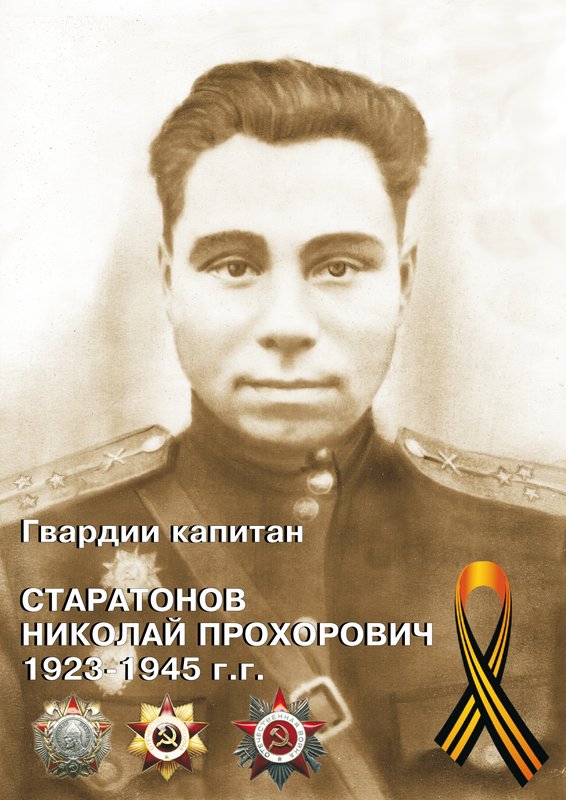
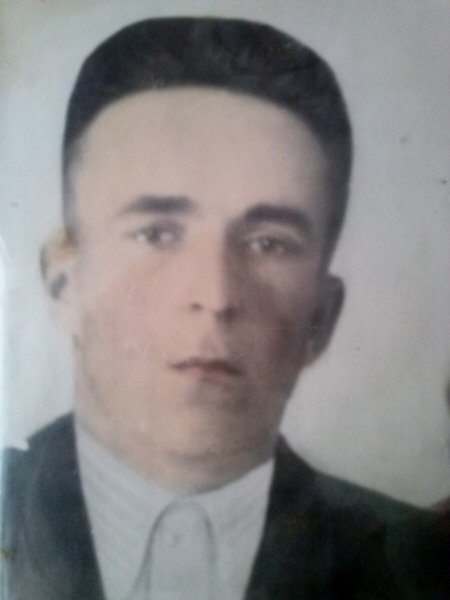
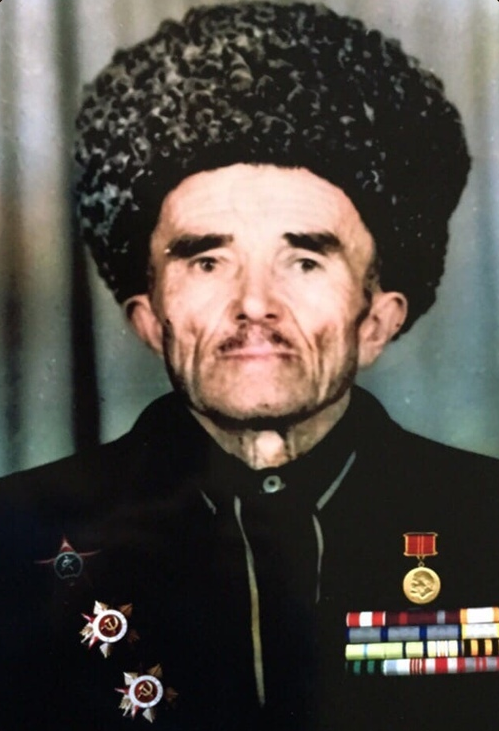
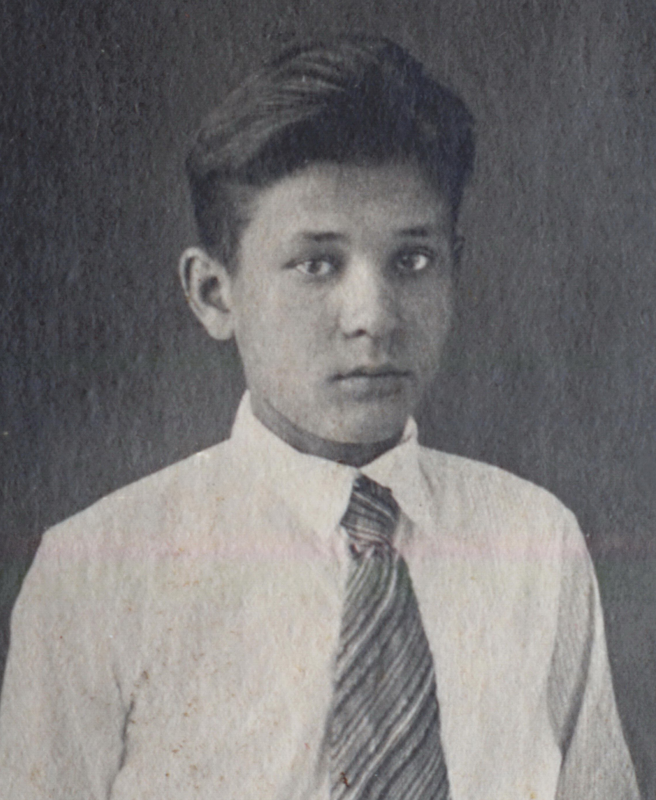
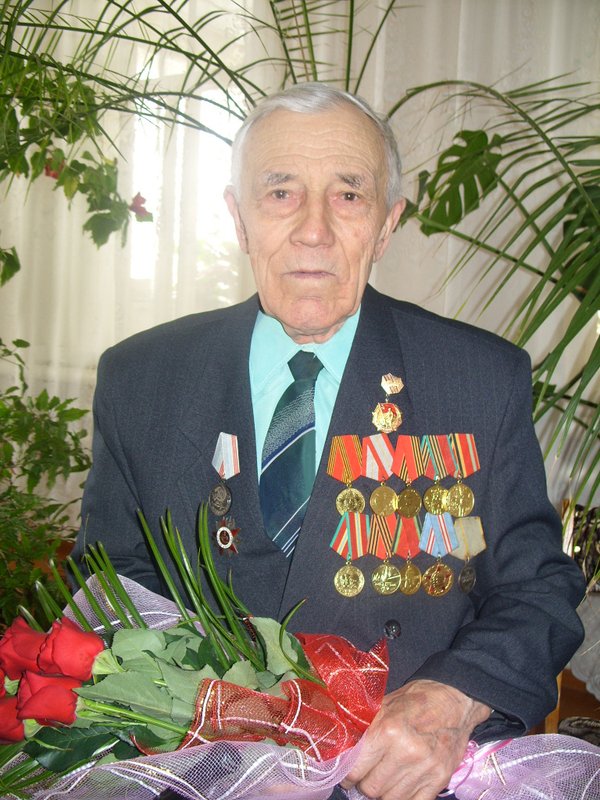
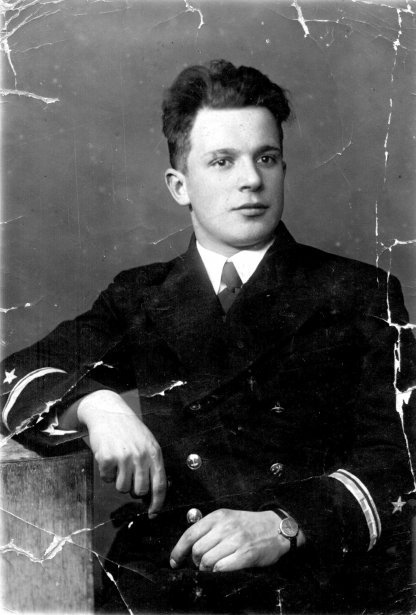
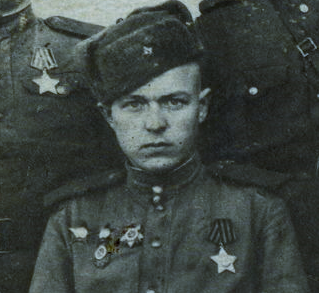
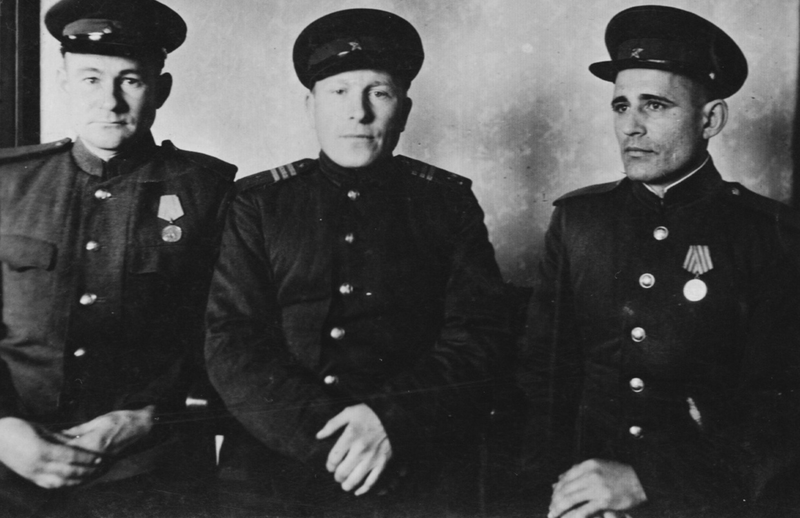
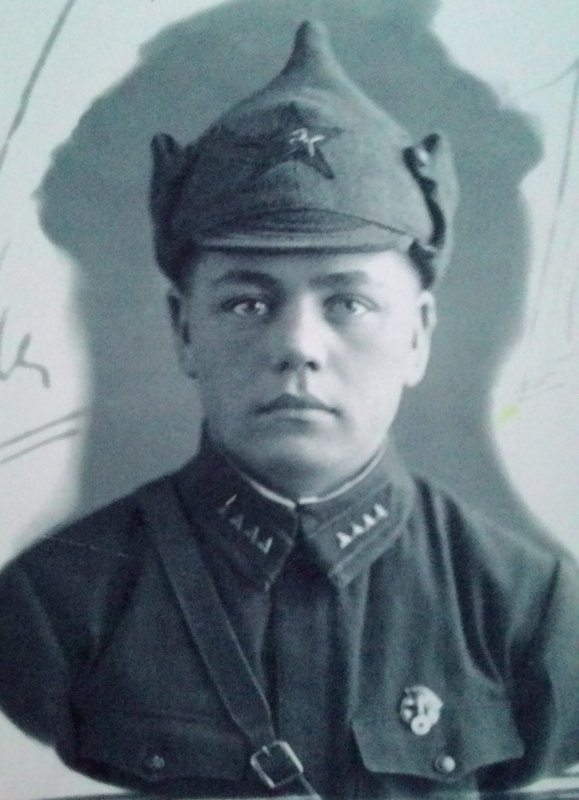
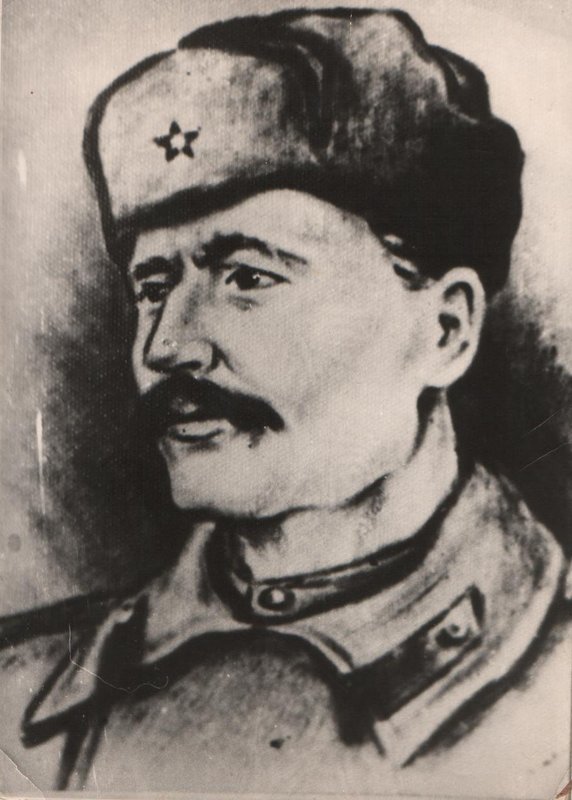

Saveliev Ilya Mikhailovich
Rank: Military Technician of 2nd rank _x000D_
Branch of troops: the USSR Navy and the Naval Forces of the NKVD border troops. _x000D_
My father, Ilya Mikhailovich Saveliev, was born on July 30, 1919 in the Tver Region of Russia. In 1933, after finishing 7 classes, he came to Leningrad and entered the Construction Technical School, which he graduated in 1937. Then he was called up for short courses at the Leningrad Naval Academy. After graduating from the academy, he briefly served at the base of the Red Banner Baltic Fleet in Tallinn. In 1940 he was sent to serve in Kiev, where in August 1941, at the age of 23, he began his front-line service as Chief of 1st supply fuel department of the Logistics Department of the Pinsk Military Flotilla. _x000D_
Once fighting with the Germans on land, Ilya Mikhailovich Savelyev was surrounded. At combat he was wounded and contused, his left arm was shot through, (despite the fact that he was left-handed), and a bullet was stuck in his thigh. Due to concussion and pain, he lost consciousness. At night, he woke up and crawled to the nearest village, where a local peasant woman provided him with first aid. When the wounds began to heal, he made his way through the territory occupied by the Germans to Kiev, where my mother, Menshikova Klavdia Dmitrievna, used to live. _x000D_
She hid him in a specially walled part of her apartment, so that the German patrol would not find him during a sudden check and nursed him until Kiev was liberated by the Red Army. When Kiev was liberated at the end of 1943, my father voluntarily came to the military commandant's office of the Red Army and again went to fight as part of the 180th Rifle Division (2nd formation) of the 2nd Ukrainian Front and 106th Rifle Division (3rd formation) of the 1st Ukrainian Front. _x000D_
But for the fact that he, being a Soviet officer and being surrounded, did not shoot himself, the officer's shoulder straps were torn from him in the commandant's office and he ended the war as a Private. _x000D_
After the victory, he was sent to special camps in the north of Russia. Such was the fate of the Soviet officers who were surrounded. After several months of camps, Ilya Savelyev returned to the construction profession and worked in Leningrad from 1946 to 1957 as a foreman and head of a workshop. In the summer of 1957, he returned to Kiev, and in the fall of 1957 he was officially rehabilitated. He got back his officer rank, given military awards and a monetary reward of 3,000 rubles. _x000D_
Since 1957, Ilya Savelyev had worked at the Kiev State Design Institute of Light Industry as a leading engineer and group leader. Не was sent from the institute to Mongolia and worked from 1961 to 1964 as the chief consultant of a tannery in Ulan Bator. He enjoyed the honor and respect. Due to a combat wound in his left hand, he learned to draw complex drawings with his right hand. He passed away in Kiev in June 1981 and was buried with military honors.
Saveliev Ilya Mikhailovich
Rank: Military Technician of 2nd rank _x000D_
Branch of troops: the USSR Navy and the Naval Forces of the NKVD border troops. _x000D_
My father, Ilya Mikhailovich Saveliev, was born on July 30, 1919 in the Tver Region of Russia. In 1933, after finishing 7 classes, he came to Leningrad and entered the Construction Technical School, which he graduated in 1937. Then he was called up for short courses at the Leningrad Naval Academy. After graduating from the academy, he briefly served at the base of the Red Banner Baltic Fleet in Tallinn. In 1940 he was sent to serve in Kiev, where in August 1941, at the age of 23, he began his front-line service as Chief of 1st supply fuel department of the Logistics Department of the Pinsk Military Flotilla. _x000D_
Once fighting with the Germans on land, Ilya Mikhailovich Savelyev was surrounded. At combat he was wounded and contused, his left arm was shot through, (despite the fact that he was left-handed), and a bullet was stuck in his thigh. Due to concussion and pain, he lost consciousness. At night, he woke up and crawled to the nearest village, where a local peasant woman provided him with first aid. When the wounds began to heal, he made his way through the territory occupied by the Germans to Kiev, where my mother, Menshikova Klavdia Dmitrievna, used to live. _x000D_
She hid him in a specially walled part of her apartment, so that the German patrol would not find him during a sudden check and nursed him until Kiev was liberated by the Red Army. When Kiev was liberated at the end of 1943, my father voluntarily came to the military commandant's office of the Red Army and again went to fight as part of the 180th Rifle Division (2nd formation) of the 2nd Ukrainian Front and 106th Rifle Division (3rd formation) of the 1st Ukrainian Front. _x000D_
But for the fact that he, being a Soviet officer and being surrounded, did not shoot himself, the officer's shoulder straps were torn from him in the commandant's office and he ended the war as a Private. _x000D_
After the victory, he was sent to special camps in the north of Russia. Such was the fate of the Soviet officers who were surrounded. After several months of camps, Ilya Savelyev returned to the construction profession and worked in Leningrad from 1946 to 1957 as a foreman and head of a workshop. In the summer of 1957, he returned to Kiev, and in the fall of 1957 he was officially rehabilitated. He got back his officer rank, given military awards and a monetary reward of 3,000 rubles. _x000D_
Since 1957, Ilya Savelyev had worked at the Kiev State Design Institute of Light Industry as a leading engineer and group leader. Не was sent from the institute to Mongolia and worked from 1961 to 1964 as the chief consultant of a tannery in Ulan Bator. He enjoyed the honor and respect. Due to a combat wound in his left hand, he learned to draw complex drawings with his right hand. He passed away in Kiev in June 1981 and was buried with military honors.
0 comment




2026 © Russian Military Historical Society Developed by Jetmix