Back to
album
album
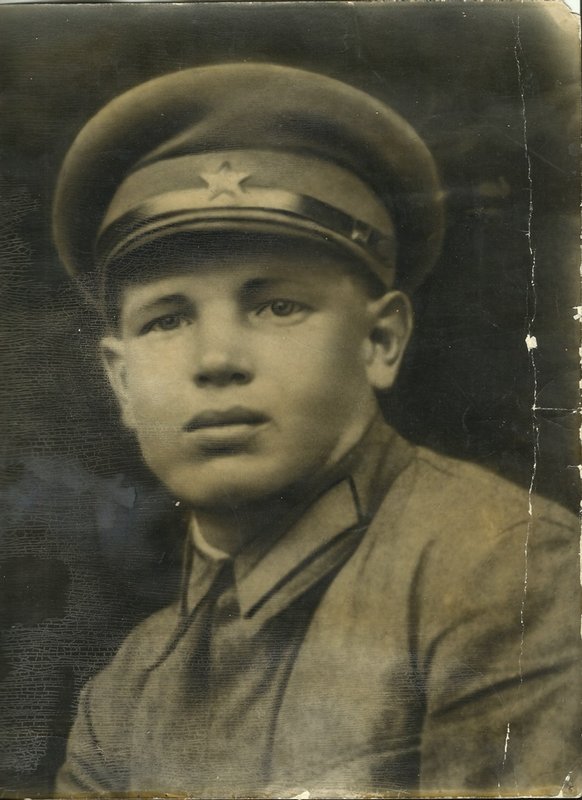
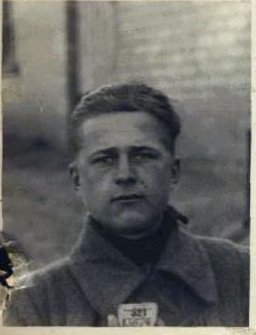
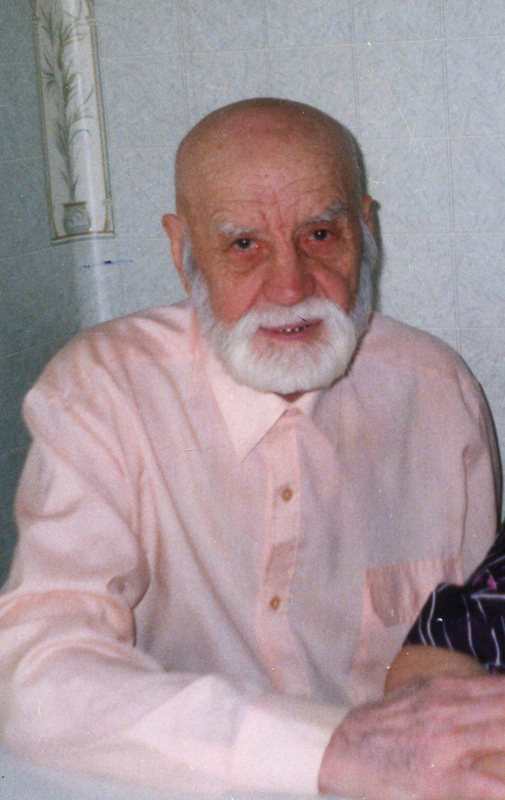
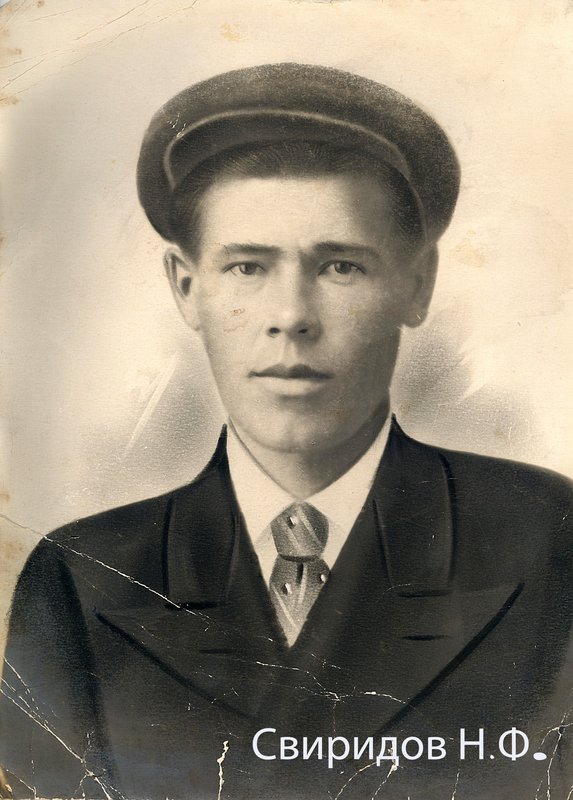
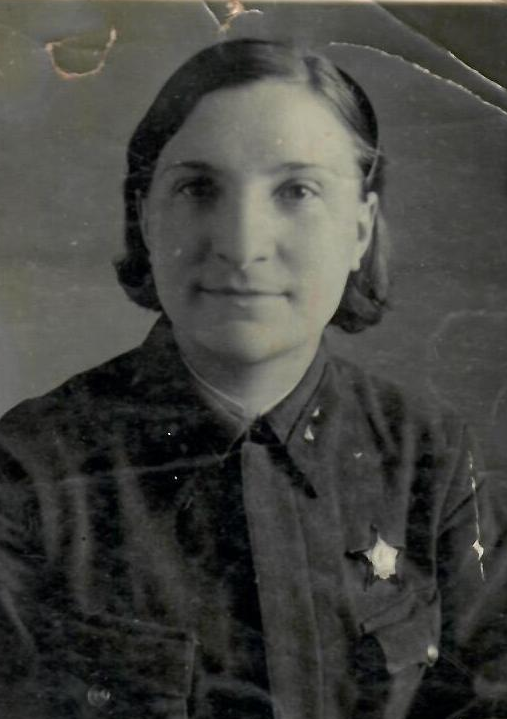
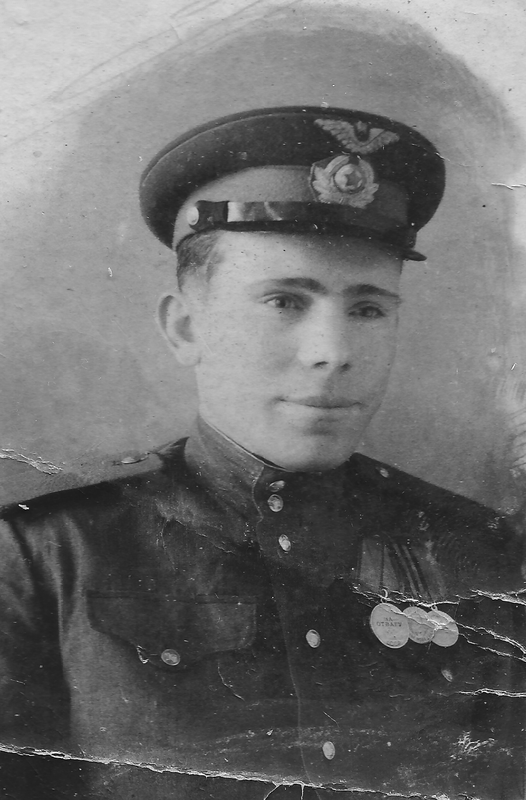
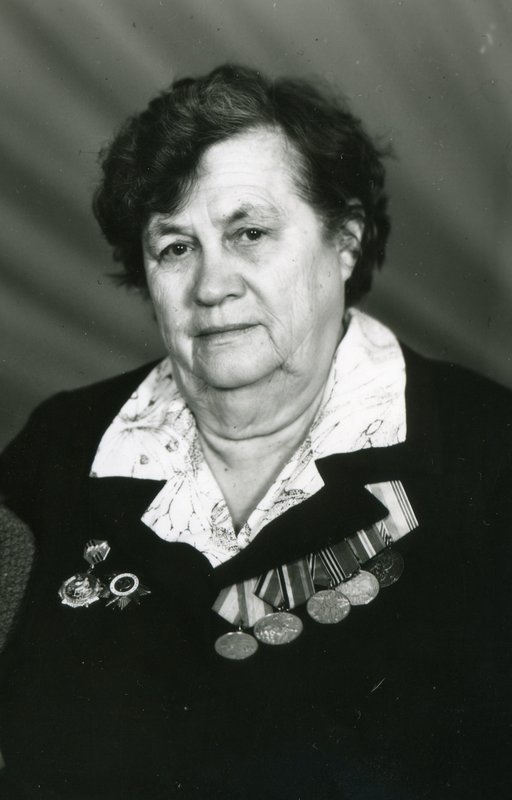
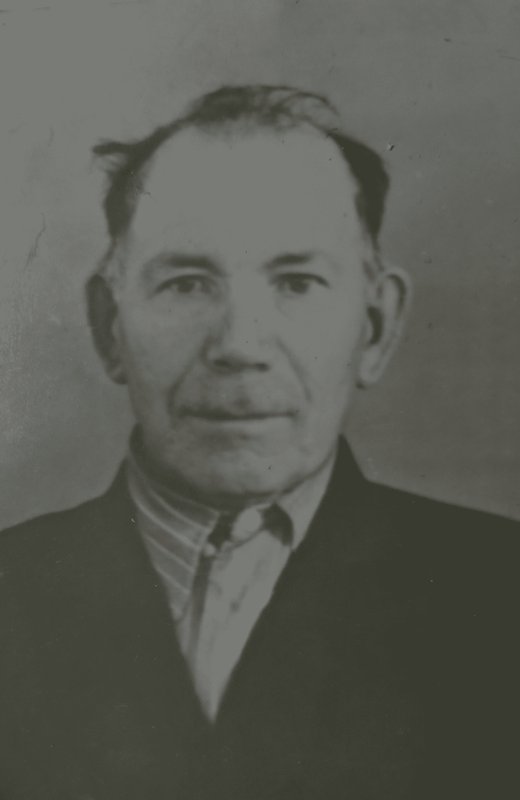
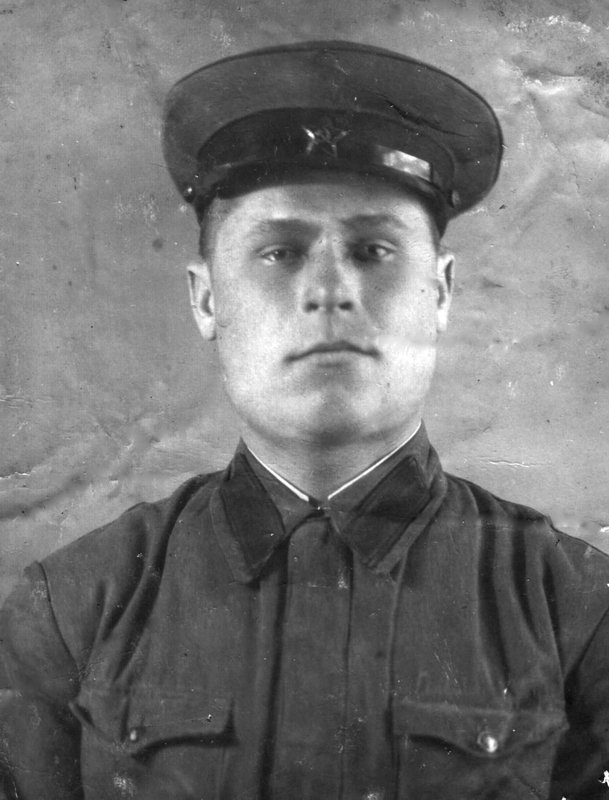
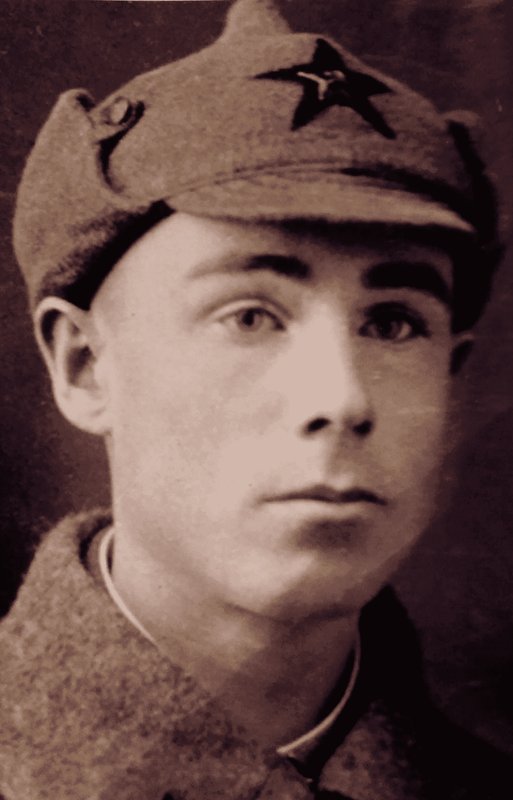
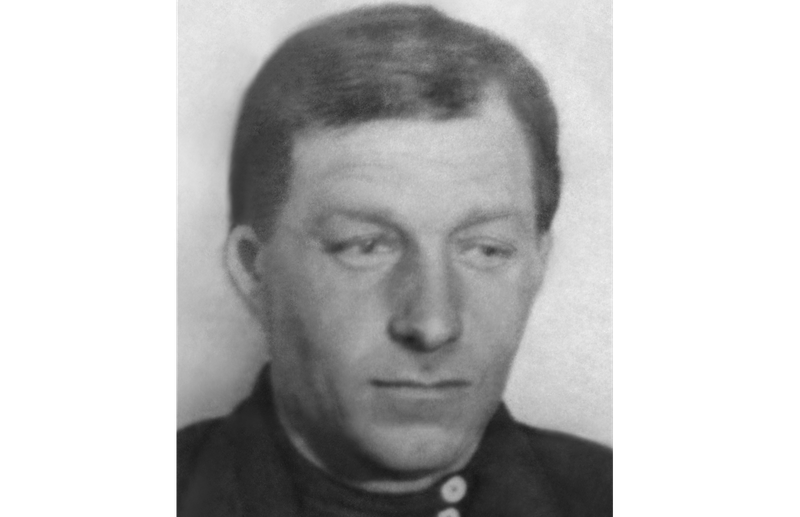
Stetsun, Alexander Petrovich
Rank: Sergeant _x000D_
Unit: 290th Rifle Mogilev Red Banner Orders of Suvorov and Kutuzov Division _x000D_
_x000D_
Lyubov Semyonovna, wife of A.P. Stetsun, tells:_x000D_
«Alexander Stetsun had become a participant in the war since May 1943. There were behind two difficult years for the country. Young Stetsun watched and listened to the cannon fire in the direction of Taganrog, saw the glow of the conflagrations and bombing of Azov and Kagalnik. Alexander survived the occupation of the Azov region. _x000D_
Leaving for the front, Alexander understood that the front is a test not only of courage, but also of the ability to fight. Seven-year education enabled him, in a short time, in 374th Reserve Regiment, where he was sent, to master the military professions of a 120-mm gunner as a mortar and signalman. After completing training, Alexander Stetsun, a year later, as part of 878th Infantry Regiment of 290th Infantry Division of 49th Army, was preparing to participate in the famous military operation Bagration to liberate Belarus. _x000D_
The Regiment on the eve of the offensive was pulled up to the Dnieper River, which had to be overcome on improvised means: boats, rafts and even barrels tied together. Young, unfired soldiers were supposed to go to break through the Mogilev defensive line of the fascists at dawn. The rain, which began in the evening, poured all night. The soldiers' clothes became wet. On July 27, barely dawn, the signal was given to attack. In the pre-dawn darkness, with almost no casualties, the company where Stetsun served crossed the wide Dnieper; further, without stopping, the fighters followed the artillery barrage. _x000D_
Almost continuous marshes of Belarus had to be overcome in "wet shoes" as the locals call a semblance of skis woven from willow twigs and put on their feet. In the combats for the city of Mogilev, Private Stetsun A.P. he was promoted to the rank of Junior Sergeant and appointed to the post of squad leader. _x000D_
During the attack on Minsk, it became known that in the neighboring unit, a member of the tank landing of the Guard, Private Yuri Smirnov, seriously wounded, was captured by the Germans. When our troops broke into the location of the Nazis, in one of the dugouts they found the body of a young man nailed to an armchair.They found interrogation protocols in which there was not a single answer to the questions asked by the Nazis. Later Yu. V. Smirnov was awarded the title of Hero of the Soviet Union. Shocked by what they heard, the soldiers, with even greater hatred, went into the combat. _x000D_
_x000D_
The combats for Mogilev, Minsk, Grodno went relatively well for the mortarman Stetsun, but in East Prussia, in the area of Rastenburg, where Hitler's headquarters "Wolf's Pit" was located, he was not lucky. In a mortar duel with the enemy, he was seriously wounded in his right arm. It happened on February 25 of the victorious 1945. Once in the hospital, the young soldier did not complete his treatment and fled to his Regiment, and now he is back in the ranks, but already in the position of a signalman. _x000D_
A.P. Stetsun finished the war in 1945, but continued to serve, training personnel for the army: tank mechanics, communications electricians. His military service ended in 1951, after 8 years Alexander Petrovich returned home. _x000D_
Later he took part in the development of virgin lands. He worked for over 20 years at the SKB KO pilot plant. As a talented innovator and an excellent production worker, he added labor awards to military awards, orders and medals, about 50 notes of gratitude were made in his work book. _x000D_
It is not for nothing that in honor of the military and labor feat of such as A.P. Stetsun, the poet wrote: "... A medal for a combat, a medal for labor is poured from the same metal ..."
Stetsun, Alexander Petrovich
Rank: Sergeant _x000D_
Unit: 290th Rifle Mogilev Red Banner Orders of Suvorov and Kutuzov Division _x000D_
_x000D_
Lyubov Semyonovna, wife of A.P. Stetsun, tells:_x000D_
«Alexander Stetsun had become a participant in the war since May 1943. There were behind two difficult years for the country. Young Stetsun watched and listened to the cannon fire in the direction of Taganrog, saw the glow of the conflagrations and bombing of Azov and Kagalnik. Alexander survived the occupation of the Azov region. _x000D_
Leaving for the front, Alexander understood that the front is a test not only of courage, but also of the ability to fight. Seven-year education enabled him, in a short time, in 374th Reserve Regiment, where he was sent, to master the military professions of a 120-mm gunner as a mortar and signalman. After completing training, Alexander Stetsun, a year later, as part of 878th Infantry Regiment of 290th Infantry Division of 49th Army, was preparing to participate in the famous military operation Bagration to liberate Belarus. _x000D_
The Regiment on the eve of the offensive was pulled up to the Dnieper River, which had to be overcome on improvised means: boats, rafts and even barrels tied together. Young, unfired soldiers were supposed to go to break through the Mogilev defensive line of the fascists at dawn. The rain, which began in the evening, poured all night. The soldiers' clothes became wet. On July 27, barely dawn, the signal was given to attack. In the pre-dawn darkness, with almost no casualties, the company where Stetsun served crossed the wide Dnieper; further, without stopping, the fighters followed the artillery barrage. _x000D_
Almost continuous marshes of Belarus had to be overcome in "wet shoes" as the locals call a semblance of skis woven from willow twigs and put on their feet. In the combats for the city of Mogilev, Private Stetsun A.P. he was promoted to the rank of Junior Sergeant and appointed to the post of squad leader. _x000D_
During the attack on Minsk, it became known that in the neighboring unit, a member of the tank landing of the Guard, Private Yuri Smirnov, seriously wounded, was captured by the Germans. When our troops broke into the location of the Nazis, in one of the dugouts they found the body of a young man nailed to an armchair.They found interrogation protocols in which there was not a single answer to the questions asked by the Nazis. Later Yu. V. Smirnov was awarded the title of Hero of the Soviet Union. Shocked by what they heard, the soldiers, with even greater hatred, went into the combat. _x000D_
_x000D_
The combats for Mogilev, Minsk, Grodno went relatively well for the mortarman Stetsun, but in East Prussia, in the area of Rastenburg, where Hitler's headquarters "Wolf's Pit" was located, he was not lucky. In a mortar duel with the enemy, he was seriously wounded in his right arm. It happened on February 25 of the victorious 1945. Once in the hospital, the young soldier did not complete his treatment and fled to his Regiment, and now he is back in the ranks, but already in the position of a signalman. _x000D_
A.P. Stetsun finished the war in 1945, but continued to serve, training personnel for the army: tank mechanics, communications electricians. His military service ended in 1951, after 8 years Alexander Petrovich returned home. _x000D_
Later he took part in the development of virgin lands. He worked for over 20 years at the SKB KO pilot plant. As a talented innovator and an excellent production worker, he added labor awards to military awards, orders and medals, about 50 notes of gratitude were made in his work book. _x000D_
It is not for nothing that in honor of the military and labor feat of such as A.P. Stetsun, the poet wrote: "... A medal for a combat, a medal for labor is poured from the same metal ..."
0 comment




2026 © Russian Military Historical Society Developed by Jetmix