Back to
album
album

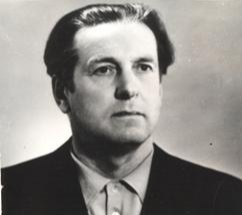
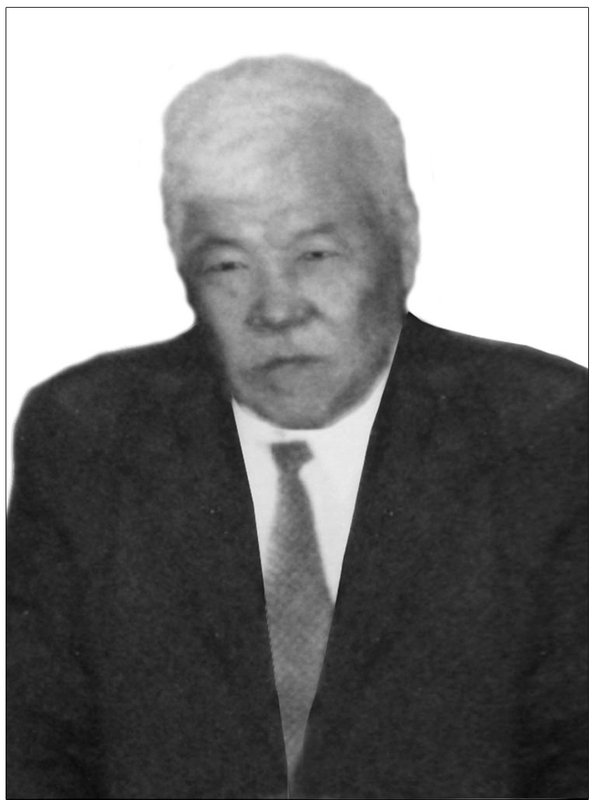
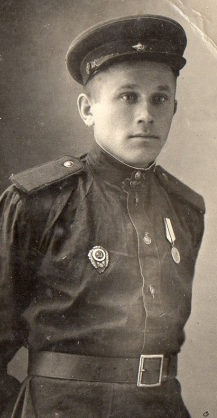
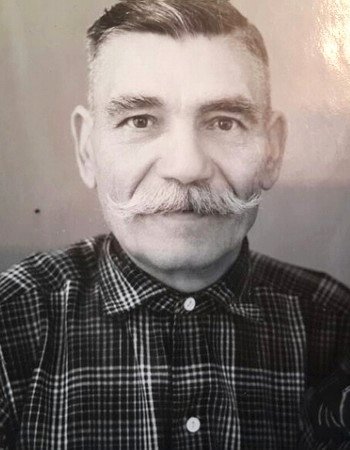
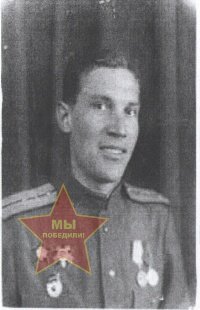
Staritsky, Ernest Ivanovich
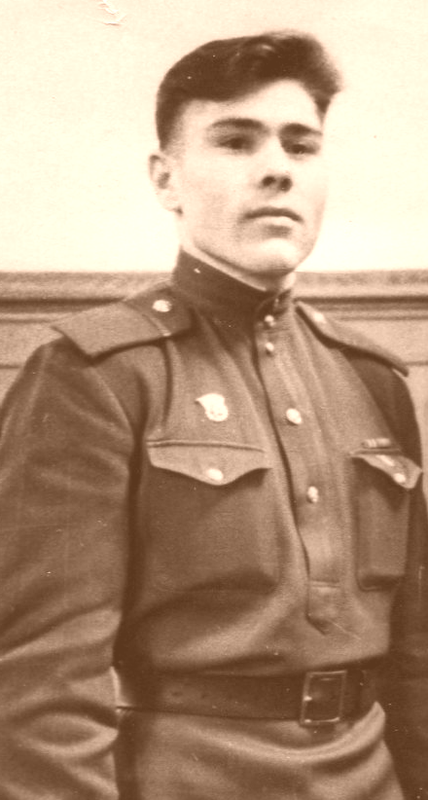
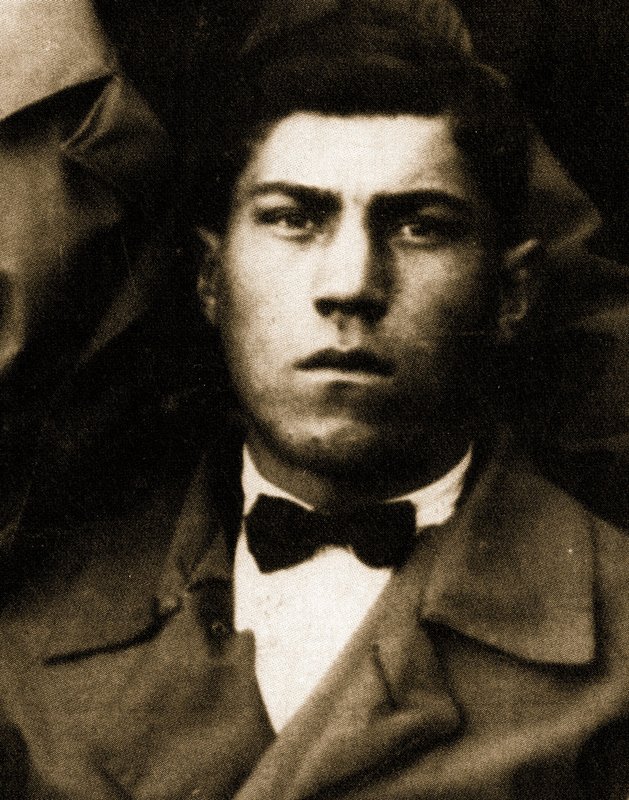
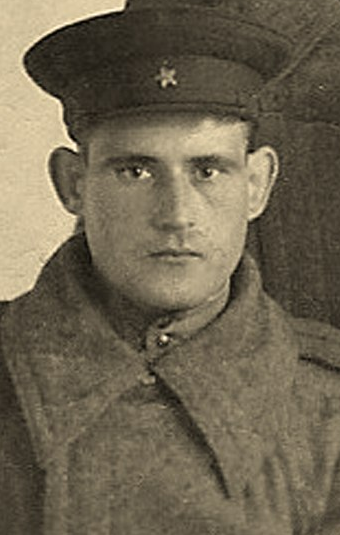
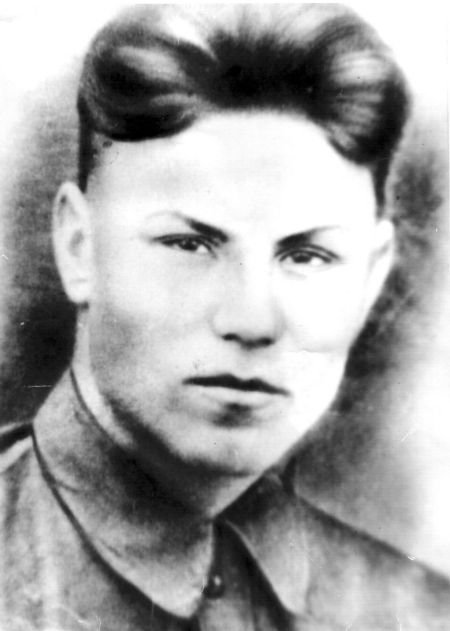
My grandfather, Staritsky Ernest Ivanovich, was born on July 21, 1923, died in January 2003, lived a long and interesting life after the war. The Great Patriotic War became the main event of his life for him. And over the years, the memories only became brighter and did not lose importance. At the age of 17, he volunteered for the front (he was not yet 18) and went through almost the entire war as part of 116th Motorized Rifle Brigade. In 1944 he was seriously wounded and discharged. He was awarded an officer rank (if I am not mistaken, Lieutenant). Great-grandfather and great-grandmother survived the war in besieged Leningrad. My grandfather had 2 older brothers, Anatoly and Askold. Two of them, including their grandfather, returned from the war alive. "There is nothing more terrible than war," and "The war was completely different ..." Ernest Ivanovich sometimes said. He did not like modern films about the war. Grandpa talked a lot about what the war was like, about the life of people at the front, about the combats near Gorodishche, near Orel, when almost the entire Regiment (10,000 people) perished during the night combat. He also talked about curious moments (yes, there were some). _x000D_
The plot is about a soldier who, with a sudden fascist raid, jumped into a pit with human sheet, fleeing a bombing. And then the fighters laughed when their colleague jumped out of the pit . _x000D_
My babushka, Staritskaya Antonina Mikhailovna, was a child during the war and spent years in the fascist occupation in Staraya Russa. She did not like to remember the war. She talked a little about how she lived in the occupied city, in the same house with the Nazis. They ate lingonberry in the forest not to starve, and her tongue had cracks for life. _x000D_
After the war, my grandfather became a French teacher and director of one of the French schools in St. Petersburg, had been a teacher with 40 years of experience, an active member of the Peace Committee. He dreamed that we would never see a war. In 1970-80, Staritsky Ernest Ivanovich worked a lot with one of the schools in Orel (if I am not mistaken, school No. 5), helping to create a museum dedicated to 116th Separate Motorized Rifle Brigade, to recreate the memory of the combats in those places.
Staritsky, Ernest Ivanovich
My grandfather, Staritsky Ernest Ivanovich, was born on July 21, 1923, died in January 2003, lived a long and interesting life after the war. The Great Patriotic War became the main event of his life for him. And over the years, the memories only became brighter and did not lose importance. At the age of 17, he volunteered for the front (he was not yet 18) and went through almost the entire war as part of 116th Motorized Rifle Brigade. In 1944 he was seriously wounded and discharged. He was awarded an officer rank (if I am not mistaken, Lieutenant). Great-grandfather and great-grandmother survived the war in besieged Leningrad. My grandfather had 2 older brothers, Anatoly and Askold. Two of them, including their grandfather, returned from the war alive. "There is nothing more terrible than war," and "The war was completely different ..." Ernest Ivanovich sometimes said. He did not like modern films about the war. Grandpa talked a lot about what the war was like, about the life of people at the front, about the combats near Gorodishche, near Orel, when almost the entire Regiment (10,000 people) perished during the night combat. He also talked about curious moments (yes, there were some). _x000D_
The plot is about a soldier who, with a sudden fascist raid, jumped into a pit with human sheet, fleeing a bombing. And then the fighters laughed when their colleague jumped out of the pit . _x000D_
My babushka, Staritskaya Antonina Mikhailovna, was a child during the war and spent years in the fascist occupation in Staraya Russa. She did not like to remember the war. She talked a little about how she lived in the occupied city, in the same house with the Nazis. They ate lingonberry in the forest not to starve, and her tongue had cracks for life. _x000D_
After the war, my grandfather became a French teacher and director of one of the French schools in St. Petersburg, had been a teacher with 40 years of experience, an active member of the Peace Committee. He dreamed that we would never see a war. In 1970-80, Staritsky Ernest Ivanovich worked a lot with one of the schools in Orel (if I am not mistaken, school No. 5), helping to create a museum dedicated to 116th Separate Motorized Rifle Brigade, to recreate the memory of the combats in those places.
0 comment



2026 © Russian Military Historical Society Developed by Jetmix