Back to
album
album

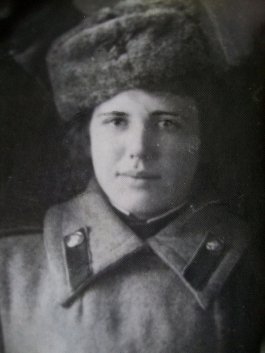
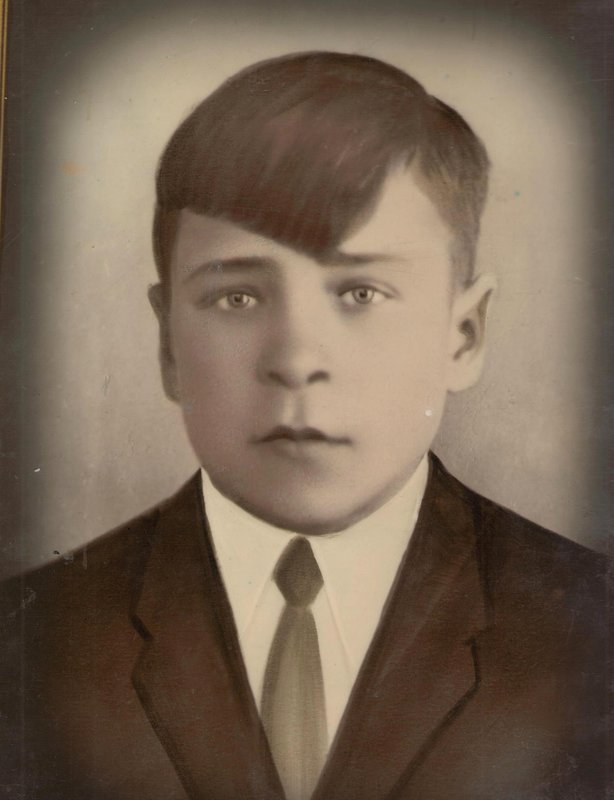
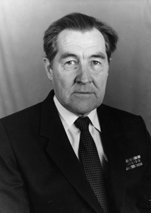
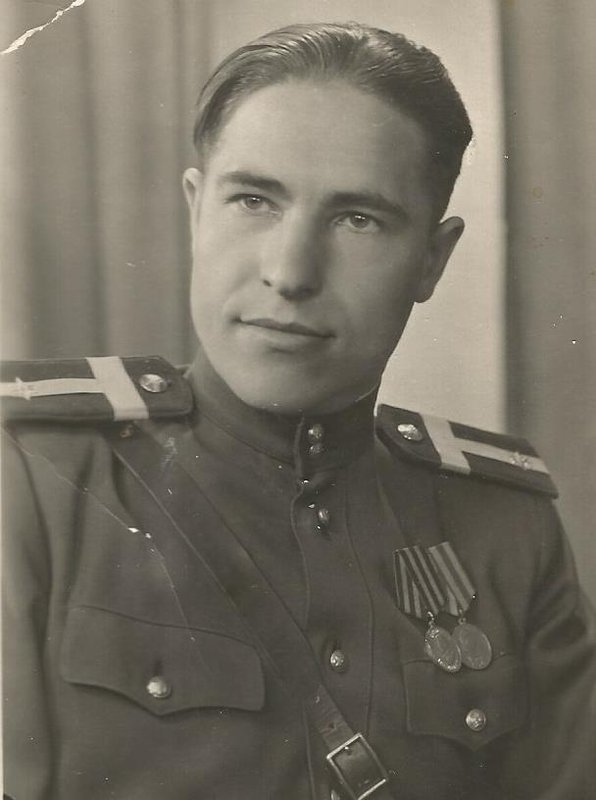


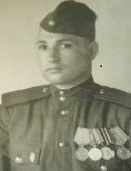
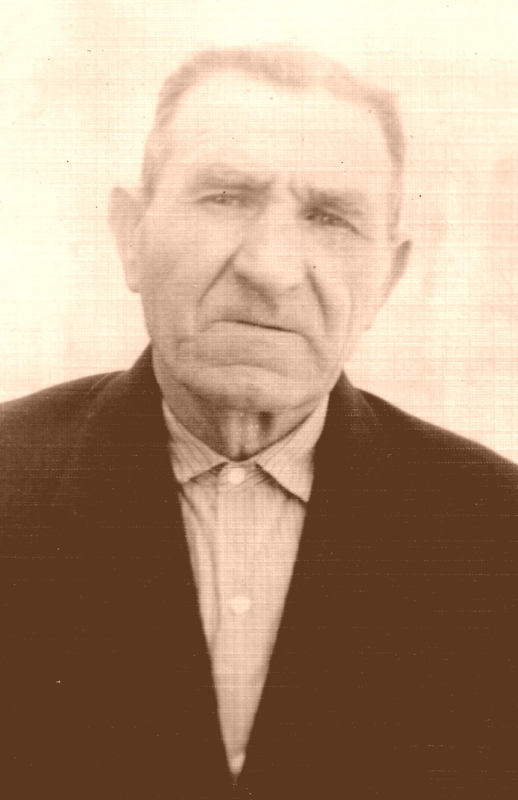
Dzhanchatov Mos Mahmudovich
Dzhanchatov Mos Mahmudovich_x000D_
_x000D_
Dzhanchatov Mos Mahmudovich was born in the village of Khakurinokhable on April 16, 1020. The date of his birth, as he recalled, came out later (district registry office began operations only in 1923) from granary books our neighbor Aslanbeka of Simatovic Kakurinov, record dates of birth and death of village inhabitants. Like his peers, Mos graduated from the seven-year school, FZU, worked as a wood Turner at the Maykop timber-processing plant, as a typesetter at the Adygnatsizdat printing house. After returning to a single mother, he got a job as a controller of the savings Bank, was an inspector of the Central Bank, Secretary of the court session. He was called up for service in the Army in October 1940. His path ran from his native village to Kuibyshevka-Vostochnaya (now Belogorsk, Amur region). From there, he was sent deep into the taiga for harvesting business wood and for firing raw bricks. And then the war broke out. MoE and his countrymen, Carlby Chewchew, Rajib meretukov, Pak Apahov, Gerakan Urakov, Nalby Threads Canceri Chetaev and others learned about it from his Commissioner Chernyshova: "Today, June 22 at 4 am, violating the non-aggression agreement..." They began to file mass reports about sending to the front. But it was almost a year before Mos got to the front line. He received his baptism of fire on may 5, 1942 near the village of Krasnoe in the Oryol region. During the bloody battles, his 74th rifle division was destined to become legendary. In December 1942, it took up defensive positions near the town of Livny. And at the end of January 1943, the breakthrough of the enemy's defense began. The fighting spirit and faith in the victory of the soldiers and officers made it possible to advance 400 kilometers and move to the Orel area. With heavy losses in manpower, the Oryol region was also liberated. This battle gave a new impetus to offensive actions and restore the morale of the soldiers. In mid-July 1943, the grandiose offensive on the Kursk bulge began. Mosa's mortar crew cut through enemy positions without respite. "All the mortar men in my squad," Mos said, " were presented with orders and medals, and I received the order of the red Star. As a result of the counteroffensive, the 74th rifle division, together with other units, liberated the city of zmiyevka. As it turned out, the enemies managed to level the railway station of the same name with the ground. The battle of Oryol-Kursk, in which the Mos took part, was the largest in its significance after the battle of Stalingrad. In this nightmarish hell, he could not yet imagine that this was the beginning of his victorious soldier's path, which would lead to the small Austrian town of Bruck. The legendary 74th rifle division reached the banks of the Desna river and liberated Chernihiv. The division received an order from the Supreme commander-in-Chief to liberate Kiev on November 6 and hold a solemn meeting on November 7 in honor of the 26th anniversary of the Great October. The order was executed. In December 1943, the city of Bila Tserkva was also liberated by storm. For participation in the Korsun-Shevchenko operation, Mos was awarded the order of the Patriotic war II degree. And at the end of March 1944, the soldiers of the 74th rifle division reached the state border of Romania, liberated Yugoslavia, Hungary and Austria. Here Mos saw the hopeless confusion of the Germans, here the last defending Hitlerite dropped the machine gun and raised his hands. "It was a victory," Mos said – " that I and my comrades-in-arms went to for 1,100 days and nights. By orders of the Supreme commander-in-Chief Stalin, thanks were given to Mosu for the liberation of the cities of Bila Tserkva and Belgrade, the breakthrough of the defense, and the successful crossing of the Prut river. He was wounded three times, concussed. Many of those around mos knew that, risking his life, he deliberately went into the thick of it, not on command, but at the behest of a soldier's duty. This soldier's duty "extended" his term of service as part of the contingent of Soviet troops in Romania until mid-1946. The harsh years of the war reminded Moscow of itself once again, when the order of the Patriotic war of the first degree was awarded to him in honor of the 49th anniversary of the great Victory.
Dzhanchatov Mos Mahmudovich
Dzhanchatov Mos Mahmudovich_x000D_
_x000D_
Dzhanchatov Mos Mahmudovich was born in the village of Khakurinokhable on April 16, 1020. The date of his birth, as he recalled, came out later (district registry office began operations only in 1923) from granary books our neighbor Aslanbeka of Simatovic Kakurinov, record dates of birth and death of village inhabitants. Like his peers, Mos graduated from the seven-year school, FZU, worked as a wood Turner at the Maykop timber-processing plant, as a typesetter at the Adygnatsizdat printing house. After returning to a single mother, he got a job as a controller of the savings Bank, was an inspector of the Central Bank, Secretary of the court session. He was called up for service in the Army in October 1940. His path ran from his native village to Kuibyshevka-Vostochnaya (now Belogorsk, Amur region). From there, he was sent deep into the taiga for harvesting business wood and for firing raw bricks. And then the war broke out. MoE and his countrymen, Carlby Chewchew, Rajib meretukov, Pak Apahov, Gerakan Urakov, Nalby Threads Canceri Chetaev and others learned about it from his Commissioner Chernyshova: "Today, June 22 at 4 am, violating the non-aggression agreement..." They began to file mass reports about sending to the front. But it was almost a year before Mos got to the front line. He received his baptism of fire on may 5, 1942 near the village of Krasnoe in the Oryol region. During the bloody battles, his 74th rifle division was destined to become legendary. In December 1942, it took up defensive positions near the town of Livny. And at the end of January 1943, the breakthrough of the enemy's defense began. The fighting spirit and faith in the victory of the soldiers and officers made it possible to advance 400 kilometers and move to the Orel area. With heavy losses in manpower, the Oryol region was also liberated. This battle gave a new impetus to offensive actions and restore the morale of the soldiers. In mid-July 1943, the grandiose offensive on the Kursk bulge began. Mosa's mortar crew cut through enemy positions without respite. "All the mortar men in my squad," Mos said, " were presented with orders and medals, and I received the order of the red Star. As a result of the counteroffensive, the 74th rifle division, together with other units, liberated the city of zmiyevka. As it turned out, the enemies managed to level the railway station of the same name with the ground. The battle of Oryol-Kursk, in which the Mos took part, was the largest in its significance after the battle of Stalingrad. In this nightmarish hell, he could not yet imagine that this was the beginning of his victorious soldier's path, which would lead to the small Austrian town of Bruck. The legendary 74th rifle division reached the banks of the Desna river and liberated Chernihiv. The division received an order from the Supreme commander-in-Chief to liberate Kiev on November 6 and hold a solemn meeting on November 7 in honor of the 26th anniversary of the Great October. The order was executed. In December 1943, the city of Bila Tserkva was also liberated by storm. For participation in the Korsun-Shevchenko operation, Mos was awarded the order of the Patriotic war II degree. And at the end of March 1944, the soldiers of the 74th rifle division reached the state border of Romania, liberated Yugoslavia, Hungary and Austria. Here Mos saw the hopeless confusion of the Germans, here the last defending Hitlerite dropped the machine gun and raised his hands. "It was a victory," Mos said – " that I and my comrades-in-arms went to for 1,100 days and nights. By orders of the Supreme commander-in-Chief Stalin, thanks were given to Mosu for the liberation of the cities of Bila Tserkva and Belgrade, the breakthrough of the defense, and the successful crossing of the Prut river. He was wounded three times, concussed. Many of those around mos knew that, risking his life, he deliberately went into the thick of it, not on command, but at the behest of a soldier's duty. This soldier's duty "extended" his term of service as part of the contingent of Soviet troops in Romania until mid-1946. The harsh years of the war reminded Moscow of itself once again, when the order of the Patriotic war of the first degree was awarded to him in honor of the 49th anniversary of the great Victory.
0 comment



2026 © Russian Military Historical Society Developed by Jetmix