Back to
album
album
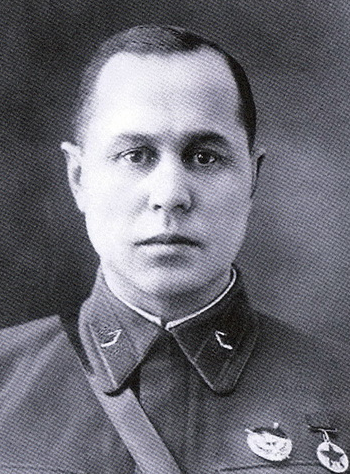


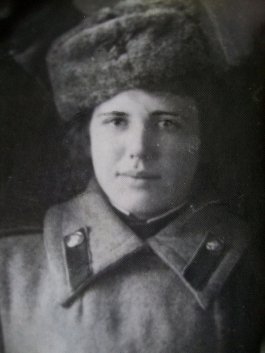
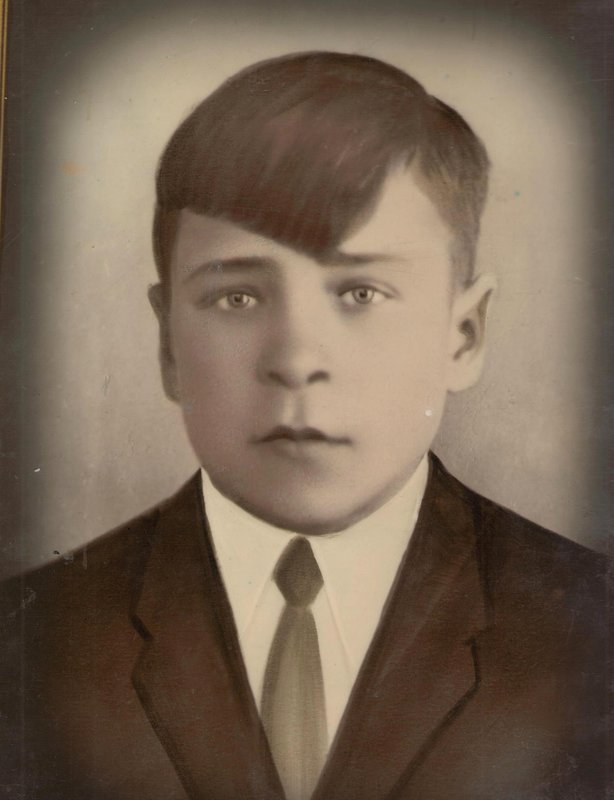
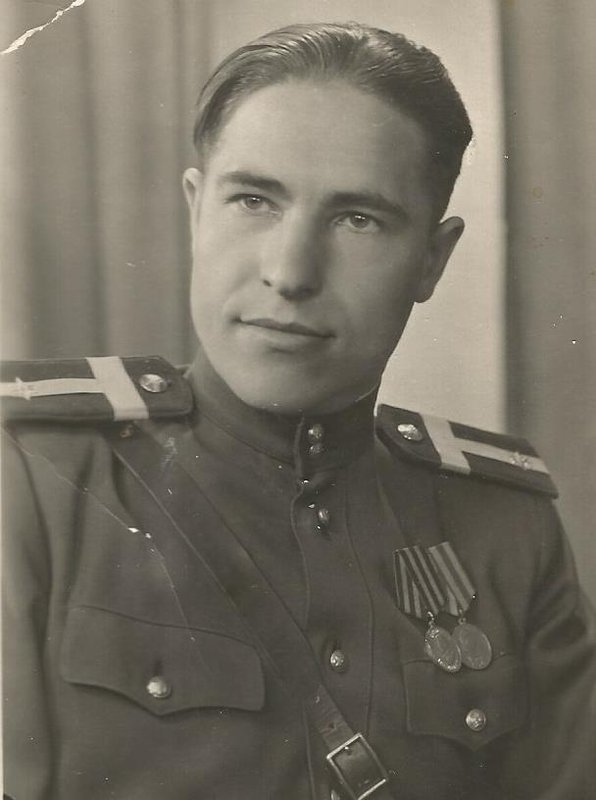


Desyatova Nadezhda Ilyinichna
Desyatova Nadezhda Ilyinichna
Nadezhda Ilyinichna Desyatova lived in the village of Travnoye quietly and imperceptibly from the first post-war years. And few of the villagers knew that the woman was a participant in the war. And she, in her natural modesty, did not advertise this event. Moreover, she never applied to the district military Commissariat with a request to restore her veteran status. And why? – you may ask. Yes, somehow it happened that veterans who served on the far Eastern borders were almost always in the second order, without claiming the first.... Quietly ticking in the kitchen, the small clock on the table. The purring cat warms its sides on the stove, which has been heated since morning. I am talking slowly to the heroine of my story, who is unusually bright, with radiant eyes and wrinkles that have furrowed her face."Soldiers are not born," N. I. Desyatova tells me, " they become soldiers. It doesn't matter whether it was in wartime or in peacetime. I am by nature a romantic soldier, a traveler. Maybe it was my inner attraction to the unknown that led me to join the army.And the history of Nadia Trutko's service had a certain basis. – My father traveled all over the former Soviet Union in search of a better life. Moreover, the whole family with him dragged around the cities and villages. And she was not small, four children grew up. I was born in Blagoveshchensk, Khabarovsk territory, in 1923. The family then lived in one of the villages. Mom and dad worked different jobs, but they never joined the collective farm. Then there were the equally exotic regions where we lived afterwards. The last stop was the city of Stalinabad in Tajikistan. There father was white with fever and soon died. Orphaned at a young age the family without a breadwinner. I – the oldest of the sisters-at the end of the seven-year period, to help my mother raise the children on their feet, I entered an apprentice Turner at an automobile repair plant. The staff of the shop recommended me to a vocational school in exactly 1941. It was difficult to study during the war years, but the state helped: they gave out uniforms for free and fed them for free once a day in the canteen. We were trained seriously and thoroughly to work in military factories. Despite the difficult time, we remained bright, elated, with a dream of a good future, teenagers. In 1943, the first graduation of artisans took place and Nadia Trutko was sent to the Novosibirsk aluminum plant."A high – rise installer is a necessary profession," Nadezhda Ilinichna tells me. – It is primarily related to the height, the lack of fear of not being afraid of it. I was a bad girl. It must have been passed down my father's side. I loved it when it was difficult, when you were learning something you didn't know. After an internship at an aluminum plant – Krasnoyarsk. That's where we, graduates of craft, really had a hard time because of hunger. Bread cards of the 43rd year will never be forgotten. The soup is a thick soup. But there was a war. The most severe year. One of the girls suggested once in the Dorm: "And let's write a statement to the military enlistment office, let them send volunteers to the front!". What caused this impulse-it is now difficult to remember. Maybe due to the fact that the boys were saying that fed is better on the front, maybe for some other reason. But her idea was enthusiastically taken up by the other girls in the room. The next morning, a stack of applications lay on the Desk of the military Commissar. - And a few days later, the summons came, - continues his story N. I. Desyatova, - to appear at the Assembly point….Apparently, they pitied the young girls in the military enlistment office. They wanted to get to Stalingrad, Kursk, the Baltic States, but ... - I had a route to the far East. I'm going alone, without friends, in a warm car. "There's a canvas bag of breadcrumbs under my head," the woman recalls, "and in my head:" where I was born, I came in handy there, " and that's all there is to it. I'm going back to where I came from.She told me for a long time how she got to the place where the battalion was stationed, how they accepted a young soldier for food, how she stood at attention for her first combat duty. About how restless it was on the Russian-Japanese border, and enemy planes repeatedly violated the airspace... - - And how did they get to the TRANS-Urals? I ask the old lady."For love," she laughs. "We served together in the Stone Fisherman. They ran to dances at the garrison club when they were off duty. I was discharged on September 3, 1945. But he stayed. I came to my mother in Stalinabad, got a job as a Secretary-typist in the military enlistment office. And the letters from the Far East kept coming. In the latter, Nikolai Desyatov reported that he had returned home to the TRANS-Urals. "Where is it?" - mused the girl, who had a good boy with an Okan in her speech sunk into her heart. - He asked me to come to him, - the woman laughs. – Well, I, without hesitation, according to my father's habit, light on my feet, bought a ticket to Kurgan and gave a telegram from the station to meet him. But the platform is empty! I reached Mokrousova And walked to my destination. So in the forty sixth year in the Travninsky village Council there was an entry in the magazine of one more resident… And the telegram came much later than Nadia's arrival in the locality .A lot of water has flowed since then. Desyatov worked in a state farm office as an accountant, and was reputed to be a smart and polite person. On Victory day, he wore a formal suit with medals. Nadezhda Ilinichna also had "For the victory over Japan" and "for the victory over Germany". But she kept them modestly in a canvas rag in an old chest of drawers. - And then, when I was over 80 years old, - she tells me,-my son-in-law and I came to the district center one day. I offered it to him: "Come on, Kolya, let's go to the military enlistment office." After a request sent to Podolsk, it was reported that "... Trutko Nadezhda Ilyinichna served in the 37th separate battalion of the VNOS in the period from December 1, 1943 to September 26, 1945 in the military rank of "corporal", which was part of the active army."The veteran's ID card, bound in a brand-new red cover that smacks of gloss, is also carefully stored in an old chest of drawers, as are the medals."Life is running out," she says to me with a sigh, "and here you are, old woman, joining the ranks of veterans," and she laughed as if the sun had peeked through the window, " blinding the little kitchen with its light. And I realized that really, soldiers are not born…
Desyatova Nadezhda Ilyinichna
Desyatova Nadezhda Ilyinichna
Nadezhda Ilyinichna Desyatova lived in the village of Travnoye quietly and imperceptibly from the first post-war years. And few of the villagers knew that the woman was a participant in the war. And she, in her natural modesty, did not advertise this event. Moreover, she never applied to the district military Commissariat with a request to restore her veteran status. And why? – you may ask. Yes, somehow it happened that veterans who served on the far Eastern borders were almost always in the second order, without claiming the first.... Quietly ticking in the kitchen, the small clock on the table. The purring cat warms its sides on the stove, which has been heated since morning. I am talking slowly to the heroine of my story, who is unusually bright, with radiant eyes and wrinkles that have furrowed her face."Soldiers are not born," N. I. Desyatova tells me, " they become soldiers. It doesn't matter whether it was in wartime or in peacetime. I am by nature a romantic soldier, a traveler. Maybe it was my inner attraction to the unknown that led me to join the army.And the history of Nadia Trutko's service had a certain basis. – My father traveled all over the former Soviet Union in search of a better life. Moreover, the whole family with him dragged around the cities and villages. And she was not small, four children grew up. I was born in Blagoveshchensk, Khabarovsk territory, in 1923. The family then lived in one of the villages. Mom and dad worked different jobs, but they never joined the collective farm. Then there were the equally exotic regions where we lived afterwards. The last stop was the city of Stalinabad in Tajikistan. There father was white with fever and soon died. Orphaned at a young age the family without a breadwinner. I – the oldest of the sisters-at the end of the seven-year period, to help my mother raise the children on their feet, I entered an apprentice Turner at an automobile repair plant. The staff of the shop recommended me to a vocational school in exactly 1941. It was difficult to study during the war years, but the state helped: they gave out uniforms for free and fed them for free once a day in the canteen. We were trained seriously and thoroughly to work in military factories. Despite the difficult time, we remained bright, elated, with a dream of a good future, teenagers. In 1943, the first graduation of artisans took place and Nadia Trutko was sent to the Novosibirsk aluminum plant."A high – rise installer is a necessary profession," Nadezhda Ilinichna tells me. – It is primarily related to the height, the lack of fear of not being afraid of it. I was a bad girl. It must have been passed down my father's side. I loved it when it was difficult, when you were learning something you didn't know. After an internship at an aluminum plant – Krasnoyarsk. That's where we, graduates of craft, really had a hard time because of hunger. Bread cards of the 43rd year will never be forgotten. The soup is a thick soup. But there was a war. The most severe year. One of the girls suggested once in the Dorm: "And let's write a statement to the military enlistment office, let them send volunteers to the front!". What caused this impulse-it is now difficult to remember. Maybe due to the fact that the boys were saying that fed is better on the front, maybe for some other reason. But her idea was enthusiastically taken up by the other girls in the room. The next morning, a stack of applications lay on the Desk of the military Commissar. - And a few days later, the summons came, - continues his story N. I. Desyatova, - to appear at the Assembly point….Apparently, they pitied the young girls in the military enlistment office. They wanted to get to Stalingrad, Kursk, the Baltic States, but ... - I had a route to the far East. I'm going alone, without friends, in a warm car. "There's a canvas bag of breadcrumbs under my head," the woman recalls, "and in my head:" where I was born, I came in handy there, " and that's all there is to it. I'm going back to where I came from.She told me for a long time how she got to the place where the battalion was stationed, how they accepted a young soldier for food, how she stood at attention for her first combat duty. About how restless it was on the Russian-Japanese border, and enemy planes repeatedly violated the airspace... - - And how did they get to the TRANS-Urals? I ask the old lady."For love," she laughs. "We served together in the Stone Fisherman. They ran to dances at the garrison club when they were off duty. I was discharged on September 3, 1945. But he stayed. I came to my mother in Stalinabad, got a job as a Secretary-typist in the military enlistment office. And the letters from the Far East kept coming. In the latter, Nikolai Desyatov reported that he had returned home to the TRANS-Urals. "Where is it?" - mused the girl, who had a good boy with an Okan in her speech sunk into her heart. - He asked me to come to him, - the woman laughs. – Well, I, without hesitation, according to my father's habit, light on my feet, bought a ticket to Kurgan and gave a telegram from the station to meet him. But the platform is empty! I reached Mokrousova And walked to my destination. So in the forty sixth year in the Travninsky village Council there was an entry in the magazine of one more resident… And the telegram came much later than Nadia's arrival in the locality .A lot of water has flowed since then. Desyatov worked in a state farm office as an accountant, and was reputed to be a smart and polite person. On Victory day, he wore a formal suit with medals. Nadezhda Ilinichna also had "For the victory over Japan" and "for the victory over Germany". But she kept them modestly in a canvas rag in an old chest of drawers. - And then, when I was over 80 years old, - she tells me,-my son-in-law and I came to the district center one day. I offered it to him: "Come on, Kolya, let's go to the military enlistment office." After a request sent to Podolsk, it was reported that "... Trutko Nadezhda Ilyinichna served in the 37th separate battalion of the VNOS in the period from December 1, 1943 to September 26, 1945 in the military rank of "corporal", which was part of the active army."The veteran's ID card, bound in a brand-new red cover that smacks of gloss, is also carefully stored in an old chest of drawers, as are the medals."Life is running out," she says to me with a sigh, "and here you are, old woman, joining the ranks of veterans," and she laughed as if the sun had peeked through the window, " blinding the little kitchen with its light. And I realized that really, soldiers are not born…
0 comment



2026 © Russian Military Historical Society Developed by Jetmix