Back to
album
album
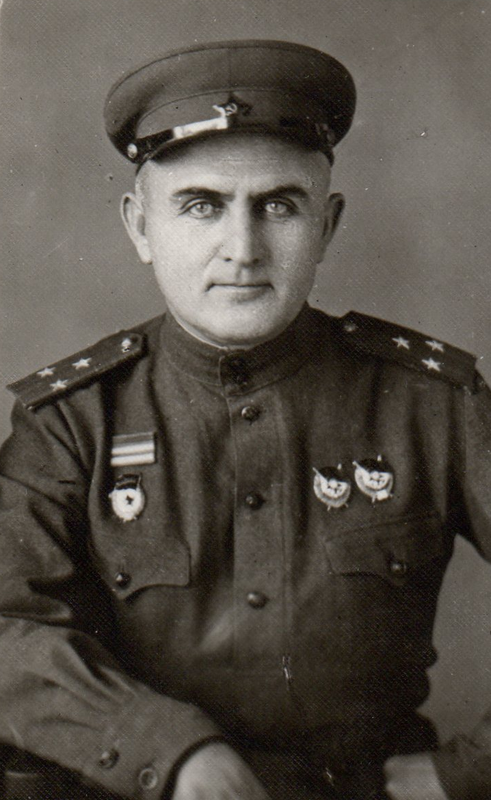

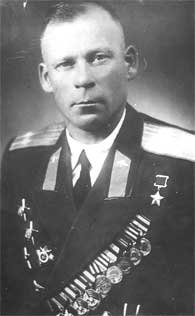
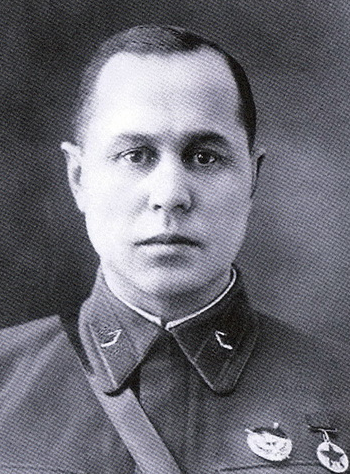


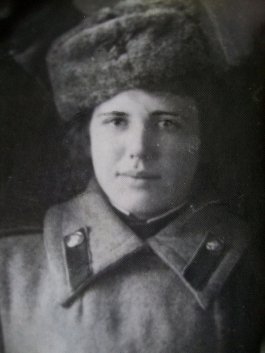
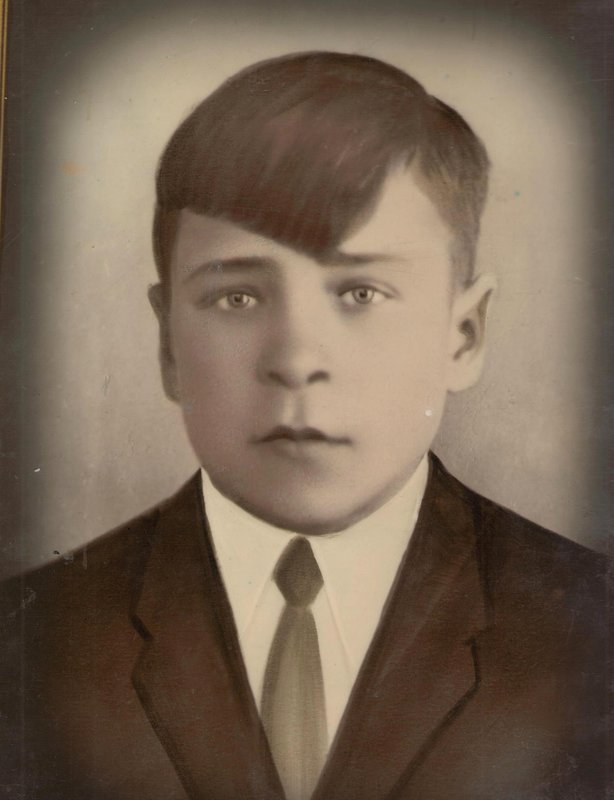
Dyryavy Ivan Filippovich
Dyryavy Ivan Filippovich
Ivan Filippovich Dyryavy was born on September 24, 1924 in the village of Kirovsky in the Kirovsky district of Primorsky Krai. My grandmother told me about her father, my great-grandfather. She remembers very little about how he fought, and great-grandfather especially did not like to remember this terrible war of 1941-1945. I found my great-grandfather when he was alive, but I don't remember him very well, because I was only two years old. In the peaceful village of Kirovsky, he worked as a carpenter and knew his business very well. But suddenly the Great Patriotic war began, and he was called to train as a military signalman in the city of Vladivostok. Although the young signalmen did not take military action at the front, they also had a great responsibility-to provide communication to all reception points. After all, communication was necessary for transmitting information about the enemy's location, requesting help, and announcing a strategy plan. After completing their training, the young men were sent to China, to the city of Mudanjiang, where military operations with Japan were already underway. Young signalmen were sent to the artillery regiment. There they were provided with weapons and ammunition. They were to take part in the fighting to liberate the Chinese people from the Japanese militarists. Ivan told his grandmother about the difficult conditions they were in: they had to sleep on bunks that were covered with reeds cut down by them, and they ate and slept only during the calm. He also told his daughter about the heroic capture of the height: how he and his comrades met the fierce opposition of the Japanese. They called the air force, which did not arrive to help them. As a result, with the last forces, the Russian military went on the attack and took this height through sacrifice and pain. After the end of the war, Ivan Filippovich did not give up, but began to build houses for the residents of Primorsky Krai. My great-grandfather may have been a signalman, but he also fought in battles, just like everyone else. As a result, he was awarded a number of orders and medals, one of them "for the Victory over Japan" and the medal "for military merit". My family and I are proud of this man, he can always be set as an example.
Dyryavy Ivan Filippovich
Dyryavy Ivan Filippovich
Ivan Filippovich Dyryavy was born on September 24, 1924 in the village of Kirovsky in the Kirovsky district of Primorsky Krai. My grandmother told me about her father, my great-grandfather. She remembers very little about how he fought, and great-grandfather especially did not like to remember this terrible war of 1941-1945. I found my great-grandfather when he was alive, but I don't remember him very well, because I was only two years old. In the peaceful village of Kirovsky, he worked as a carpenter and knew his business very well. But suddenly the Great Patriotic war began, and he was called to train as a military signalman in the city of Vladivostok. Although the young signalmen did not take military action at the front, they also had a great responsibility-to provide communication to all reception points. After all, communication was necessary for transmitting information about the enemy's location, requesting help, and announcing a strategy plan. After completing their training, the young men were sent to China, to the city of Mudanjiang, where military operations with Japan were already underway. Young signalmen were sent to the artillery regiment. There they were provided with weapons and ammunition. They were to take part in the fighting to liberate the Chinese people from the Japanese militarists. Ivan told his grandmother about the difficult conditions they were in: they had to sleep on bunks that were covered with reeds cut down by them, and they ate and slept only during the calm. He also told his daughter about the heroic capture of the height: how he and his comrades met the fierce opposition of the Japanese. They called the air force, which did not arrive to help them. As a result, with the last forces, the Russian military went on the attack and took this height through sacrifice and pain. After the end of the war, Ivan Filippovich did not give up, but began to build houses for the residents of Primorsky Krai. My great-grandfather may have been a signalman, but he also fought in battles, just like everyone else. As a result, he was awarded a number of orders and medals, one of them "for the Victory over Japan" and the medal "for military merit". My family and I are proud of this man, he can always be set as an example.
0 comment




2026 © Russian Military Historical Society Developed by Jetmix