Back to
album
album

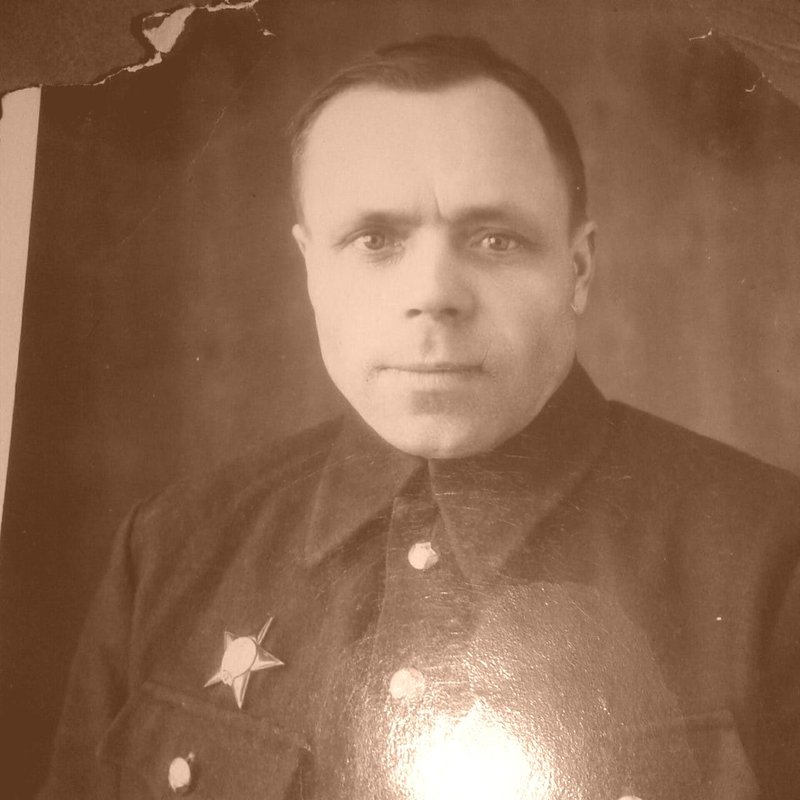

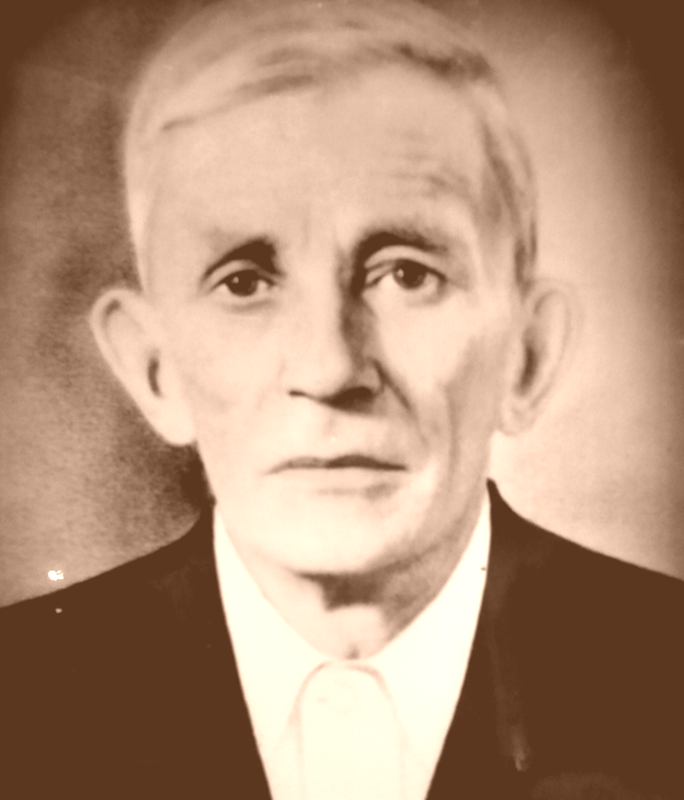


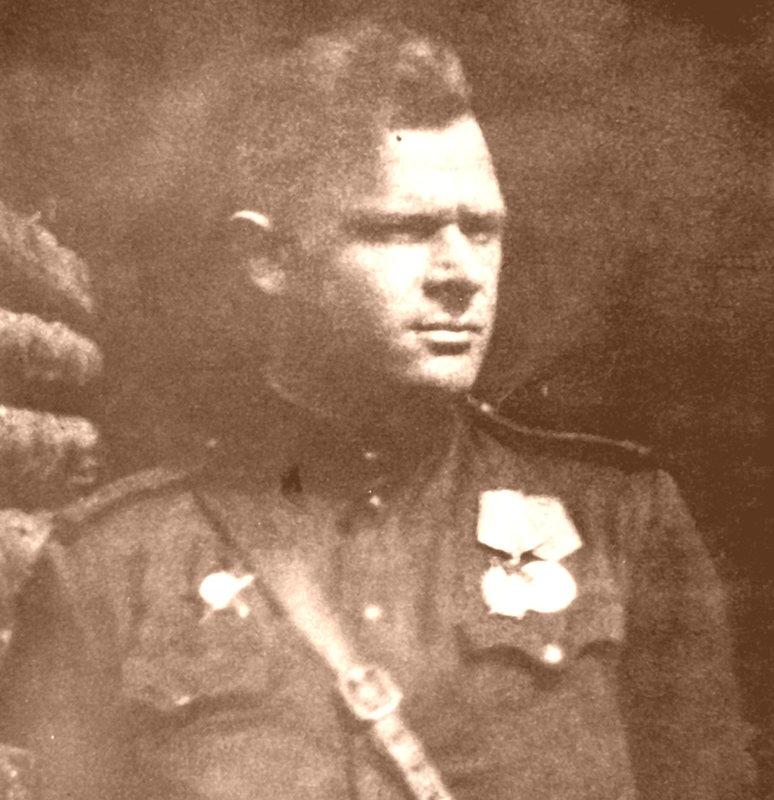
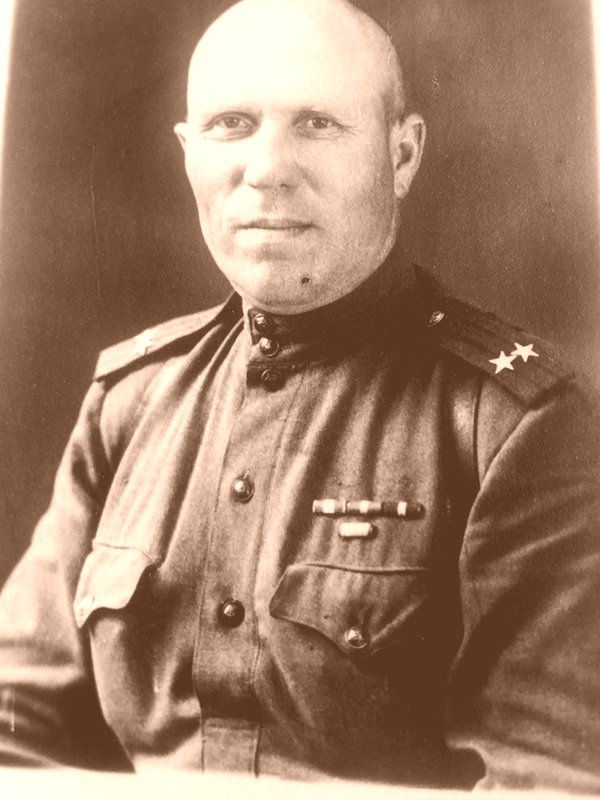

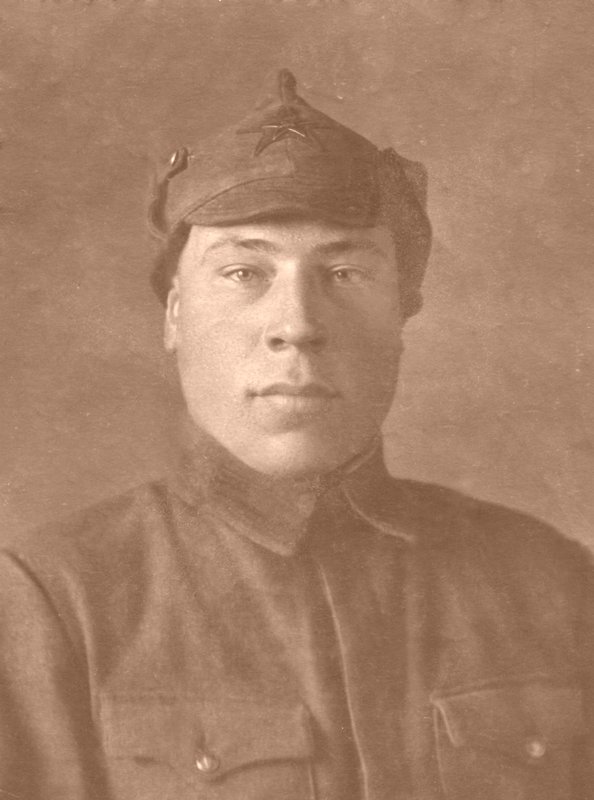

Rybin Pavel Alekseevich
Rybin Pavel Alekseevich_x000D_
_x000D_
In 1932, he was drafted into the Red Army, served for two years, and worked as a driver in the city of Yelabuga. In 1938, he was again mobilized and fought on lake Hasan and Halkin Gol against the Japanese. This war was called the unknown. In our country, it was not written about in the Newspapers, and there was no news from the front. In early 1938, Japan developed a plan to capture the territories of the USSR under the code name "Hattiga". My great-grandfather fought in the special forces’ corps 57. He was still alive. 25 August 1941 again front. The Great Patriotic War Began. Retreat, defense of Minsk, Smolensk, Rogachev. My great-grandfather served in the topographical intelligence service of the 14th guards army. Frost under forty degrees. Exhausted and exhausted, the red army men had been starving for a week. At night, the scouts brought a captive tongue, which dragged the sawed-off meat of a horse killed in battle-the scouts got both tongue and food. Mochalovskiy forests: defense and offensive every day, every day... Battles are being fought for every village that has been burned to the ground, smashed by enemy Junkers ' raids, and crushed by German tanks. This is the suburbs, Machalowskaya the Rzhev meat grinder - so it will call many years later. About two million Soviet soldiers died in those places. This is where my great-grandfather fought, he was thirty years old at the time. He is a Sergeant, surveyor, fire spotter. This means: to sneak into the enemy's rear, to see and remember the location of troops, tanks, and artillery ... and practically call the fire of our batteries on themselves. How is he still alive? He doesn't know! He has many awards: medals and orders. But the very first is the medal "For Bravery" - the most expensive-singed, with a faded ribbon. Near Rzhev, military happiness changed my great-grandfather: a severe wound in the abdominal cavity, a strong contusion. He was picked up half-dead by the "coffin" team. In 1943, he was released from the hospital, was cared for by his grandmother and survived, although the doctors did not promise this. And I always thought that Twardowski’s poems were about him. I was killed near Rzhev in a nameless bog, In fifth company, on the left... In a brutal attack. I didn't hear the explosion, I didn't see the flash: Straight into the abyss from the cliff - and no bottom, no tires.... After the war, my great-grandparents had children, grandchildren, and we are great - grandchildren. My great-grandfather is a Hero, without heroes like him, there would not be our homeland, peace on earth and us.
Rybin Pavel Alekseevich
Rybin Pavel Alekseevich_x000D_
_x000D_
In 1932, he was drafted into the Red Army, served for two years, and worked as a driver in the city of Yelabuga. In 1938, he was again mobilized and fought on lake Hasan and Halkin Gol against the Japanese. This war was called the unknown. In our country, it was not written about in the Newspapers, and there was no news from the front. In early 1938, Japan developed a plan to capture the territories of the USSR under the code name "Hattiga". My great-grandfather fought in the special forces’ corps 57. He was still alive. 25 August 1941 again front. The Great Patriotic War Began. Retreat, defense of Minsk, Smolensk, Rogachev. My great-grandfather served in the topographical intelligence service of the 14th guards army. Frost under forty degrees. Exhausted and exhausted, the red army men had been starving for a week. At night, the scouts brought a captive tongue, which dragged the sawed-off meat of a horse killed in battle-the scouts got both tongue and food. Mochalovskiy forests: defense and offensive every day, every day... Battles are being fought for every village that has been burned to the ground, smashed by enemy Junkers ' raids, and crushed by German tanks. This is the suburbs, Machalowskaya the Rzhev meat grinder - so it will call many years later. About two million Soviet soldiers died in those places. This is where my great-grandfather fought, he was thirty years old at the time. He is a Sergeant, surveyor, fire spotter. This means: to sneak into the enemy's rear, to see and remember the location of troops, tanks, and artillery ... and practically call the fire of our batteries on themselves. How is he still alive? He doesn't know! He has many awards: medals and orders. But the very first is the medal "For Bravery" - the most expensive-singed, with a faded ribbon. Near Rzhev, military happiness changed my great-grandfather: a severe wound in the abdominal cavity, a strong contusion. He was picked up half-dead by the "coffin" team. In 1943, he was released from the hospital, was cared for by his grandmother and survived, although the doctors did not promise this. And I always thought that Twardowski’s poems were about him. I was killed near Rzhev in a nameless bog, In fifth company, on the left... In a brutal attack. I didn't hear the explosion, I didn't see the flash: Straight into the abyss from the cliff - and no bottom, no tires.... After the war, my great-grandparents had children, grandchildren, and we are great - grandchildren. My great-grandfather is a Hero, without heroes like him, there would not be our homeland, peace on earth and us.
0 comment



2026 © Russian Military Historical Society Developed by Jetmix