Back to
album
album


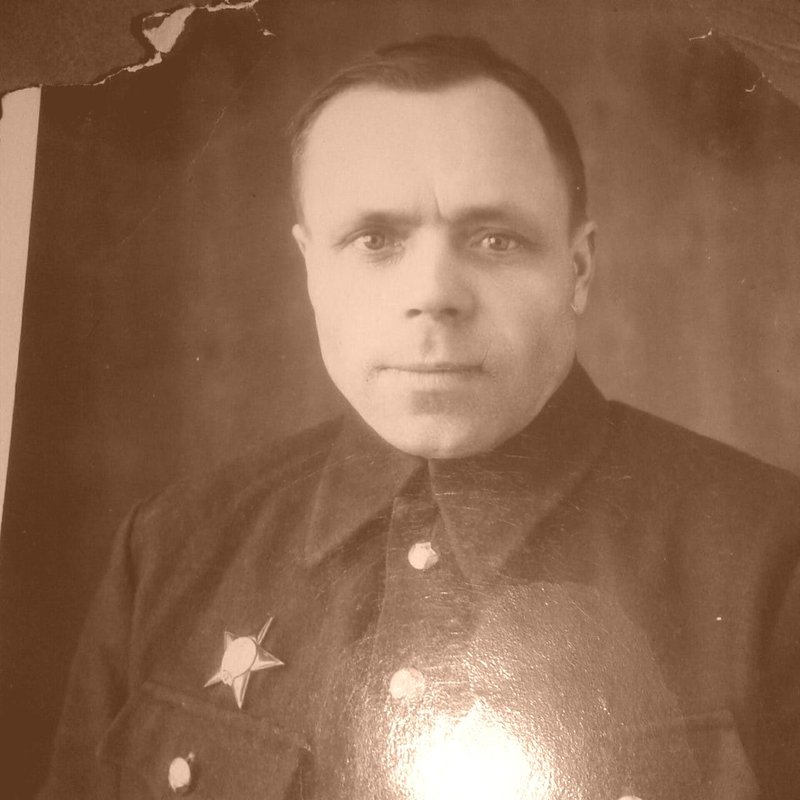

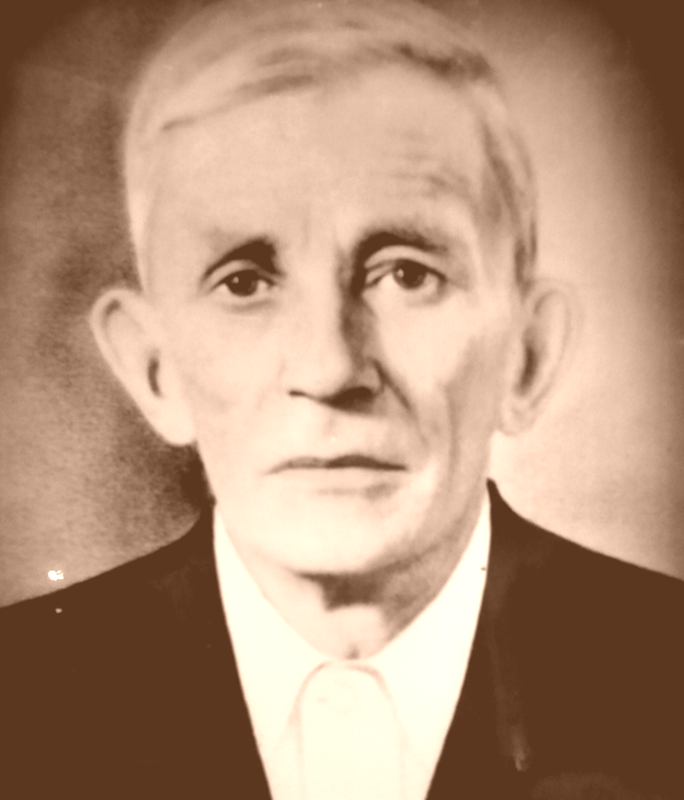


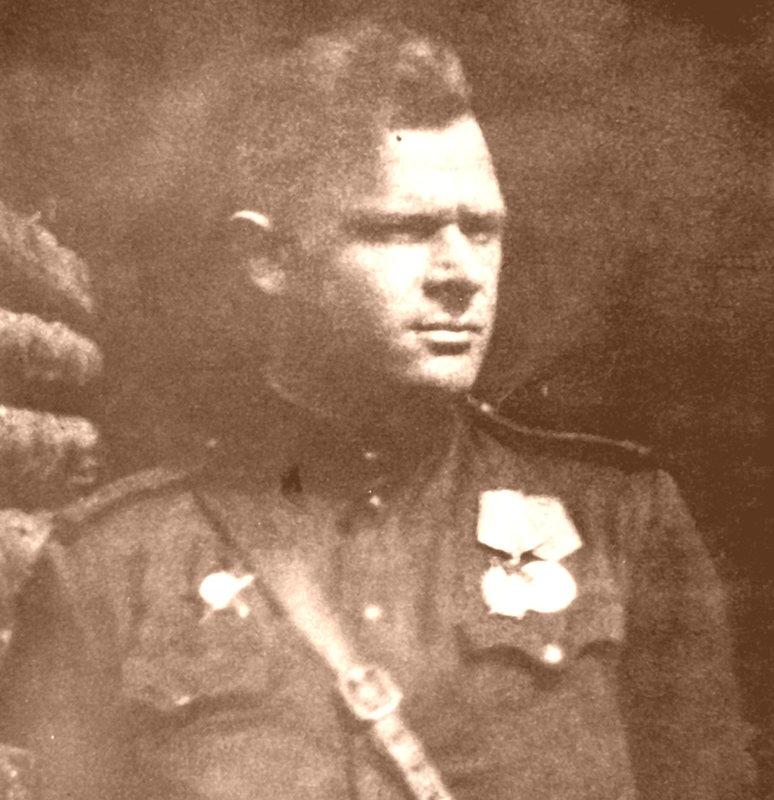
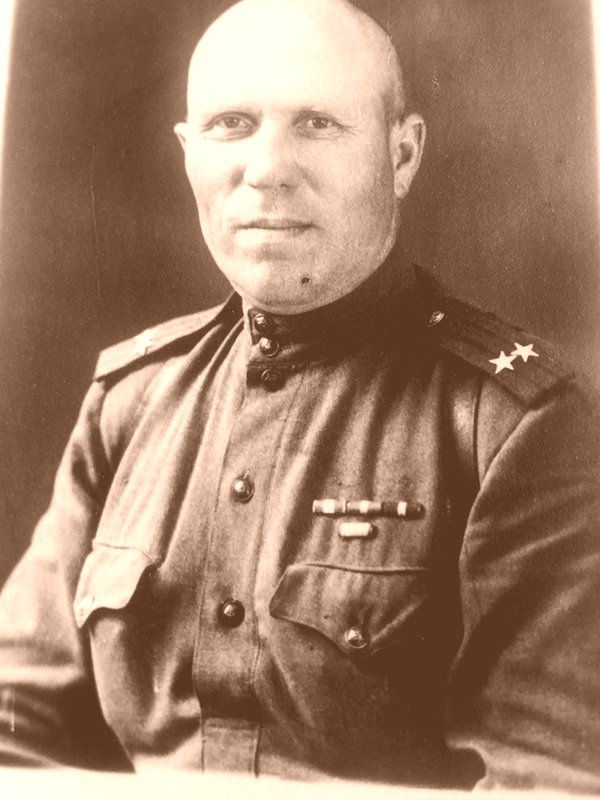

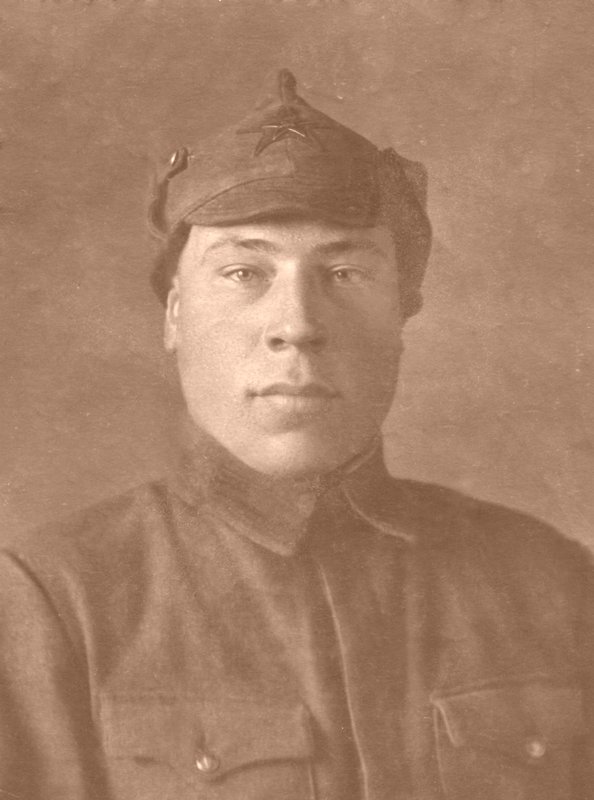
Romanenkov Nikolay Titovich
Romanenkov Nikolay Titovich_x000D_
Nikolai Titovich was born in a poor peasant family in the village of Yushenko in the Mushkovichskiy village Council of the Yartsevsky district in April 1919. His father went to Siberia in search of earnings and worked as a carpenter in construction. Nikolai graduated from primary school and immediately began working to help adults. He runs the village cattle. In 1935, Romanenkov moved to his father in Irkutsk. After completing the course of gas welders, he works at a factory. In the evenings, he studies at the school of working youth. A good production worker and an active Komsomol member. Nikolay Romanenkov is elected as a trade Union worker of the shop. In 1938, he entered the evening technical school, but failed to graduate. Romanenkov was drafted into the Navy. When the Great Patriotic war began, he served in the far East. He was elected Komsomol of the division. Soon he was sent to study at the Moscow red banner military and political school named after V. I. Lenin. Since April 1944, N. T. Romanenkov has been fighting the invaders on the 1st Belorussian front. The rifle regiment, of which captain Romanenkov was a Komsomol member, was preparing to break through the enemy defenses North of Warsaw. Heavy fighting was coming. Along the entire front line, the Nazis built a powerful system of fortifications and concentrated a lot of their troops and equipment in this area. The Komsomol organization of the regiment was actively preparing for the offensive. At rallies and meetings, Komsomol members swore that they would be the first to attack. An example for them was the Komsomol Nikolai Romanenkov. The brave officer was seen in all units of the unit. He talked to young soldiers, taught them how to cross the river, eliminate resistance points, and repel enemy counterattacks. Romanenkov spent less than a year at the front, but constantly being in the most important areas, he managed to accumulate a wealth of combat experience. The Komsomol members trusted their leader and loved him. The offensive of the 1st Belorussian front began on January 14, 1945 with a powerful artillery strike on the enemy's fortifications. Under cover of gunfire, the forward battalion of the regiment moved across the Vistula. In the first chain of fighters was Nikolai Titovich. Under a hurricane of fire, on the thin ice broken by shells, our soldiers crossed the river. Surviving after artillery training machine-gun points of the Nazis forced the infantry to lie down with heavy fire. There was no shelter for the soldiers on the bare Bank, and the frozen ground did not yield to shovels. The battalion suffered heavy losses. It was necessary to rush forward to get out of the fire and destroy the enemy's firing points. The first to attack rose Komsomol Romanenkov. He took the soldiers with him and broke into the enemy trenches. In hand-to-hand combat, Hitler's machine-gunners were destroyed, and the infantry, without stopping, again went on the attack. Without allowing the enemy to recover, the battalion broke into the village of Dzekanovsk, turned by the enemy into a node of resistance, and immediately captured it. No sooner had the soldiers prepared for defense, as the enemy counterattacks began. Twelve self-propelled guns and several units of submachine gunners attacked the battalion, which had been thinned out in the battle. The first onslaught of the enemy was repulsed with great losses for him, but the Nazis continuously arrived reinforcements and immediately entered the battle. Several times machine gunners broke into our trenches, but the soldiers destroyed them. The battle raged all day. Sometimes critical moments were created, but each time, inspired by their Komsomol, the fighters threw the enemy back. The battalion obeyed the order. He held the bridgehead until the crossing of the main forces of the regiment. Breaking the resistance of the enemy, sweeping away the barriers of the invaders, the Soviet troops rapidly moved to the West. And again, captain Romanenkov in the advanced units of the regiment. During the offensive, the best of the young soldiers joined the Komsomol, and the best of the Komsomol members joined the Communist party. The Communists and Komsomol members were the first in the fighting. Only for fifteen days of fighting 126 Komsomol members of the regiment were presented to government awards, and three were awarded the highest title of Hero of the Soviet Union in our country. By decree of the Presidium of the Supreme Soviet of the USSR on February 27, 1945, captain Nikolai Titovich Romanenkov was awarded the title Hero of the Soviet Union. Nikolai Romanenkov dreamed of studying to be an engineer. But this dream did not come true. Twelve days before the end of the war, on April 26, 1945, he died. A brave officer died a brave death on the battlefield. He is buried in the military cemetery in Poznan town. In the city of Svirsk, a street is named after Nikolai Titovich Romanenkov. In Irkutsk, there is a Museum of the Aviation plant keeps his tunic. There is also a monument there, and a memorial plaque on the factory building. A street in Irkutsk is named after him.
Romanenkov Nikolay Titovich
Romanenkov Nikolay Titovich_x000D_
Nikolai Titovich was born in a poor peasant family in the village of Yushenko in the Mushkovichskiy village Council of the Yartsevsky district in April 1919. His father went to Siberia in search of earnings and worked as a carpenter in construction. Nikolai graduated from primary school and immediately began working to help adults. He runs the village cattle. In 1935, Romanenkov moved to his father in Irkutsk. After completing the course of gas welders, he works at a factory. In the evenings, he studies at the school of working youth. A good production worker and an active Komsomol member. Nikolay Romanenkov is elected as a trade Union worker of the shop. In 1938, he entered the evening technical school, but failed to graduate. Romanenkov was drafted into the Navy. When the Great Patriotic war began, he served in the far East. He was elected Komsomol of the division. Soon he was sent to study at the Moscow red banner military and political school named after V. I. Lenin. Since April 1944, N. T. Romanenkov has been fighting the invaders on the 1st Belorussian front. The rifle regiment, of which captain Romanenkov was a Komsomol member, was preparing to break through the enemy defenses North of Warsaw. Heavy fighting was coming. Along the entire front line, the Nazis built a powerful system of fortifications and concentrated a lot of their troops and equipment in this area. The Komsomol organization of the regiment was actively preparing for the offensive. At rallies and meetings, Komsomol members swore that they would be the first to attack. An example for them was the Komsomol Nikolai Romanenkov. The brave officer was seen in all units of the unit. He talked to young soldiers, taught them how to cross the river, eliminate resistance points, and repel enemy counterattacks. Romanenkov spent less than a year at the front, but constantly being in the most important areas, he managed to accumulate a wealth of combat experience. The Komsomol members trusted their leader and loved him. The offensive of the 1st Belorussian front began on January 14, 1945 with a powerful artillery strike on the enemy's fortifications. Under cover of gunfire, the forward battalion of the regiment moved across the Vistula. In the first chain of fighters was Nikolai Titovich. Under a hurricane of fire, on the thin ice broken by shells, our soldiers crossed the river. Surviving after artillery training machine-gun points of the Nazis forced the infantry to lie down with heavy fire. There was no shelter for the soldiers on the bare Bank, and the frozen ground did not yield to shovels. The battalion suffered heavy losses. It was necessary to rush forward to get out of the fire and destroy the enemy's firing points. The first to attack rose Komsomol Romanenkov. He took the soldiers with him and broke into the enemy trenches. In hand-to-hand combat, Hitler's machine-gunners were destroyed, and the infantry, without stopping, again went on the attack. Without allowing the enemy to recover, the battalion broke into the village of Dzekanovsk, turned by the enemy into a node of resistance, and immediately captured it. No sooner had the soldiers prepared for defense, as the enemy counterattacks began. Twelve self-propelled guns and several units of submachine gunners attacked the battalion, which had been thinned out in the battle. The first onslaught of the enemy was repulsed with great losses for him, but the Nazis continuously arrived reinforcements and immediately entered the battle. Several times machine gunners broke into our trenches, but the soldiers destroyed them. The battle raged all day. Sometimes critical moments were created, but each time, inspired by their Komsomol, the fighters threw the enemy back. The battalion obeyed the order. He held the bridgehead until the crossing of the main forces of the regiment. Breaking the resistance of the enemy, sweeping away the barriers of the invaders, the Soviet troops rapidly moved to the West. And again, captain Romanenkov in the advanced units of the regiment. During the offensive, the best of the young soldiers joined the Komsomol, and the best of the Komsomol members joined the Communist party. The Communists and Komsomol members were the first in the fighting. Only for fifteen days of fighting 126 Komsomol members of the regiment were presented to government awards, and three were awarded the highest title of Hero of the Soviet Union in our country. By decree of the Presidium of the Supreme Soviet of the USSR on February 27, 1945, captain Nikolai Titovich Romanenkov was awarded the title Hero of the Soviet Union. Nikolai Romanenkov dreamed of studying to be an engineer. But this dream did not come true. Twelve days before the end of the war, on April 26, 1945, he died. A brave officer died a brave death on the battlefield. He is buried in the military cemetery in Poznan town. In the city of Svirsk, a street is named after Nikolai Titovich Romanenkov. In Irkutsk, there is a Museum of the Aviation plant keeps his tunic. There is also a monument there, and a memorial plaque on the factory building. A street in Irkutsk is named after him.
0 comment



2026 © Russian Military Historical Society Developed by Jetmix