Back to
album
album
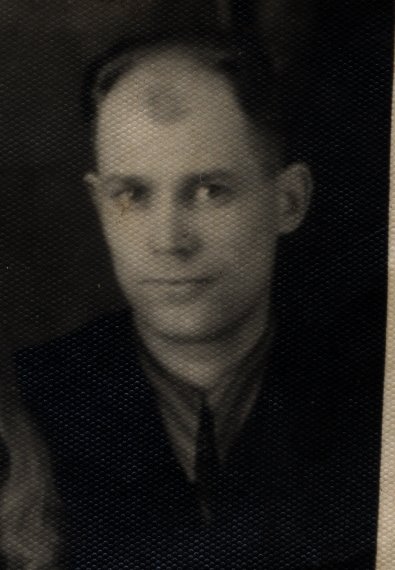
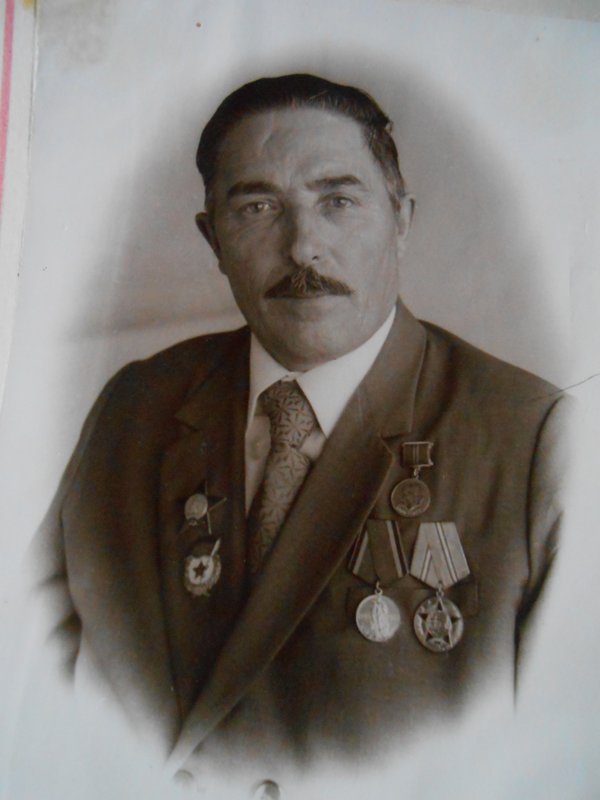
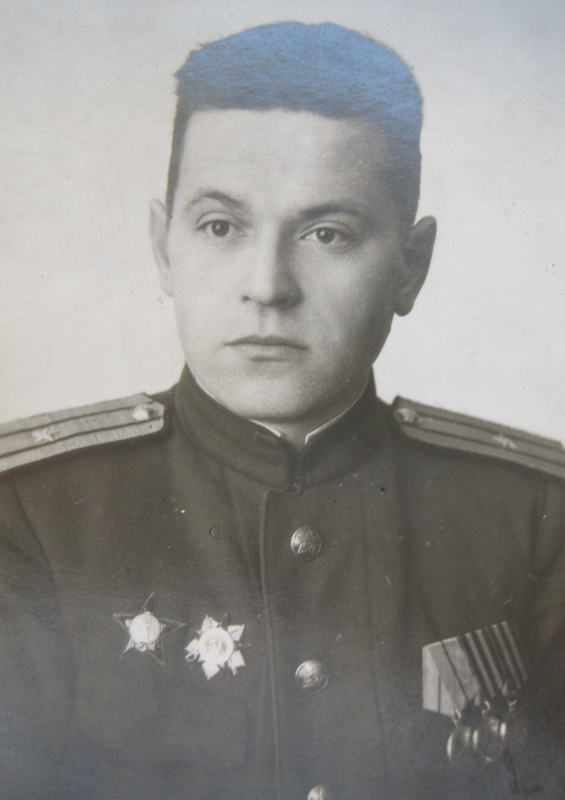
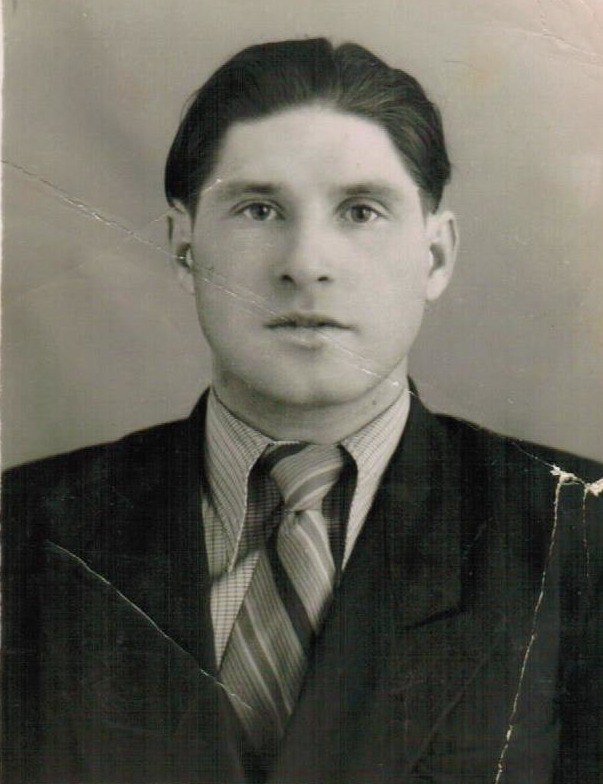
Rashov Gregory Dmitrievich
Rashov Gregory Dmitrievich_x000D_
_x000D_
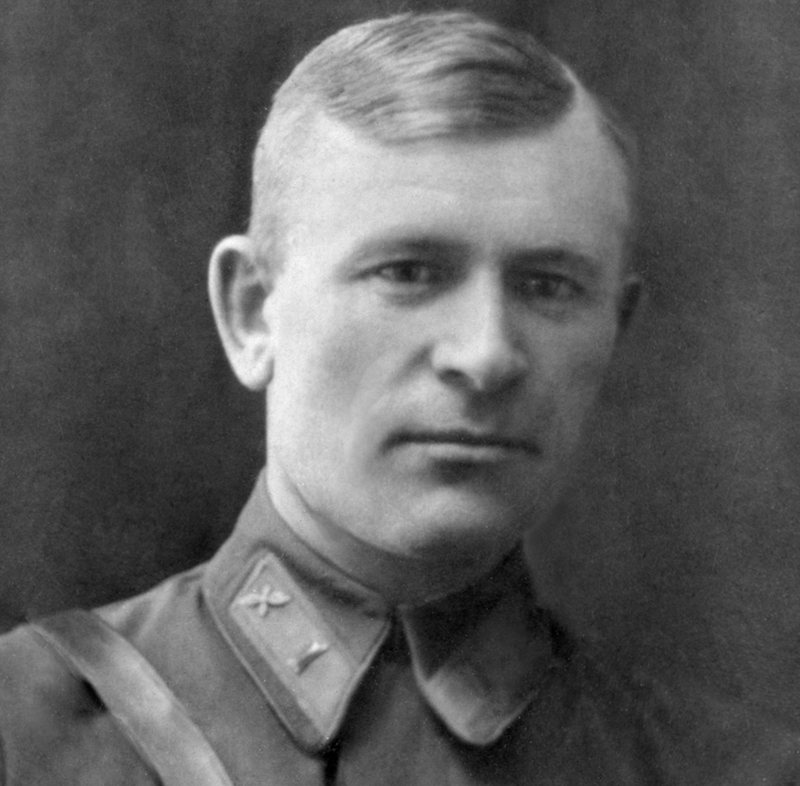
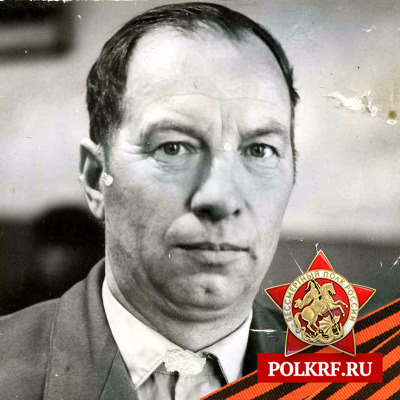
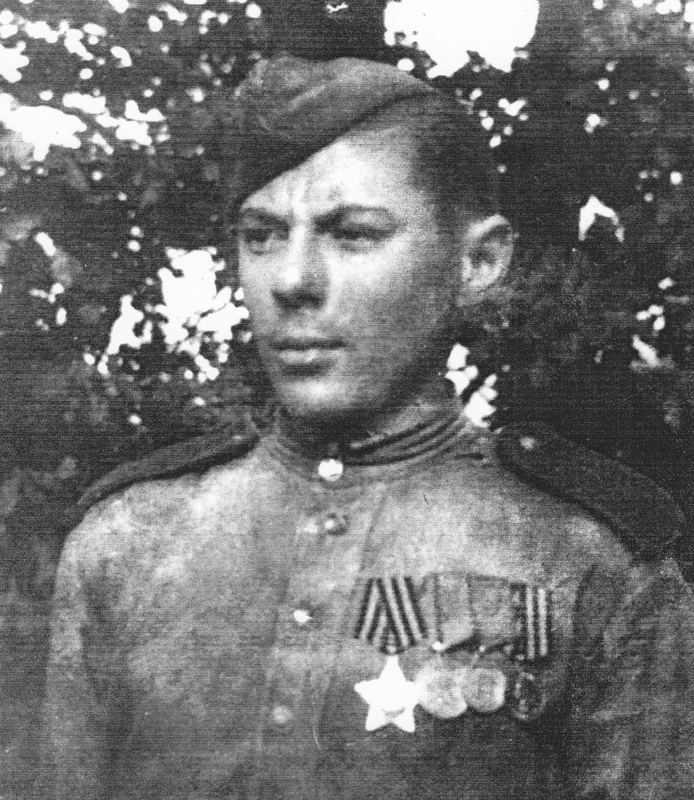
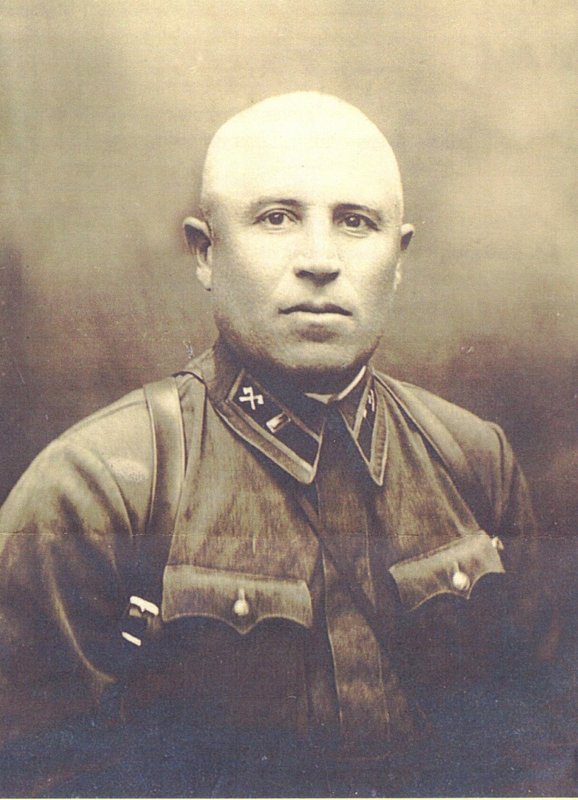
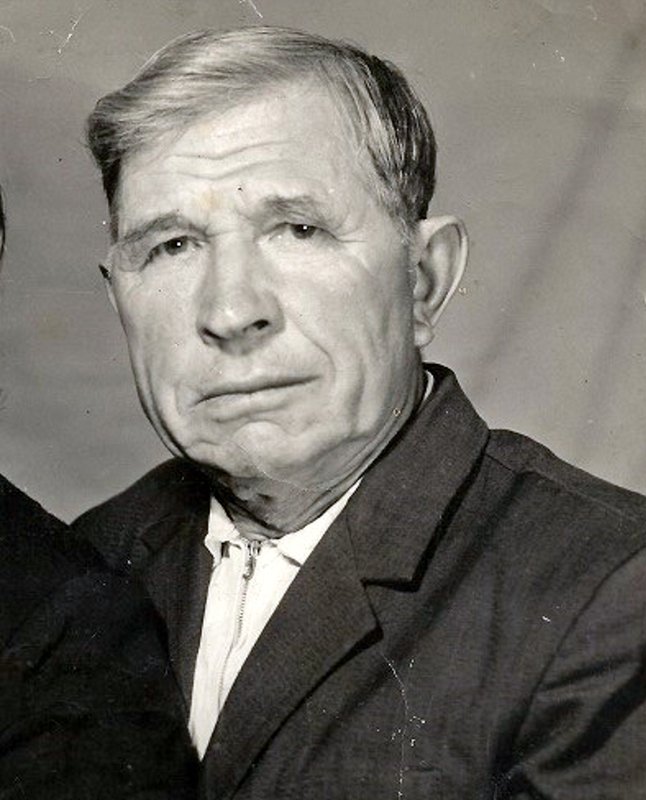
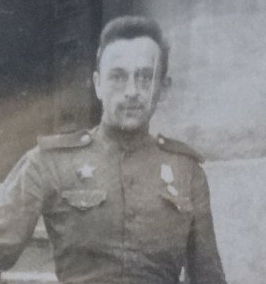
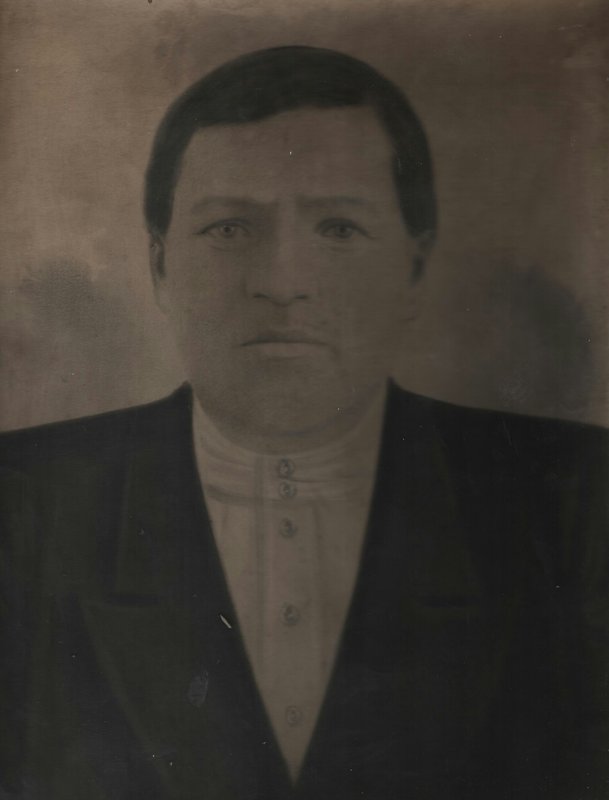
Rank: Senior sergeant. Branch of service: army, air force (except marine aviation), the coast guard, the troops of the NKVD border troops. Division: 120th guards rifle Rogachev red banner order of Suvorov and Kutuzov division. My father, Grigory Dmitrievich Rashov, born in 1920, was drafted into the red army on 26.09.1940, on the day of his birth, he turned 20 years old. Already on July 13, 1941, as part of the Western front, he entered his first battle, and on July 25, 1941, he was wounded, but remained in the ranks. For a month, the troops held back the onslaught of the enemy. August 15, 1941 a group of fighters, which included my father, was ordered to cover the withdrawal of units. In this battle, my father was shell-shocked, and he and those who survived were surrounded. It was not possible to break through to their own, the front was moving further and further away from the Bryansk region, so they remained behind enemy lines, organizing the battle group "LIN" - Love and hate. In May 1942, the LIN group joined the Suvorov partisan detachment. The detachment was led by the head of the NKVD of the Bryansk region, who had fallen into the blockade with the pseudonym Zhukov. No one knew his real last name. Having a connection with Moscow and the headquarters of the partisan movement, the detachment received weapons, clothing, food, and medicine. The task of the partisan detachment was intelligence and subversive activities. Once again, having been behind enemy lines on a combat mission, a group of partisans was forced to evade pursuit. According to the father, they were already saying goodbye to life, because the fascists were catching up with them, the dogs were already barking. And then it was decided to go into the swamp. The partisans were completely submerged in the water, covered with raised moss, breathing through tubes that protruded above the water. They remained in this position for some time, until the danger was over. One day, my father and 2 other partisans were assigned to steal the mayor. Taking advantage of the opportunity, the partisans entered the office, disarmed him and took him out of the village, safely reaching their deployment. The partisans gave the Nazis a lot of trouble, and they tried their best to find out their location. In 1943, the unit was infiltrated by a spy, the head of the pow camp. But it was not long before he had to transmit the plans of the partisans; a group of escaped prisoners of war identified him, and he was shot. The partisan detachment was repeatedly blockaded when the Nazis wanted to destroy it. In one of these battles, my father was wounded and sent to the rear for treatment. In October 1943, the Suvorov detachment joined the red Army. From October 2, 1943, my father was already fighting in the 336th rifle regiment of the 120th guards red banner rifle division in the Bryansk-Belorussian front. On February 23, 1944, the division crossed the Dnieper river, and on February 24, 1944, it successfully stormed one of the oldest Belarusian cities – Rogachev. I remember my father's story about how he was sent to the platoon of penal guards, the next morning it was necessary to take the height. And the penalty takers were all majors and colonels. And here is a Colonel and he says: "You, son, in the attack, go behind us, we still die, and you can still live. And we know what to do and how to do it ourselves, without you." The height was taken, the Colonel was wounded and rehabilitated, and the next day the adjutant of this Colonel arrived in the regiment with an offer to his father to go to serve in his regiment, but his father refused, he got used to his regiment, his guys. The 336th rifle regiment participated in the assault on the fortress city of ostrolenka, in the battles to expand the bridgehead on the West Bank of the Narew river, in the East Prussian operation (January-April 1945), and in the defeat of the enemy group southwest of Konigsberg. As a result of the fighting for the liberation of Konigsberg, my father was awarded the medal "for the capture of Konigsberg". As part of the 336th rifle regiment, he also participated in the Berlin offensive. North of Frankfurt an der Oder, they were sent to eliminate a large group of enemy troops that were trying to break through to Berlin to help its garrison. Extract from the award list: "... when advancing to the height of 68.6, which is South-West of 1.8 km of the village. Eisenberg 15.3.1945, Department of Rashov Grigory Dmitrievich rapid throw first broke into the enemy's trench. In this battle, they destroyed 4 enemy firing points and 22 enemy soldiers, 10 people were taken prisoner. At dawn on 16.3.45, the enemy launched a counterattack. His squad did not flinch and mercilessly exterminated the enemy infantry, where up to 30 soldiers and officers were destroyed. The counterattack was repulsed. Worthy of a government award: "Order Of The Red Star". After eliminating the encircled enemy troops South-East of Berlin, their division was ordered to move into the depths of Germany, destroying the wandering fascist detachments. Through Potsdam, Brandenburg, and other cities, they reached the Elbe river on May 5. He did not have to participate in the famous meeting with the American troops on the Elbe: their regiment, battered and battered in battle, was withdrawn, and soldiers arrived in their place, dressed, as my father said, "like a needle." Here, on the Elbe, and ended my father's fighting path on the roads of war. He was awarded the order of the Red Star, medals: "For Bravery", "for the capture of Konigsberg", "for the Victory over Germany 1941-1945". My father was demobilized only in 1946.
Rashov Gregory Dmitrievich
Rashov Gregory Dmitrievich_x000D_
_x000D_
Rank: Senior sergeant. Branch of service: army, air force (except marine aviation), the coast guard, the troops of the NKVD border troops. Division: 120th guards rifle Rogachev red banner order of Suvorov and Kutuzov division. My father, Grigory Dmitrievich Rashov, born in 1920, was drafted into the red army on 26.09.1940, on the day of his birth, he turned 20 years old. Already on July 13, 1941, as part of the Western front, he entered his first battle, and on July 25, 1941, he was wounded, but remained in the ranks. For a month, the troops held back the onslaught of the enemy. August 15, 1941 a group of fighters, which included my father, was ordered to cover the withdrawal of units. In this battle, my father was shell-shocked, and he and those who survived were surrounded. It was not possible to break through to their own, the front was moving further and further away from the Bryansk region, so they remained behind enemy lines, organizing the battle group "LIN" - Love and hate. In May 1942, the LIN group joined the Suvorov partisan detachment. The detachment was led by the head of the NKVD of the Bryansk region, who had fallen into the blockade with the pseudonym Zhukov. No one knew his real last name. Having a connection with Moscow and the headquarters of the partisan movement, the detachment received weapons, clothing, food, and medicine. The task of the partisan detachment was intelligence and subversive activities. Once again, having been behind enemy lines on a combat mission, a group of partisans was forced to evade pursuit. According to the father, they were already saying goodbye to life, because the fascists were catching up with them, the dogs were already barking. And then it was decided to go into the swamp. The partisans were completely submerged in the water, covered with raised moss, breathing through tubes that protruded above the water. They remained in this position for some time, until the danger was over. One day, my father and 2 other partisans were assigned to steal the mayor. Taking advantage of the opportunity, the partisans entered the office, disarmed him and took him out of the village, safely reaching their deployment. The partisans gave the Nazis a lot of trouble, and they tried their best to find out their location. In 1943, the unit was infiltrated by a spy, the head of the pow camp. But it was not long before he had to transmit the plans of the partisans; a group of escaped prisoners of war identified him, and he was shot. The partisan detachment was repeatedly blockaded when the Nazis wanted to destroy it. In one of these battles, my father was wounded and sent to the rear for treatment. In October 1943, the Suvorov detachment joined the red Army. From October 2, 1943, my father was already fighting in the 336th rifle regiment of the 120th guards red banner rifle division in the Bryansk-Belorussian front. On February 23, 1944, the division crossed the Dnieper river, and on February 24, 1944, it successfully stormed one of the oldest Belarusian cities – Rogachev. I remember my father's story about how he was sent to the platoon of penal guards, the next morning it was necessary to take the height. And the penalty takers were all majors and colonels. And here is a Colonel and he says: "You, son, in the attack, go behind us, we still die, and you can still live. And we know what to do and how to do it ourselves, without you." The height was taken, the Colonel was wounded and rehabilitated, and the next day the adjutant of this Colonel arrived in the regiment with an offer to his father to go to serve in his regiment, but his father refused, he got used to his regiment, his guys. The 336th rifle regiment participated in the assault on the fortress city of ostrolenka, in the battles to expand the bridgehead on the West Bank of the Narew river, in the East Prussian operation (January-April 1945), and in the defeat of the enemy group southwest of Konigsberg. As a result of the fighting for the liberation of Konigsberg, my father was awarded the medal "for the capture of Konigsberg". As part of the 336th rifle regiment, he also participated in the Berlin offensive. North of Frankfurt an der Oder, they were sent to eliminate a large group of enemy troops that were trying to break through to Berlin to help its garrison. Extract from the award list: "... when advancing to the height of 68.6, which is South-West of 1.8 km of the village. Eisenberg 15.3.1945, Department of Rashov Grigory Dmitrievich rapid throw first broke into the enemy's trench. In this battle, they destroyed 4 enemy firing points and 22 enemy soldiers, 10 people were taken prisoner. At dawn on 16.3.45, the enemy launched a counterattack. His squad did not flinch and mercilessly exterminated the enemy infantry, where up to 30 soldiers and officers were destroyed. The counterattack was repulsed. Worthy of a government award: "Order Of The Red Star". After eliminating the encircled enemy troops South-East of Berlin, their division was ordered to move into the depths of Germany, destroying the wandering fascist detachments. Through Potsdam, Brandenburg, and other cities, they reached the Elbe river on May 5. He did not have to participate in the famous meeting with the American troops on the Elbe: their regiment, battered and battered in battle, was withdrawn, and soldiers arrived in their place, dressed, as my father said, "like a needle." Here, on the Elbe, and ended my father's fighting path on the roads of war. He was awarded the order of the Red Star, medals: "For Bravery", "for the capture of Konigsberg", "for the Victory over Germany 1941-1945". My father was demobilized only in 1946.
0 comment




2026 © Russian Military Historical Society Developed by Jetmix