Back to
album
album
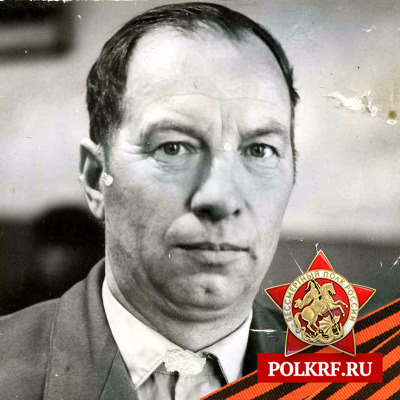
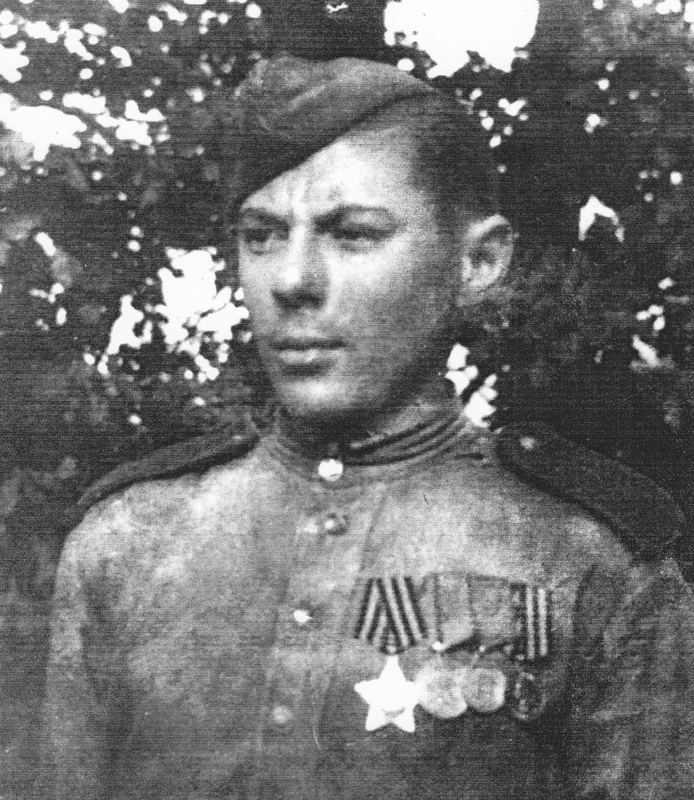
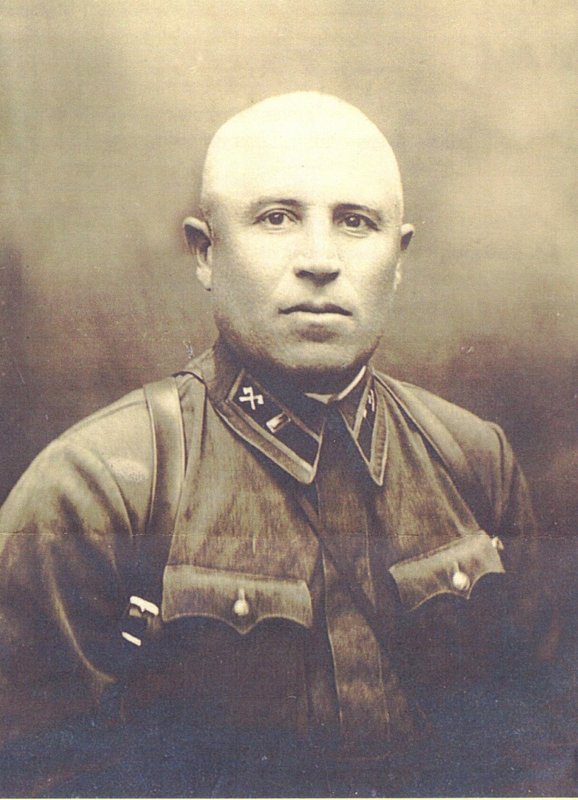
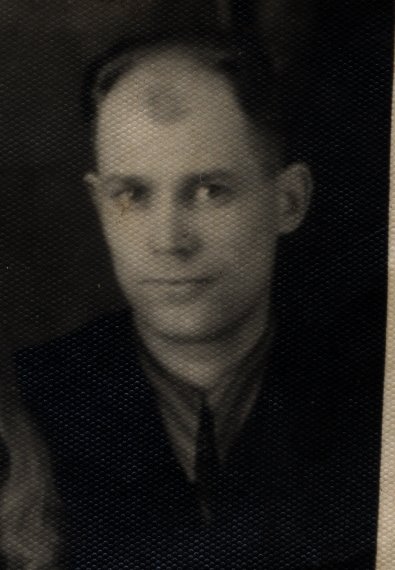
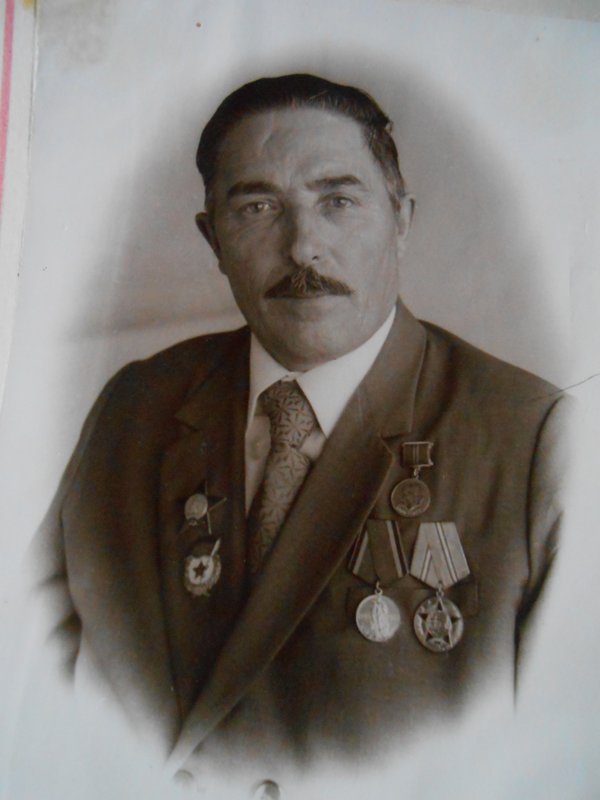
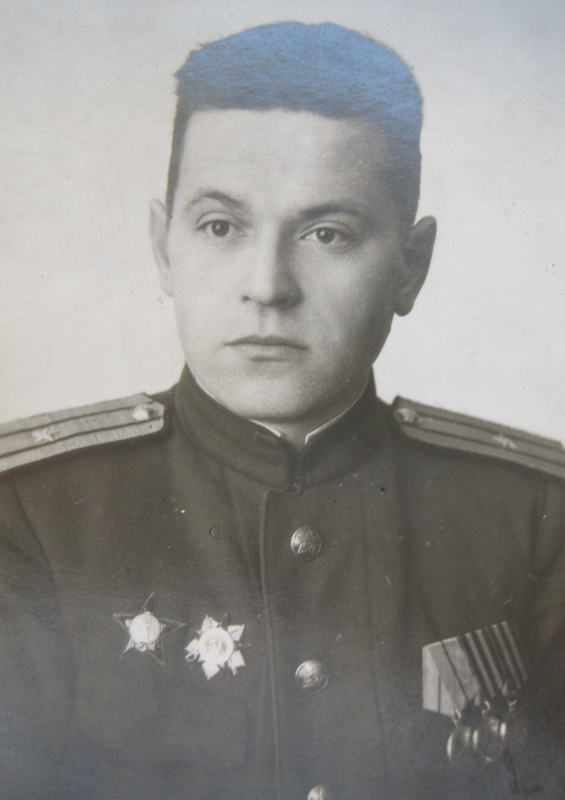
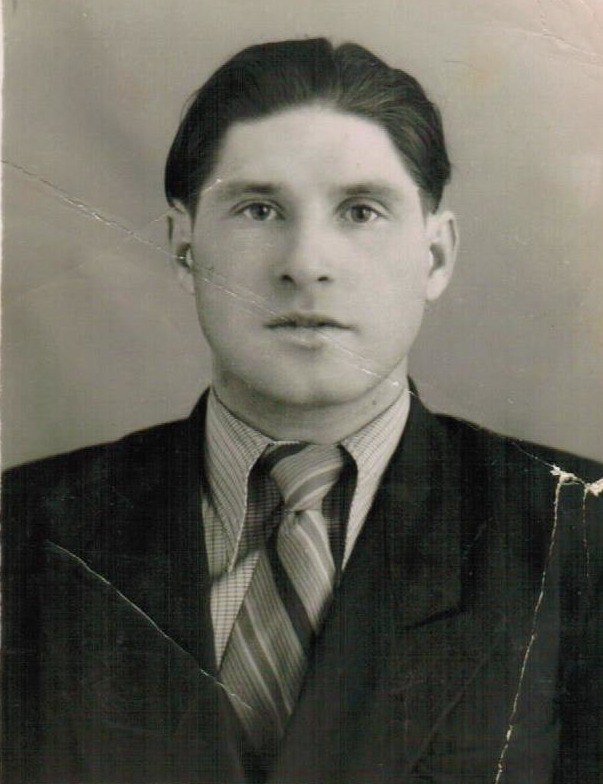
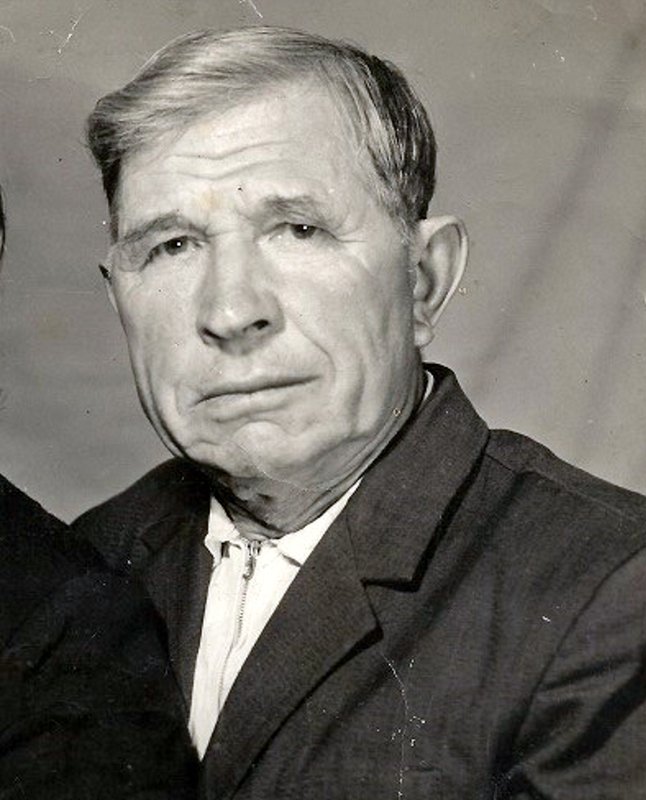
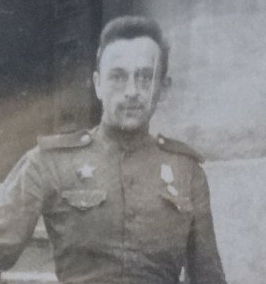
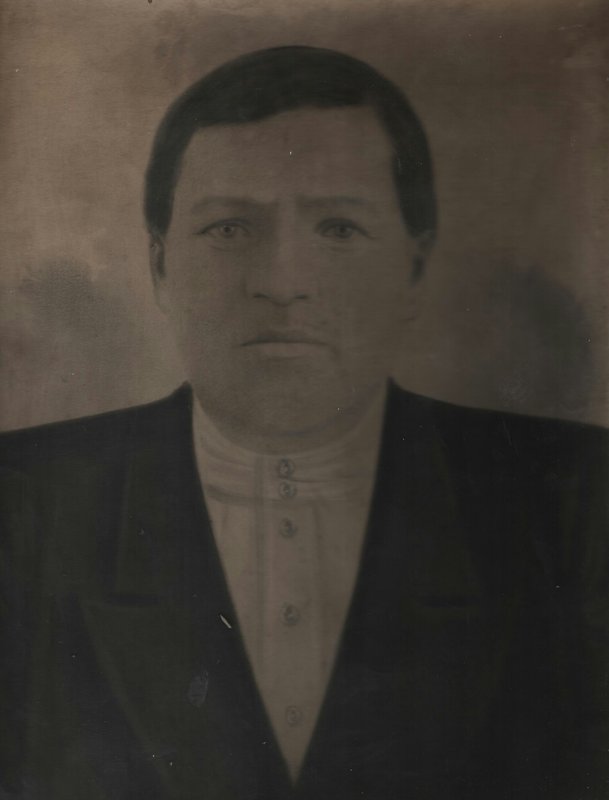
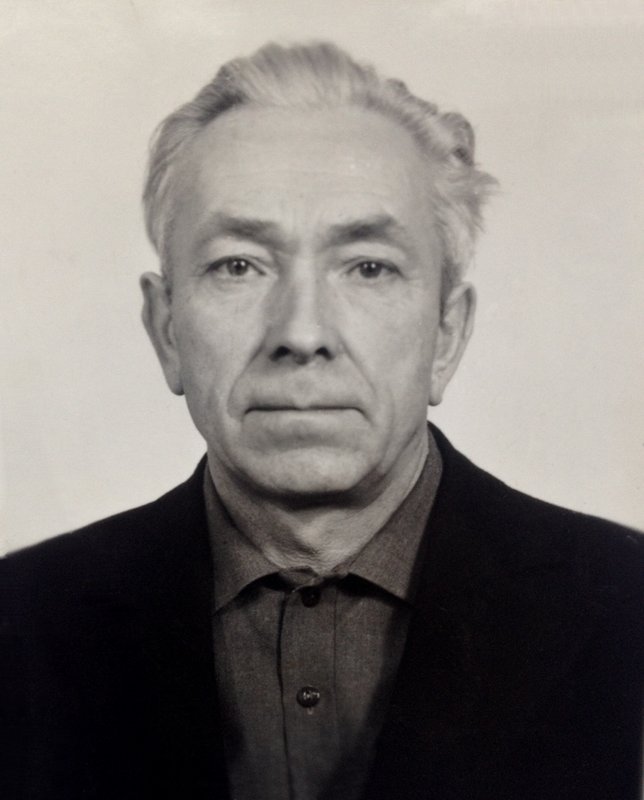
Revenko Pavel Nikitovich
Revenko Pavel Nikitovich_x000D_
_x000D_
Rank: Major military Branch: Land forces, air force (except naval aviation), coast service, NKVD troops, border guards. He was born in the village of Chizhovka, former Kiev, current Cherkasy region. As a 14-year-old boy, he worked in the Stoker's mine in Gorlovka. He graduated from the Leningrad school of communications of Lensoveta (1936-1939). He fought on the Karelian isthmus in 1940. On June 22, 1941, it was part of the South-Western front: the 6th army, the 8th Panzer division, and the 8th reconnaissance battalion. The army waged a defensive battle North-West of the city. He was coming out of the encirclement near Uman. He was injured. As a company commander, he fought on the Stalingrad front: 64th army (May 1, 1943, 64th army was transformed into the 7th guard’s army). At the end of November 1942, when the troops of the Stalingrad front went on the offensive, he was very seriously wounded. He was treated for six months. On June 25, 1943, he was appointed chief of staff of the 688th separate communications battalion of the 54th rifle corps. In this battalion and corps, in the same position remained until the end of the war. Only the names of the corps and fronts changed: 25.06.1943 – 1.10.1943 – 688 separate communications battalion 54 rifle corps, 51 army, Southern front (second formation). During the winter offensive of the Red Army in 1943, my father participated in the Rostov operation, as a result of which the front troops advanced 300-500 km, liberated Rostov and reached the Mius river. He took part in the Donbass strategic operation in 1943. then the front troops conducted the Melitopol operation, liberated the Donbass, and broke through the southern section of the enemy's Eastern rampart on the river Molochnaya, went to the lower reaches of the Dnieper and the Crimean isthmus, captured a bridgehead on the southern Bank of the Sivash and blocked the Crimean enemy group from the land. On October 20, 1943, the front was renamed the 4th Ukranian front based on the Directive of the Stavka of the VGK of October 16, 1943. During the offensive in October - November 1943, the front troops reached the lower reaches of the Dnieper, the Perekop isthmus. In February 1944, the front's formations in cooperation with the 3rd Ukrainian front eliminated the enemy's Nikopol bridgehead on the Dnieper. In April - May 1944, the front's troops, in cooperation with the separate Primorye army, the Black sea fleet and the Azov military flotilla, liberated Crimea. 1.06.1944 – 25.03.1945 – 688 in February-March 1944, the 1st Baltic front troops, in cooperation with the Western front troops, launched an offensive near Vitebsk and, having broken through the enemy's defenses, improved their position in the Vitebsk direction. On 23 June, in cooperation with the troops of the 3rd Belorussian front, they defeated the left wing of the German army group Center in the khodeviteb-Orsha operation, reached the approaches to Polotsk and, developing success, conducted the Polotsk operation without an operational pause. After defeating the Polotsk group of German troops, they advanced 120-160 km with their left wing and created favorable conditions for the development of the offensive on Daugavpils and Siauliai. In July the troops of the front during the Siauliai operation defeated panebianco-šiauliai grouping. At Siauliai, the battalion headquarters was surrounded. They fought their way through. In January-February 1945, the front part of the forces participated in the East Prussian strategic operation, helping the 3rd Belorussian front in the defeat of the enemy's Tilsit group. At the same time, in late January, the 4th shock army, in cooperation with the marine corps, artillery and aviation units of the Baltic fleet, eliminated the enemy's Memel bridgehead and liberated Memel on January 28. In early February 1945 the front's troops, together with the 3rd Belorussian front, were assigned the task of eliminating the enemy's East Prussian grouping pressed to the sea on the Zemland Peninsula and in the area of Konigsberg (Kaliningrad). On February 24, 1945, based on the Directive of the Stavka of the VGK of February 21, 1945, the front was abolished, and its troops, transformed into the Zemland operational group of troops, were included in the 3rd Belorussian front. 25.03.1945 - 25.04.1945 – 688 otd. communications battalion 54 p. KONIGSBERG corps, 51 army, 3rd BELORUSSIAN front in cooperation with the 2nd Belorussian front, they broke through the deep-echeloned defense, advanced to a depth of 70-130 km, reached the approaches to Konigsberg and blocked the East Prussian enemy group, and then (March 13-29) eliminated it and reached The frisches Haff Bay. From 6 to 9 April, the front troops conducted the Konigsberg operation, as a result of which they captured the fortress and the city of Konigsberg. On April 25, having completed the elimination of the zemland group of enemy troops, they captured the port and the city of Pillau (Baltiysk). On August 15, 1945, the front was disbanded on the basis of the order of the NKO of the USSR of July 9, 1945.
Revenko Pavel Nikitovich
Revenko Pavel Nikitovich_x000D_
_x000D_
Rank: Major military Branch: Land forces, air force (except naval aviation), coast service, NKVD troops, border guards. He was born in the village of Chizhovka, former Kiev, current Cherkasy region. As a 14-year-old boy, he worked in the Stoker's mine in Gorlovka. He graduated from the Leningrad school of communications of Lensoveta (1936-1939). He fought on the Karelian isthmus in 1940. On June 22, 1941, it was part of the South-Western front: the 6th army, the 8th Panzer division, and the 8th reconnaissance battalion. The army waged a defensive battle North-West of the city. He was coming out of the encirclement near Uman. He was injured. As a company commander, he fought on the Stalingrad front: 64th army (May 1, 1943, 64th army was transformed into the 7th guard’s army). At the end of November 1942, when the troops of the Stalingrad front went on the offensive, he was very seriously wounded. He was treated for six months. On June 25, 1943, he was appointed chief of staff of the 688th separate communications battalion of the 54th rifle corps. In this battalion and corps, in the same position remained until the end of the war. Only the names of the corps and fronts changed: 25.06.1943 – 1.10.1943 – 688 separate communications battalion 54 rifle corps, 51 army, Southern front (second formation). During the winter offensive of the Red Army in 1943, my father participated in the Rostov operation, as a result of which the front troops advanced 300-500 km, liberated Rostov and reached the Mius river. He took part in the Donbass strategic operation in 1943. then the front troops conducted the Melitopol operation, liberated the Donbass, and broke through the southern section of the enemy's Eastern rampart on the river Molochnaya, went to the lower reaches of the Dnieper and the Crimean isthmus, captured a bridgehead on the southern Bank of the Sivash and blocked the Crimean enemy group from the land. On October 20, 1943, the front was renamed the 4th Ukranian front based on the Directive of the Stavka of the VGK of October 16, 1943. During the offensive in October - November 1943, the front troops reached the lower reaches of the Dnieper, the Perekop isthmus. In February 1944, the front's formations in cooperation with the 3rd Ukrainian front eliminated the enemy's Nikopol bridgehead on the Dnieper. In April - May 1944, the front's troops, in cooperation with the separate Primorye army, the Black sea fleet and the Azov military flotilla, liberated Crimea. 1.06.1944 – 25.03.1945 – 688 in February-March 1944, the 1st Baltic front troops, in cooperation with the Western front troops, launched an offensive near Vitebsk and, having broken through the enemy's defenses, improved their position in the Vitebsk direction. On 23 June, in cooperation with the troops of the 3rd Belorussian front, they defeated the left wing of the German army group Center in the khodeviteb-Orsha operation, reached the approaches to Polotsk and, developing success, conducted the Polotsk operation without an operational pause. After defeating the Polotsk group of German troops, they advanced 120-160 km with their left wing and created favorable conditions for the development of the offensive on Daugavpils and Siauliai. In July the troops of the front during the Siauliai operation defeated panebianco-šiauliai grouping. At Siauliai, the battalion headquarters was surrounded. They fought their way through. In January-February 1945, the front part of the forces participated in the East Prussian strategic operation, helping the 3rd Belorussian front in the defeat of the enemy's Tilsit group. At the same time, in late January, the 4th shock army, in cooperation with the marine corps, artillery and aviation units of the Baltic fleet, eliminated the enemy's Memel bridgehead and liberated Memel on January 28. In early February 1945 the front's troops, together with the 3rd Belorussian front, were assigned the task of eliminating the enemy's East Prussian grouping pressed to the sea on the Zemland Peninsula and in the area of Konigsberg (Kaliningrad). On February 24, 1945, based on the Directive of the Stavka of the VGK of February 21, 1945, the front was abolished, and its troops, transformed into the Zemland operational group of troops, were included in the 3rd Belorussian front. 25.03.1945 - 25.04.1945 – 688 otd. communications battalion 54 p. KONIGSBERG corps, 51 army, 3rd BELORUSSIAN front in cooperation with the 2nd Belorussian front, they broke through the deep-echeloned defense, advanced to a depth of 70-130 km, reached the approaches to Konigsberg and blocked the East Prussian enemy group, and then (March 13-29) eliminated it and reached The frisches Haff Bay. From 6 to 9 April, the front troops conducted the Konigsberg operation, as a result of which they captured the fortress and the city of Konigsberg. On April 25, having completed the elimination of the zemland group of enemy troops, they captured the port and the city of Pillau (Baltiysk). On August 15, 1945, the front was disbanded on the basis of the order of the NKO of the USSR of July 9, 1945.
0 comment




2026 © Russian Military Historical Society Developed by Jetmix