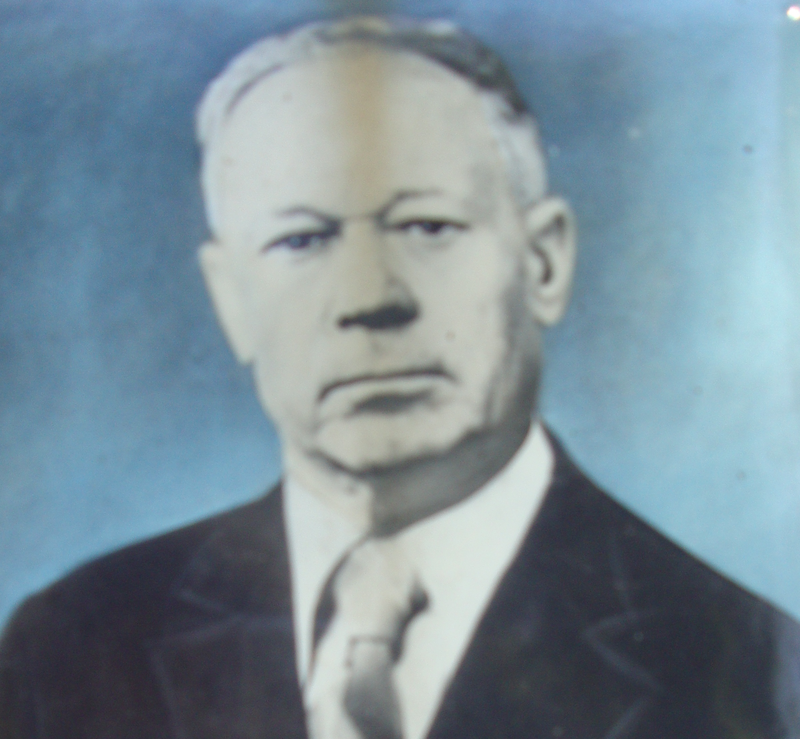
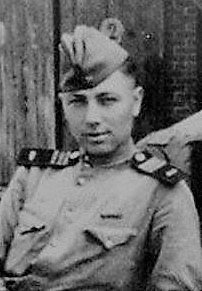

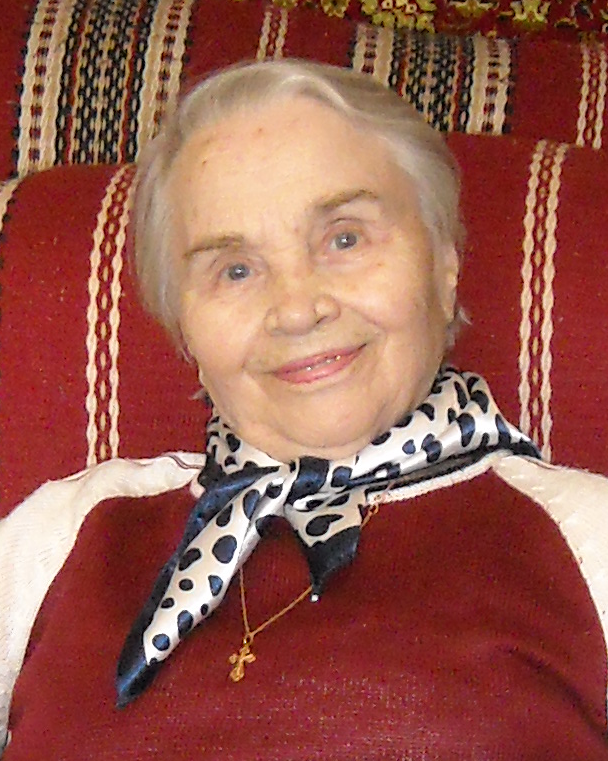

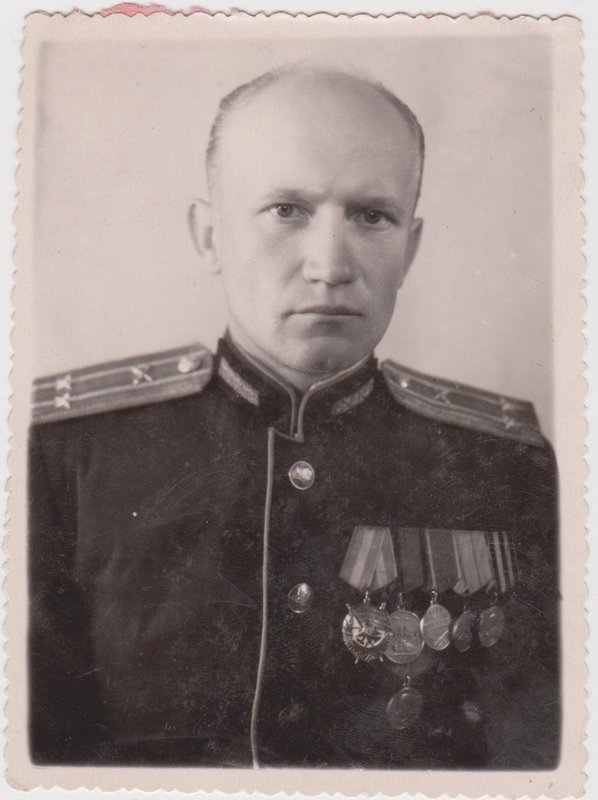

Khatlamadzhiyan Khachik Markarovich
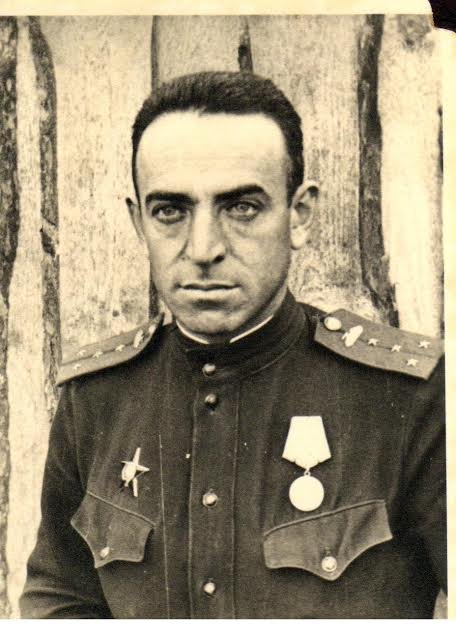
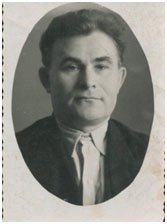
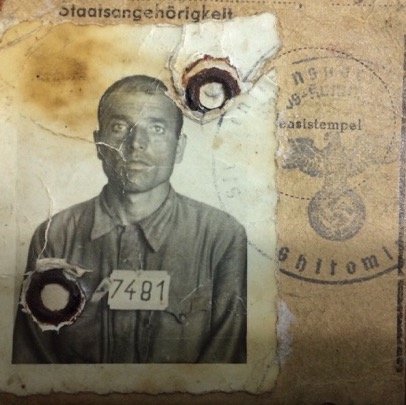
Rank: Senior Lieutenant. Was born in 1906 in the village. Chaltyr, Myasnikovsky district, Rostov region. In 1920 he graduated from high school and enrolled in accounting courses. In 1929, with his older brothers Aharon and Hovhannes, he moved to the Leninavan farm, Myasnikovsky district, where the “Wave of revolution” collective farm was organized. He worked as an accountant, was a member of the collective farm board, and after joining the party was elected instructor of the district party committee in the village. Chaltyr. In 1930, his son Ashot was born. In 1936, daughter Clara was born. In 1937 he was sent to the city of Novorossiysk for advanced training courses. In 1938 he graduated from the Institute of Mass Correspondence Education of the Party Active under the Central Committee of the All-Union Communist Party of Bolsheviks in the city of Rostov-on-Don. He was repeatedly called up for military training and retraining courses, and after completing the course of political workers he received the rank of lieutenant. In 1940, his son Markar was born. In 1941, after the start of the Great Patriotic War, he supervised the evacuation of the property of the Volna Revolutsii collective farm to the village of Kievka, Remontnensky district, Rostov region. On November 21st, German troops captured the city of Rostov-on-Don, but the city was liberated by the Red Army's counteroffensive on November 29th. After the expulsion of the Germans, the evacuees returned back to the collective farm. In 1942, daughter Mariam was born. In early May 1942, they brought the conscription agenda, and the army. Subsequently, the wife of Pirap recalled. When he received a summons, took off his cap, hit the ground with force and said: “Where should I go now? Leave four children on you? How is it possible, the mind is incomprehensible. " At that time, for all honest people, the defense of the Motherland was considered a sacred duty. His elder brothers Aharon and Hovhannes were already at the front. Aharon was a sniper and was in a military unit stationed north of Stalingrad, and Ovanes was in a motorized rifle regiment in Crimea. In May 1942 he was drafted into the Red Army and sent to Stalingrad, where, after completing his command courses, he was promoted to senior lieutenant. Participated in the Battle of Stalingrad as part of the 8th Guards Army. He was a political instructor. After the encirclement and defeat of German troops at Stalingrad, the military unit in which he served, was redeployed to the Voronezh region. Participated in the Battle of the Kursk Bulge. After the victory at the Kursk Bulge and the liberation of Kursk, and then Kharkov, he was sent to the Voroshilovgrad region, where the German command managed to develop an offensive in the direction of the Seversky Donets. At the borders of the Seversky Donets, the enemy was stopped in heavy battles, despite the fact that the German troops were replenished with selected units. The 8th Guards Army, which was ordered to strike to liberate the Donetsk region, took up a defensive line along the Seversky Donets. Using a respite during the defense, the command of the 8th Guards Army developed a plan and prepared an offensive to liberate the Donetsk region. From 8 to 23 August 1943, a successful offensive of the Red Army was carried out to liberate the Donetsk region. In a letter dated August 25, 1943, he writes: “... on August 23, in the morning at 8 o'clock, during the offensive he was wounded, in a row for the third time. The bullet hit the neck, entered on one side and exited on the other. I am in the hospital for treatment. " In a letter dated September 4, 1943, he writes: “... the wound has closed and again I am at the front. I don't write about the news, because every day you hear about the successes of the Red Army. " In a letter dated September 7, 1943 (the last letter) he writes: "... they gave out a good paper and decided to report once again that he quickly recovered from the wound he received, is alive and well, I am at the front." During the war years, the post office worked irregularly. Often, letters from the front were delayed and did not arrive sequentially, but several letters together. It was even more difficult with the reply letters, since the front was continuously moving forward, the location of the military units was changing, and their numbers also changed. The letters written from Kursk, where he mentioned awards and the next increase in military rank, have not survived. On the 7th of September I wrote a letter, and on the 8th I was wounded in battle, for the fourth time in a row, and what happened after that is not known, there were no more letters. In 1944, a request was made to the Main Personnel Directorate of People’s Commissariat. The answer was received: To your N GUK-4/081244 dated December 8, 1944, I inform you that military unit Khatlamadzhiev Khachik Markarovich served in military unit 59353. On September 8, 1943, he was wounded in battle and was evacuated to a hospital for treatment. His further fate is unknown to me. Chief of Staff of military unit 59353 Guards. major / Dudko /. 2.6.1992 Archive of military medical documents (Leningrad) informs: In the general registration of (incomplete) wounded, sick and dead in medical institutions of the Soviet Army during the Great Patriotic War of 1941-1945, information about Khatlamadzhiev Khachik Markarovich is not available. Head of the 3rd department, department / Martynyuk.
Khatlamadzhiyan Khachik Markarovich
Rank: Senior Lieutenant. Was born in 1906 in the village. Chaltyr, Myasnikovsky district, Rostov region. In 1920 he graduated from high school and enrolled in accounting courses. In 1929, with his older brothers Aharon and Hovhannes, he moved to the Leninavan farm, Myasnikovsky district, where the “Wave of revolution” collective farm was organized. He worked as an accountant, was a member of the collective farm board, and after joining the party was elected instructor of the district party committee in the village. Chaltyr. In 1930, his son Ashot was born. In 1936, daughter Clara was born. In 1937 he was sent to the city of Novorossiysk for advanced training courses. In 1938 he graduated from the Institute of Mass Correspondence Education of the Party Active under the Central Committee of the All-Union Communist Party of Bolsheviks in the city of Rostov-on-Don. He was repeatedly called up for military training and retraining courses, and after completing the course of political workers he received the rank of lieutenant. In 1940, his son Markar was born. In 1941, after the start of the Great Patriotic War, he supervised the evacuation of the property of the Volna Revolutsii collective farm to the village of Kievka, Remontnensky district, Rostov region. On November 21st, German troops captured the city of Rostov-on-Don, but the city was liberated by the Red Army's counteroffensive on November 29th. After the expulsion of the Germans, the evacuees returned back to the collective farm. In 1942, daughter Mariam was born. In early May 1942, they brought the conscription agenda, and the army. Subsequently, the wife of Pirap recalled. When he received a summons, took off his cap, hit the ground with force and said: “Where should I go now? Leave four children on you? How is it possible, the mind is incomprehensible. " At that time, for all honest people, the defense of the Motherland was considered a sacred duty. His elder brothers Aharon and Hovhannes were already at the front. Aharon was a sniper and was in a military unit stationed north of Stalingrad, and Ovanes was in a motorized rifle regiment in Crimea. In May 1942 he was drafted into the Red Army and sent to Stalingrad, where, after completing his command courses, he was promoted to senior lieutenant. Participated in the Battle of Stalingrad as part of the 8th Guards Army. He was a political instructor. After the encirclement and defeat of German troops at Stalingrad, the military unit in which he served, was redeployed to the Voronezh region. Participated in the Battle of the Kursk Bulge. After the victory at the Kursk Bulge and the liberation of Kursk, and then Kharkov, he was sent to the Voroshilovgrad region, where the German command managed to develop an offensive in the direction of the Seversky Donets. At the borders of the Seversky Donets, the enemy was stopped in heavy battles, despite the fact that the German troops were replenished with selected units. The 8th Guards Army, which was ordered to strike to liberate the Donetsk region, took up a defensive line along the Seversky Donets. Using a respite during the defense, the command of the 8th Guards Army developed a plan and prepared an offensive to liberate the Donetsk region. From 8 to 23 August 1943, a successful offensive of the Red Army was carried out to liberate the Donetsk region. In a letter dated August 25, 1943, he writes: “... on August 23, in the morning at 8 o'clock, during the offensive he was wounded, in a row for the third time. The bullet hit the neck, entered on one side and exited on the other. I am in the hospital for treatment. " In a letter dated September 4, 1943, he writes: “... the wound has closed and again I am at the front. I don't write about the news, because every day you hear about the successes of the Red Army. " In a letter dated September 7, 1943 (the last letter) he writes: "... they gave out a good paper and decided to report once again that he quickly recovered from the wound he received, is alive and well, I am at the front." During the war years, the post office worked irregularly. Often, letters from the front were delayed and did not arrive sequentially, but several letters together. It was even more difficult with the reply letters, since the front was continuously moving forward, the location of the military units was changing, and their numbers also changed. The letters written from Kursk, where he mentioned awards and the next increase in military rank, have not survived. On the 7th of September I wrote a letter, and on the 8th I was wounded in battle, for the fourth time in a row, and what happened after that is not known, there were no more letters. In 1944, a request was made to the Main Personnel Directorate of People’s Commissariat. The answer was received: To your N GUK-4/081244 dated December 8, 1944, I inform you that military unit Khatlamadzhiev Khachik Markarovich served in military unit 59353. On September 8, 1943, he was wounded in battle and was evacuated to a hospital for treatment. His further fate is unknown to me. Chief of Staff of military unit 59353 Guards. major / Dudko /. 2.6.1992 Archive of military medical documents (Leningrad) informs: In the general registration of (incomplete) wounded, sick and dead in medical institutions of the Soviet Army during the Great Patriotic War of 1941-1945, information about Khatlamadzhiev Khachik Markarovich is not available. Head of the 3rd department, department / Martynyuk.
0 comment



2026 © Russian Military Historical Society Developed by Jetmix