

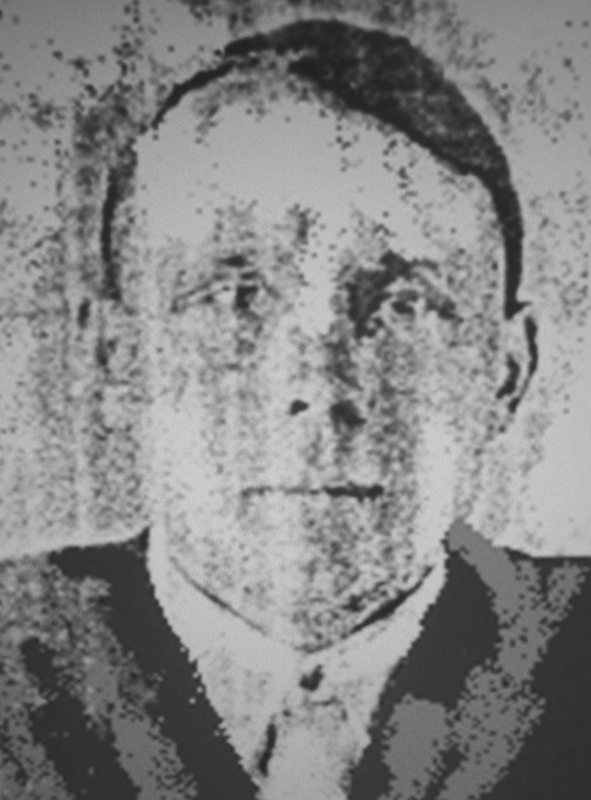

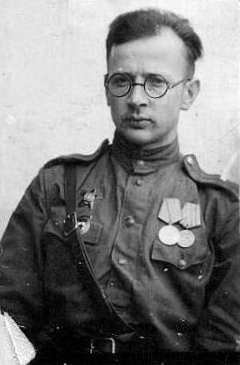


Khokhlov Alexander Vladimirovich
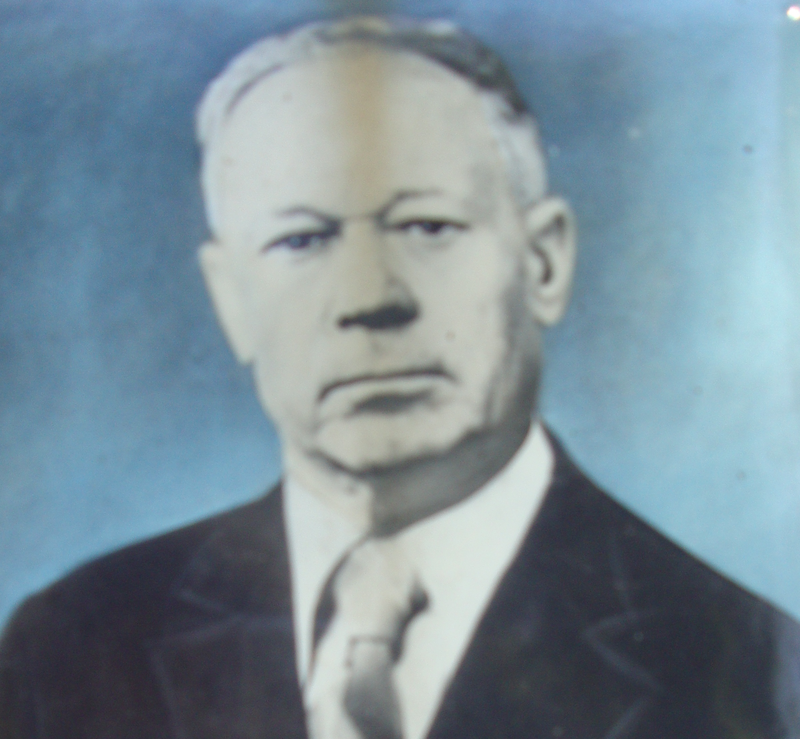
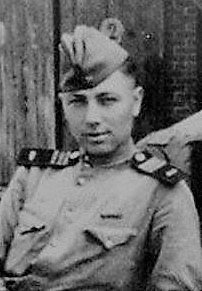
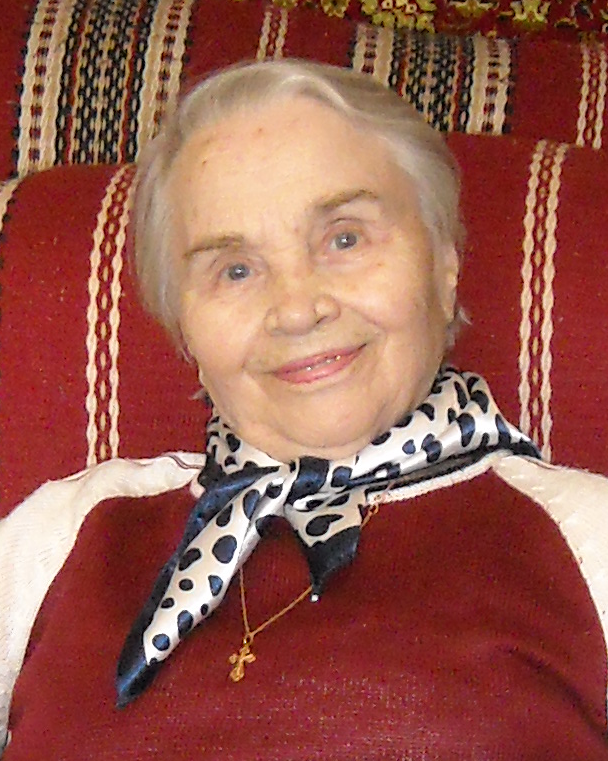
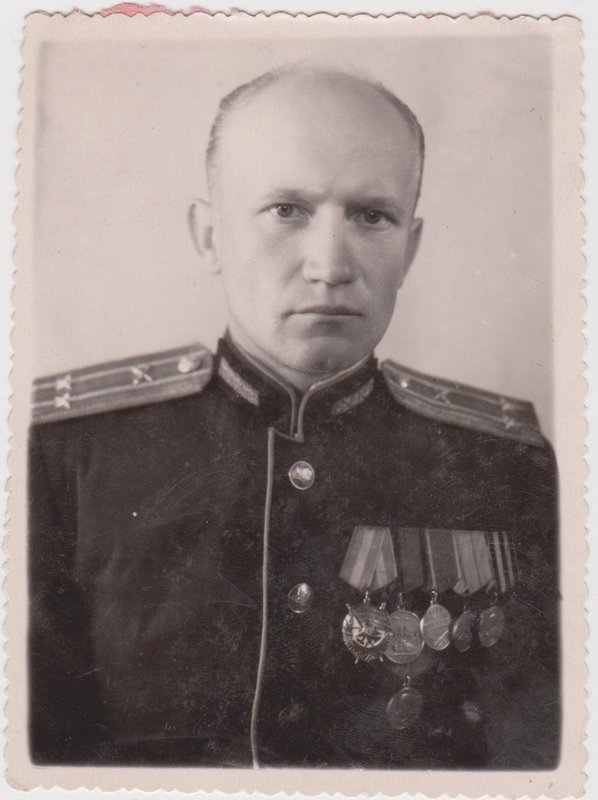
Rank: Corporal. Type of troops: Ground Forces, Air Force (except naval aviation), coastal service, NKVD troops, border troops. My grandfather Alexander Vladimirovich Khokhlov was born in the city of Vyazma, Smolensk province on August 15, 1908. His mother, Matrona, died in childbirth. First, he was taken up by his grandfather, the mother's father, who lived in the village. It was a short, happy time in his childhood. But when the child grew up, the father took him to his city. The family lived very poorly: the father married a second time, 3 more children were born, the stepmother did not love Sasha. He was sent to beg from home, to ask for bread. Good people gave bread, but it happened that the dogs attacked, and some people beat. And most of what he collects, the stepmother took away the younger children. Then Alexander was given "to the people", he served in a wealthy family, where the attitude towards him was also far from good. Alexander felt freer after the revolution - he became a Komsomol member, entered the teacher's institute. Before the war, Alexander Vladimirovich Khokhlov worked as a history teacher in a rural school in the Smolensk region, was the head teacher. During the German occupation, on a false denunciation (that he was a communist), he was sentenced to death, but when the Germans were already leading to execution, local residents stood up for him and asked the German officer to check his documents. He checked his passport, canceled the shooting, ordered to send him to a concentration camp for civilians. Together with another teacher A.V. Khokhlov planned his escape. The wire in the camp was still without current. The escape was a success. The concentration camp was in the Smolensk region, my grandfather managed to come to his village. Here he built a dugout in the forest, in which he hid during the day, and at night he came home to the children (2 daughters and a son, his wife died before the war), the woman who took care of the children also fed him. In March 1943, when the front approached Vyazma, the grandfather took the children to the forest. The youngest daughter asked for a drink, and he was afraid that the Germans would hear, he melted the snow. And then I heard Russian speech - our soldiers came. Alexander jumped out to them and began to hug: “Brothers! Relatives! Come! I'm hiding here with the children. " The children were sent to an orphanage in the Kirov region, and their grandfather was drafted into the Red Army (Semelevsky district military enlistment office). A.V. Khokhlov went from Vyazma to Berlin in the 33rd army, which from 1944 was part of the 1st Belorussian Front. At first he was a telephone operator, and then, after training, he became a radio-telegraph operator. Participated in the Berlin operation. In April 1945 Khokhlov saw a German officer at close range. The German fired the pistol first, but missed. And the grandfather from the PPSh was accurate. The officer turned out to be a staff officer, with important documents in the tablet, which helped our army in conducting an offensive operation. Grandfather was awarded for this. Alexander Khokhlov received his first wound on the night of February 23-24, 1945. April 24, 1945 A.V. Khokhlov kept in touch during the battle being wounded. For this feat he was awarded the Order of Glory III degree (4.06.1945). A.V. Khokhlov was mobilized only in 1946. Echelons with Soviet soldiers passed through Hungary. Grandfather was riding in the second, and the first was blown up. He and other soldiers were ordered to clear paths. In 1946 A.V. Khokhlov first arrived in the Smolensk region, but there he saw only ruins and went to the Kirov region, where there were children. He stayed in the village of Semyonovskoye, Shabalinsky District, began to work again as a history teacher at school, married a Russian language teacher Nina Aleksandrovna Petropavlovskaya, and two more daughters were born. After retiring, he worked part-time. Somewhere in the late 70s, while on duty in the boiler room, A.V. got under a current of 380 V, but a man who entered soon turned off the voltage and saved his grandfather. But health was seriously undermined - the heart muscle was damaged, a heart attack, and he received no treatment. In 1980 A.V. Khokhlov moved to the city of Pushchino, Moscow Region, to his daughter. Here he stitched his last years. In 1985 he celebrated the 40th anniversary of the Victory in Pushchino. In July 1985 he died of a second heart attack at the age of 77.
Khokhlov Alexander Vladimirovich
Rank: Corporal. Type of troops: Ground Forces, Air Force (except naval aviation), coastal service, NKVD troops, border troops. My grandfather Alexander Vladimirovich Khokhlov was born in the city of Vyazma, Smolensk province on August 15, 1908. His mother, Matrona, died in childbirth. First, he was taken up by his grandfather, the mother's father, who lived in the village. It was a short, happy time in his childhood. But when the child grew up, the father took him to his city. The family lived very poorly: the father married a second time, 3 more children were born, the stepmother did not love Sasha. He was sent to beg from home, to ask for bread. Good people gave bread, but it happened that the dogs attacked, and some people beat. And most of what he collects, the stepmother took away the younger children. Then Alexander was given "to the people", he served in a wealthy family, where the attitude towards him was also far from good. Alexander felt freer after the revolution - he became a Komsomol member, entered the teacher's institute. Before the war, Alexander Vladimirovich Khokhlov worked as a history teacher in a rural school in the Smolensk region, was the head teacher. During the German occupation, on a false denunciation (that he was a communist), he was sentenced to death, but when the Germans were already leading to execution, local residents stood up for him and asked the German officer to check his documents. He checked his passport, canceled the shooting, ordered to send him to a concentration camp for civilians. Together with another teacher A.V. Khokhlov planned his escape. The wire in the camp was still without current. The escape was a success. The concentration camp was in the Smolensk region, my grandfather managed to come to his village. Here he built a dugout in the forest, in which he hid during the day, and at night he came home to the children (2 daughters and a son, his wife died before the war), the woman who took care of the children also fed him. In March 1943, when the front approached Vyazma, the grandfather took the children to the forest. The youngest daughter asked for a drink, and he was afraid that the Germans would hear, he melted the snow. And then I heard Russian speech - our soldiers came. Alexander jumped out to them and began to hug: “Brothers! Relatives! Come! I'm hiding here with the children. " The children were sent to an orphanage in the Kirov region, and their grandfather was drafted into the Red Army (Semelevsky district military enlistment office). A.V. Khokhlov went from Vyazma to Berlin in the 33rd army, which from 1944 was part of the 1st Belorussian Front. At first he was a telephone operator, and then, after training, he became a radio-telegraph operator. Participated in the Berlin operation. In April 1945 Khokhlov saw a German officer at close range. The German fired the pistol first, but missed. And the grandfather from the PPSh was accurate. The officer turned out to be a staff officer, with important documents in the tablet, which helped our army in conducting an offensive operation. Grandfather was awarded for this. Alexander Khokhlov received his first wound on the night of February 23-24, 1945. April 24, 1945 A.V. Khokhlov kept in touch during the battle being wounded. For this feat he was awarded the Order of Glory III degree (4.06.1945). A.V. Khokhlov was mobilized only in 1946. Echelons with Soviet soldiers passed through Hungary. Grandfather was riding in the second, and the first was blown up. He and other soldiers were ordered to clear paths. In 1946 A.V. Khokhlov first arrived in the Smolensk region, but there he saw only ruins and went to the Kirov region, where there were children. He stayed in the village of Semyonovskoye, Shabalinsky District, began to work again as a history teacher at school, married a Russian language teacher Nina Aleksandrovna Petropavlovskaya, and two more daughters were born. After retiring, he worked part-time. Somewhere in the late 70s, while on duty in the boiler room, A.V. got under a current of 380 V, but a man who entered soon turned off the voltage and saved his grandfather. But health was seriously undermined - the heart muscle was damaged, a heart attack, and he received no treatment. In 1980 A.V. Khokhlov moved to the city of Pushchino, Moscow Region, to his daughter. Here he stitched his last years. In 1985 he celebrated the 40th anniversary of the Victory in Pushchino. In July 1985 he died of a second heart attack at the age of 77.
0 comment




2026 © Russian Military Historical Society Developed by Jetmix