
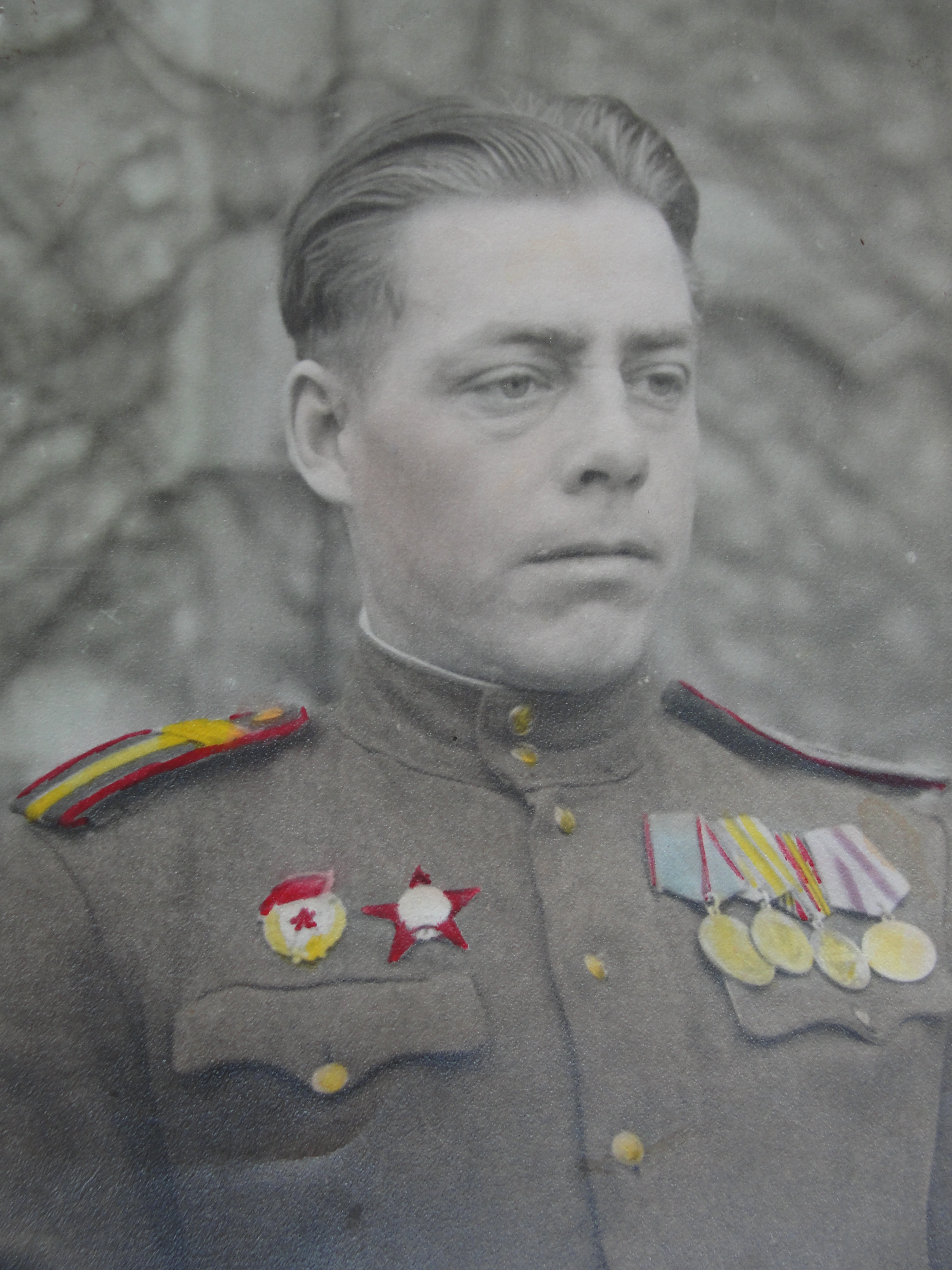
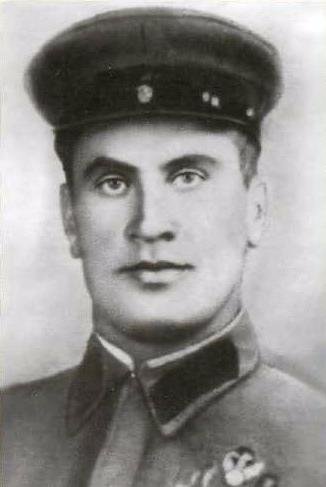
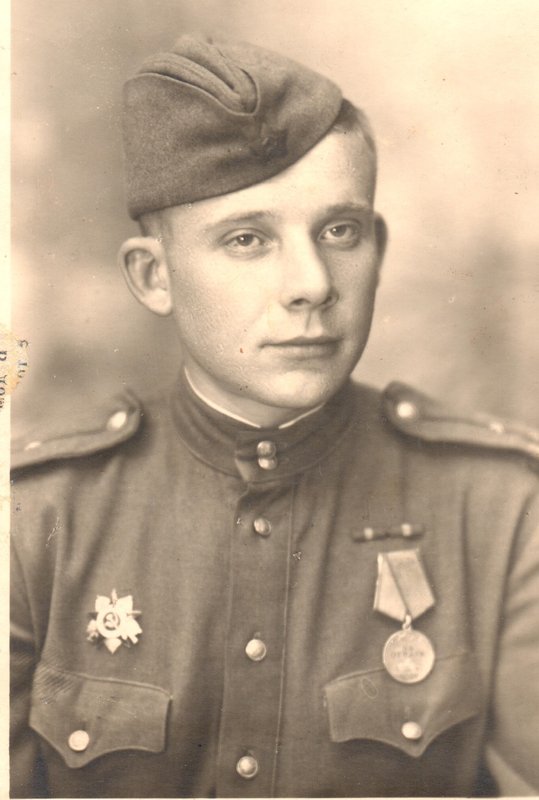
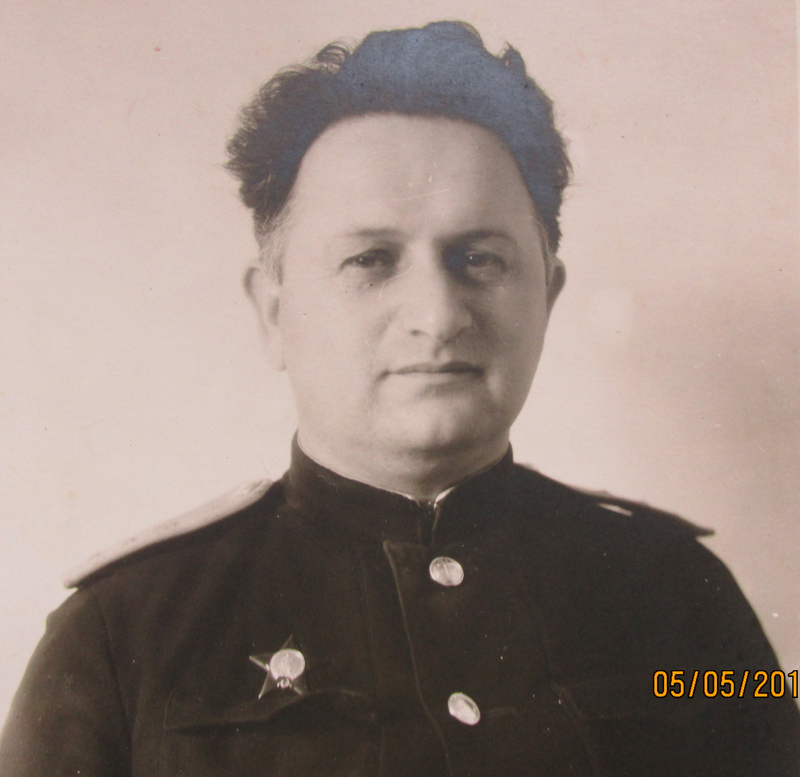

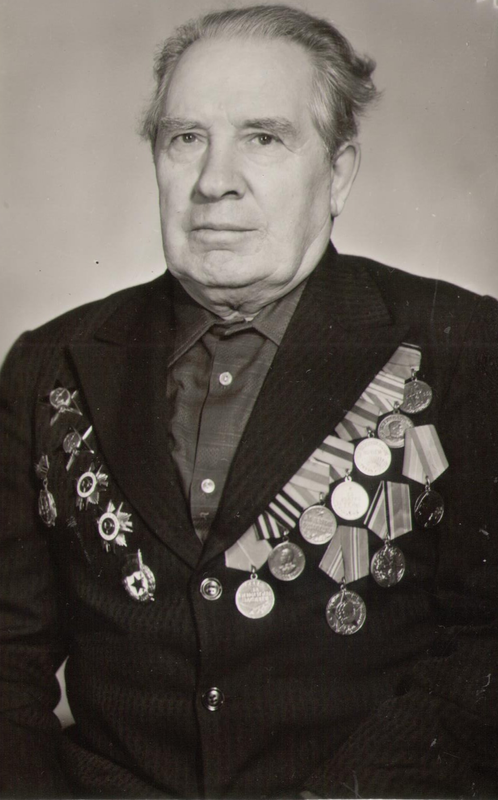


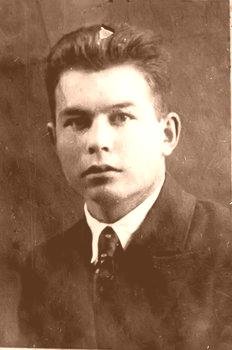
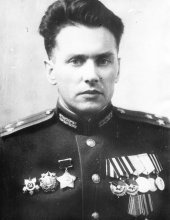
Holoshnya / Chernyavsky Grigory Silantievich
Rank: Colonel Branch: Ground Forces, Air Force (except naval aviation), coastal service, NKVD troops, border troops Subdivision: 63rd Infantry Division (1st formation) Before the war, from 1939 to 1941, he worked as a military engineer in the Far East; airfields in 41 built coastal batteries on the island of Osmusuar. In the fall of 41 he was evacuated to Kronstadt and until May 45. He fought in the 63rd Guards Division of the Leningrad Front. He ended the war as the commander of the 192nd Guards Regiment with the rank of colonel. In 46 he entered the General Staff Academy and worked at the district headquarters. Demobilized for health reasons. Then he worked as the head. Military Department Moscow Aviation Institute. The last 20 years of his life he worked as head. Educational part of Moscow State Automobile and Road Technical University. He died on May 9, 1981. Major Grigory Silantievich Kholoshnya commanded the 192nd regiment, replacing Yakov Ivanovich Kozhevnikov. Simonyak remembered him from August 1941, when our sailors brought the garrison of Osmusaar Island to Hanko. Lieutenant Kholoshnya was among the commanders. He did not look like a cadre. Introducing himself to the brigade commander, he raised his hand to the cap, sticking out his fingers awkwardly. The tunic hung like a sack over his shoulders. Glittering glasses covered his eyes. Simonyak then was surprised to learn that the youthful lieutenant had already graduated from the institute and was building fortifications on Osmusaar. Kholoshnya was sent to Kozhevnikov. Before our very eyes, he turned into a collected, strong-willed officer. He was transferred to the battalion headquarters, from there to the regiment headquarters. When Kozhevnikov was taken to the division, he said to Simonyak: - There is no need to look for a better person to command the regiment than Holoshnia. Big he is clever! In a difficult battle near Narva, Kholoshnya justified this assessment. And the regiment was well prepared for the upcoming operation. But just before the attack - such a nuisance. “Encourage him,” the corps commander said to Shcheglov. - Dyachenko has already gone there. The front edge of the hull was twelve to seventeen kilometers from the Sestra River. The river whimsically meandered through the hollows, among the dense forests. It is not very good, but it is difficult to cross: the banks are steep, the approaches are under fire. From the very beginning of the battle, when the corps troops rushed forward and in twenty minutes left behind four lines of enemy trenches, Simonyak's gaze, sliding across the map, more and more often stopped on the blue ribbon of the river. The corps commander mused today to step behind Sister, to seize the bridge, the village of Yappilya - that would be like a guard! Two divisions of the corps were advancing - the 45th and 63rd. 64th was in the second echelon. Cheerful reports came from Putilov and Shcheglov. The enemy is stunned, crushed by the blows of our artillery and aviation, by the friendly onslaught of the guards. The front commander called and inquired about how things were going. - Good. The Finns have not come to their senses yet. The regiments have already advanced four kilometers in places. "Don't our planes bomb you anymore?" - No. Fortunately, they scared more than they hurt. The red arrows on the corps commander's map were moving away from the former leading edge every hour. In the forests, near the lake defiles, at the crossroads, fleeting fights and sometimes violent battles took place. Guardsmen overturned enemy screens and rushed forward. Their actions were influenced by the great school of war, the experience gained in the battles of breaking through the multi-lane defense. Of the divisions, they only reported on the lines reached, occupied by the regiments of strong points. But what was behind the mean words of encrypted messages? The radio wave brought the commander of the 192nd regiment the broken voice of the battalion commander Petrov: - I am at the height - Do not linger. I follow. Kholoshnya, adjusting his glasses, named the place of his new command post - Zabolotye. The village with this name was occupied by the company of Captain Lvov. After being seriously wounded near Pulkovo, Alexei Lvov spent a long time in the hospital. He returned to the regiment before the battles. And again he led his submachine gunners forward. The company overtook the rifle lines, rounded the Zabolotye in the forest, attacked the Finns from the flank. Petty Officer Ivan Isaichev, a veteran of the regiment, a Khank sniper, suddenly appeared in their rear with his platoon. The hostile garrison was almost completely destroyed. The submachine gunners captured three heavy guns. - What to do with the prisoners? - Lvov asked. - Hold, I'll be there soon, - the regiment commander answered. Kholoshnya did not stay long in Zabolotye. I looked at the first prisoners and found out which division they were from. Finnish soldiers glanced sideways at the Soviet soldiers and officers, they had not yet come to their senses from the experience, as one of them said, - Send to the division headquarters, - Kholoshnya ordered the company commander to Lvov. -Come forward to the Sister! Overtake Petrov. Streshinsky MP "General Simonyak"
Holoshnya / Chernyavsky Grigory Silantievich
Rank: Colonel Branch: Ground Forces, Air Force (except naval aviation), coastal service, NKVD troops, border troops Subdivision: 63rd Infantry Division (1st formation) Before the war, from 1939 to 1941, he worked as a military engineer in the Far East; airfields in 41 built coastal batteries on the island of Osmusuar. In the fall of 41 he was evacuated to Kronstadt and until May 45. He fought in the 63rd Guards Division of the Leningrad Front. He ended the war as the commander of the 192nd Guards Regiment with the rank of colonel. In 46 he entered the General Staff Academy and worked at the district headquarters. Demobilized for health reasons. Then he worked as the head. Military Department Moscow Aviation Institute. The last 20 years of his life he worked as head. Educational part of Moscow State Automobile and Road Technical University. He died on May 9, 1981. Major Grigory Silantievich Kholoshnya commanded the 192nd regiment, replacing Yakov Ivanovich Kozhevnikov. Simonyak remembered him from August 1941, when our sailors brought the garrison of Osmusaar Island to Hanko. Lieutenant Kholoshnya was among the commanders. He did not look like a cadre. Introducing himself to the brigade commander, he raised his hand to the cap, sticking out his fingers awkwardly. The tunic hung like a sack over his shoulders. Glittering glasses covered his eyes. Simonyak then was surprised to learn that the youthful lieutenant had already graduated from the institute and was building fortifications on Osmusaar. Kholoshnya was sent to Kozhevnikov. Before our very eyes, he turned into a collected, strong-willed officer. He was transferred to the battalion headquarters, from there to the regiment headquarters. When Kozhevnikov was taken to the division, he said to Simonyak: - There is no need to look for a better person to command the regiment than Holoshnia. Big he is clever! In a difficult battle near Narva, Kholoshnya justified this assessment. And the regiment was well prepared for the upcoming operation. But just before the attack - such a nuisance. “Encourage him,” the corps commander said to Shcheglov. - Dyachenko has already gone there. The front edge of the hull was twelve to seventeen kilometers from the Sestra River. The river whimsically meandered through the hollows, among the dense forests. It is not very good, but it is difficult to cross: the banks are steep, the approaches are under fire. From the very beginning of the battle, when the corps troops rushed forward and in twenty minutes left behind four lines of enemy trenches, Simonyak's gaze, sliding across the map, more and more often stopped on the blue ribbon of the river. The corps commander mused today to step behind Sister, to seize the bridge, the village of Yappilya - that would be like a guard! Two divisions of the corps were advancing - the 45th and 63rd. 64th was in the second echelon. Cheerful reports came from Putilov and Shcheglov. The enemy is stunned, crushed by the blows of our artillery and aviation, by the friendly onslaught of the guards. The front commander called and inquired about how things were going. - Good. The Finns have not come to their senses yet. The regiments have already advanced four kilometers in places. "Don't our planes bomb you anymore?" - No. Fortunately, they scared more than they hurt. The red arrows on the corps commander's map were moving away from the former leading edge every hour. In the forests, near the lake defiles, at the crossroads, fleeting fights and sometimes violent battles took place. Guardsmen overturned enemy screens and rushed forward. Their actions were influenced by the great school of war, the experience gained in the battles of breaking through the multi-lane defense. Of the divisions, they only reported on the lines reached, occupied by the regiments of strong points. But what was behind the mean words of encrypted messages? The radio wave brought the commander of the 192nd regiment the broken voice of the battalion commander Petrov: - I am at the height - Do not linger. I follow. Kholoshnya, adjusting his glasses, named the place of his new command post - Zabolotye. The village with this name was occupied by the company of Captain Lvov. After being seriously wounded near Pulkovo, Alexei Lvov spent a long time in the hospital. He returned to the regiment before the battles. And again he led his submachine gunners forward. The company overtook the rifle lines, rounded the Zabolotye in the forest, attacked the Finns from the flank. Petty Officer Ivan Isaichev, a veteran of the regiment, a Khank sniper, suddenly appeared in their rear with his platoon. The hostile garrison was almost completely destroyed. The submachine gunners captured three heavy guns. - What to do with the prisoners? - Lvov asked. - Hold, I'll be there soon, - the regiment commander answered. Kholoshnya did not stay long in Zabolotye. I looked at the first prisoners and found out which division they were from. Finnish soldiers glanced sideways at the Soviet soldiers and officers, they had not yet come to their senses from the experience, as one of them said, - Send to the division headquarters, - Kholoshnya ordered the company commander to Lvov. -Come forward to the Sister! Overtake Petrov. Streshinsky MP "General Simonyak"
0 comment




2026 © Russian Military Historical Society Developed by Jetmix