



Ignatiev Evgeny Viktorovich
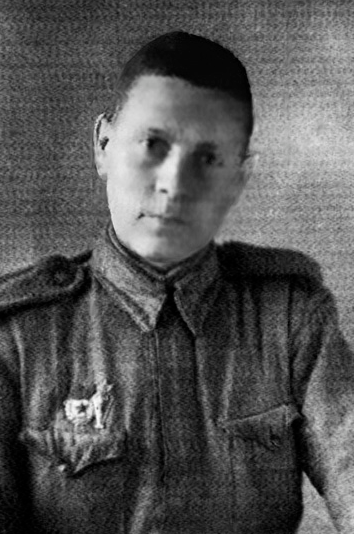
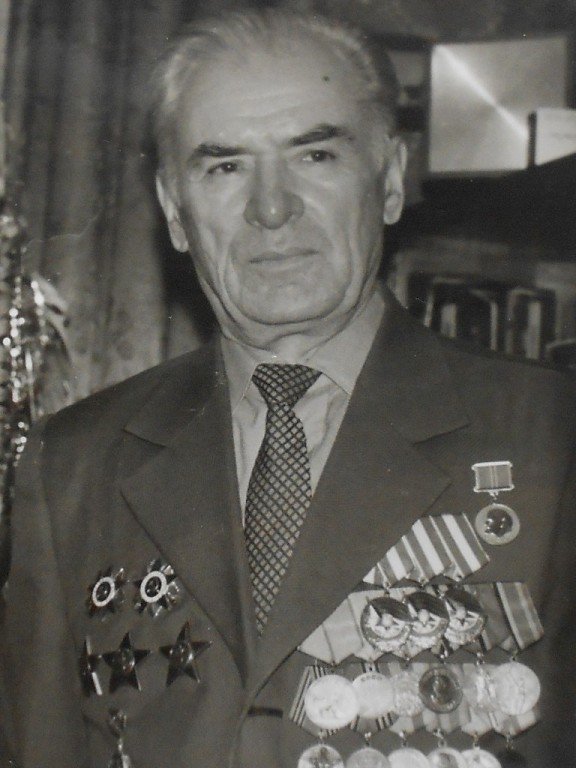
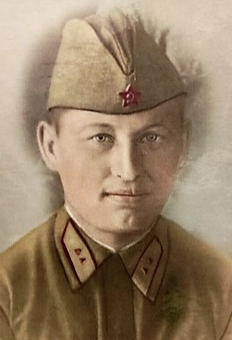
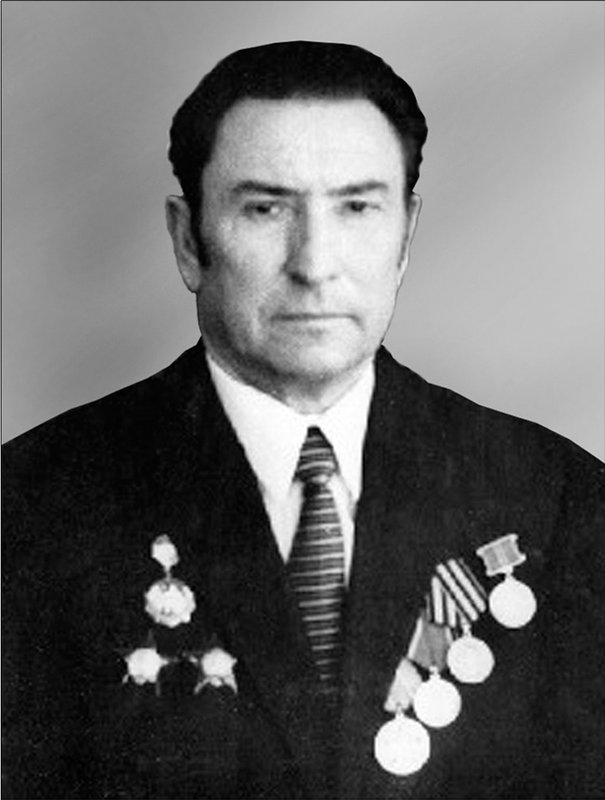
Branch of the service: Ground Forces, Air Force (except naval aviation), coastal service, NKVD troops, border troops. Subdivision: 79th Guards Rifle Zaporozhye Order of Lenin Red Banner Orders of Suvorov and Bogdan Khmelnitsky Division. My dad Evgeny Viktorovich Ignatiev was born in Bryansk on September 22, 1925. When the war began, Zhenya was 15.5 years old, just finished 8th grade. Recalling, he said: "I took the beginning of the war without any particular shock. With boyish spontaneity I believed in the strength and might of the Red Army, in its quick victory." But the war "hung" over the city. German reconnaissance aircraft began to appear more and more often, at the end of June they bombed the railway. The evacuation of enterprises and institutions began. A fighter battalion was organized under the leadership of D. E. Kravtsov, where children of pre-conscription age were admitted. Zhenya enrolled in a fighter battalion. There they studied military affairs, patrolled the streets, guarded some objects, went to places where saboteurs might be dropped. On October 6, our troops left the city, the Nazis entered. The Germans rounded up the youth and took them to Germany. Zhenya and her younger sister Natasha were hiding in a destroyed, burnt-out house, which was already overgrown with weeds, and so that the dogs would not track them down, they sprinkled the traces with snuff given to them by their mother. The chance helped Zhenya take the path of fighting the Germans. Once, after several days of occupation, he met his school friend Vasya Semyonov. He had already managed to visit the rear of the enemy, managed to get to the Germans and escape from them. In the evening, they started talking, and he made it clear that there was an underground in the city. Zhenya was included in the top five, the eldest of which was Nikolai Lisovsky (Honored Artist of Russia, actor of the Bryansk Drama Theater). In the underground, information about the enemy was obtained, several times it turned out to mine German vehicles. One of the most audacious actions was to steal a map from the commandant's office. The points of the location of the anti-aircraft defense of the Germans, headquarters, barracks, commandant's offices were plotted on the map. This card was handed over to the partisans. A week later, our aircraft bombed all targets that were mapped. In 1943, on September 17, our troops liberated Bryansk. On September 20, Zhenya was sent to a reserve regiment. It prepared marching companies to be sent to active units at the front. Here they learned to carry out army regulations, lived like soldiers in dugouts on the Mamonov field. From the reserve regiment he was sent to the Belorussian Front, commanded by Rokossovsky. Very fierce battles were fought in Belarus. On December 15, near Zhlobin, Zhenya was seriously wounded. When he began to crawl out of the trench to attack, he heard a mine whistle, and he seemed to be struck from behind, he lost consciousness. This splinter hit the back of the neck, passed a few millimeters from the carotid artery and stopped near the spine, hitting a nerve. When he woke up, the soldiers went ahead, only the dead were lying around. So he lay almost until the evening, then losing consciousness, then coming to himself. And in the evening, once again regaining consciousness, I heard that people were walking nearby. It was the funeral team that gathered the dead. Zhenya tried to call them: "Brothers, brothers ...". They saw that he was alive and sent him to the medical battalion. Since the splinter touched a nerve near the spine, Zhenya stopped talking. The wound was very serious and Zhenya was sent on an ambulance train to the rear. I rode on the train for several days, from the shaking the splinter moved away from the spine and he felt that the speech returned. Zhenya called a nurse, she was a doctor, and they pulled out a splinter with forceps. It was a complete surprise when he found himself in the Bryansk hospital. While they were passing the sanitary inspection, I saw an acquaintance who worked in the hospital as a plumber, and through him conveyed the news home that he was here. An acquaintance, whose name was Nikifor, conducted the wiring and heard his name, came up and, of course, did not immediately recognize him, Zhenya lay all tied up like a doll. Nikifor immediately ran home to Zhenya, it was at Christmas, at which time his mother was baking buns. Relatives came running despite the time (it was five o'clock in the morning). The head of the hospital gave my mother a permanent pass so that she could stay next to her son. An operation was performed in the hospital, after which he recovered and began to come home. I spent 4 months in the hospital. The convalescent team went to the reserve regiment. In the reserve regiment, Zhenya ended up in the regimental school for junior commanders, after which he was awarded the rank of sergeant, commander of a heavy machine gun crew. From here he was sent to the 227th Guards Regiment of the 8th Army of General Chuikov, which was already fighting in Poland. In early February, the regiment crossed the Oder (south of Kustrin) and the fighters captured the bridgehead, after which they fought to expand the bridgehead. On April 16, late at night in Berlin, 140 searchlights were simultaneously turned on, and at the same time artillery preparation was made from thousands of guns and mortars. The gunners' fire was so dense that Zhenya's infantry took the first position almost without firing.During one of the attacks, he was wounded in the leg and while he was dragged from the battlefield to the medical battalion and received medical assistance, his part went ahead. Having escaped from the medical battalion, he caught up with her only after 3 days. During this time, in the confusion that arose, the clerk put him on the list of the dead. The "funeral" went home, and his name appeared on the list of a fraternal burial in the settlement Wrightwein, Frankfurt / Oder district, Seelow district, foot of Wrightwein hill. (information about the place of burial of his granddaughter was found on the website of the WBS Memorial in 2015 during the celebration of the 70th anniversary of the Victory). His sister Natasha received the "funeral" and did not show it to anyone, even to her mother, not knowing how to tell her about it. And after a while, a postcard came from Eugene, written after the date of "death" and Natasha realized that her brother was alive! He reached Tergarhen. On May 9 we learned that we had VICTORY. During the war, Eugene received three wounds: one heavy, and two light - in the leg and arm. One small splinter remained in his back for life, and a splinter of a fascist mine, which he got from a wound after a severe wound in the neck, is kept in our family, a small, heavy, metal piece of death. During the hostilities Ignatiev Yevgeny Viktorovich was awarded the Order of Glory of the 3rd degree, the medal "For Courage", the medal "For the liberation of Warsaw", the medal "For the capture of Berlin" and the medal "For the victory over Germany". For the 40th anniversary of the Victory, he was awarded the Order of the Patriotic War of the 1st degree, they were awarded to those front-line soldiers who had military orders.
Ignatiev Evgeny Viktorovich
Branch of the service: Ground Forces, Air Force (except naval aviation), coastal service, NKVD troops, border troops. Subdivision: 79th Guards Rifle Zaporozhye Order of Lenin Red Banner Orders of Suvorov and Bogdan Khmelnitsky Division. My dad Evgeny Viktorovich Ignatiev was born in Bryansk on September 22, 1925. When the war began, Zhenya was 15.5 years old, just finished 8th grade. Recalling, he said: "I took the beginning of the war without any particular shock. With boyish spontaneity I believed in the strength and might of the Red Army, in its quick victory." But the war "hung" over the city. German reconnaissance aircraft began to appear more and more often, at the end of June they bombed the railway. The evacuation of enterprises and institutions began. A fighter battalion was organized under the leadership of D. E. Kravtsov, where children of pre-conscription age were admitted. Zhenya enrolled in a fighter battalion. There they studied military affairs, patrolled the streets, guarded some objects, went to places where saboteurs might be dropped. On October 6, our troops left the city, the Nazis entered. The Germans rounded up the youth and took them to Germany. Zhenya and her younger sister Natasha were hiding in a destroyed, burnt-out house, which was already overgrown with weeds, and so that the dogs would not track them down, they sprinkled the traces with snuff given to them by their mother. The chance helped Zhenya take the path of fighting the Germans. Once, after several days of occupation, he met his school friend Vasya Semyonov. He had already managed to visit the rear of the enemy, managed to get to the Germans and escape from them. In the evening, they started talking, and he made it clear that there was an underground in the city. Zhenya was included in the top five, the eldest of which was Nikolai Lisovsky (Honored Artist of Russia, actor of the Bryansk Drama Theater). In the underground, information about the enemy was obtained, several times it turned out to mine German vehicles. One of the most audacious actions was to steal a map from the commandant's office. The points of the location of the anti-aircraft defense of the Germans, headquarters, barracks, commandant's offices were plotted on the map. This card was handed over to the partisans. A week later, our aircraft bombed all targets that were mapped. In 1943, on September 17, our troops liberated Bryansk. On September 20, Zhenya was sent to a reserve regiment. It prepared marching companies to be sent to active units at the front. Here they learned to carry out army regulations, lived like soldiers in dugouts on the Mamonov field. From the reserve regiment he was sent to the Belorussian Front, commanded by Rokossovsky. Very fierce battles were fought in Belarus. On December 15, near Zhlobin, Zhenya was seriously wounded. When he began to crawl out of the trench to attack, he heard a mine whistle, and he seemed to be struck from behind, he lost consciousness. This splinter hit the back of the neck, passed a few millimeters from the carotid artery and stopped near the spine, hitting a nerve. When he woke up, the soldiers went ahead, only the dead were lying around. So he lay almost until the evening, then losing consciousness, then coming to himself. And in the evening, once again regaining consciousness, I heard that people were walking nearby. It was the funeral team that gathered the dead. Zhenya tried to call them: "Brothers, brothers ...". They saw that he was alive and sent him to the medical battalion. Since the splinter touched a nerve near the spine, Zhenya stopped talking. The wound was very serious and Zhenya was sent on an ambulance train to the rear. I rode on the train for several days, from the shaking the splinter moved away from the spine and he felt that the speech returned. Zhenya called a nurse, she was a doctor, and they pulled out a splinter with forceps. It was a complete surprise when he found himself in the Bryansk hospital. While they were passing the sanitary inspection, I saw an acquaintance who worked in the hospital as a plumber, and through him conveyed the news home that he was here. An acquaintance, whose name was Nikifor, conducted the wiring and heard his name, came up and, of course, did not immediately recognize him, Zhenya lay all tied up like a doll. Nikifor immediately ran home to Zhenya, it was at Christmas, at which time his mother was baking buns. Relatives came running despite the time (it was five o'clock in the morning). The head of the hospital gave my mother a permanent pass so that she could stay next to her son. An operation was performed in the hospital, after which he recovered and began to come home. I spent 4 months in the hospital. The convalescent team went to the reserve regiment. In the reserve regiment, Zhenya ended up in the regimental school for junior commanders, after which he was awarded the rank of sergeant, commander of a heavy machine gun crew. From here he was sent to the 227th Guards Regiment of the 8th Army of General Chuikov, which was already fighting in Poland. In early February, the regiment crossed the Oder (south of Kustrin) and the fighters captured the bridgehead, after which they fought to expand the bridgehead. On April 16, late at night in Berlin, 140 searchlights were simultaneously turned on, and at the same time artillery preparation was made from thousands of guns and mortars. The gunners' fire was so dense that Zhenya's infantry took the first position almost without firing.During one of the attacks, he was wounded in the leg and while he was dragged from the battlefield to the medical battalion and received medical assistance, his part went ahead. Having escaped from the medical battalion, he caught up with her only after 3 days. During this time, in the confusion that arose, the clerk put him on the list of the dead. The "funeral" went home, and his name appeared on the list of a fraternal burial in the settlement Wrightwein, Frankfurt / Oder district, Seelow district, foot of Wrightwein hill. (information about the place of burial of his granddaughter was found on the website of the WBS Memorial in 2015 during the celebration of the 70th anniversary of the Victory). His sister Natasha received the "funeral" and did not show it to anyone, even to her mother, not knowing how to tell her about it. And after a while, a postcard came from Eugene, written after the date of "death" and Natasha realized that her brother was alive! He reached Tergarhen. On May 9 we learned that we had VICTORY. During the war, Eugene received three wounds: one heavy, and two light - in the leg and arm. One small splinter remained in his back for life, and a splinter of a fascist mine, which he got from a wound after a severe wound in the neck, is kept in our family, a small, heavy, metal piece of death. During the hostilities Ignatiev Yevgeny Viktorovich was awarded the Order of Glory of the 3rd degree, the medal "For Courage", the medal "For the liberation of Warsaw", the medal "For the capture of Berlin" and the medal "For the victory over Germany". For the 40th anniversary of the Victory, he was awarded the Order of the Patriotic War of the 1st degree, they were awarded to those front-line soldiers who had military orders.
0 comment



2026 © Russian Military Historical Society Developed by Jetmix