Evdokimova Evdokia Dmitrievna
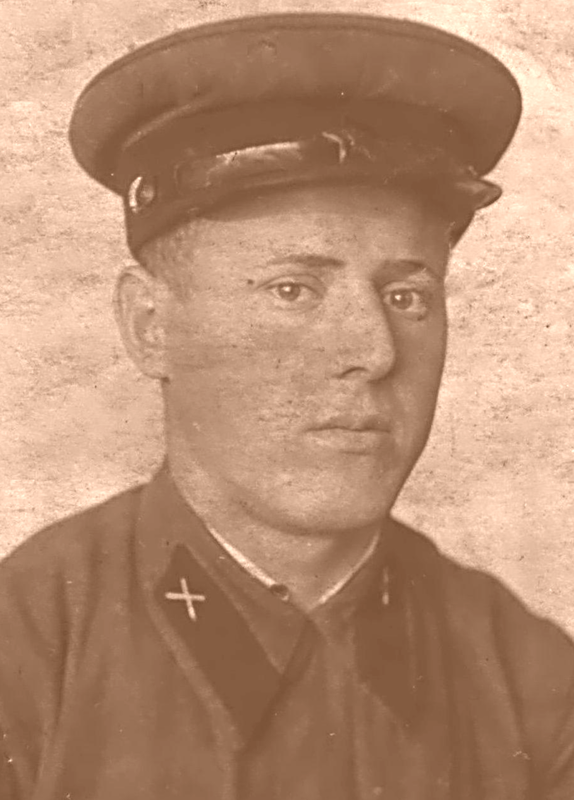
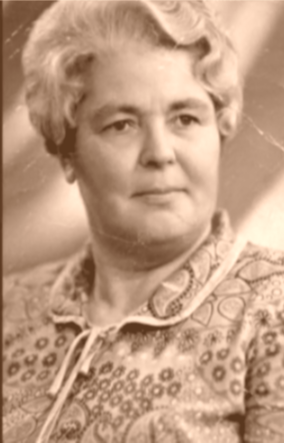
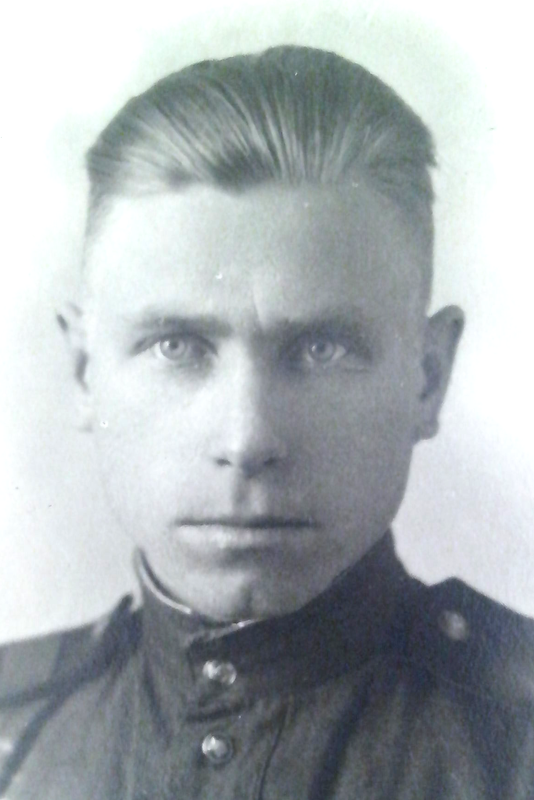
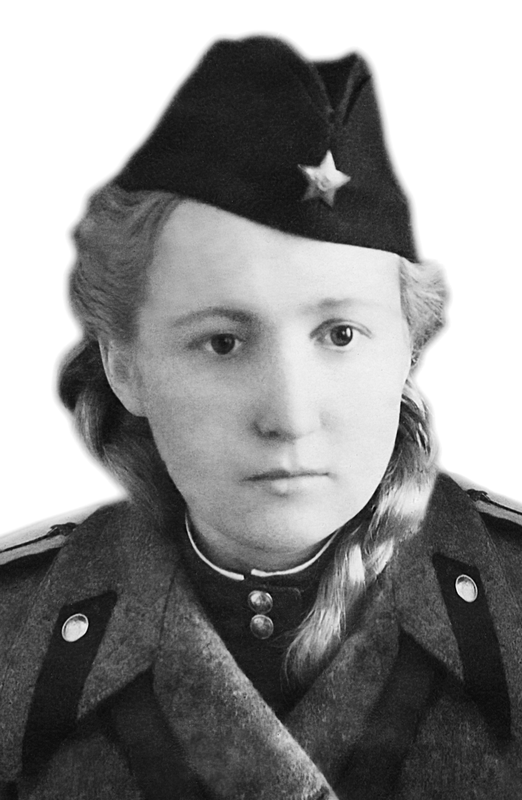
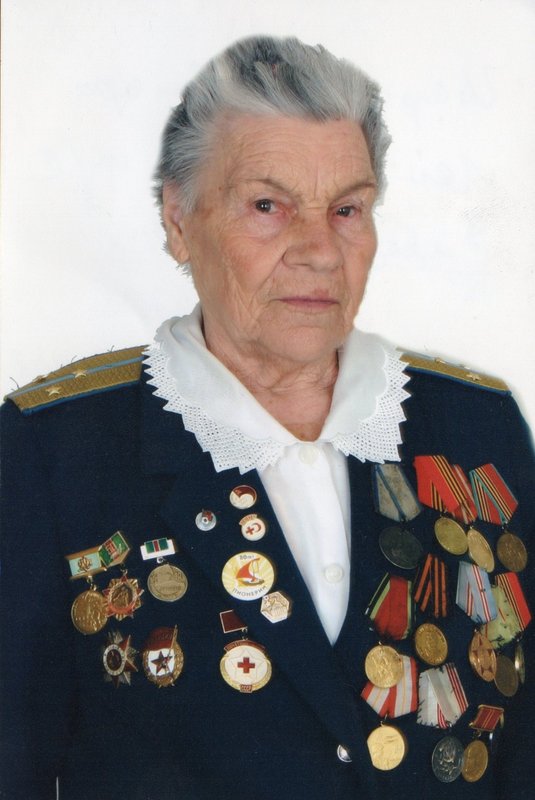
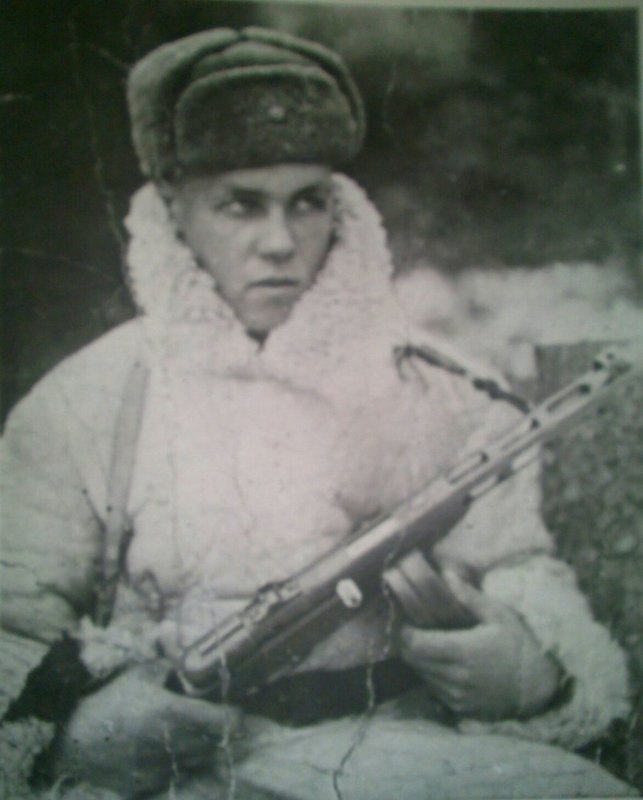
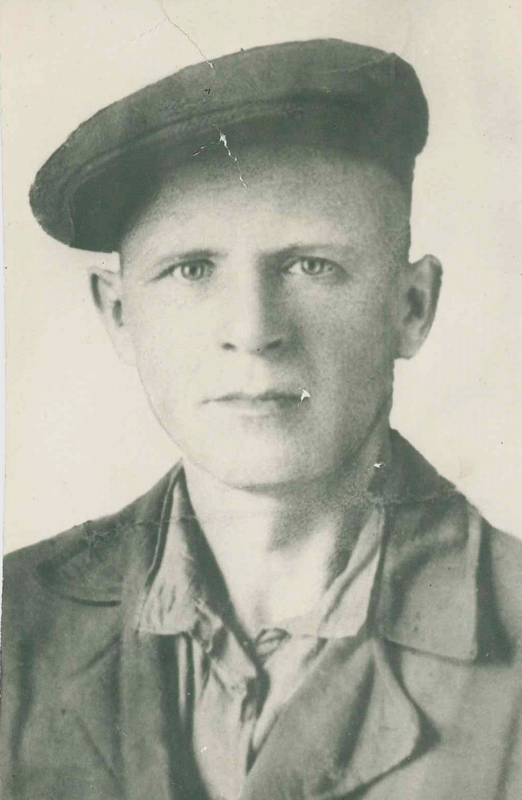
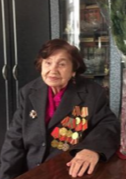
Evdokia Dmitrievna was born on March 15, 1920 in Khabarovsk in a family of doctors. In 1942 she graduated from the Khabarovsk State Medical Institute, simultaneously combining her studies with work at a distillery. During her student years she was a Stalinist scholar. At that time in the USSR there was a whole system of prestigious personal scholarships, the size of which was several times higher than the "ordinary scholarship" and was awarded for special achievements in studies and scientific work. Thanks to her strong character, which distinguished her from her peers, Evdokia Dmitrievna became one of such scholars. As a student, she met her future husband, who later became the head of the very military evacuation hospital where fate had thrown her. Evdokia Dmitrievna from August to September 1945 was a participant in the Soviet-Japanese war - an armed conflict between the USSR and Mongolia on the one hand and Japan and Manchukuo on the other. She took part in providing combat operations in 1945 on the 2nd Far Eastern Front. Evdokia Dmitrievna began her career as a surgeon in 1943, when, after graduating from a medical institute, she was seconded to the front line in the active army, where she became the chief surgeon of the 312th evacuation hospital near Khasan. Medical officer, captain of the medical service. As part of the hospital, she was a member of the team of parachutists. Evdokia Dmitrievna, who was distinguished by her short stature, was highly respected even by the captured Japanese, and when they met, they made a low bow, calling her "little doctor". After the end of the war, she also connected her life with medicine and continued to work as a neuropathologist. Evdokia Dmitrievna - Honored surgeon, worked as a doctor for 53 years, of which 25 years in military hospitals. “Hundreds of wounded were brought to the hospital every day. The nurse just ran after me and only had time to write down, but I explained as loudly as possible - there is amputation, this is on the operating table, this injection ... There was no time to hesitate. The lives of people were in my hands, and I wanted to save everyone, I was obliged to give everyone a chance for life, ”says Evdokia Dmitrievna. Despite her age, bitter memories of the front-line days and failing health, Evdokia Dmitrievna carefully looks after herself. According to her daughter, in her entire life she never went home in a dressing gown, tried to be seen by her loved ones always in a dress, jewelry and light lipstick on her lips ... What was done by Soviet military medicine during the war years, in all justice can be called a feat. The image of a military doctor will forever remain the personification of high humanism, courage and dedication. The work of medical workers in hospitals and sanitary trains during the war years is thousands of lives saved. Evdokia Dmitrievna was awarded the Order of the Patriotic War II degree, numerous jubilee medals in honor of Victory in the Great Patriotic War, a medal for the 100th anniversary of Georgy Konstantinovich Zhukov and a medal "For Victory over Japan".
Evdokimova Evdokia Dmitrievna
Evdokia Dmitrievna was born on March 15, 1920 in Khabarovsk in a family of doctors. In 1942 she graduated from the Khabarovsk State Medical Institute, simultaneously combining her studies with work at a distillery. During her student years she was a Stalinist scholar. At that time in the USSR there was a whole system of prestigious personal scholarships, the size of which was several times higher than the "ordinary scholarship" and was awarded for special achievements in studies and scientific work. Thanks to her strong character, which distinguished her from her peers, Evdokia Dmitrievna became one of such scholars. As a student, she met her future husband, who later became the head of the very military evacuation hospital where fate had thrown her. Evdokia Dmitrievna from August to September 1945 was a participant in the Soviet-Japanese war - an armed conflict between the USSR and Mongolia on the one hand and Japan and Manchukuo on the other. She took part in providing combat operations in 1945 on the 2nd Far Eastern Front. Evdokia Dmitrievna began her career as a surgeon in 1943, when, after graduating from a medical institute, she was seconded to the front line in the active army, where she became the chief surgeon of the 312th evacuation hospital near Khasan. Medical officer, captain of the medical service. As part of the hospital, she was a member of the team of parachutists. Evdokia Dmitrievna, who was distinguished by her short stature, was highly respected even by the captured Japanese, and when they met, they made a low bow, calling her "little doctor". After the end of the war, she also connected her life with medicine and continued to work as a neuropathologist. Evdokia Dmitrievna - Honored surgeon, worked as a doctor for 53 years, of which 25 years in military hospitals. “Hundreds of wounded were brought to the hospital every day. The nurse just ran after me and only had time to write down, but I explained as loudly as possible - there is amputation, this is on the operating table, this injection ... There was no time to hesitate. The lives of people were in my hands, and I wanted to save everyone, I was obliged to give everyone a chance for life, ”says Evdokia Dmitrievna. Despite her age, bitter memories of the front-line days and failing health, Evdokia Dmitrievna carefully looks after herself. According to her daughter, in her entire life she never went home in a dressing gown, tried to be seen by her loved ones always in a dress, jewelry and light lipstick on her lips ... What was done by Soviet military medicine during the war years, in all justice can be called a feat. The image of a military doctor will forever remain the personification of high humanism, courage and dedication. The work of medical workers in hospitals and sanitary trains during the war years is thousands of lives saved. Evdokia Dmitrievna was awarded the Order of the Patriotic War II degree, numerous jubilee medals in honor of Victory in the Great Patriotic War, a medal for the 100th anniversary of Georgy Konstantinovich Zhukov and a medal "For Victory over Japan".
0 comment




2026 © Russian Military Historical Society Developed by Jetmix