

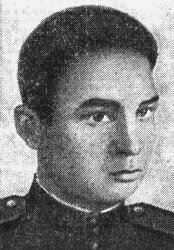

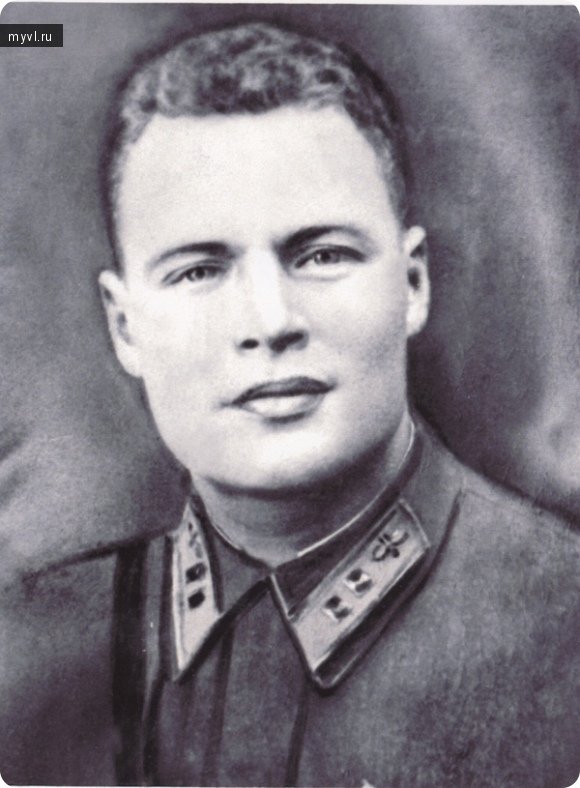

Dmitry Markovich Dotsenko
Dmitry Markovich Dotsenko
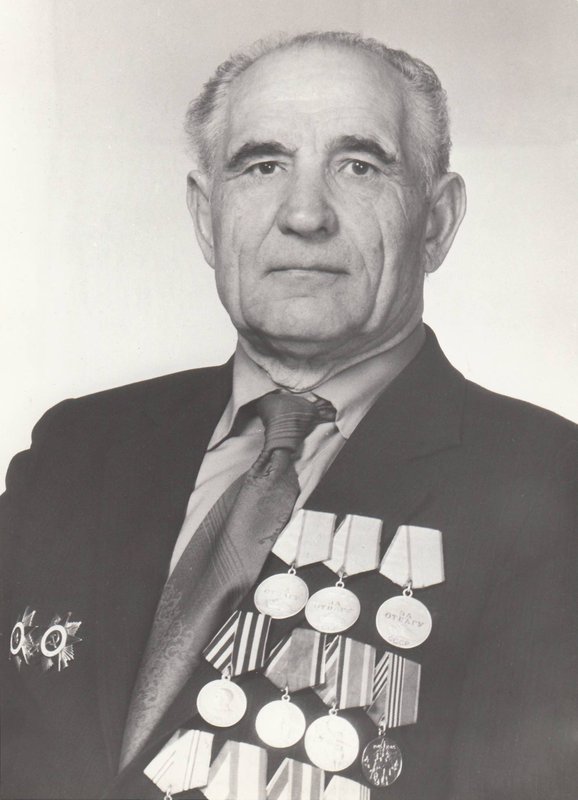
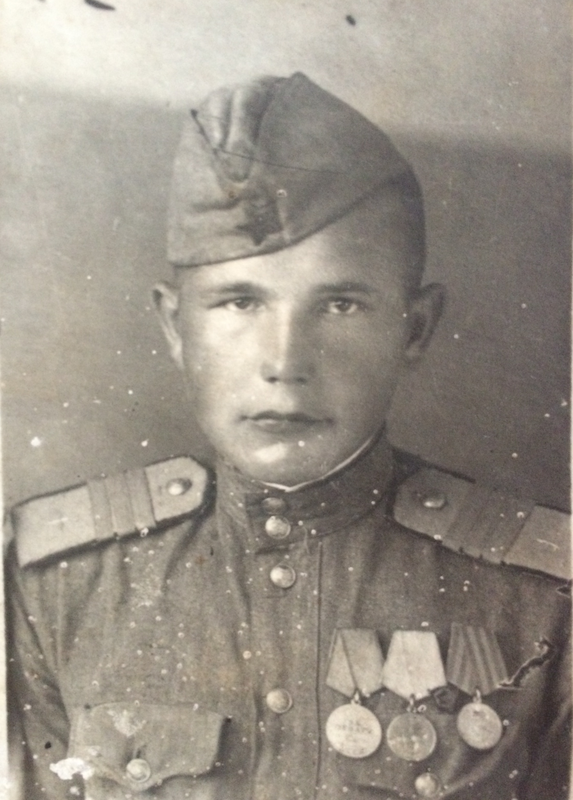
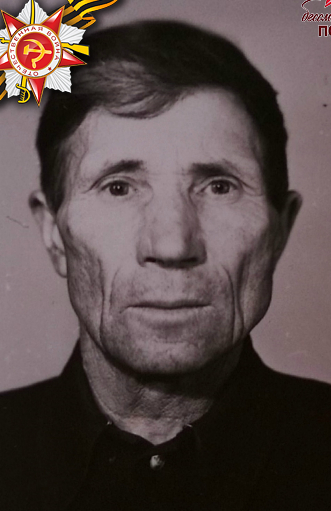
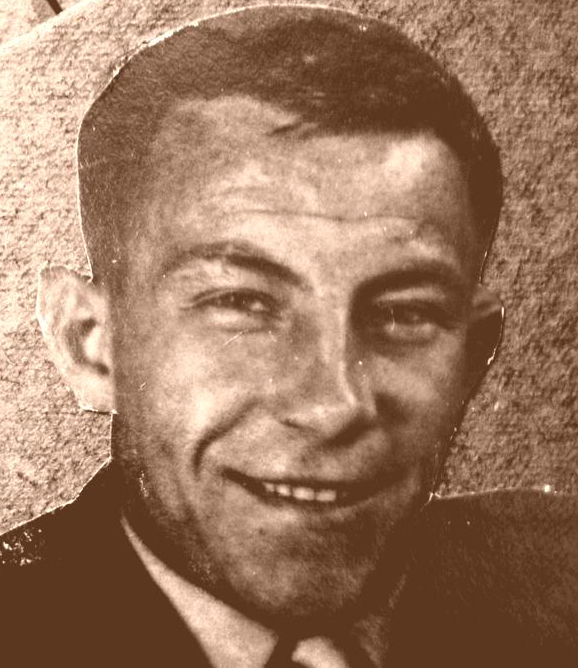
Rank: Captain. Branch of service: Artillery. Division: 87th rifle Perekop red banner division. In October 1940, he was drafted into the red Army and first served in the far East. From June 1942 to may 1945, he participated in the battles with the Nazi invaders as a commander of a fire platoon, Deputy. battery commander, Deputy. battery commander, Deputy division commander of a non-combat unit, with three light wounds and a concussion. Part of it was transferred from the Far East to the West, where the battle for the defense of Stalingrad was unfolding. A young Lieutenant then headed a platoon. Later, he became the commander of the 448th anti-tank fighter division of the 87th guards red banner rifle division. After the defeat of the Germans on the banks of the Volga, his guns rushed South, through the Rostov region, the Donbass. They participated in the liberation of Crimea and Sevastopol. The division then moved to the Baltic States. Even then, captain Dotsenko became the Deputy commander of the 448th separate fighter-anti-tank division. In the period from August 14-20, 1944 his unit was surrounded to the South of the village Rudel of the Latvian SSR. Direct fire destroyed 9 tanks, an armored vehicle, 4 machine guns and 2 light machine guns, and up to 50 Hitlerites. After being discharged from the Soviet Army, from October 1946 to December 1948, he worked as The first Secretary of the Yurgamysh ROK of the Komsomol. In December 1948, he was elected First Secretary of the Yurgamysh district Committee, where he worked until December 1950. From December 1950 to December 1952 he studied in Moscow at the Lenin courses at the Central Committee of the CPSU, after which he was sent to work in the State security Agencies, where he worked until April 1956. In April 1956, he was elected Chairman of the Shumikhinsky district Council of workers ' deputies, where he worked until April 1962. In April 1962, he was sent to work as the party trade Committee of the CPSU regional Committee for the Shadrinsky territorial collective farm and state farm administration, where he worked until February 1963. In connection with the abolition of this position, he was elected Chairman of the Department of party and state control for the Shadrinsky production Department, where he worked until August 1963. In August 1963, he was appointed Director of the Shadrinsky grain farm, in this position he worked until February 1967. In February 1967, he was appointed head of the Department of agriculture of the Shadrinsky district. In this position, he worked until March 1969 before retiring. In March 1969, he was again appointed Director of the Shadrinsky state Farm. For the high performance of the state farm in the production and sale of agricultural products, he was awarded the order of the October Revolution. Dmitry Markovich and his wife, also a front – line soldier-Olga Grigoryevna Dotsenko (who voluntarily joined the Soviet army in may 1942, where she remained until 1944 as part of the 448th anti-tank fighter division of the 87th Perekop red banner rifle division) – had three beautiful children: a son, Anatoly Dmitrievich Dotsenko (born in 1945), a daughter, Valentina Dmitrievna Dudina (born in 1947), and a younger son, Sergey Dotsenko Dmitrievich (born 1960). They live in the hearts and memories of their children, grandchildren, great-grandchildren and loved ones. They went through the difficult years of the war and the post-war years together, but their love for life and the Motherland helped them achieve success in their careers, raise their children and grandchildren, and finally leave life with dignity. From the author: grandfather Mitya and grandmother Olya said little about the war, apparently so this "piece" of life crippled the soul, then still young and dreamy guys! They spent the whole summer at the dacha, and when the cranes flew in flocks high in the sky, grandfather raised his gray head and called in an exciting voice: - Olya, the cranes are flying! – and they stood together for a long time and watched the train fly away into the distance…
Dmitry Markovich Dotsenko
Dmitry Markovich Dotsenko
Rank: Captain. Branch of service: Artillery. Division: 87th rifle Perekop red banner division. In October 1940, he was drafted into the red Army and first served in the far East. From June 1942 to may 1945, he participated in the battles with the Nazi invaders as a commander of a fire platoon, Deputy. battery commander, Deputy. battery commander, Deputy division commander of a non-combat unit, with three light wounds and a concussion. Part of it was transferred from the Far East to the West, where the battle for the defense of Stalingrad was unfolding. A young Lieutenant then headed a platoon. Later, he became the commander of the 448th anti-tank fighter division of the 87th guards red banner rifle division. After the defeat of the Germans on the banks of the Volga, his guns rushed South, through the Rostov region, the Donbass. They participated in the liberation of Crimea and Sevastopol. The division then moved to the Baltic States. Even then, captain Dotsenko became the Deputy commander of the 448th separate fighter-anti-tank division. In the period from August 14-20, 1944 his unit was surrounded to the South of the village Rudel of the Latvian SSR. Direct fire destroyed 9 tanks, an armored vehicle, 4 machine guns and 2 light machine guns, and up to 50 Hitlerites. After being discharged from the Soviet Army, from October 1946 to December 1948, he worked as The first Secretary of the Yurgamysh ROK of the Komsomol. In December 1948, he was elected First Secretary of the Yurgamysh district Committee, where he worked until December 1950. From December 1950 to December 1952 he studied in Moscow at the Lenin courses at the Central Committee of the CPSU, after which he was sent to work in the State security Agencies, where he worked until April 1956. In April 1956, he was elected Chairman of the Shumikhinsky district Council of workers ' deputies, where he worked until April 1962. In April 1962, he was sent to work as the party trade Committee of the CPSU regional Committee for the Shadrinsky territorial collective farm and state farm administration, where he worked until February 1963. In connection with the abolition of this position, he was elected Chairman of the Department of party and state control for the Shadrinsky production Department, where he worked until August 1963. In August 1963, he was appointed Director of the Shadrinsky grain farm, in this position he worked until February 1967. In February 1967, he was appointed head of the Department of agriculture of the Shadrinsky district. In this position, he worked until March 1969 before retiring. In March 1969, he was again appointed Director of the Shadrinsky state Farm. For the high performance of the state farm in the production and sale of agricultural products, he was awarded the order of the October Revolution. Dmitry Markovich and his wife, also a front – line soldier-Olga Grigoryevna Dotsenko (who voluntarily joined the Soviet army in may 1942, where she remained until 1944 as part of the 448th anti-tank fighter division of the 87th Perekop red banner rifle division) – had three beautiful children: a son, Anatoly Dmitrievich Dotsenko (born in 1945), a daughter, Valentina Dmitrievna Dudina (born in 1947), and a younger son, Sergey Dotsenko Dmitrievich (born 1960). They live in the hearts and memories of their children, grandchildren, great-grandchildren and loved ones. They went through the difficult years of the war and the post-war years together, but their love for life and the Motherland helped them achieve success in their careers, raise their children and grandchildren, and finally leave life with dignity. From the author: grandfather Mitya and grandmother Olya said little about the war, apparently so this "piece" of life crippled the soul, then still young and dreamy guys! They spent the whole summer at the dacha, and when the cranes flew in flocks high in the sky, grandfather raised his gray head and called in an exciting voice: - Olya, the cranes are flying! – and they stood together for a long time and watched the train fly away into the distance…
0 comment



2026 © Russian Military Historical Society Developed by Jetmix