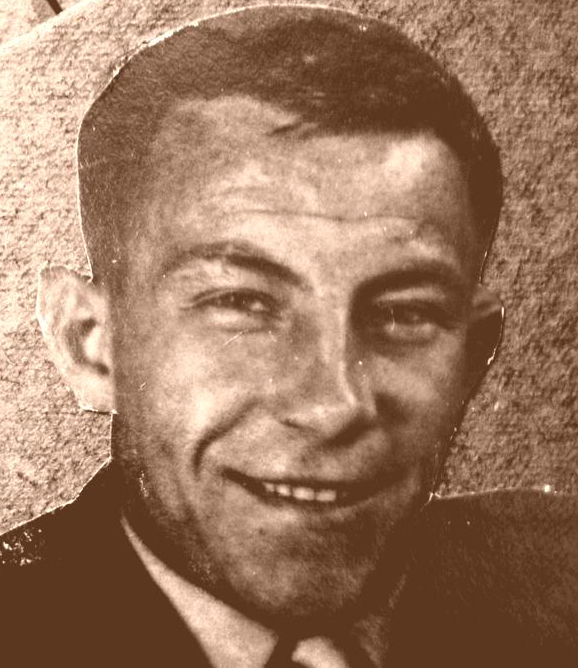


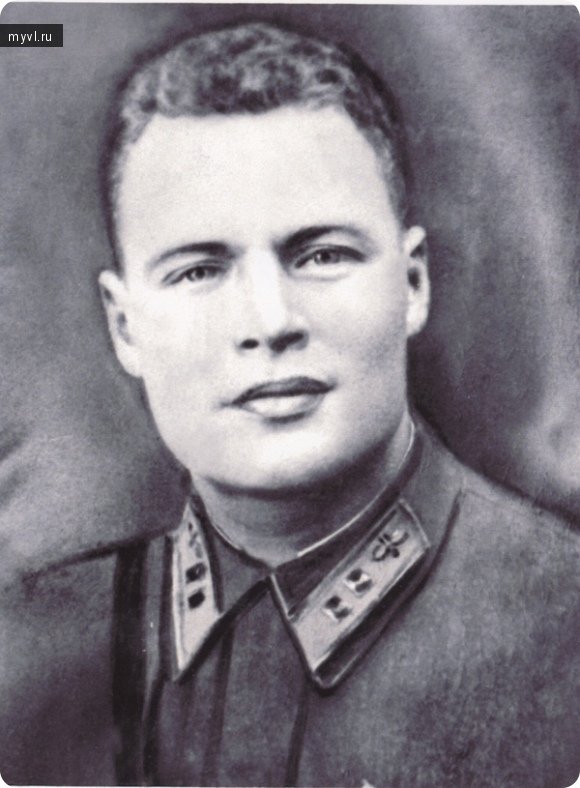


Romanov Yakov Alexandrovich
Yakov Alexandrovich Romanov
Branch of the service: ground forces, air force (except naval aviation), coastal service, “NKVD” troops, border troops. Subdivision: 24th Guards Rifle Evpatoria Red Banner Division. Yakov Romanov was born in 1925 in the village of Semibalki.
He lived with his father, Alexander Grigorievich Romanov, mother Nadezhda Ivanovna Romanova, brother Semyon, sister Olga. He was 17 years old when the German army came to his native village. Father Alexander Grigorievich went to the partisans, was soon shot.
The eldest son Semyon died in 1943 near Kerch. Yakov, along with his sister and mother, helped the partisans. Swarthy, brown-eyed, cheerful, hard-working, mischievous boy. Yasha Romanov volunteered in 1943 with units of the 44th Army. He fought in the 6th rifle company of the 70th regiment of the 24th rifle division. On May 9, 1944, the advanced units of the 2nd Guards. armies, attacked Sevastopol from the north, went on the offensive. The regiment commander Drygin invited volunteers to his place, among them was Yakov.
With five comrades (K. Visovin, scout, holder of the Order of Glory, private sapper A. Sotsenko, private shooter Yakov Romanov, led the group sapper, communist Lieutenant A. Zemkov, machine gunner I. Dubinin) they were to take a foothold across the northern bay, preparing for the landing.
Visovin had saved the boat in the evening, it turned out to be roomy. She was carried to the shore in her arms. They sailed silently, trying not to find themselves. The sea was foggy. There were about a hundred meters to the shore. The fog thinned out, the Nazis noticed the boat, opened fire. Automatic bursts tore apart the night sea. Under targeted enemy fire, they landed in the central part of the city and entered the battle. They fought off attack after attack. The soldiers, the regiment, also crossing, immediately entered the battle. Yasha Romanov did not notice how he was left alone with the pressing Germans. The Nazis surrounded him. One by one, the guards dropped out. Lieutenant Zemkov was seriously wounded, he was unconscious. Sotsenko died. Dubinin continued to fight off the Germans.
The comrades were dying, and the young fighter Yakov Romanov took refuge in the crevice of the Sapun mountain rock. The Germans could not approach him, he mowed them down from his machine gun until the cartridges ran out. The Germans tried to break into the crevice, take him alive. But Yasha, a Russian guy, did not give up, he nimbly, with boyish prowess, tried to kill the Germans with a knife.
Strength were running out, he was wounded, alone, unarmed. He could not allow the enemies to take prisoner. He made the only correct decision. He stabbed the fascists who were trying to get to him in the crevice with a knife. The Germans fired guns at the cleft in a rage.
Yakov Romanov died, but the Nazis failed to break his Russian spirit. He loved life very much, loved his land, his home. Steep cliffs overgrown with rose hips and sea daisies. The cry of seagulls over the calm water, the gentle rustle of the surf, the crimson sunset. How can all this be betrayed, destroyed? It is impossible for someone else's forged boots to trample on his native land. He did not regret his youth and gave everything to the last drop for you and me. So that other boys do not see the horrors of war, so that they study, work, live a peaceful life.
We must always remember about his deed, in the name of life. Comrades found twenty-nine dead German soldiers around the crevice, one he stabbed with a knife. The Germans, in a rage, shot the crevice with guns. The soul of a young village boy, a child, could not be broken by the Nazi. They will never understand Russians if children destroy dozens of enemy lives in one life. On March 24, 1945, the Presidium of the Supreme Soviet of the USSR awarded with the title of Hero of the Soviet Union posthumously. In the museums of Sevastopol, this is recorded in the "Book of Memory". The young man wrote a letter home before the battle.
Romanov Yakov Alexandrovich
Yakov Alexandrovich Romanov
Branch of the service: ground forces, air force (except naval aviation), coastal service, “NKVD” troops, border troops. Subdivision: 24th Guards Rifle Evpatoria Red Banner Division. Yakov Romanov was born in 1925 in the village of Semibalki.
He lived with his father, Alexander Grigorievich Romanov, mother Nadezhda Ivanovna Romanova, brother Semyon, sister Olga. He was 17 years old when the German army came to his native village. Father Alexander Grigorievich went to the partisans, was soon shot.
The eldest son Semyon died in 1943 near Kerch. Yakov, along with his sister and mother, helped the partisans. Swarthy, brown-eyed, cheerful, hard-working, mischievous boy. Yasha Romanov volunteered in 1943 with units of the 44th Army. He fought in the 6th rifle company of the 70th regiment of the 24th rifle division. On May 9, 1944, the advanced units of the 2nd Guards. armies, attacked Sevastopol from the north, went on the offensive. The regiment commander Drygin invited volunteers to his place, among them was Yakov.
With five comrades (K. Visovin, scout, holder of the Order of Glory, private sapper A. Sotsenko, private shooter Yakov Romanov, led the group sapper, communist Lieutenant A. Zemkov, machine gunner I. Dubinin) they were to take a foothold across the northern bay, preparing for the landing.
Visovin had saved the boat in the evening, it turned out to be roomy. She was carried to the shore in her arms. They sailed silently, trying not to find themselves. The sea was foggy. There were about a hundred meters to the shore. The fog thinned out, the Nazis noticed the boat, opened fire. Automatic bursts tore apart the night sea. Under targeted enemy fire, they landed in the central part of the city and entered the battle. They fought off attack after attack. The soldiers, the regiment, also crossing, immediately entered the battle. Yasha Romanov did not notice how he was left alone with the pressing Germans. The Nazis surrounded him. One by one, the guards dropped out. Lieutenant Zemkov was seriously wounded, he was unconscious. Sotsenko died. Dubinin continued to fight off the Germans.
The comrades were dying, and the young fighter Yakov Romanov took refuge in the crevice of the Sapun mountain rock. The Germans could not approach him, he mowed them down from his machine gun until the cartridges ran out. The Germans tried to break into the crevice, take him alive. But Yasha, a Russian guy, did not give up, he nimbly, with boyish prowess, tried to kill the Germans with a knife.
Strength were running out, he was wounded, alone, unarmed. He could not allow the enemies to take prisoner. He made the only correct decision. He stabbed the fascists who were trying to get to him in the crevice with a knife. The Germans fired guns at the cleft in a rage.
Yakov Romanov died, but the Nazis failed to break his Russian spirit. He loved life very much, loved his land, his home. Steep cliffs overgrown with rose hips and sea daisies. The cry of seagulls over the calm water, the gentle rustle of the surf, the crimson sunset. How can all this be betrayed, destroyed? It is impossible for someone else's forged boots to trample on his native land. He did not regret his youth and gave everything to the last drop for you and me. So that other boys do not see the horrors of war, so that they study, work, live a peaceful life.
We must always remember about his deed, in the name of life. Comrades found twenty-nine dead German soldiers around the crevice, one he stabbed with a knife. The Germans, in a rage, shot the crevice with guns. The soul of a young village boy, a child, could not be broken by the Nazi. They will never understand Russians if children destroy dozens of enemy lives in one life. On March 24, 1945, the Presidium of the Supreme Soviet of the USSR awarded with the title of Hero of the Soviet Union posthumously. In the museums of Sevastopol, this is recorded in the "Book of Memory". The young man wrote a letter home before the battle.
0 comment



2026 © Russian Military Historical Society Developed by Jetmix