
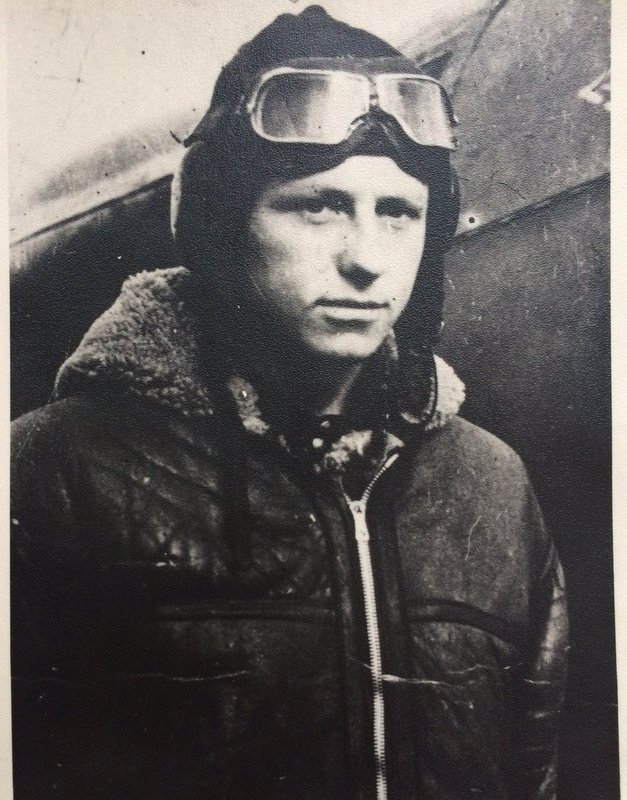
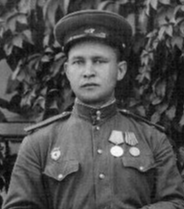
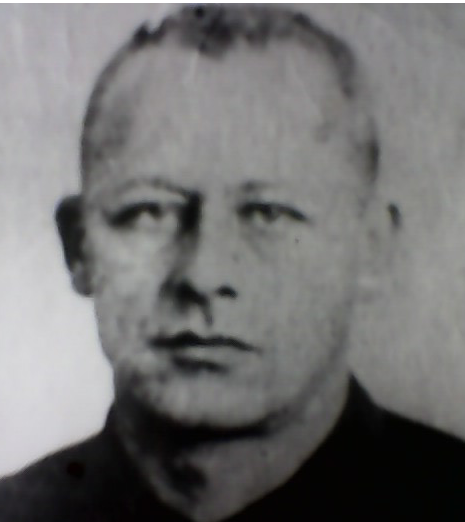
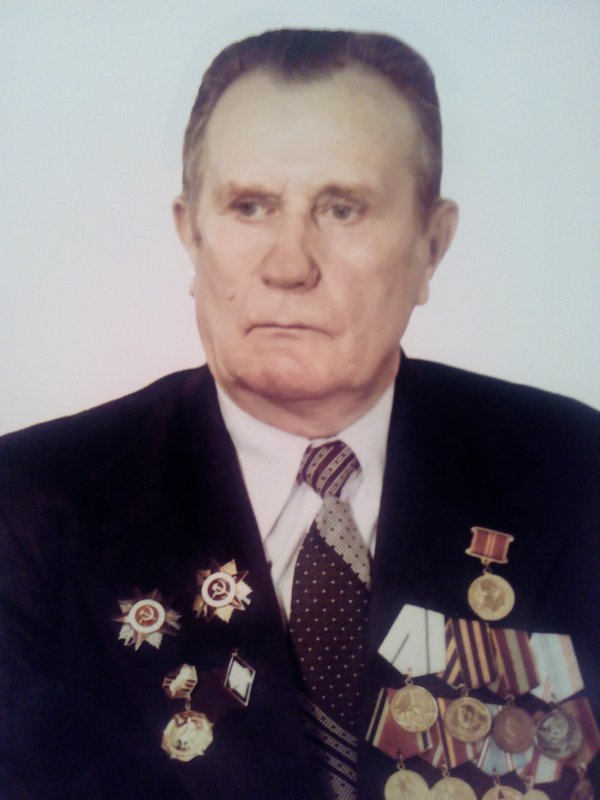
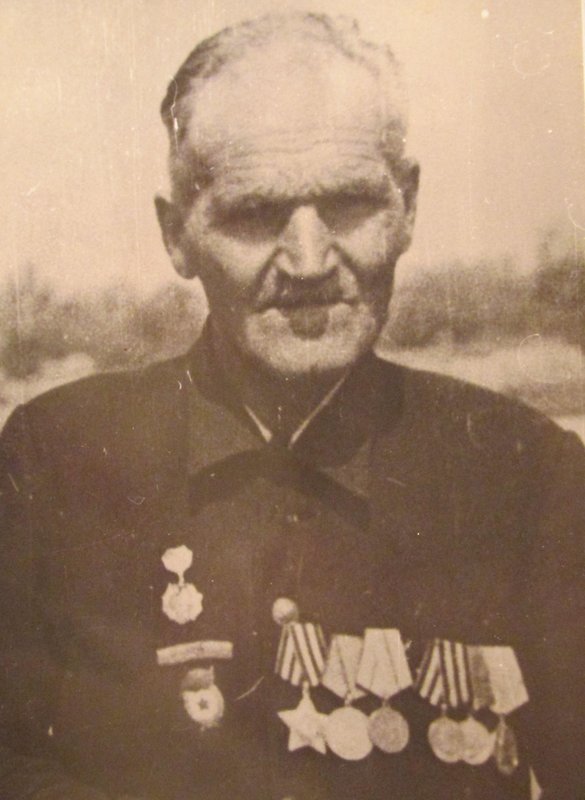
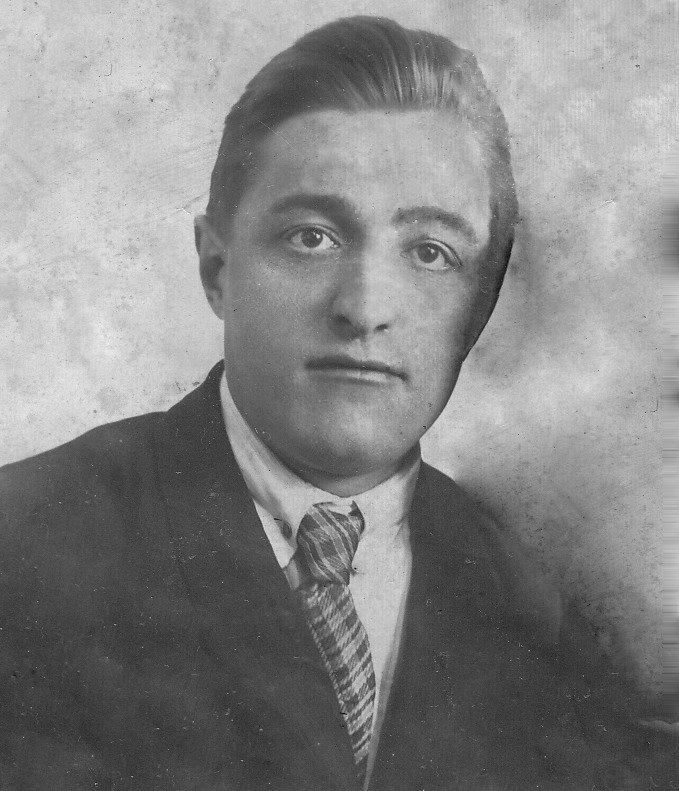
Kapitonov Ivan Afanasievich
Branch of military: Land Forces, Air Forces (except naval aviation), Coast Guards, NKVD troops, Border Guards
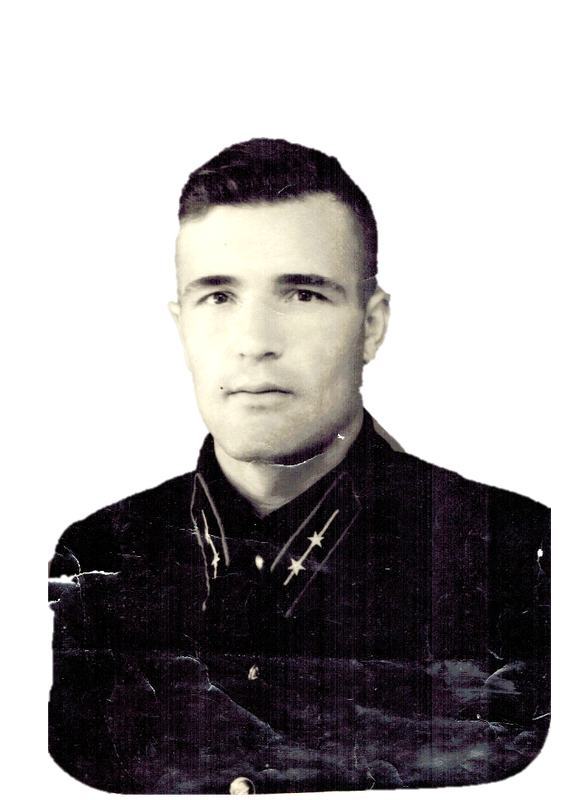
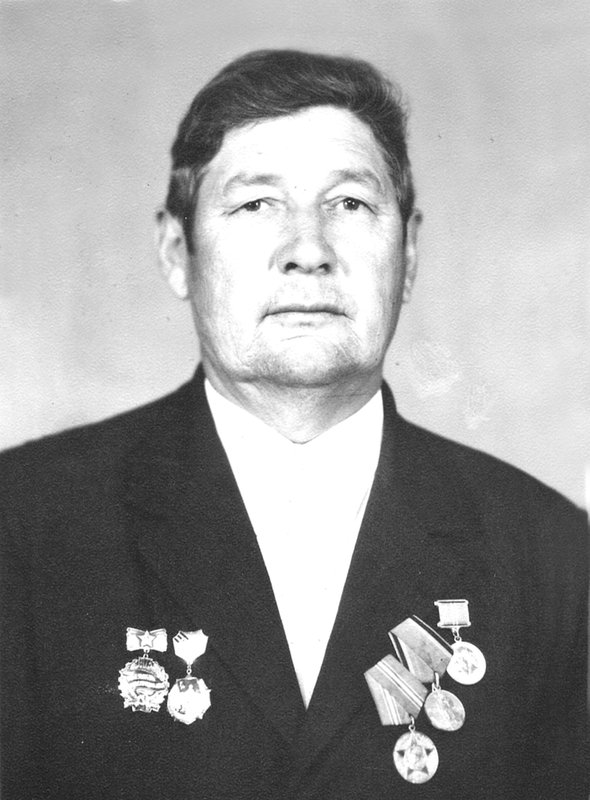
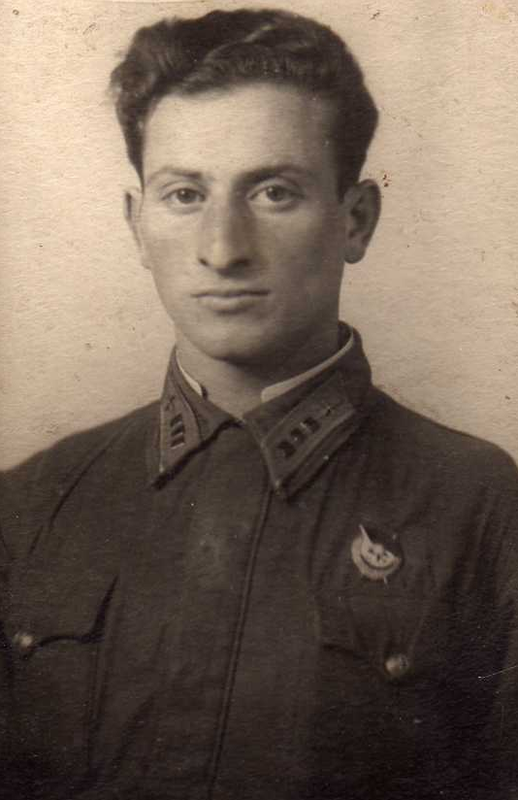
My grandfather Kapitonov Ivan Afanasievich lived in Moscow until October 1942 and worked at a military enterprise in the Sokol metro area. His family (wife and three children) together with the company were to be evacuated to the city of Kuibyshev (now Samara), but he refused. On October 3, 1942, he was called to the front as a mortar man in the commandant's platoon of the 84th Separate Marine Rifle brigade. Field post office No. 978 (owned by 84 Omsbr). In early August 1942, 84 Omsbr was transferred to the North Caucasus in Gudermes and became part of the 9th Army of the Northern group of troops of the Transcaucasian Front. In October 1942, parts of the brigade occupied the defense of the Elkhot gate to prevent the enemy from passing through the Elkhot gorge to the city of Ordzhonikidze and having access to oil. Defensive battles were fought for a month, but on November 2, fresh German units (supported by tanks, artillery, and dive bombers) broke through the defenses. After persistent fighting, on December 1-2, 1942, they had to start withdrawing in the direction of the settlements of Krasnogor and Mostidzakh in the Digor district of North Ossetia. Until December 9, the brigade had some success in its sector, but on December 10, 1942, by order of the command, it began to withdraw and took up defense along the Eastern Bank of the Hotaldon river (West of the cities of Michurino, Kirovo Digorsky district). On December 24, 1942, the brigade again launched an offensive on the city of Ardon. Overcoming strong resistance and repelling enemy counterattacks, the city was recaptured, and by the end of the day the city of Digora was liberated. My grandmother (his wife) received letters from the front, which spoke of heavy fighting (this was indicated by special signs in the text, previously discussed with her). He was a mortar man, and also had to mine and defuse mines. On the night of December 24 to 25, after heavy fighting, the rifle brigade was assigned the task of marching Digora-Adon-Darg-Koch, where they concentrated on a short rest, where they were also waiting for replenishment, new equipment and weapons. On January 16, after an offensive operation, the cities of the Caucasian Mineral Waters were liberated. The enemy was driven back to the line of cities Cherkessk-Kursavka-Sergeevka. That they are on vacation and there was a last letter. In January, there were no more letters. I received a notification that in January-March 1943 he went missing....unfortunately, no letters and documents were preserved - during the War, the house in Moscow burned down after the bombing... there was Only a response from the military enlistment office to my grandmother's request from 1946 that the private was missing...
Kapitonov Ivan Afanasievich
Branch of military: Land Forces, Air Forces (except naval aviation), Coast Guards, NKVD troops, Border Guards
My grandfather Kapitonov Ivan Afanasievich lived in Moscow until October 1942 and worked at a military enterprise in the Sokol metro area. His family (wife and three children) together with the company were to be evacuated to the city of Kuibyshev (now Samara), but he refused. On October 3, 1942, he was called to the front as a mortar man in the commandant's platoon of the 84th Separate Marine Rifle brigade. Field post office No. 978 (owned by 84 Omsbr). In early August 1942, 84 Omsbr was transferred to the North Caucasus in Gudermes and became part of the 9th Army of the Northern group of troops of the Transcaucasian Front. In October 1942, parts of the brigade occupied the defense of the Elkhot gate to prevent the enemy from passing through the Elkhot gorge to the city of Ordzhonikidze and having access to oil. Defensive battles were fought for a month, but on November 2, fresh German units (supported by tanks, artillery, and dive bombers) broke through the defenses. After persistent fighting, on December 1-2, 1942, they had to start withdrawing in the direction of the settlements of Krasnogor and Mostidzakh in the Digor district of North Ossetia. Until December 9, the brigade had some success in its sector, but on December 10, 1942, by order of the command, it began to withdraw and took up defense along the Eastern Bank of the Hotaldon river (West of the cities of Michurino, Kirovo Digorsky district). On December 24, 1942, the brigade again launched an offensive on the city of Ardon. Overcoming strong resistance and repelling enemy counterattacks, the city was recaptured, and by the end of the day the city of Digora was liberated. My grandmother (his wife) received letters from the front, which spoke of heavy fighting (this was indicated by special signs in the text, previously discussed with her). He was a mortar man, and also had to mine and defuse mines. On the night of December 24 to 25, after heavy fighting, the rifle brigade was assigned the task of marching Digora-Adon-Darg-Koch, where they concentrated on a short rest, where they were also waiting for replenishment, new equipment and weapons. On January 16, after an offensive operation, the cities of the Caucasian Mineral Waters were liberated. The enemy was driven back to the line of cities Cherkessk-Kursavka-Sergeevka. That they are on vacation and there was a last letter. In January, there were no more letters. I received a notification that in January-March 1943 he went missing....unfortunately, no letters and documents were preserved - during the War, the house in Moscow burned down after the bombing... there was Only a response from the military enlistment office to my grandmother's request from 1946 that the private was missing...
0 comment



2026 © Russian Military Historical Society Developed by Jetmix