


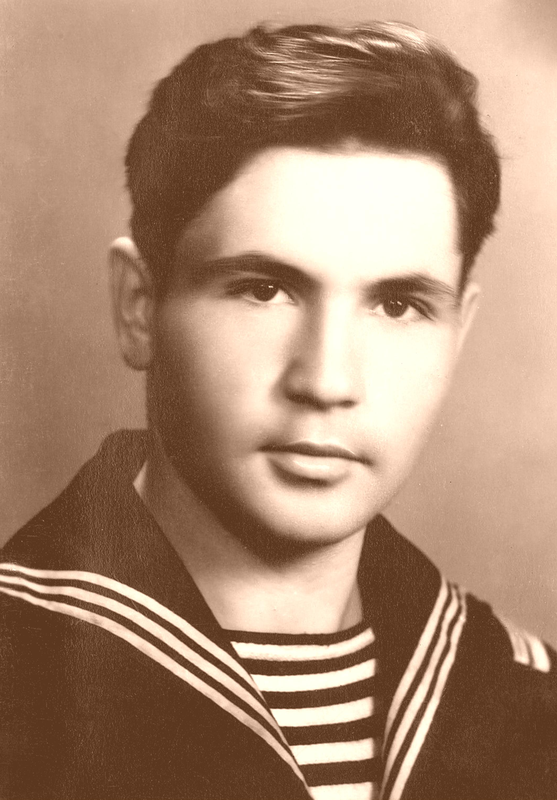
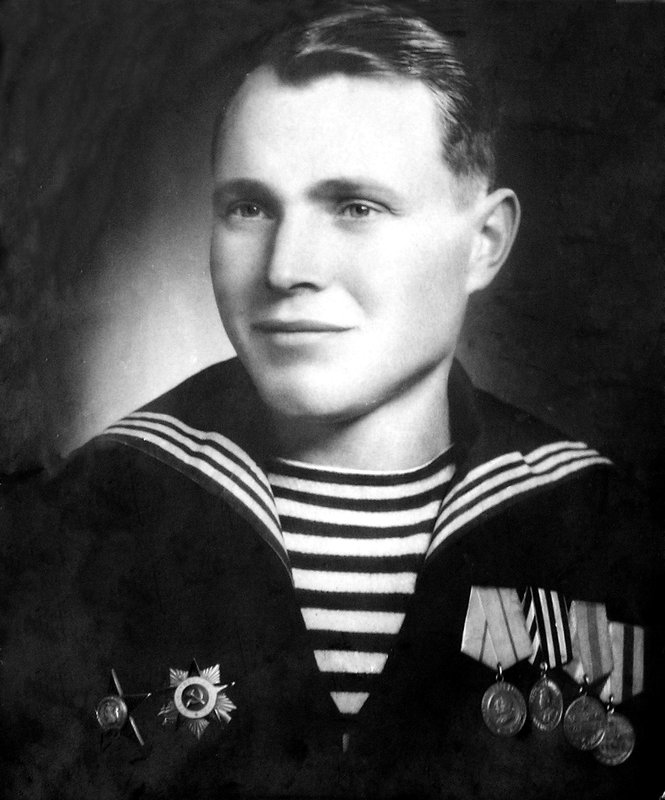
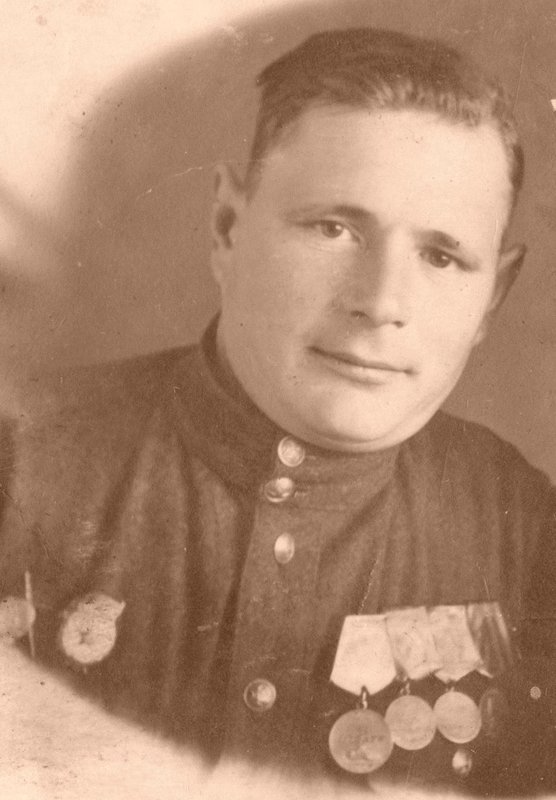
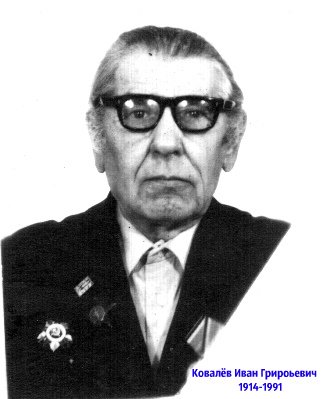
Kovalev Ivan Grigoryevich
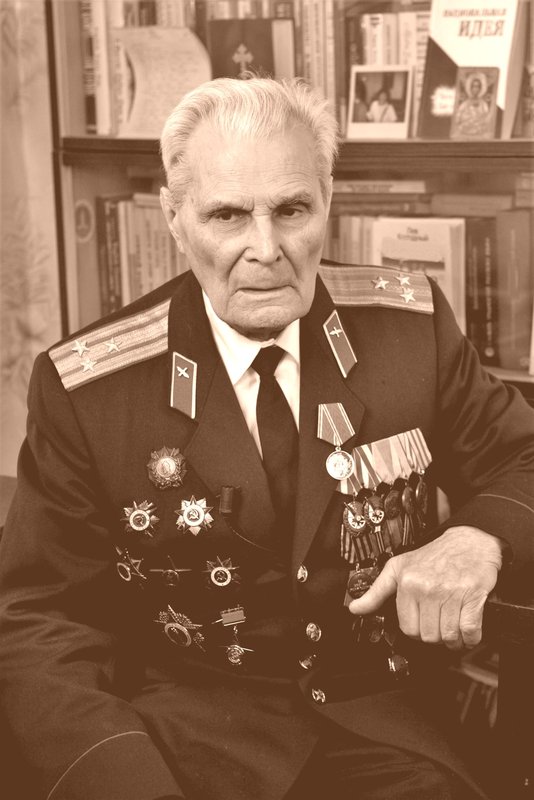
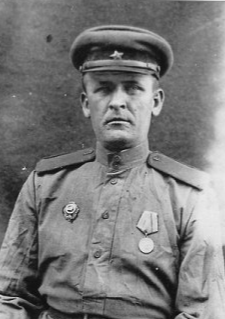
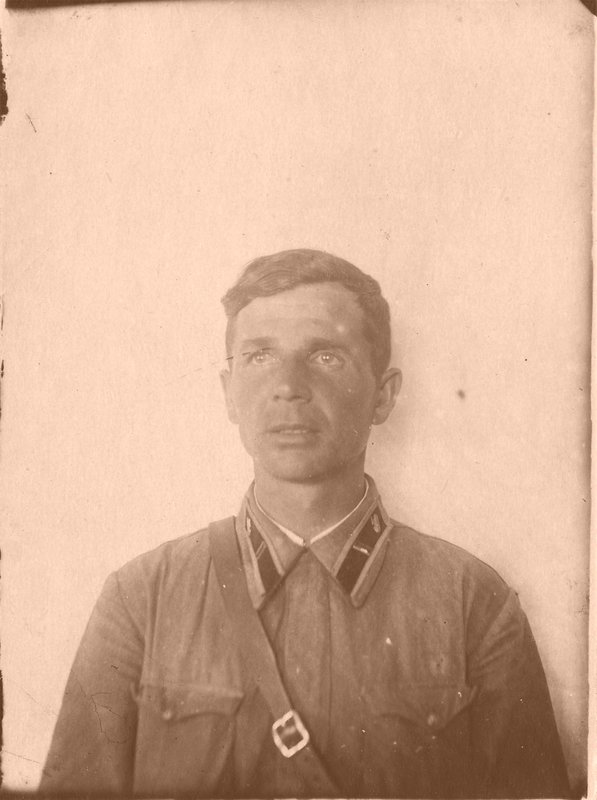
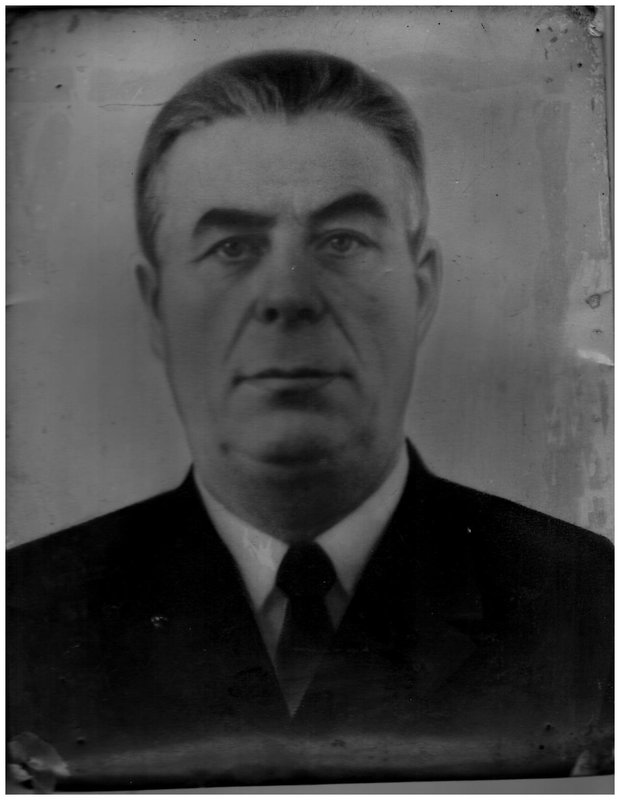
Rank: Senior sergeant. Branch of service: army, air force (except marine aviation), the coast guard, the troops of the NKVD border troops. Division: 184th rifle Dukhovshchinskaya Red Banner order of Suvorov and Kutuzov division. The worst thing that can happen to a country is war. Our country suffered this tragic event in the middle of the twentieth century. The Great Patriotic War was the most trying test for the entire Soviet people. It left a bloody imprint on the memory of the people who experienced all its horrors firsthand. There is no family in our country whose fate has not been affected by the Great Patriotic War. On June 22, 1941, the news of the beginning of the war reached the family of my great-grandfather Ivan Grigoryevich Kovalev, who had been working peacefully for the good of the Motherland in the village of Sal-Adyanov in the Dubovsky district. The family was large by today's standards: an old mother, a brother, a wife expecting a son, and two young daughters. Terrible news broke into the house of the Kovalevs, my great-grandfather Ivan Grigoryevich and his brother Nikolai were immediately called up to protect the country. Great-grandmother Anastasia Alekseevna was left all alone pregnant, with two children in her arms, and an old mother-in-law. She worked on a collective farm, leaving early in the morning, and returning late at night. At the same time, my great-grandfather fought bravely on the war frontlines, commanding a platoon. Once, when there were fierce battles near Kursk, a platoon commanded by my great-grandfather, Lieutenant Kovalev, discovered an enemy trophy: a tank of alcohol. Several soldiers took possession of the trophy without the commander's knowledge and fell asleep at the post. My great-grandfather was court martialed for this incident. The court made a decision: "Atone with blood." Thus, my great-grandfather got to the frontline near Kursk and in the hardest battle, he lost his leg. While in the hospital, he learned that he was awarded the order of the Red Star. And another terrible news came from home: his family, mother, wife, three young children, were gathered with other villagers in a cattle shed. The fascists were about to set fire to the women and children, as Soviet planes appeared in the sky over the farm, so the women and children escaped from a most terrible death. My great-grandmother's hair turned completely white during the few hours of waiting for this terrible death. In 1944, my great-grandfather returned from the war as a communist and became the chairman of his native collective farm: it was necessary to restore the economy destroyed by the war. It was not easy for my great-grandmother either: they had to carry hay and firewood on cows, harrow and plow the land, even the young daughters worked in the field, collected spikelets, then ground them and baked crumpets with the addition of grass-quinoa. During the war, everything became worn out, children ran in rags, barefoot both when it was hot and cold. My great-grandmother could sew. And then one day, great-grandfather brought home a soldier's raincoat-tent. How much joy there was: the girls had skirts sewn for them, and little Kolya now had trousers. The clothes did not let] either moisture or air pass through, but still everyone was happy. In 1945, when all the people were celebrating the victory, my great-grandfather's family learned that the younger brother Nikolai Grigoryevich was captured and was in the Buchenwald concentration camp. Soon after the war, the family moved from the farm Sal-Adyanov to the village of Dubovskoye, built a house, raised three children, and worked fervently for the good of their motherland. My great-grandfather was awarded orders and medals for his military services. In 1979, my great-grandfather was awarded a car as he was a disabled person. In 1991, Ivan Kovalev died. Until now, our family keeps the glorious defender of the motherland in our memory. The road to victory was long and difficult. How can we even measure it? By battles, days, grief, suffering. The heroes of the war have fought for this victory for four difficult years at the cost of their health and lives. The Great Victory is 70 years old; this era is directly connected with our great-grandfathers who witnessed those heroic events. Our valiant soldiers showed the world the courage, bravery, heroism that still excites people's souls. This will be forever remembered by their descendants, whose right to life came at a high price. And let them not think that the dead do not hear when their descendants speak of them.
Kovalev Ivan Grigoryevich
Rank: Senior sergeant. Branch of service: army, air force (except marine aviation), the coast guard, the troops of the NKVD border troops. Division: 184th rifle Dukhovshchinskaya Red Banner order of Suvorov and Kutuzov division. The worst thing that can happen to a country is war. Our country suffered this tragic event in the middle of the twentieth century. The Great Patriotic War was the most trying test for the entire Soviet people. It left a bloody imprint on the memory of the people who experienced all its horrors firsthand. There is no family in our country whose fate has not been affected by the Great Patriotic War. On June 22, 1941, the news of the beginning of the war reached the family of my great-grandfather Ivan Grigoryevich Kovalev, who had been working peacefully for the good of the Motherland in the village of Sal-Adyanov in the Dubovsky district. The family was large by today's standards: an old mother, a brother, a wife expecting a son, and two young daughters. Terrible news broke into the house of the Kovalevs, my great-grandfather Ivan Grigoryevich and his brother Nikolai were immediately called up to protect the country. Great-grandmother Anastasia Alekseevna was left all alone pregnant, with two children in her arms, and an old mother-in-law. She worked on a collective farm, leaving early in the morning, and returning late at night. At the same time, my great-grandfather fought bravely on the war frontlines, commanding a platoon. Once, when there were fierce battles near Kursk, a platoon commanded by my great-grandfather, Lieutenant Kovalev, discovered an enemy trophy: a tank of alcohol. Several soldiers took possession of the trophy without the commander's knowledge and fell asleep at the post. My great-grandfather was court martialed for this incident. The court made a decision: "Atone with blood." Thus, my great-grandfather got to the frontline near Kursk and in the hardest battle, he lost his leg. While in the hospital, he learned that he was awarded the order of the Red Star. And another terrible news came from home: his family, mother, wife, three young children, were gathered with other villagers in a cattle shed. The fascists were about to set fire to the women and children, as Soviet planes appeared in the sky over the farm, so the women and children escaped from a most terrible death. My great-grandmother's hair turned completely white during the few hours of waiting for this terrible death. In 1944, my great-grandfather returned from the war as a communist and became the chairman of his native collective farm: it was necessary to restore the economy destroyed by the war. It was not easy for my great-grandmother either: they had to carry hay and firewood on cows, harrow and plow the land, even the young daughters worked in the field, collected spikelets, then ground them and baked crumpets with the addition of grass-quinoa. During the war, everything became worn out, children ran in rags, barefoot both when it was hot and cold. My great-grandmother could sew. And then one day, great-grandfather brought home a soldier's raincoat-tent. How much joy there was: the girls had skirts sewn for them, and little Kolya now had trousers. The clothes did not let] either moisture or air pass through, but still everyone was happy. In 1945, when all the people were celebrating the victory, my great-grandfather's family learned that the younger brother Nikolai Grigoryevich was captured and was in the Buchenwald concentration camp. Soon after the war, the family moved from the farm Sal-Adyanov to the village of Dubovskoye, built a house, raised three children, and worked fervently for the good of their motherland. My great-grandfather was awarded orders and medals for his military services. In 1979, my great-grandfather was awarded a car as he was a disabled person. In 1991, Ivan Kovalev died. Until now, our family keeps the glorious defender of the motherland in our memory. The road to victory was long and difficult. How can we even measure it? By battles, days, grief, suffering. The heroes of the war have fought for this victory for four difficult years at the cost of their health and lives. The Great Victory is 70 years old; this era is directly connected with our great-grandfathers who witnessed those heroic events. Our valiant soldiers showed the world the courage, bravery, heroism that still excites people's souls. This will be forever remembered by their descendants, whose right to life came at a high price. And let them not think that the dead do not hear when their descendants speak of them.
0 comment




2026 © Russian Military Historical Society Developed by Jetmix