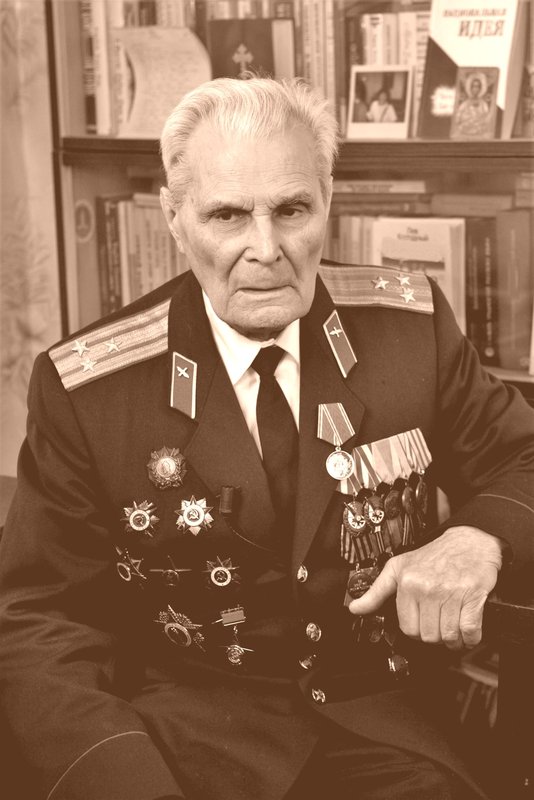
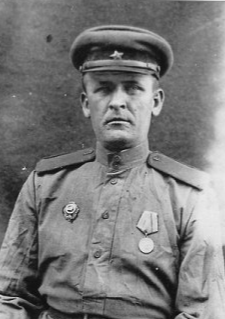
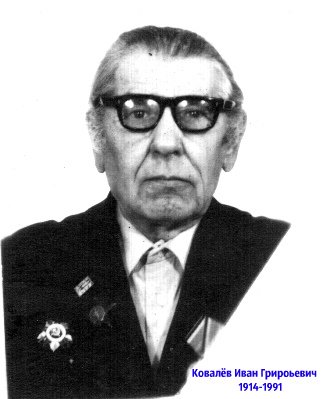
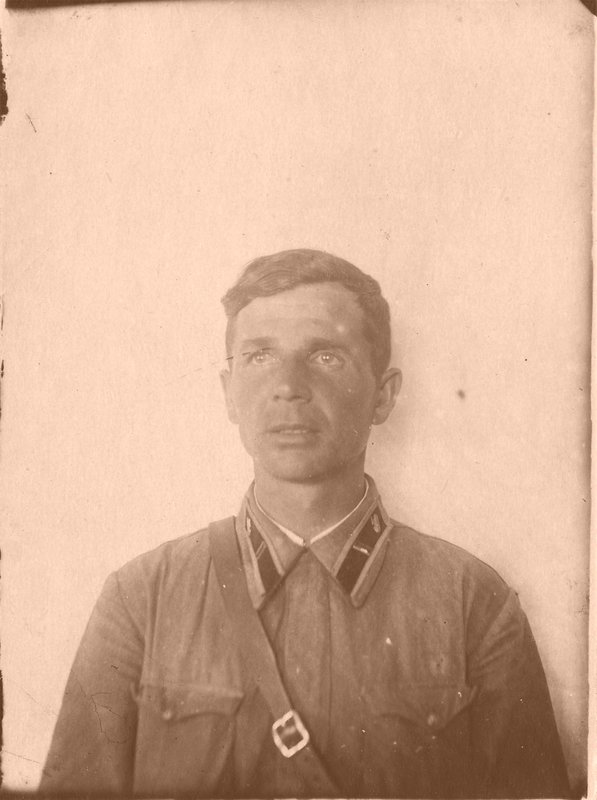
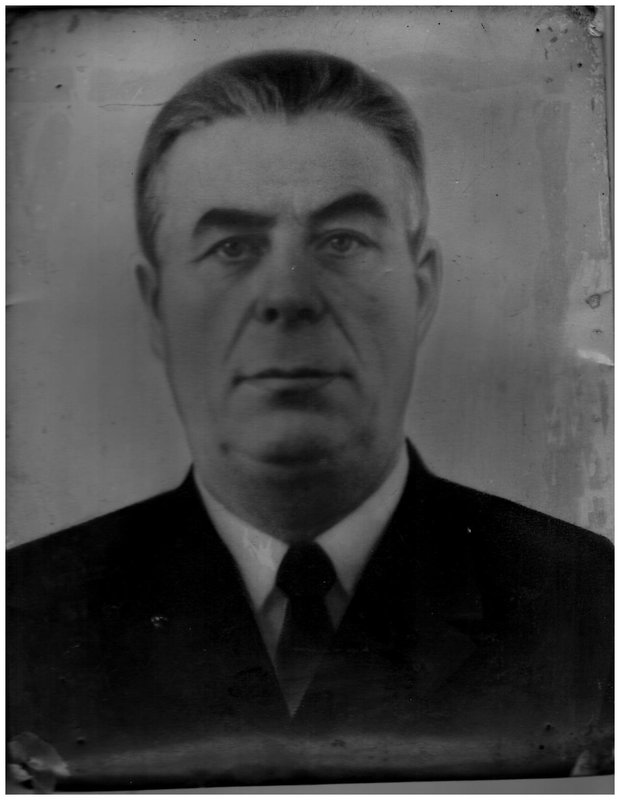
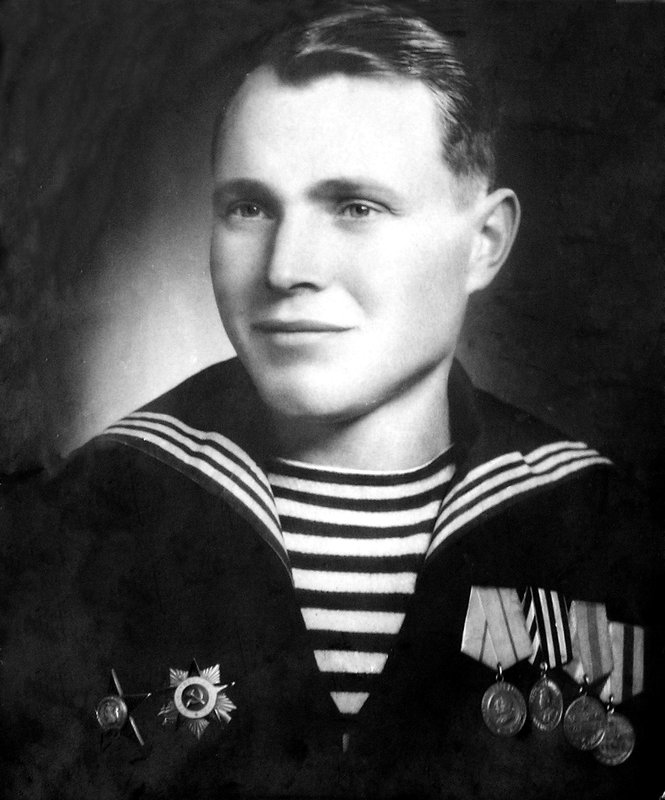
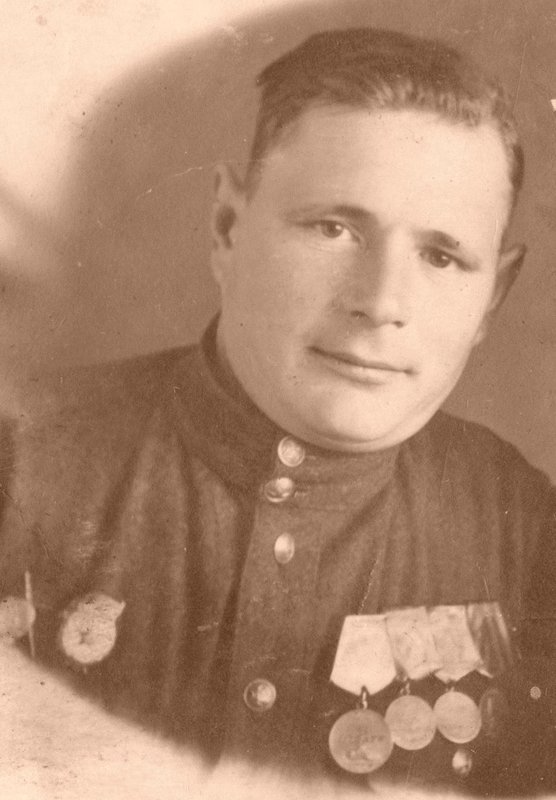
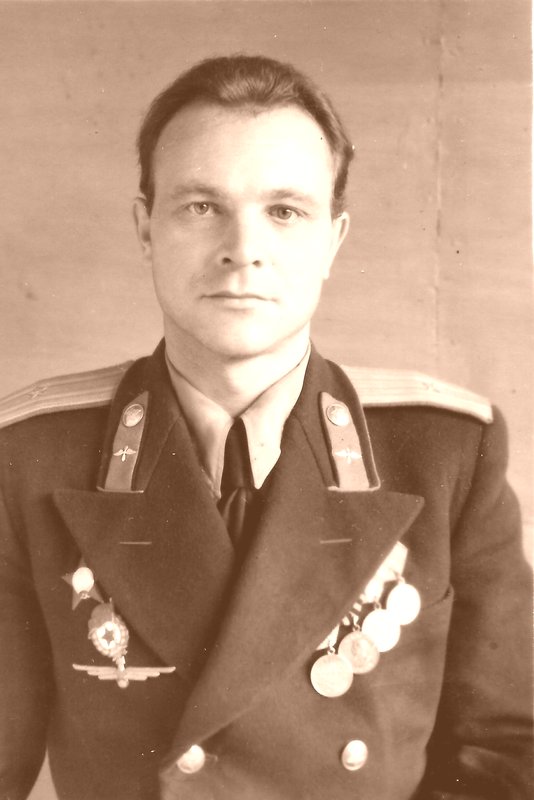
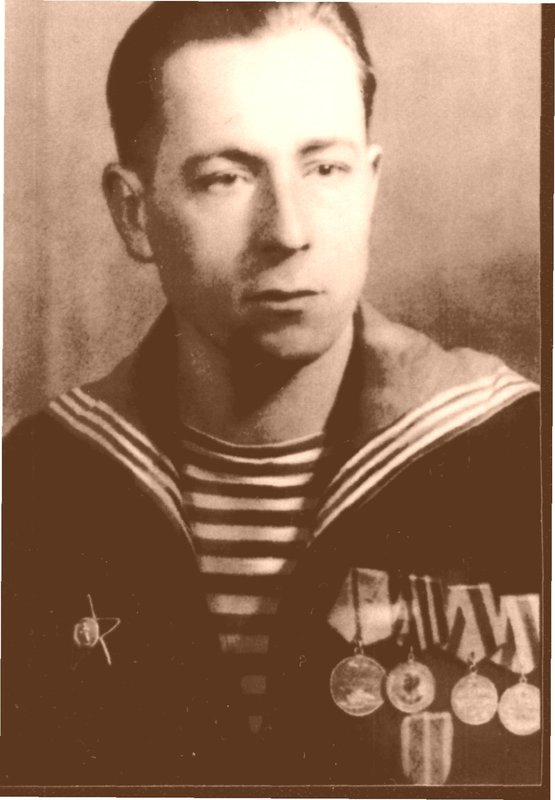
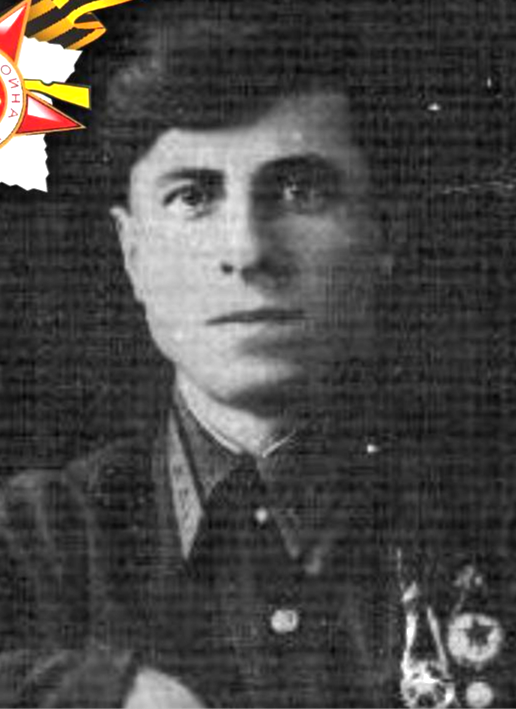
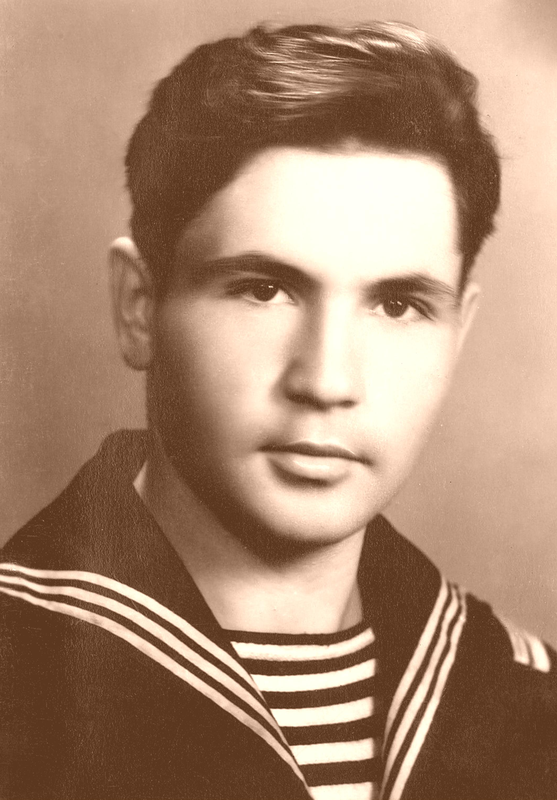
Balakirev Mikhail Vasilyevich
I was three years and nine months old when the war started. We lived in Khorinsk. My father worked as an accountant in a private subsidiary farm, my mother in a closed canteen. Dad was transferred to a new personal subsidiary farm in Leonovka: I remember well how we drove up to the house in Leonovka, a messenger caught up with us and handed dad a summons. Without unloading the carts, we returned to Khorinsk. The house where we were supposed to be placed was new, large, I heard a conversation between my father and mother, my mother said that he had a “reservation” (respite), my father answered that a summons meant going the frontlines. We returned to Khorinsk, to the same house, my father went to the frontlines, we stayed with my mother. The previous job was already taken, and my mother got a job in a kindergarten. So we lived, when our family grew to have four children, my mother's dad came and moved us to a plot of land in Zagustaysky personal subsidiary farm, near the village of Mikhailovka. There we were put in a barrack, where there was no vegetable garden. My mother worked as a superviser at a boarding school and as a warehouse manager. She was responsible for alcohol and kerosene, and at night she sewed sacks, and clothes for the city residents, some from new fabric, and some from old clothes. Residents paid for her work with food. And we, the children, ran, played, went to the forest to collect mushrooms and berries, helped adults in the ways we could. I remember my grandfather calling for us to come with him and help. My grandfather harnessed a horse, took a seine, and so we went. There was a small bay on the river, and my mother's brother worked as a forester and saw that there was a school of fish. So, he made a dam and came for my grandfather. When we arrived, there were so many fish that you could catch them with your hands. And so, the three of us plunged the net and began to pull. With great difficulty we pulled the net, and grandfather exclaimed that the net was full of fish. We put the fish in a koshevo, went to the station, and gave out the carp to everyone. We helped my grandfather dry the grain, then he would take it to the mill, and bring flour, which was portioned and given to residents of the personal subsidiary farm. That is how we lived in the barracks until the demobilization of 1946. The family of Vyacheslav Pavlovich Salnikov moved to another personal subsidiary farm, and we had a house with a vegetable garden once again. My father was discharged in November 1946 and transferred to Khorinsk, and we once again lived in Khorinsk in the same house as the one we lived in before the war.
Balakirev Mikhail Vasilyevich
I was three years and nine months old when the war started. We lived in Khorinsk. My father worked as an accountant in a private subsidiary farm, my mother in a closed canteen. Dad was transferred to a new personal subsidiary farm in Leonovka: I remember well how we drove up to the house in Leonovka, a messenger caught up with us and handed dad a summons. Without unloading the carts, we returned to Khorinsk. The house where we were supposed to be placed was new, large, I heard a conversation between my father and mother, my mother said that he had a “reservation” (respite), my father answered that a summons meant going the frontlines. We returned to Khorinsk, to the same house, my father went to the frontlines, we stayed with my mother. The previous job was already taken, and my mother got a job in a kindergarten. So we lived, when our family grew to have four children, my mother's dad came and moved us to a plot of land in Zagustaysky personal subsidiary farm, near the village of Mikhailovka. There we were put in a barrack, where there was no vegetable garden. My mother worked as a superviser at a boarding school and as a warehouse manager. She was responsible for alcohol and kerosene, and at night she sewed sacks, and clothes for the city residents, some from new fabric, and some from old clothes. Residents paid for her work with food. And we, the children, ran, played, went to the forest to collect mushrooms and berries, helped adults in the ways we could. I remember my grandfather calling for us to come with him and help. My grandfather harnessed a horse, took a seine, and so we went. There was a small bay on the river, and my mother's brother worked as a forester and saw that there was a school of fish. So, he made a dam and came for my grandfather. When we arrived, there were so many fish that you could catch them with your hands. And so, the three of us plunged the net and began to pull. With great difficulty we pulled the net, and grandfather exclaimed that the net was full of fish. We put the fish in a koshevo, went to the station, and gave out the carp to everyone. We helped my grandfather dry the grain, then he would take it to the mill, and bring flour, which was portioned and given to residents of the personal subsidiary farm. That is how we lived in the barracks until the demobilization of 1946. The family of Vyacheslav Pavlovich Salnikov moved to another personal subsidiary farm, and we had a house with a vegetable garden once again. My father was discharged in November 1946 and transferred to Khorinsk, and we once again lived in Khorinsk in the same house as the one we lived in before the war.
0 comment




2026 © Russian Military Historical Society Developed by Jetmix