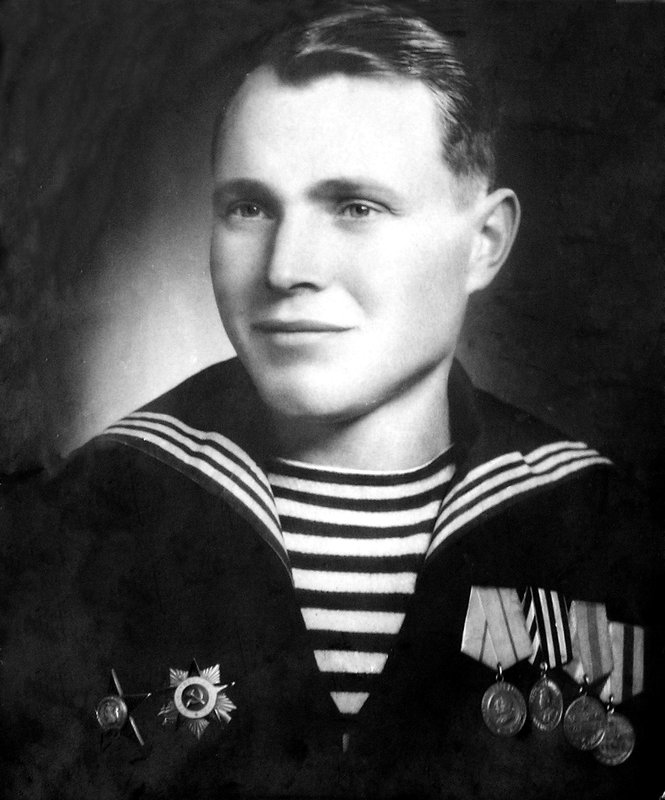
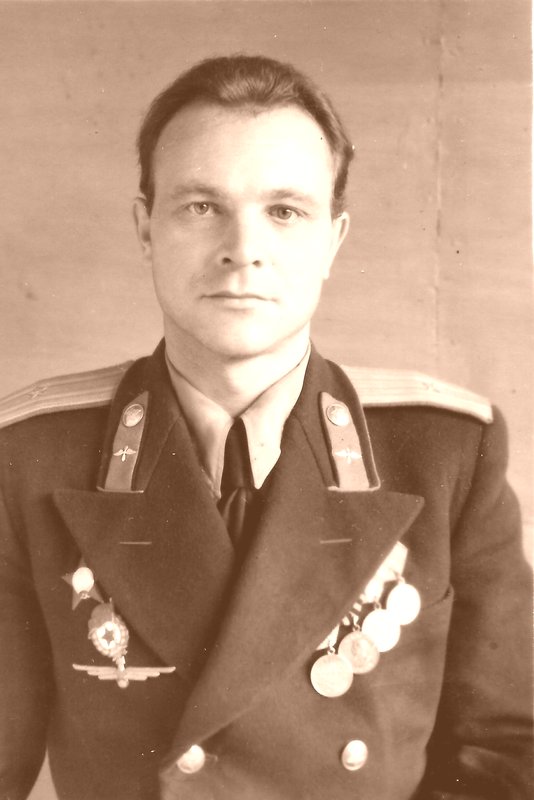
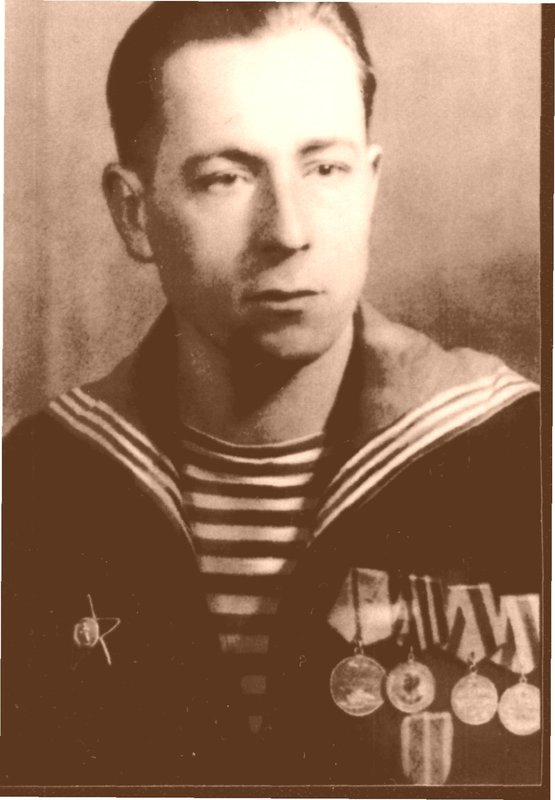
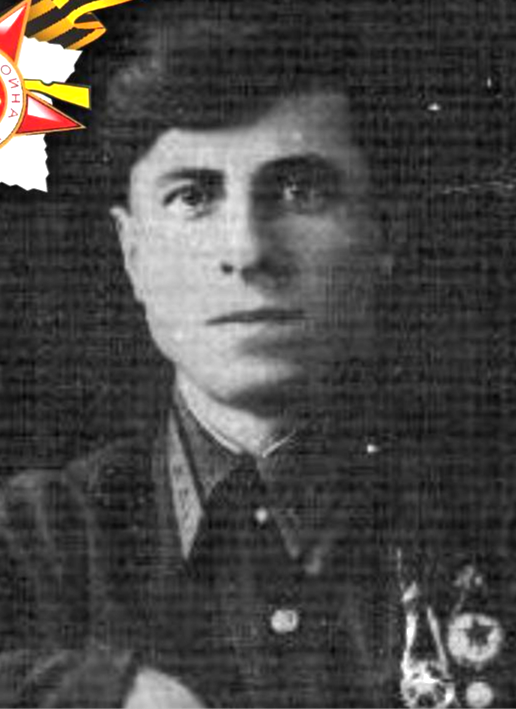
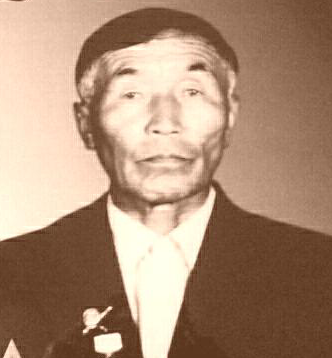
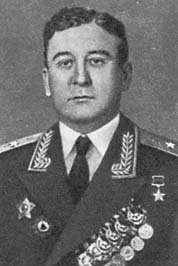
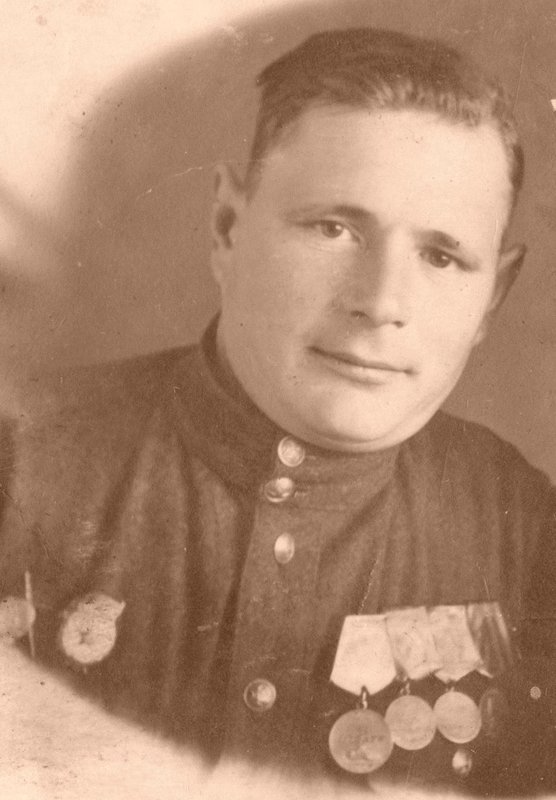
Bylin Phlegont Nikanorovich
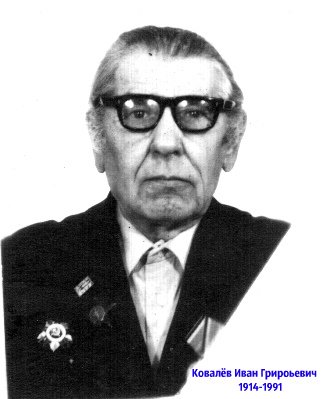
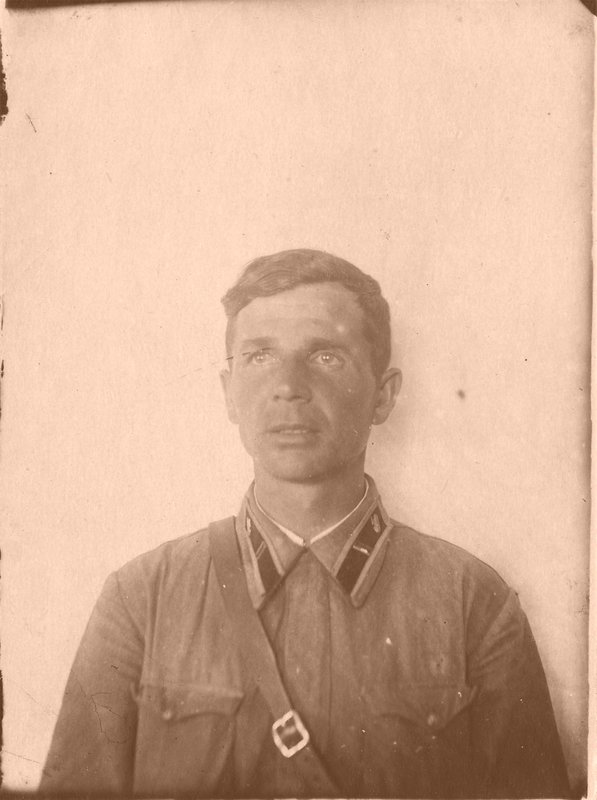
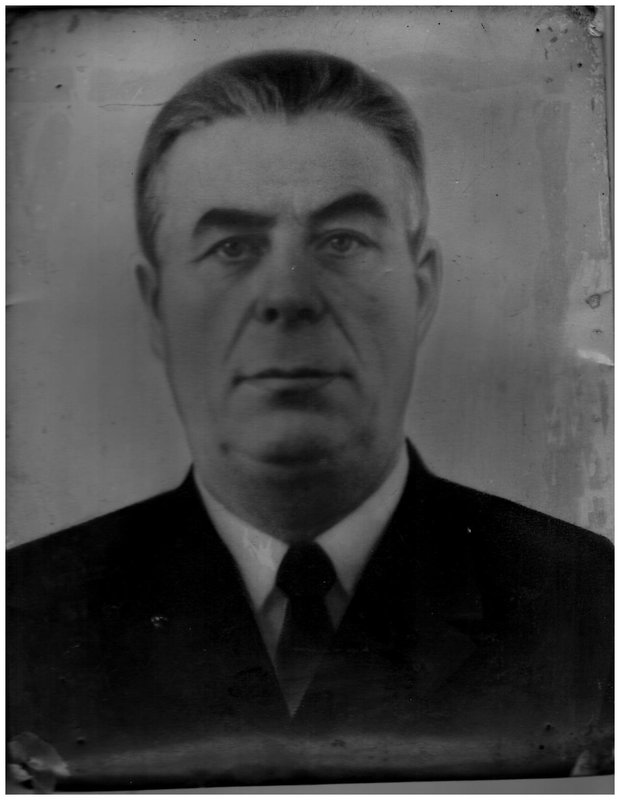
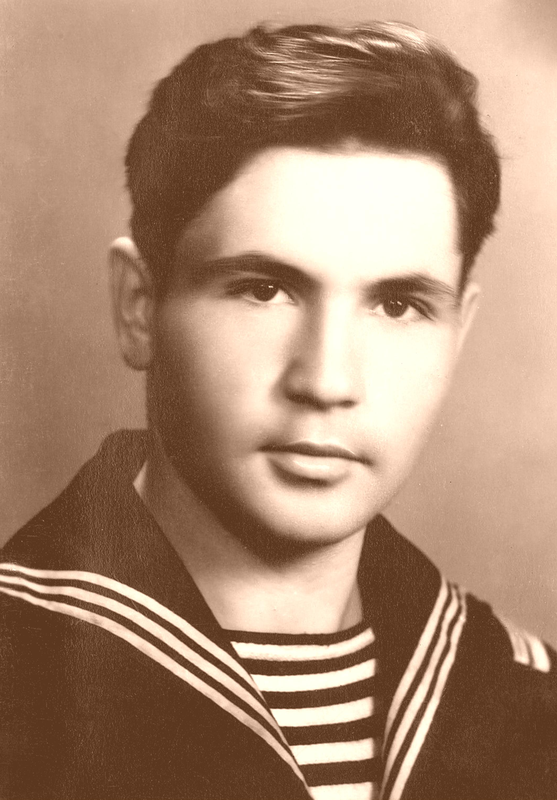
A participant in the Great Patriotic War, a labor veteran, Phlegont Nikanorovich Bylin was born on January 4, 1918 in the village of Ambartsevo, Molchanovsky district, in a large family with five children. His mother, Anna Ivanovna Suhushina was a native of the village Togur, Molchanovsky district, Tomsk region. His father, Nikanor Ivanovich Bylin was engaged in the delivery of provision, essential goods, and fishing gear, as well as hunting ammunition for residents of the coast of the lower Ob river in the territory of the Tomsk province. Then the delivered goods were exchanged for furs and fish of valuable breeds with subsequent sale at the wholesale base of Kukhterin merchants in the city of Tomsk. This work brought a sufficient level of income for supporting the family and managing a farm. During the formation of the Soviet regime in Siberia, Nikonor Ivanovich donated all his cash savings and real estate, in particular a large house, which was later transported across the Ob river to the village of Sokolovka. At first, the house was used for a school, then for the village Council, and nowadays it is the social center of the village. Little Phlegont was only 3 years old when his father died of typhus. The children were raised by their mother and stepfather Stepan Andreevich Bylin (namesake). Despite that he had to work a lot on the collective farm since childhood, help with household chores and in the upbringing of my younger sisters, Phlegont Nikanorovich received a good education. For active social activities he was sent to study in the city of Kolpashevo, in the school of combine operators by the collective farm. In August 1941, he was sent straight from the school to the frontline. During the war, he fought on the Western, Central and Belorussian fronts as a junior sergeant as a signalman, telephone operator, and letter carrier. He was wounded twice and contused. Once, while performing a combat mission, Phlegont Nikanorovich and two soldiers were bombed. A shell that exploded nearby completely covered him with earth, so much so that he could not get out himself. Fortunately, his comrade remained alive. It was he who unearthed Phlegont Nikanorovich and saved his life. For participation in military operations, he was awarded the Order of the Red Star, medals "For Bravery", "For the Defense of Moscow", "For the Capture of Konigsberg"," For the Victory over Germany " 1941-1945, was marked with the guardsman badge, received 12 commendations from the Supreme commander. The Central Archive of the Ministry of Defense has preserved documents on the presentation of Phlegont Nikanorovich Bylin with awards. Here is an entry from November 7, 1943: "Award Ph. N. Bylin guards’ private, telephone operator of the 2nd division, 31st guards’ artillery brigade with the medal "For Bravery". Being at the frontlines since the beginning of the Patriotic War, he showed courage and bravery in performing combat tasks. Distinguished himself in the battles near village Old Tuksha and Ivanovshina. In 21.10.43, provided communication between settlements under the machine-gun and mortar fire of the enemy, repaired the line three times, thereby the division supported the infantry offensive in time." Entry from October 31, 1944: "Comrade Bylin works as a division postman, performing his duties exclusively in good faith. He delivers newspapers, magazines, and mail to the batteries under any combat conditions, under enemy fire. During the period of his work as a postman, there was not a single case that, due to his fault, correspondence was not delivered on time to the divisions. Bylin takes great care of the fighters, on his own initiative helps the fighters find their relatives, helps illiterate fighters write letters. Comrade Bylin constantly explains the inadmissibility of disclosing military secrets in sent letters to the soldiers, enforces the rules for filling in the address and checks them for errors. To be awarded the order of the Red Star". After the victory over Germany, Phlegont Nikanorovich continued his military service in Poland until March 20, 1946. After demobilization, he returned to his small homeland, to the village of Ambartsevo, where he assumed the duties of the commissioner for the delivery and sale of food on the collective farm. In the fall of 1946, he married a young countrywoman, Anastasia Yakovlevna Mikheeva. In 1947, under an agreement with the forestry enterprise, Phlegont Nikanorovich and his family moved to create a logging site in the village of Sulzat, where he was one of the first to build a large house. During his career, he worked as a tractor driver and a mechanic, simultaneously taking crash course training courses, graduated from a school in the city of Krasnoyarsk, receiving a mechanic's degree. Phlegont Nikanorovich has been a member of the CPSU since 1944. Being an advanced worker, he took an active part in the public life of the timber industry, was repeatedly elected to the district and regional party committees. During his lifetime, he was an exemplary husband and father of a large family. With Anastasia Yakovlevna, they raised seven children: 4 sons and 3 daughters. Their motto for raising their children was: "Work, learn and learn again! » Despite the difficult post-war years, all children received education, five of them graduated from universities. Being overjoyed by the success of children, admiring his growing grandchildren, Phlegont Nikanorovich was often saddened by the memories of the harsh years of the war, which affected his health. Frontline injuries and concussions had a visible effect, which subsequently led him to a disability of the II degree. In 1987, he and his wife moved to the village of Molchanovo. Their children and grandchildren did not forget them and visited often. Phlegont Nikanorovich died on August 14, 1988, but the good and bright memory of him is alive in the hearts of not only his relatives, but also many Molchanovites.
Bylin Phlegont Nikanorovich
A participant in the Great Patriotic War, a labor veteran, Phlegont Nikanorovich Bylin was born on January 4, 1918 in the village of Ambartsevo, Molchanovsky district, in a large family with five children. His mother, Anna Ivanovna Suhushina was a native of the village Togur, Molchanovsky district, Tomsk region. His father, Nikanor Ivanovich Bylin was engaged in the delivery of provision, essential goods, and fishing gear, as well as hunting ammunition for residents of the coast of the lower Ob river in the territory of the Tomsk province. Then the delivered goods were exchanged for furs and fish of valuable breeds with subsequent sale at the wholesale base of Kukhterin merchants in the city of Tomsk. This work brought a sufficient level of income for supporting the family and managing a farm. During the formation of the Soviet regime in Siberia, Nikonor Ivanovich donated all his cash savings and real estate, in particular a large house, which was later transported across the Ob river to the village of Sokolovka. At first, the house was used for a school, then for the village Council, and nowadays it is the social center of the village. Little Phlegont was only 3 years old when his father died of typhus. The children were raised by their mother and stepfather Stepan Andreevich Bylin (namesake). Despite that he had to work a lot on the collective farm since childhood, help with household chores and in the upbringing of my younger sisters, Phlegont Nikanorovich received a good education. For active social activities he was sent to study in the city of Kolpashevo, in the school of combine operators by the collective farm. In August 1941, he was sent straight from the school to the frontline. During the war, he fought on the Western, Central and Belorussian fronts as a junior sergeant as a signalman, telephone operator, and letter carrier. He was wounded twice and contused. Once, while performing a combat mission, Phlegont Nikanorovich and two soldiers were bombed. A shell that exploded nearby completely covered him with earth, so much so that he could not get out himself. Fortunately, his comrade remained alive. It was he who unearthed Phlegont Nikanorovich and saved his life. For participation in military operations, he was awarded the Order of the Red Star, medals "For Bravery", "For the Defense of Moscow", "For the Capture of Konigsberg"," For the Victory over Germany " 1941-1945, was marked with the guardsman badge, received 12 commendations from the Supreme commander. The Central Archive of the Ministry of Defense has preserved documents on the presentation of Phlegont Nikanorovich Bylin with awards. Here is an entry from November 7, 1943: "Award Ph. N. Bylin guards’ private, telephone operator of the 2nd division, 31st guards’ artillery brigade with the medal "For Bravery". Being at the frontlines since the beginning of the Patriotic War, he showed courage and bravery in performing combat tasks. Distinguished himself in the battles near village Old Tuksha and Ivanovshina. In 21.10.43, provided communication between settlements under the machine-gun and mortar fire of the enemy, repaired the line three times, thereby the division supported the infantry offensive in time." Entry from October 31, 1944: "Comrade Bylin works as a division postman, performing his duties exclusively in good faith. He delivers newspapers, magazines, and mail to the batteries under any combat conditions, under enemy fire. During the period of his work as a postman, there was not a single case that, due to his fault, correspondence was not delivered on time to the divisions. Bylin takes great care of the fighters, on his own initiative helps the fighters find their relatives, helps illiterate fighters write letters. Comrade Bylin constantly explains the inadmissibility of disclosing military secrets in sent letters to the soldiers, enforces the rules for filling in the address and checks them for errors. To be awarded the order of the Red Star". After the victory over Germany, Phlegont Nikanorovich continued his military service in Poland until March 20, 1946. After demobilization, he returned to his small homeland, to the village of Ambartsevo, where he assumed the duties of the commissioner for the delivery and sale of food on the collective farm. In the fall of 1946, he married a young countrywoman, Anastasia Yakovlevna Mikheeva. In 1947, under an agreement with the forestry enterprise, Phlegont Nikanorovich and his family moved to create a logging site in the village of Sulzat, where he was one of the first to build a large house. During his career, he worked as a tractor driver and a mechanic, simultaneously taking crash course training courses, graduated from a school in the city of Krasnoyarsk, receiving a mechanic's degree. Phlegont Nikanorovich has been a member of the CPSU since 1944. Being an advanced worker, he took an active part in the public life of the timber industry, was repeatedly elected to the district and regional party committees. During his lifetime, he was an exemplary husband and father of a large family. With Anastasia Yakovlevna, they raised seven children: 4 sons and 3 daughters. Their motto for raising their children was: "Work, learn and learn again! » Despite the difficult post-war years, all children received education, five of them graduated from universities. Being overjoyed by the success of children, admiring his growing grandchildren, Phlegont Nikanorovich was often saddened by the memories of the harsh years of the war, which affected his health. Frontline injuries and concussions had a visible effect, which subsequently led him to a disability of the II degree. In 1987, he and his wife moved to the village of Molchanovo. Their children and grandchildren did not forget them and visited often. Phlegont Nikanorovich died on August 14, 1988, but the good and bright memory of him is alive in the hearts of not only his relatives, but also many Molchanovites.
0 comment



2026 © Russian Military Historical Society Developed by Jetmix